

© 2026 Made for Planet • Privacy Policy • Terms & Conditions
Platform by Mission Sustainability
By Rittika rana • Jan 31, 2026
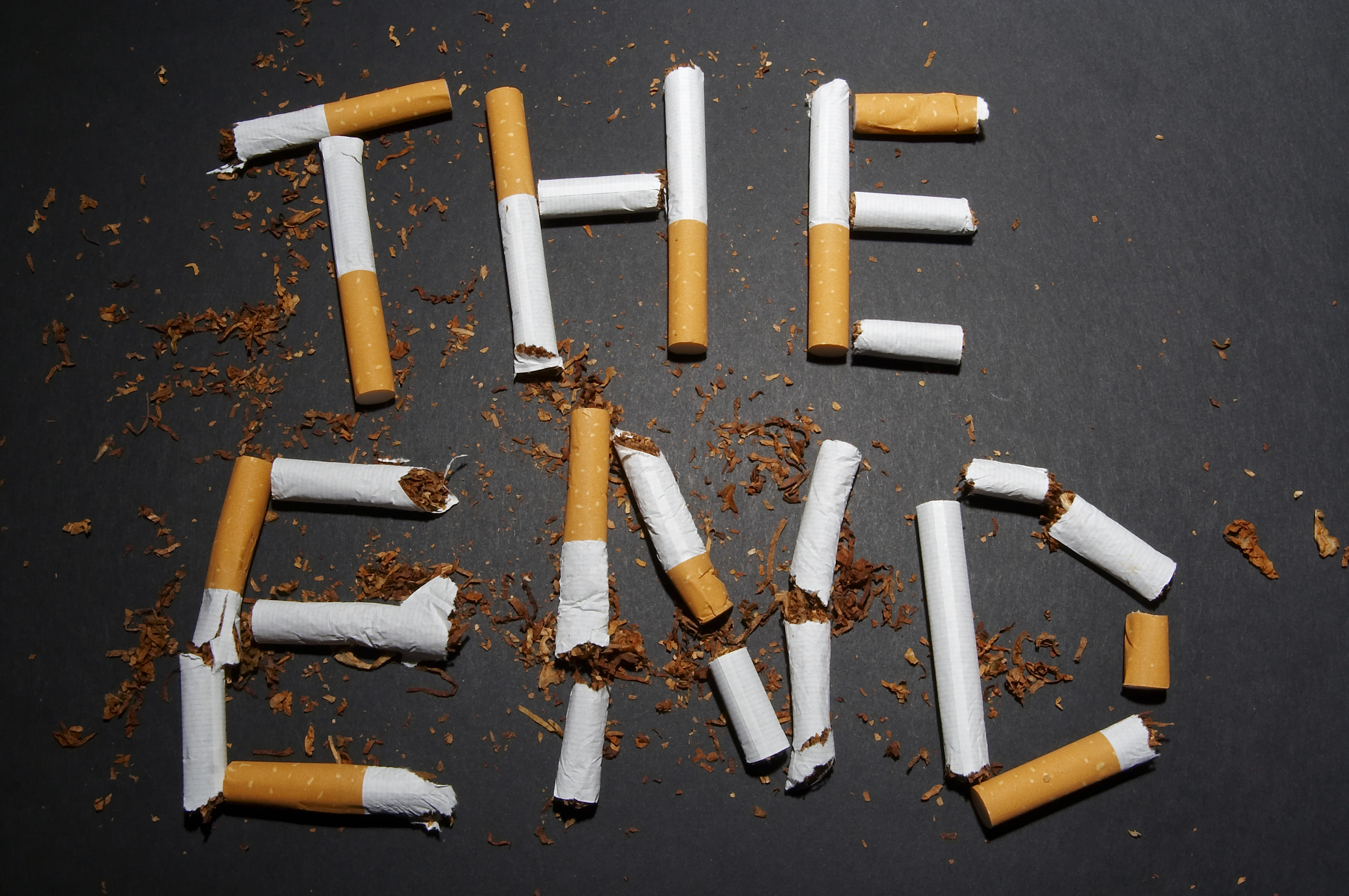
Air pollution numbers are everywhere. Daily AQI alerts, colour coded maps, city rankings shared across news and social media. Yet for most people, AQI still feels abstract. A number that signals “bad air” without clearly explaining what it means for the body.
This is where the idea of AQI to cigarettes becomes useful. By translating air pollution exposure into cigarette equivalent health risk, it helps people understand what they are breathing every day in terms they already recognise.
This comparison is not meant to sensationalise. It is meant to clarify.
The Air Quality Index is a composite indicator designed to communicate how polluted the air is and how it may affect health. In India, AQI is calculated using pollutants such as PM2.5, PM10, nitrogen dioxide, sulphur dioxide, carbon monoxide, ozone, and ammonia, as defined by the Central Pollution Control Board’s National Air Quality Index framework.
Among these pollutants, PM2.5 is the most damaging. These microscopic particles are small enough to penetrate deep into the lungs and enter the bloodstream, a mechanism explained in detail by the World Health Organization’s air quality guidelines.
Long term exposure to PM2.5 has been linked to heart disease, stroke, chronic respiratory illness, and premature death, as established through large scale population studies published in The Lancet Planetary Health.

Cigarettes are a health risk most people intuitively understand. Even non smokers recognise that smoking one cigarette a day carries long term consequences.
The AQI to cigarettes comparison translates daily PM2.5 exposure into an equivalent number of cigarettes smoked. This approach became widely known after researchers associated with Berkeley Earth demonstrated how air pollution exposure could be expressed in cigarette equivalents based on mortality risk.
The goal is not to claim air pollution and smoking are chemically identical. Instead, it compares their relative impact on life expectancy, using decades of epidemiological data.

The calculation relies on dose response relationships derived from long term health studies. Researchers compare mortality risks from ambient PM2.5 exposure with known risks from cigarette smoking, drawing from global datasets such as the Global Burden of Disease project.
Institutions like the Energy Policy Institute at the University of Chicago use these relationships to estimate how many years of life are lost due to air pollution, converting PM2.5 concentrations into cigarette equivalent exposure for public communication.
For example, breathing air with an annual average PM2.5 concentration around 22 micrograms per cubic metre has been estimated to carry a similar mortality risk to smoking one cigarette per day, when sustained over time.

India remains one of the most air polluted countries in the world. According to the IQAir World Air Quality Report, several Indian cities consistently record PM2.5 levels multiple times higher than global health guidelines.
In winter months, cities like Delhi often experience AQI levels above 300. At these concentrations, long term exposure has been estimated to be equivalent to smoking multiple cigarettes per day, a framing also used by platforms like the State of Global Air initiative to communicate health burden.
This helps explain why air pollution is now among the leading risk factors for premature mortality in India, as highlighted in assessments by the Indian Council of Medical Research.
The reason the AQI to cigarettes analogy resonates is because both exposures activate similar biological pathways. Fine particulate matter triggers chronic inflammation, oxidative stress, and vascular damage, processes well documented in public health literature such as reviews published in the British Medical Journal.
PM2.5 particles can cross the lung barrier and circulate through the bloodstream, affecting the heart, brain, and other organs. Research supported by the National Institutes of Health has linked air pollution exposure to cardiovascular disease, asthma, metabolic disorders, and cognitive decline.
Unlike smoking, however, air pollution exposure is largely involuntary. This makes it a systemic public health challenge rather than an individual behavioural issue.

The AQI to cigarettes comparison works because it turns invisible risk into something tangible. It helps people understand scale and urgency without requiring technical knowledge.
At the same time, it has limitations. Cigarettes contain thousands of chemicals not present in ambient air. Exposure patterns also vary widely based on location and time. Agencies such as the United States Environmental Protection Agency caution that cigarette equivalence should be used as a communication tool, not a precise medical measurement.
Seen in this light, the comparison simplifies without distorting the underlying risk.

While masks, air purifiers, and indoor solutions can reduce individual exposure, they do not address the root cause. Air pollution is shaped by transport systems, energy sources, construction practices, and urban planning.
Evidence from regions that reduced coal use and vehicle emissions shows clear health gains. Long term analyses published in Nature Climate Change demonstrate measurable improvements in life expectancy following sustained air quality improvements.
This reinforces a crucial point. AQI to cigarettes is not about personal blame. It is about making the invisible visible so that systemic solutions become unavoidable.
:max_bytes(150000):strip_icc()/human-respiratory-system-lungs-anatomy-1226884277-b922ec7e92054780a6dc2308107f5188.jpg)
When air pollution is expressed in cigarette equivalents, it becomes clear that millions of people are exposed to health risks they never chose. The AQI to cigarettes framing bridges the gap between scientific data and everyday understanding.
Clean air should not require optimisation strategies or constant vigilance. It should be a baseline condition for public health.
Understanding what AQI truly represents is the first step toward demanding that baseline back.
AQI to cigarettes is a way to translate air pollution exposure into cigarette equivalent health risk. It helps people understand how breathing polluted air compares to smoking in terms of long term harm.
No. The comparison does not mean the chemicals are the same. It compares overall health risk and life expectancy impact, not the substance or exposure method.
The comparison is primarily based on PM2.5 because these fine particles penetrate deep into the lungs and bloodstream and are strongly linked to premature death.
At very high PM2.5 levels, such as those seen during severe pollution episodes, long term exposure can be comparable to smoking multiple cigarettes per day, depending on duration and concentration.
Yes, as a communication tool. It is based on large scale epidemiological studies, but it is not meant to be a precise medical equivalence for individuals.
Masks can reduce short term exposure to PM2.5, especially high quality respirators. However, they do not eliminate risk or replace the need for cleaner air at the city level.
AQI numbers are abstract. Cigarettes are intuitive. This comparison helps people grasp invisible health risks and understand why air pollution is a serious public health issue.
It simplifies complex exposure patterns into a single number. While helpful for awareness, it cannot capture individual differences or exact health outcomes.
Related topics
Related Categories
Share this blog


