

© 2026 Made for Planet • Privacy Policy • Terms & Conditions
Platform by Mission Sustainability
By Ketul Patel • Dec 22, 2025
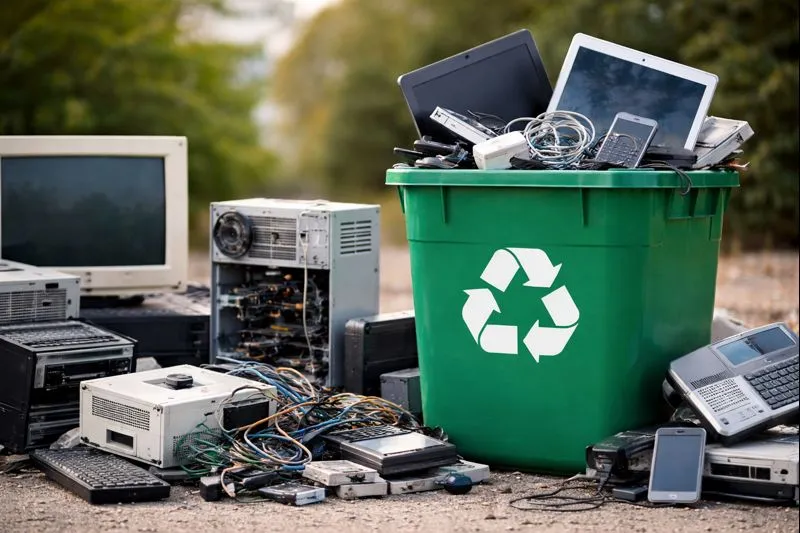
India is sitting on a paradox. On one hand, electronic devices power economic growth, digital access, healthcare, education, and climate solutions. On the other, the same devices—once discarded—become one of the fastest growing and most toxic waste streams in the country.
E-waste management in India is not merely a waste problem. It is a resource recovery challenge, a public health issue, an informal-sector livelihood question, and a regulatory compliance system—all at once.
This blog explains how e-waste management actually works in India, from generation to end-of-life, grounded in law, data, and on-ground realities. It is written for practitioners, CSR teams, ESG professionals, recyclers, startups, and policymakers looking to implement solutions—not just understand definitions.

Under India’s E-Waste (Management) Rules, e-waste refers to discarded electrical and electronic equipment (EEE), in whole or in part, including components, consumables, spares, and rejects from manufacturing, repair, or refurbishment.
In practical terms, this includes:
A critical but often misunderstood point: A device becomes e-waste the moment the owner discards it, regardless of whether it still works.

India is currently the third-largest e-waste generator globally, producing an estimated 1.6–2 million tonnes of e-waste every year. Yet, less than 30% of this waste reaches authorised recycling systems.
The rest flows into an extensive informal economy.
E-waste contains valuable materials—gold, copper, aluminium, silver, rare earth elements—but also highly toxic substances such as lead, mercury, cadmium, and brominated flame retardants. This dual nature makes e-waste uniquely dangerous: it attracts informal recovery because of value, while simultaneously causing long-term environmental and health damage.
Unscientific dismantling practices—open burning of wires, acid leaching of circuit boards, dumping residues into drains—lead to:
This is why e-waste management sits at the intersection of pollution control and circular economy.
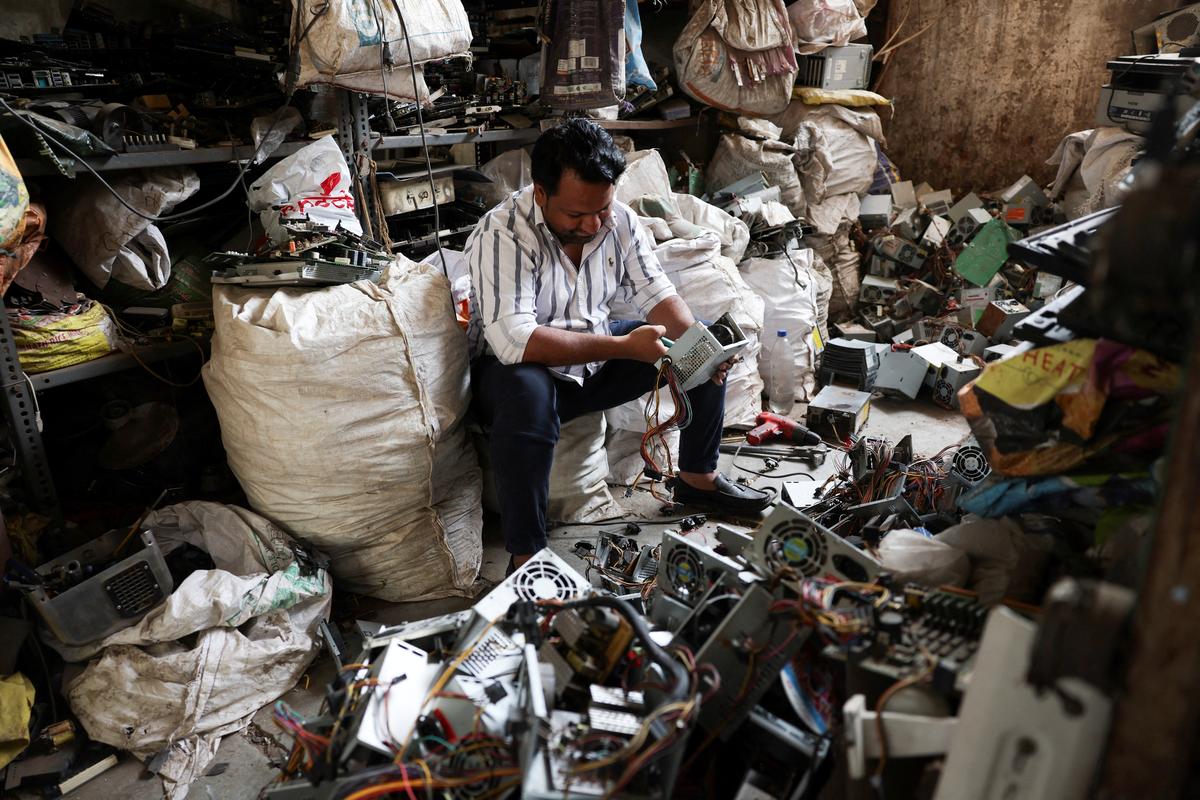
To understand implementation, it is essential to distinguish between the formal system defined by law and the informal system that dominates reality.
In most Indian cities, discarded electronics move through a familiar but invisible chain. Households and offices sell old devices to local kabadiwalas. These are aggregated, dismantled in small workshops, and processed using unsafe methods to extract metals. Residues are often dumped or burned.
This system survives because it is:

Legally, e-waste should move from consumers or bulk users to authorised collection centres, then to registered dismantlers and recyclers, where material recovery and residue disposal happen in controlled conditions.
This system is regulated and tracked by the Central Pollution Control Board (CPCB) and implemented by State Pollution Control Boards.
The challenge is not lack of rules or technology. The challenge is collection and traceability**.**
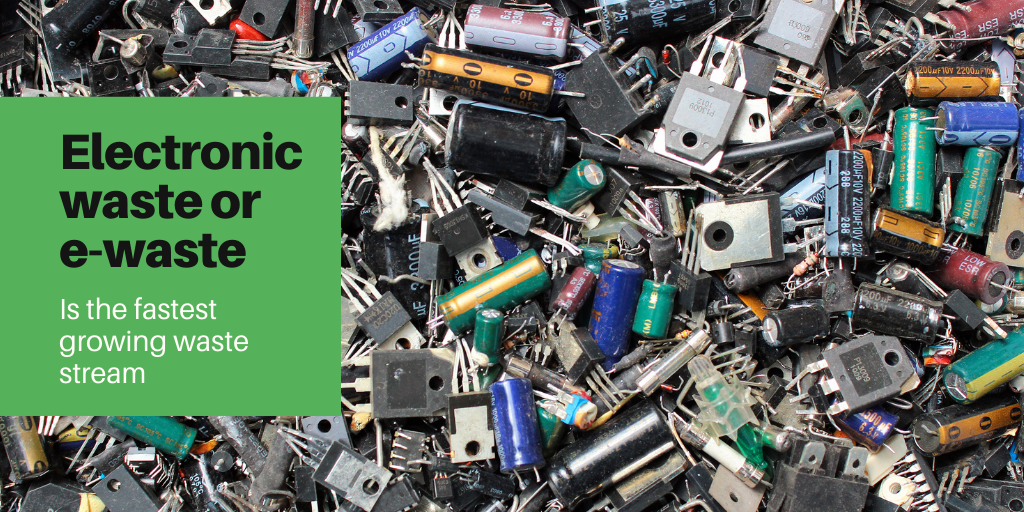
India’s e-waste governance is anchored in the E-Waste (Management) Rules, 2016, which were significantly strengthened by the E-Waste (Management) Rules, 2022.
The most important concept introduced—and now enforced digitally—is Extended Producer Responsibility (EPR).

Extended Producer Responsibility means that manufacturers, importers, and brands are legally responsible for ensuring the collection and recycling of the e-waste generated from their products. Instead of governments chasing waste, responsibility is pushed upstream to producers.
Instead of governments chasing waste, responsibility is pushed upstream to producers.
Under the 2022 rules:
In theory, this creates accountability. In practice, implementation quality depends heavily on verification, audits, and physical traceability.
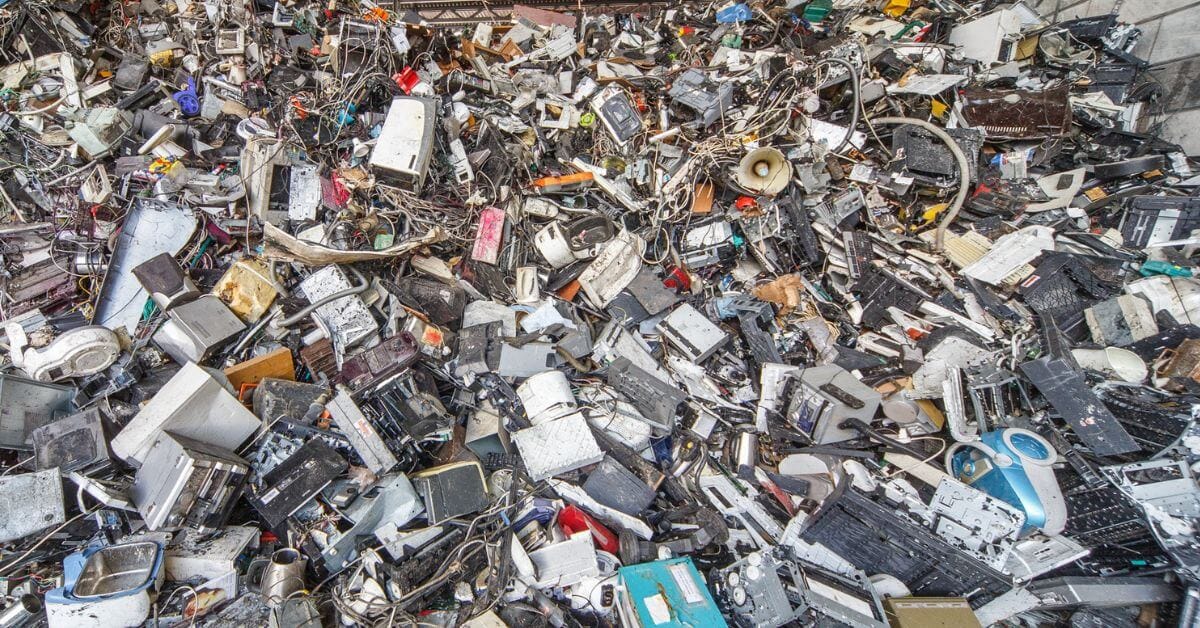
From a practitioner’s lens, e-waste management is not a recycling problem first—it is a supply chain and behaviour problem.
Collection Is the Hardest Part
Recycling infrastructure exists in India. What does not exist at scale is structured, incentive-aligned collection.
Households hoard devices. Offices delay disposal. Informal collectors offer instant cash. Formal systems often offer paperwork instead of convenience.
Any successful implementation must answer one simple question:
Why would a generator give their e-waste to this system instead of the informal one?
Without solving this, no amount of regulation works.
Traceability Remains Weak
Unlike biomedical waste, e-waste is rarely tracked item-by-item. Bulk reporting, paper compliance, and credit trading can mask physical reality.
This is why regulators are increasingly focusing on:
Traceability is the future battleground of e-waste compliance.
Informal Sector Cannot Be Eliminated
One of the biggest mistakes in e-waste policy globally has been the assumption that the informal sector can simply be replaced.
In India, millions of livelihoods depend on informal collection and dismantling. The more realistic path is integration, not elimination—by formalising collection roles, improving safety, and channeling material into authorised recycling streams.
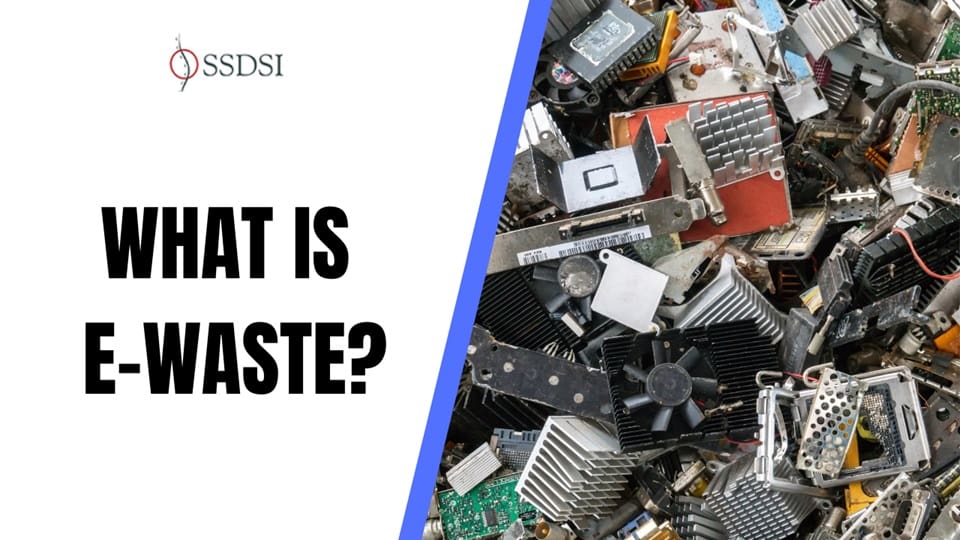
At authorised recycling facilities, e-waste goes through multiple controlled stages.
First, devices are manually dismantled to separate plastics, metals, printed circuit boards, batteries, and hazardous components. This step is labour-intensive but critical for material purity.
Next, materials undergo mechanical processing—shredding, magnetic separation, eddy current separation—to isolate metal fractions. High-value fractions such as copper and aluminium are recovered locally, while precious metal recovery often requires specialised smelting or refining.
Finally, residues that cannot be recycled are sent to authorised hazardous waste disposal facilities. Unlike informal systems, these steps ensure that toxins do not enter air, soil, or water.
Importantly, recycling is not 100% circular. Some material losses are inevitable, which is why waste reduction and product design matter as much as recycling.

For companies, e-waste management is now deeply linked to ESG performance. Under BRSR and global sustainability frameworks, improper handling of electronic waste represents both environmental and social risk.
CSR-driven e-waste programs, when done well, can:
When done poorly, they become checkbox exercises with little real impact.
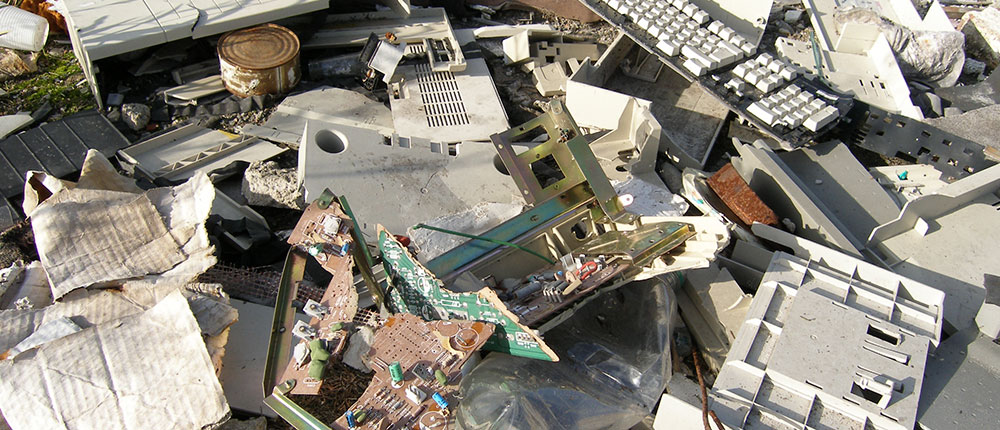
Across India, most failed implementations share similar patterns. They focus on compliance paperwork rather than physical flows. They ignore informal incentives. They underestimate logistics. They rely entirely on awareness without changing behaviour.
Real success comes from aligning economics, convenience, regulation, and trust.
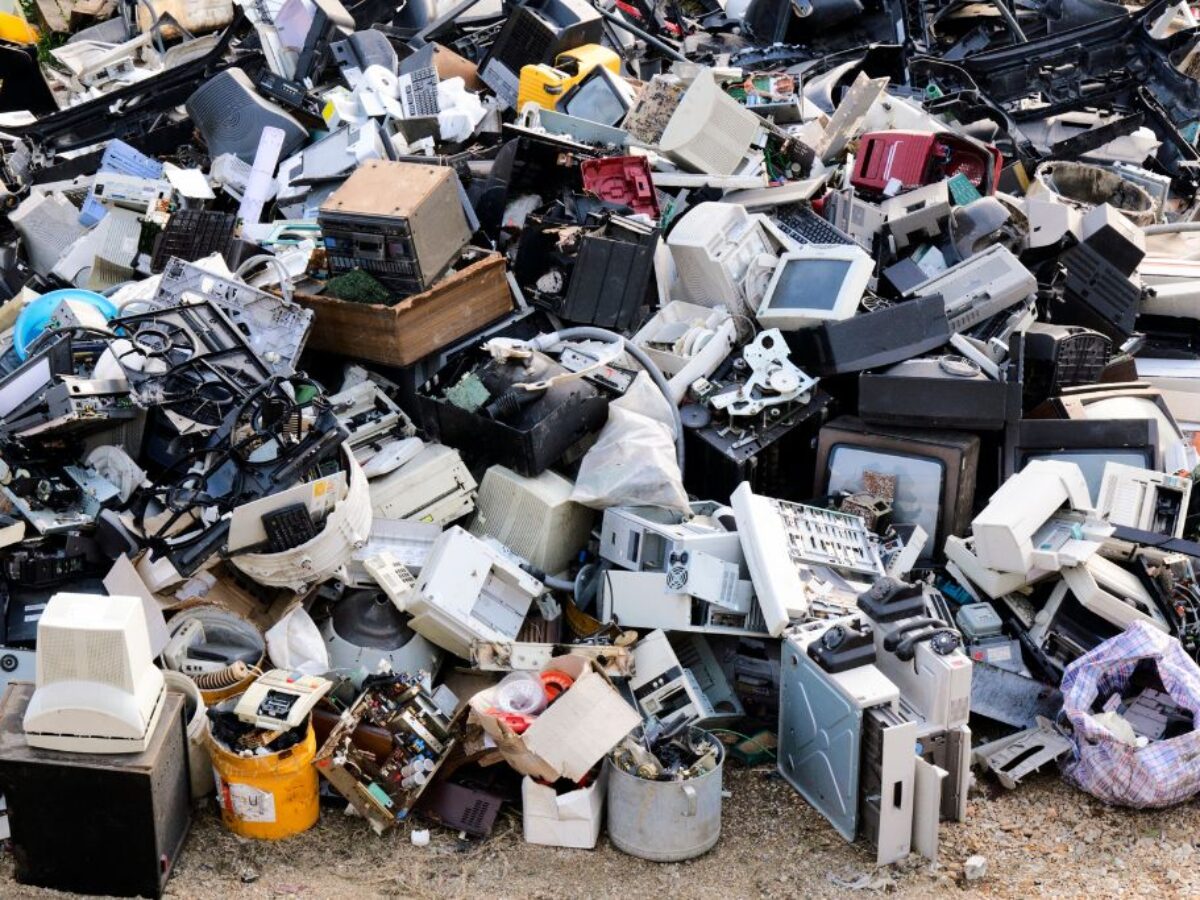
Anyone working on e-waste—whether as a startup, NGO, CSR team, or policymaker—must think like a systems designer.
Start by asking:
E-waste management is not solved by technology alone. It is solved by designing systems that people actually use.
E-waste management in India is at a turning point. Regulations are stronger, digital systems are emerging, and awareness is growing. But the gap between policy and practice remains wide.
Closing this gap requires moving beyond rules into implementation intelligence—grounded in economics, behaviour, and accountability. When done right, e-waste management can transform a toxic problem into a circular opportunity. When done wrong, it quietly poisons the future.


What is e-waste management in India?
E-waste management in India refers to the regulated process of collecting, transporting, recycling, and safely disposing of discarded electrical and electronic equipment such as phones, computers, appliances, and cables, as governed under the E-Waste (Management) Rules. The objective is to recover valuable materials while preventing environmental pollution and health risks.
What items are classified as e-waste in India?
E-waste includes any discarded electrical or electronic equipment, whether functional or non-functional. Common examples include mobile phones, laptops, televisions, refrigerators, chargers, circuit boards, cables, printers, servers, and solar panels. Once discarded by the user, these items legally become e-waste.
How is e-waste managed in India?
E-waste in India is managed through a system where consumers or bulk users hand over discarded electronics to authorised collection centres or recyclers. These recyclers dismantle and process the waste scientifically to recover metals and safely dispose of hazardous residues. Producers are legally responsible for ensuring this process through Extended Producer Responsibility (EPR).
What is Extended Producer Responsibility (EPR) in e-waste?
Extended Producer Responsibility (EPR) is a policy mechanism under which manufacturers, importers, and brand owners are responsible for collecting and recycling a specified quantity of e-waste generated from their products. In India, EPR compliance is tracked digitally through the CPCB EPR portal.
Who regulates e-waste management in India?
E-waste management in India is regulated by the Central Pollution Control Board (CPCB) at the national level and implemented by State Pollution Control Boards. These authorities authorise recyclers, monitor compliance, and enforce penalties for violations.
What happens to e-waste after collection?
After collection, e-waste is dismantled at authorised facilities where components such as plastics, metals, and circuit boards are separated. Valuable materials like copper and aluminium are recovered, while hazardous fractions are treated and disposed of in secured facilities. Non-recyclable residues are sent to authorised hazardous waste landfills.
Why is informal e-waste recycling a problem in India?
Informal e-waste recycling often uses unsafe methods such as open burning and acid leaching, which release toxic substances into the air, soil, and water. These practices pose severe health risks to workers and surrounding communities and lead to irreversible environmental damage.
What are the penalties for improper e-waste management in India?
Non-compliance with e-waste rules can result in environmental compensation charges, cancellation of authorisation, legal action, and penalties imposed by pollution control authorities. Producers failing to meet EPR targets may also face restrictions on operations.
How does e-waste management relate to ESG and CSR?
E-waste management directly impacts Environmental and Social (E and S) indicators under ESG frameworks. Proper e-waste handling helps companies comply with BRSR requirements, reduce environmental risks, and demonstrate responsible supply-chain and end-of-life product management.
Can individuals and households legally dispose of e-waste?
Yes. Individuals can dispose of e-waste by handing it over to authorised collection centres, take-back programs run by producers, or certified recyclers. E-waste should never be mixed with household waste or sold for unsafe dismantling.
Related topics
Related Categories
Share this blog


