

© 2026 Made for Planet • Privacy Policy • Terms & Conditions
Platform by Mission Sustainability
By Rittika rana • Jan 11, 2026
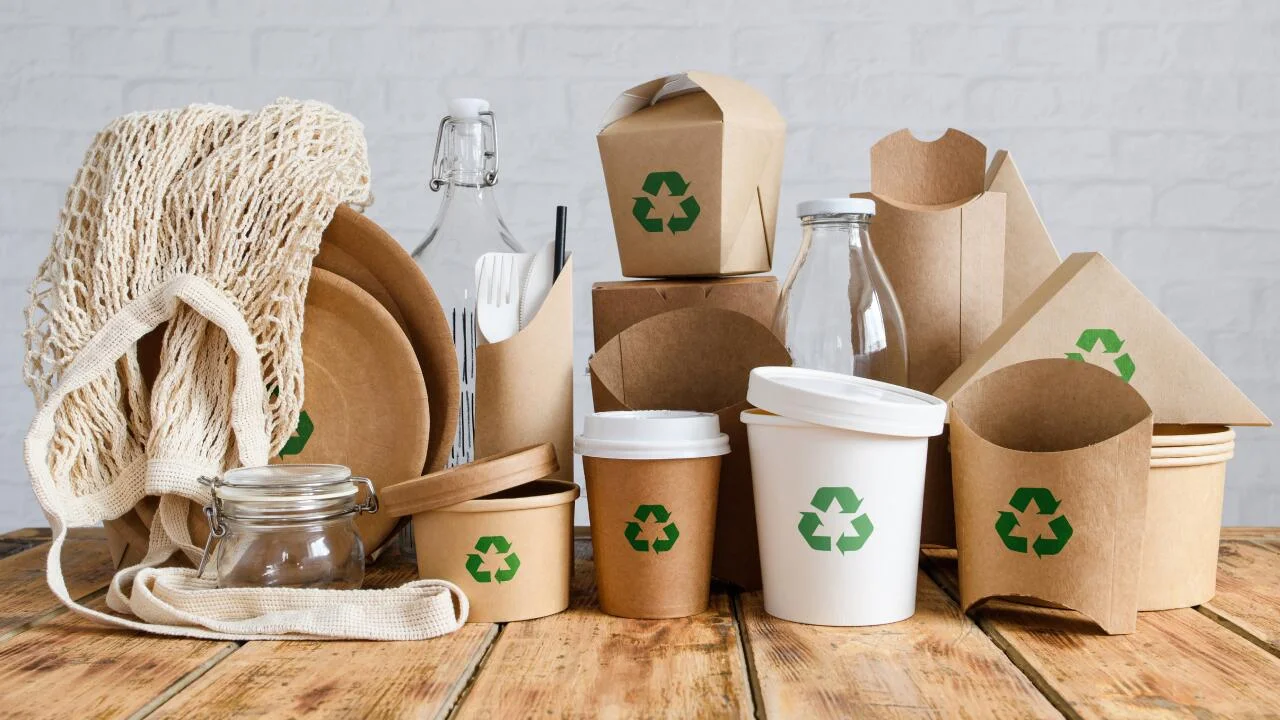
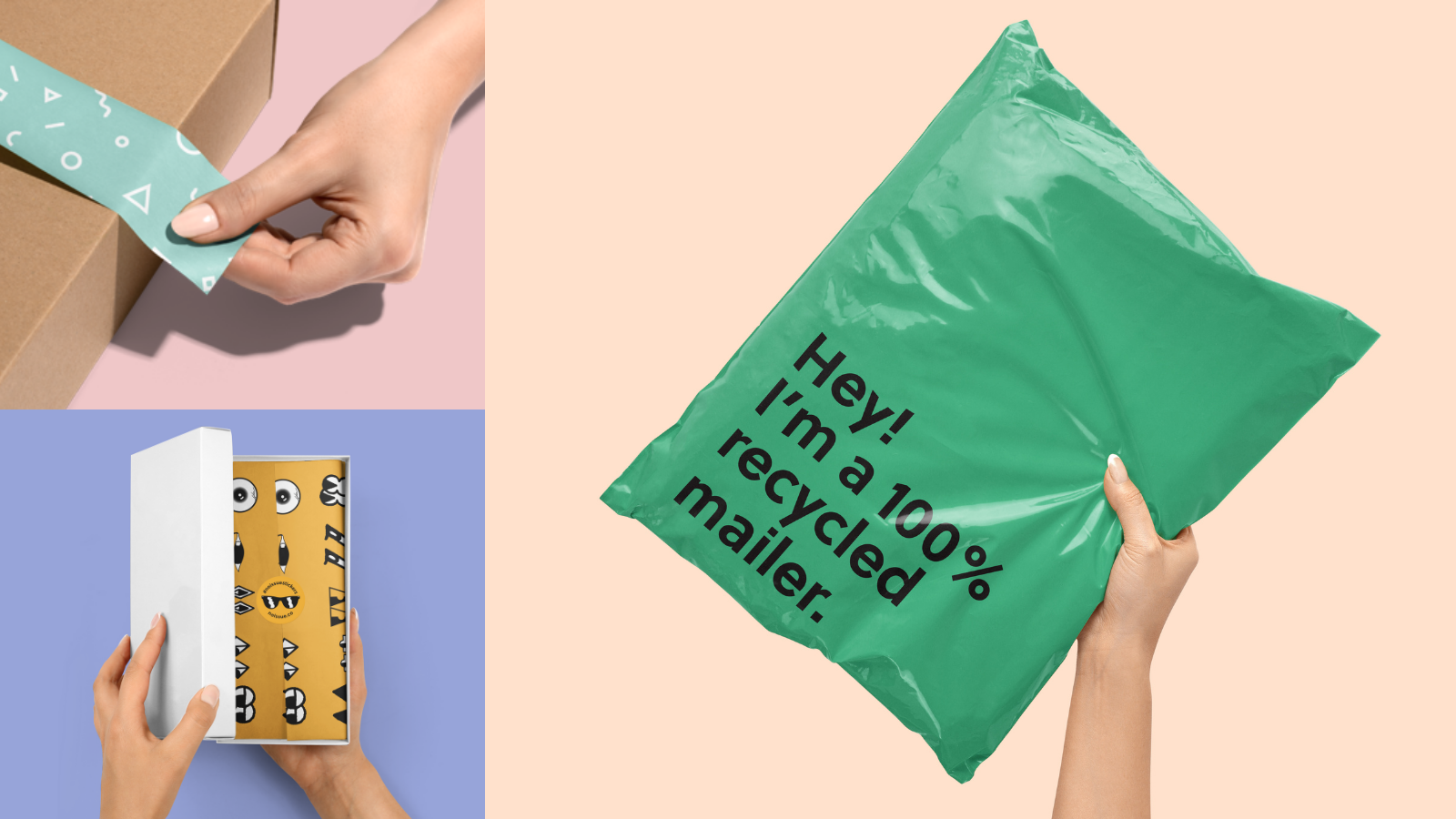
When people talk about ecofriendly packaging, the conversation usually begins with materials — recycled cardboard, compostable plastics, glass, or bagasse. While these materials matter, they represent only a fraction of what makes packaging truly sustainable.
According to the Ellen MacArthur Foundation, global packaging waste is not merely a material problem but a design and systems failure, where products are created without considering their full environmental lifecycle—from production to disposal.
True ecofriendly packaging begins long before material selection. It starts with design decisions: how large the package is, how much material it uses, whether it can be reused, how easily it can be recycled, and what happens after the consumer is done with it.
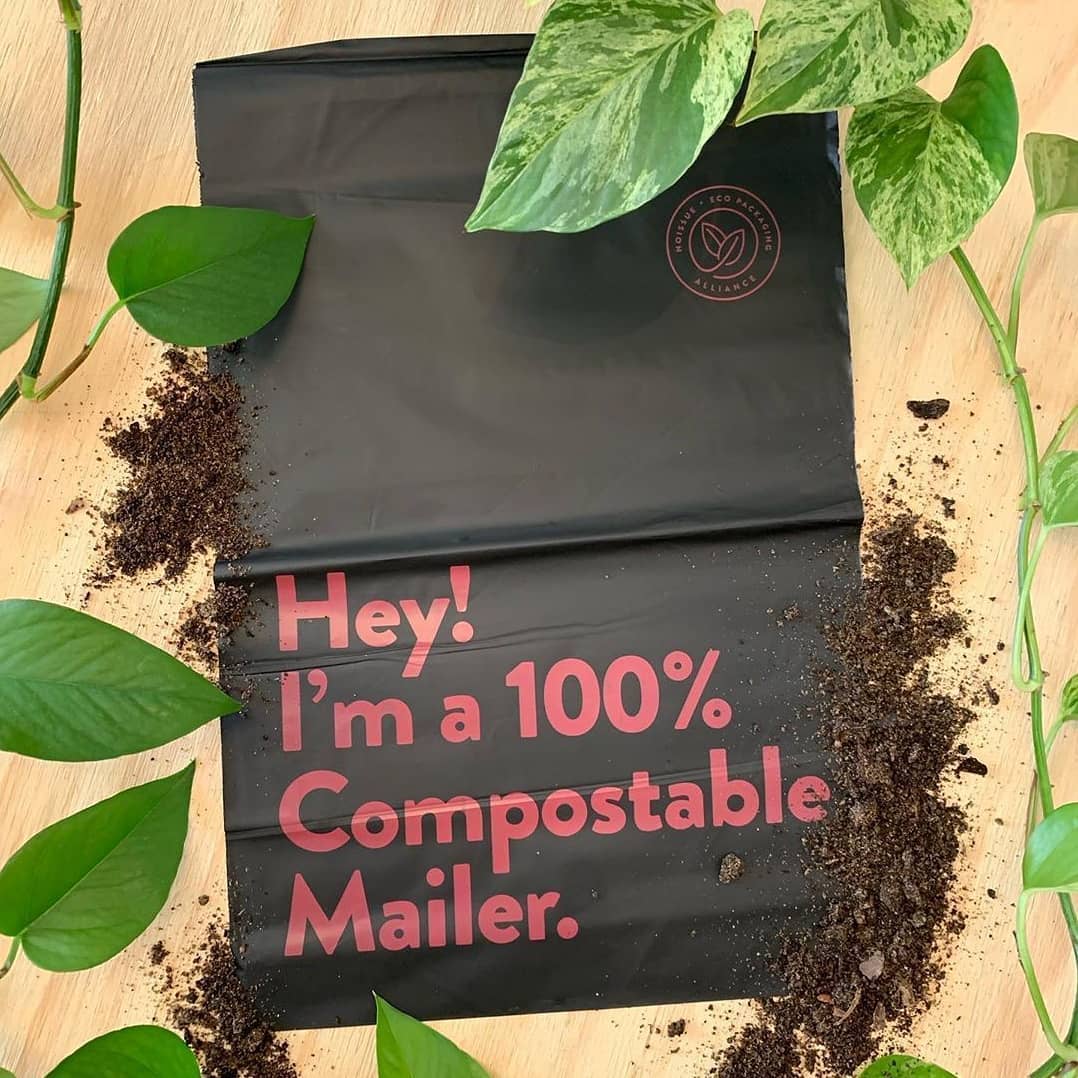
Many brands believe sustainability begins and ends with replacing plastic with paper or labeling packaging as recyclable. While this shift is a step forward, it often ignores deeper inefficiencies.
The United Nations Environment Programme (UNEP) has repeatedly emphasized that recyclable or biodegradable packaging still creates environmental harm when it is oversized, multilayered, or incompatible with real-world waste systems.
For example:
An oversized cardboard box may be recyclable, but it uses more trees, water, and energy than necessary.
Multilayer packaging made from mixed materials often cannot be recycled at all.
Decorative coatings and laminations can contaminate recycling streams.
This is why ecofriendly packaging must be approached as a design system, not a material checklist.

Design is where sustainability either succeeds or fails.
Research from McKinsey & Company shows that up to 30% of packaging materials can be eliminated through better design alone—without compromising product protection or customer experience.
Below are the design principles that define effective ecofriendly packaging.

Minimalist packaging removes everything that is unnecessary—extra layers, excessive branding, decorative elements that serve no functional purpose.
The World Wide Fund for Nature (WWF) identifies material reduction as one of the most impactful strategies for lowering packaging-related emissions and waste.
Minimalist ecofriendly packaging:
Uses fewer raw materials
Requires less energy to manufacture
Is easier to recycle or compost
Importantly, minimalism does not reduce brand value. In many cases, it enhances trust and clarity.
Right-sizing means designing packaging that fits the product precisely—no excess air, no unnecessary fillers.
According to the U.S. Environmental Protection Agency (EPA), right-sizing packaging significantly reduces material waste and transportation emissions across supply chains.
Smaller, smarter packaging means:
Fewer resources extracted
Less fuel used during shipping
Lower overall carbon footprint
Lightweighting reduces packaging weight while maintaining strength and safety.
The Carbon Trust notes that even small reductions in packaging weight can result in substantial emissions savings at scale, especially in global logistics.
Lightweight ecofriendly packaging:
Cuts fuel consumption
Lowers shipping costs
Reduces emissions per product

Packaging made from a single material type is easier to recycle and less likely to end up in landfill.
The International Organization for Standardization (ISO) emphasizes mono-material design as a core requirement for sustainable packaging systems.
Design simplicity improves:
Recycling efficiency
Waste recovery rates
Consumer understanding
Smart design transforms ecofriendly packaging from a marketing term into measurable environmental action.
Reducing materials directly lowers demand for virgin resources such as trees, fossil fuels, and water. The Ellen MacArthur Foundation identifies material reduction as one of the fastest ways to decrease environmental pressure.
Right-sized and lightweight packaging allows more products per shipment, reducing fuel use and emissions across global supply chains.
Designing for recyclability, compostability, or reuse improves real-world disposal outcomes. UNEP stresses that packaging must align with existing waste systems to be truly sustainable.
Clear, intentional design communicates responsibility. Consumers increasingly associate ecofriendly packaging with brand trust and long-term commitment.

Design leads. Materials follow.
When intelligent design is combined with sustainable materials, the environmental benefits multiply.
Examples include:
Mushroom-based packaging that replaces foam while biodegrading naturally
Minimalist kraft packaging using water-based inks, reducing chemical pollution
Refillable glass systems that drastically reduce single-use waste,
Ecofriendly packaging is most effective when design and material choices work together, not independently.

Puma’s Clever Little Bag
Puma redesigned its shoebox by replacing it with a reusable bag and minimal cardboard frame—cutting cardboard use by 65%.
Refill & Reuse Systems
UNEP-supported, reuse pilots show that refillable packaging can reduce waste by over 70% in certain product categories.
These examples prove that design-driven ecofriendly packaging can be scalable, profitable, and impactful.
The future of ecofriendly packaging lies in systems thinking—not isolated improvements.
Emerging directions include:
Modular packaging components
Reuse-first design models
Digital labeling to replace excess print
Packaging-as-a-service systems
According to McKinsey & Company, brands that integrate sustainability at the design stage will be better positioned as regulations tighten and consumer expectations rise.
Ecofriendly packaging is not defined by materials alone. It is shaped by the decisions made before production begins.
When design leads:
Less waste is created
Fewer emissions are generated
Systems become circular
So, ecofriendly packaging represents intentional responsibility—designing not for convenience or aesthetics alone, but for the planet we all share.

Ecofriendly packaging minimizes environmental impact through thoughtful design, responsible materials, reduced waste, and improved end-of-life outcomes.

Design determines material use, transport emissions, recyclability, and reuse—often having a greater impact than material choice alone.

Yes. Reducing unnecessary packaging components is one of the most effective ways to cut emissions and waste.
Yes. Right-sizing and lightweighting often reduce material and logistics costs over time.
Start with better sizing, simpler structures, recyclable mono-materials, and explore reuse or refill models.
Related Categories
Share this blog


