

© 2026 Made for Planet • Privacy Policy • Terms & Conditions
Platform by Mission Sustainability
By Rittika rana • Feb 04, 2026
Climate change, biodiversity loss, polluted air, broken food systems. We hear these phrases constantly, yet they often remain abstract. Reports are dense. News cycles are exhausting. Social media reduces everything to outrage or optimism.
Documentaries sit in a different space.
At their best, environmental documentaries do not shout. They connect dots. They show how nature, people, and systems intersect, and why the planet is changing the way it is.
This list is not about shock value or cinematic spectacle. It is about understanding the planet. Each documentary here explains one critical piece of the environmental puzzle. Watched together, they offer a grounded, systems level view of where we are and how we got here.
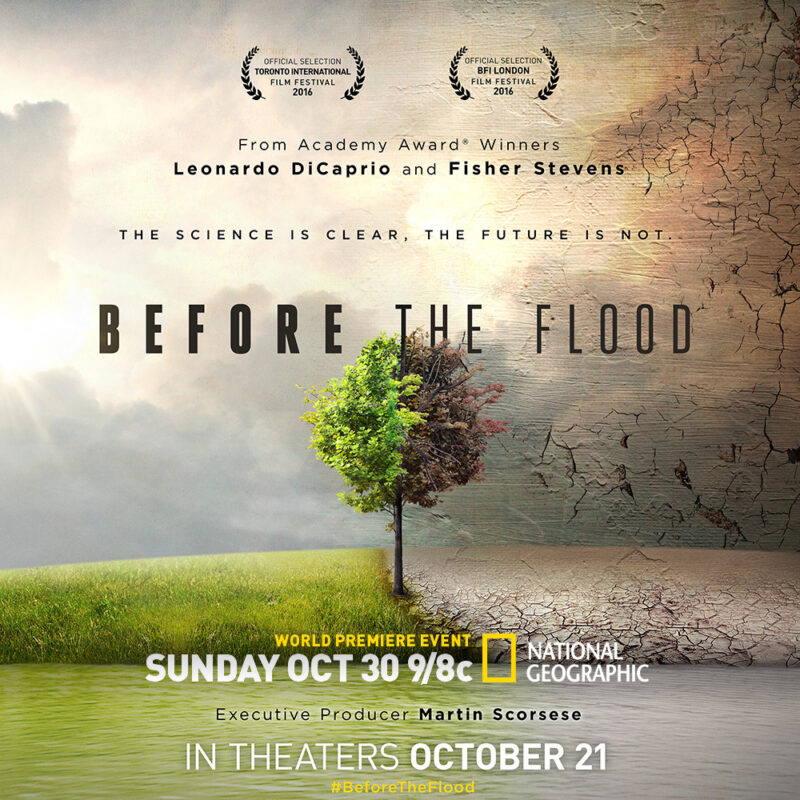
Theme: Climate change fundamentals Available on: Youtube
This documentary works as an entry point because it focuses on systems rather than symptoms. It explains how fossil fuels, deforestation, and industrial growth drive climate change, while also showing why political and economic structures slow down meaningful action.
What makes it valuable is its clarity. Climate change is framed not as a future threat, but as a present reality shaped by human decisions. For anyone trying to understand the basics without technical overload, this is a solid place to start.

Theme: Soil, carbon, and regeneration Available on: Amazon Prime
Climate conversations often focus on emissions and energy, but this documentary shifts attention to soil. It explains how degraded land, industrial farming, and carbon cycles are deeply linked, and how regenerating soil can help restore ecosystems while supporting food security.
This film matters because it reframes agriculture from being only a problem to being part of the solution. It also introduces climate action that is local, practical, and already happening.
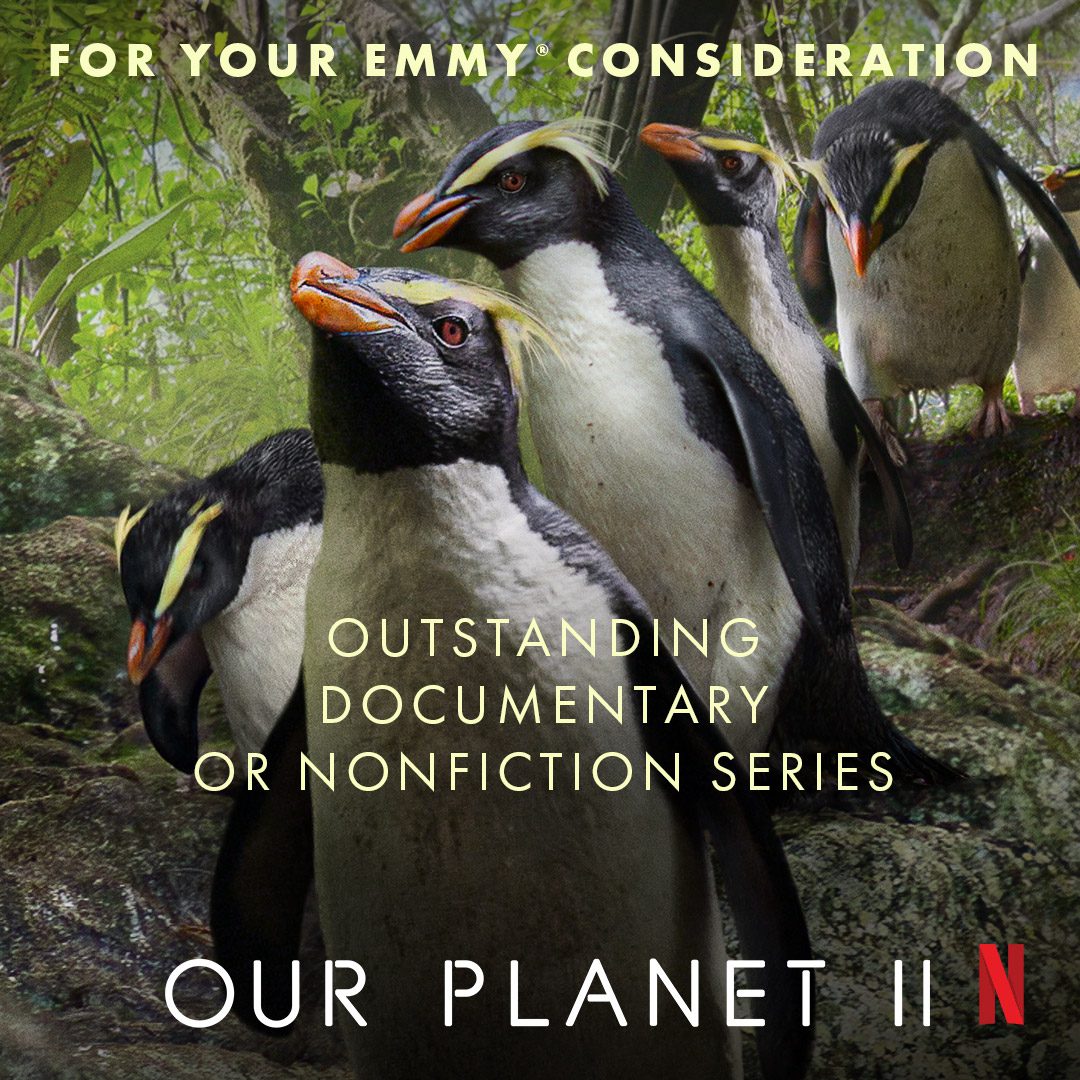
Theme: Biodiversity and ecosystems Available on: Netflix
This series explores forests, oceans, grasslands, and polar regions while connecting wildlife loss directly to human activity. It shows how climate change, land use, and consumption patterns affect ecosystems across the planet.
Beyond the visuals, its strength lies in making biodiversity loss understandable as a systemic issue. Species decline is not isolated. It is a consequence of how economies and lifestyles interact with nature.

Theme: Food systems and emissions Available on: Youtube
Food is one of the most overlooked climate drivers. This documentary examines the environmental impact of industrial animal agriculture, including deforestation, water use, and greenhouse gas emissions.
While provocative, its core value lies in opening a conversation about food systems as climate systems. It helps viewers understand why diet is not just a personal choice, but a structural factor shaping land, water, and climate outcomes.

Theme: Plastic pollution and oceans Available on: Netflix
Plastic pollution is often framed as a waste problem. This documentary shows it is also a design and production problem. By tracing plastic from everyday use to ocean ecosystems, it reveals how deeply plastics have entered natural and human systems.
It also helps explain why recycling alone cannot solve plastic pollution, making it an important watch for understanding consumption beyond individual responsibility.

Theme: Air pollution and public health Available on: Amazon Prime Video
Air pollution is invisible but deadly. This documentary focuses on urban air quality and its direct links to respiratory and cardiovascular health. It explains how PM2.5, vehicle emissions, and industrial pollution affect daily life, especially in dense cities.
For audiences in India and the Global South, this film is particularly relevant. It frames air pollution as a public health crisis shaped by urban planning and policy, not just weather or seasonal events.

Theme: Water scarcity and human impact Available on: Amazon Prime Video
Watermark explores humanity’s relationship with water through dams, irrigation, and industrial use across continents. It shows water as both a life sustaining element and a heavily engineered resource.
This documentary helps viewers understand why water scarcity is not only about rainfall, but about governance, infrastructure, and demand. It quietly reveals how deeply human systems reshape natural cycles.

Theme: Environmental justice Available on: Netflix
Environmental harm is not evenly distributed. This documentary focuses on communities facing toxic pollution from industrial activity, showing how race, income, and power shape environmental outcomes.
It adds a crucial social layer to environmental understanding. Climate and pollution are not just ecological issues. They are justice issues tied to who benefits and who bears the cost.
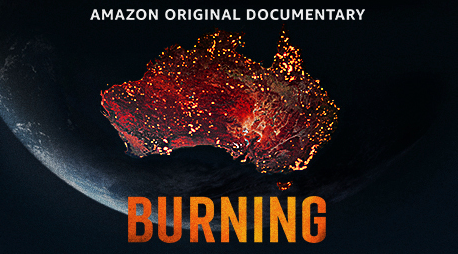
Theme: Climate extremes and disasters Available on: Amazon Prime Video
Using the Australian bushfires as its lens, this documentary shows how climate change intensifies natural disasters. It captures fire not as an isolated event, but as a symptom of warming temperatures, drought, and land management choices.
It helps viewers understand why extreme events are becoming more frequent and severe, and why adaptation is now as important as mitigation.

Theme: Climate solutions and the future Available on: Amazon Prime Video
Ending with solutions matters. This documentary explores existing pathways across renewable energy, food systems, transport, and urban design that could shape a low carbon future.
Its strength lies in showing that many solutions already exist. The challenge is not invention, but scale and adoption. It leaves viewers informed rather than overwhelmed.
Environmental documentaries can be heavy. Watching them back to back without context can create fatigue rather than clarity.
A better approach is intentional viewing. Treat each documentary as a lens. One on climate systems. One on food. One on air. Let understanding build gradually.
These films are not calls to perfection. They are tools for perspective.
Reports give data. News gives updates. Documentaries give context.
They slow things down enough for patterns to emerge. They show how daily choices connect to global systems. And they help move environmental issues out of abstraction and into lived reality.
Understanding the planet is not about knowing everything. It is about seeing connections clearly. These documentaries help do exactly that.
Environmental documentaries translate complex climate science into human stories and systems people can relate to. They help viewers understand not just what is happening, but why it is happening and how different environmental issues are interconnected.
Documentaries are not substitutes for scientific reports, but strong ones are grounded in peer reviewed research and expert testimony. Their role is interpretation and communication, making science accessible without requiring technical expertise.
Credible environmental documentaries clearly reference scientific evidence, avoid sensational claims, and present systems rather than single villains. Films that acknowledge complexity tend to age better and offer more accurate understanding.
Many early climate documentaries focused heavily on crisis, but newer films increasingly highlight solutions, adaptation, and resilience. A balanced documentary helps viewers understand risks while also showing pathways forward.
While documentaries do not create policy directly, they influence public discourse by shaping how issues are understood. Over time, this can affect political pressure, corporate accountability, and cultural norms around sustainability.
Every documentary has a perspective, but bias becomes problematic only when evidence is selectively presented. High quality films are transparent about their viewpoint while still engaging with established science and multiple perspectives.
Research suggests documentaries are more effective at changing awareness than behaviour. Their real impact lies in building long term understanding, which can gradually influence choices, conversations, and civic engagement.
Environmental documentaries are best watched critically and selectively. Viewing them as learning tools rather than calls for immediate action helps prevent burnout and encourages thoughtful engagement rather than emotional overload.
Related Categories
Share this blog


