

© 2026 Made for Planet • Privacy Policy • Terms & Conditions
Platform by Mission Sustainability
By Rittika rana • Feb 27, 2026
Modern life generates waste at a scale that most of us never see — because it disappears the moment the garbage truck drives away.
Globally, humanity generates over 2 billion tonnes of municipal solid waste every year, and that number is projected to increase to 3.4 billion tonnes by 2050, according to the World Bank in its What a Waste 2.0 report. A significant portion of that waste ends up in landfills — engineered sites designed to contain discarded materials but increasingly recognised as environmental risk zones rather than sustainable solutions.
Reducing landfill waste is not about radical minimalism. It is about reducing the amount of material we send into a system that produces methane, locks up resources, and occupies land for decades.
This guide explores how landfills work, why they matter for climate change, and — most importantly — how you can meaningfully reduce your contribution to them.
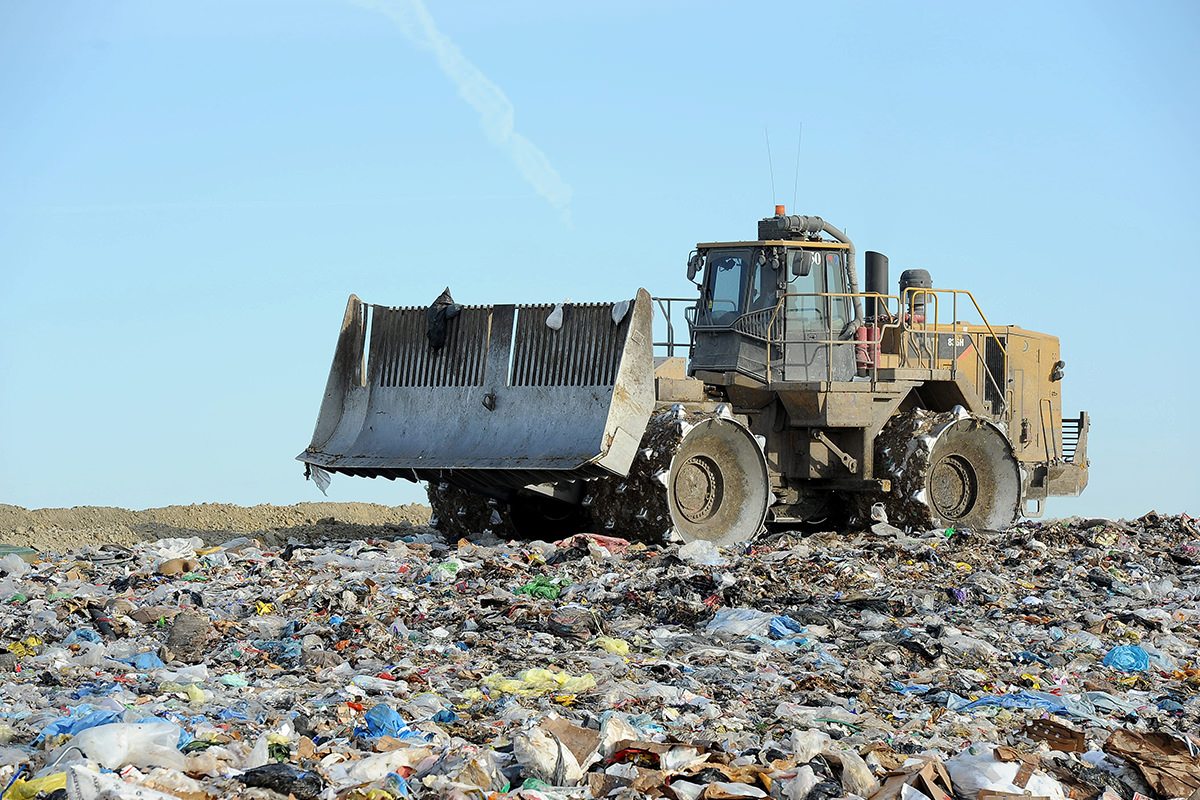
Landfills are not open dumps. Modern sanitary landfills are engineered with liners, leachate collection systems, and gas capture infrastructure. However, even with these controls, they are far from environmentally neutral.
When organic waste such as food scraps decomposes in the oxygen-poor environment of a landfill, it produces methane — a greenhouse gas that is over 80 times more powerful than carbon dioxide over a 20-year period, according to the United Nations Environment Programme Global Methane Assessment.
The U.S. Environmental Protection Agency identifies municipal solid waste landfills as one of the largest sources of methane emissions from the waste sector. Even with methane capture systems, leaks and incomplete recovery remain common.
Beyond greenhouse gases, landfills also produce:
Leachate, a liquid formed when rainwater filters through waste and extracts contaminants.
Long-term soil occupation.
Potential groundwater contamination if liners degrade over time.
Landfills are a management strategy — not a sustainable end-point.
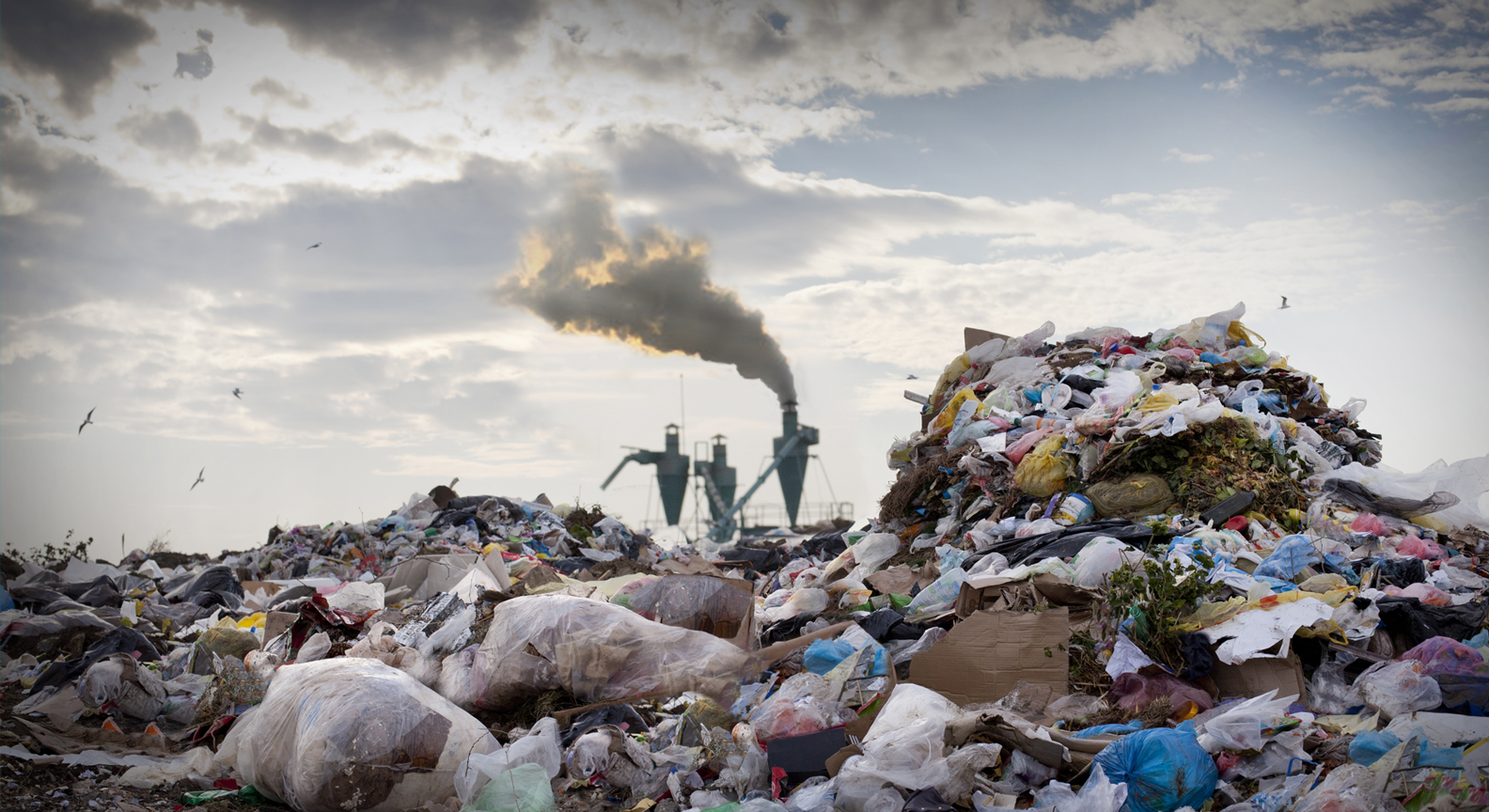
Methane emissions from landfills represent one of the fastest ways we can reduce near-term warming. Because methane has a shorter atmospheric lifespan than carbon dioxide, cutting methane emissions can deliver relatively rapid climate benefits.
The Intergovernmental Panel on Climate Change has repeatedly highlighted methane reduction as a critical climate mitigation strategy.
Organic waste diversion — primarily through composting — is considered one of the most effective interventions in the waste sector.
Reducing landfill waste is therefore not just a cleanliness issue. It is a climate action strategy.
Let’s move from systems to solutions.

Food and organic waste account for nearly 44% of global municipal waste, according to the World Bank.
When composted properly, organic matter decomposes aerobically (with oxygen), producing carbon dioxide instead of methane and returning nutrients to soil.
Home composting Backyard bins, tumblers, or simple pit composting.
Apartment-friendly systems Bokashi composting or compact aerobic bins.
Community composting programs Many cities now offer shared compost collection.
The Food and Agriculture Organization notes that compost improves soil structure, water retention, and nutrient availability — reducing the need for synthetic fertilisers.
Even composting just vegetable peels, fruit scraps, coffee grounds, and garden waste significantly reduces landfill volume.

Packaging waste — especially plastic — represents a major share of landfill material.
According to research from the Ellen MacArthur Foundation, most plastic packaging is used once and discarded, with a large fraction either landfilled or leaked into the environment.
Rather than relying solely on recycling, prioritise reduction:
Recycling is important — but reduction prevents waste from entering the system in the first place.
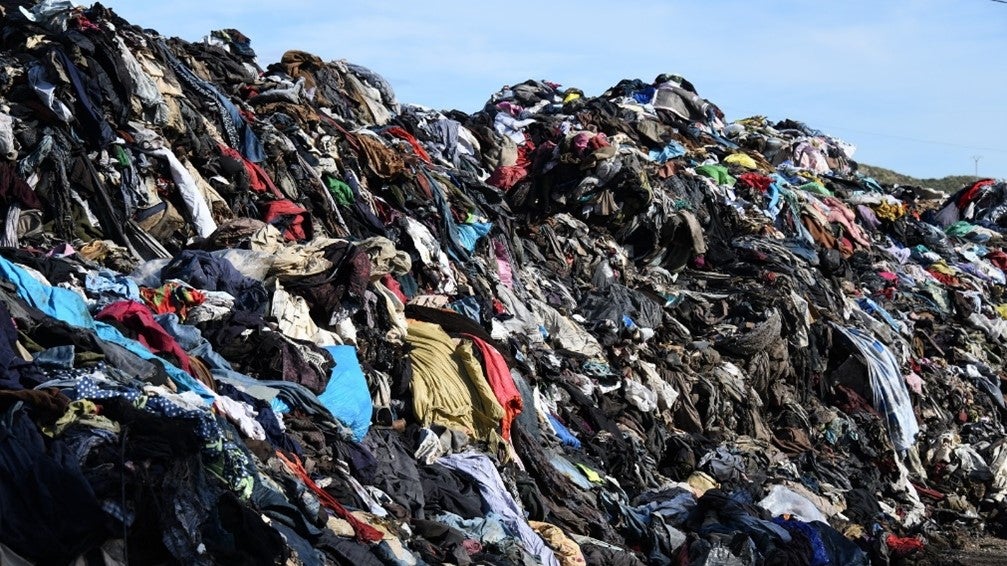
Textile waste is one of the fastest-growing waste streams globally. Millions of tonnes of clothing are discarded annually, much of it ending up in landfills.
The UN Environment Programme highlights the environmental burden of the fashion sector — including waste generation and synthetic fibre pollution.
Synthetic fabrics such as polyester do not biodegrade easily. When landfilled, they can persist for decades or centuries.
Reduce Clothing Waste By:
Durability directly reduces landfill dependency.
A core principle of the circular economy — strongly advocated by the Organisation for Economic Co-operation and Development — is extending product life cycles.
Disposable culture fuels landfill growth.
Before purchasing, ask:
Durability is climate strategy disguised as consumer choice.

Globally, roughly one-third of food produced for human consumption is lost or wasted, according to the Food and Agriculture Organization.
When wasted food enters landfills, it becomes a methane generator.
Practical habits include:
Reducing food waste protects both climate and household budgets.
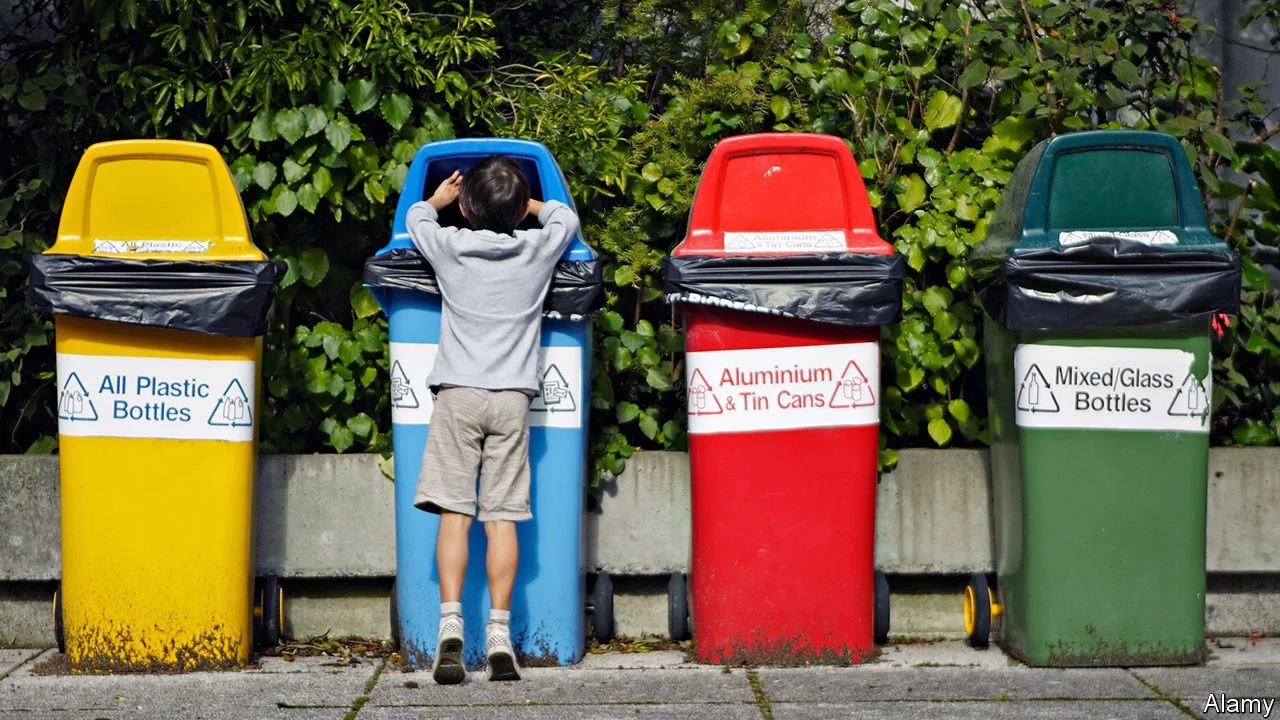
Contaminated recyclables often get diverted to landfills.
Segregate waste into:
The United Nations Environment Programme consistently emphasises improved waste segregation as a key step toward sustainable waste management.
Good segregation multiplies the impact of recycling systems.

Reducing landfill waste is not only about disposal — it’s about rethinking ownership and material flows.
Circular practices include:
The Ellen MacArthur Foundation defines the circular economy as a system that keeps materials in use and regenerates natural systems.
Landfills represent linear failure. Circular systems represent design success.

“Modern landfills capture all methane.”
False. Gas capture systems are imperfect. Emissions leakage remains significant, as acknowledged by the U.S. Environmental Protection Agency.
“Recycling solves the landfill problem.”
Recycling helps — but reduction and reuse are higher in the waste hierarchy promoted by the European Commission.
“Individual actions don’t matter.”
Household waste streams collectively shape national waste profiles. Systemic change often begins with consumer behaviour shifts.
Landfills are not simply waste storage sites — they are physical manifestations of a linear economy:
Take → Make → Dispose.
Reducing landfill waste is about participating in a broader shift:
Reduce → Reuse → Regenerate.
The climate crisis, biodiversity loss, and resource depletion are interconnected challenges. Waste reduction touches all three.
The Intergovernmental Panel on Climate Change has repeatedly emphasised that lifestyle changes — especially in high-consumption societies — play a meaningful role in emission reduction pathways.
Reducing landfill waste is a tangible, accessible entry point into climate action.
You do not need to eliminate waste entirely to make a difference.
Start with composting.
Landfills shrink when the flow toward them slows.
And that shift begins at home.
Perfect. For this topic, FAQs are extremely important — they help you rank for:
Waste in a landfill is compacted and buried in layers. Organic materials decompose without oxygen, producing methane, a potent greenhouse gas. Non-biodegradable materials like plastic can remain there for hundreds of years.
Landfills contribute to methane emissions, which accelerate climate change. They can also produce leachate that contaminates soil and groundwater if not properly managed, and they occupy large areas of land for decades.
Composting diverts organic waste from landfills, allowing it to decompose with oxygen instead of producing methane. It also returns nutrients to the soil, improving soil health and reducing the need for chemical fertilisers.
The time varies by material. Food waste may break down in months, but plastics can persist for 400 years or more. Synthetic textiles and disposable products can also remain for decades.
Recycling helps, but it is not enough on its own. Reducing consumption and reusing products are more effective because they prevent waste from being created in the first place. Not all materials are recyclable, and contamination often sends recyclables to landfills.
Globally, organic waste (food and garden waste) makes up the largest share of municipal solid waste. Packaging materials — especially plastic — are also major contributors to landfill volume.
You can reduce landfill waste by composting food scraps, buying products with less packaging, choosing durable goods, repairing items instead of replacing them, and properly segregating recyclables.
Not always. Many biodegradable or compostable products require oxygen and specific conditions to break down properly. In landfills, where oxygen is limited, they may decompose slowly and still produce methane.
A landfill is an engineered facility with liners and gas management systems designed to reduce environmental harm. An open dump lacks these controls and poses higher risks of pollution and health hazards.
Landfills are a major source of methane emissions. By reducing organic waste and overall consumption, individuals can help lower methane production and reduce their climate impact.
Related topics
Related Categories
Share this blog


