

© 2026 Made for Planet • Privacy Policy • Terms & Conditions
Platform by Mission Sustainability
By Rittika rana • Jan 15, 2026
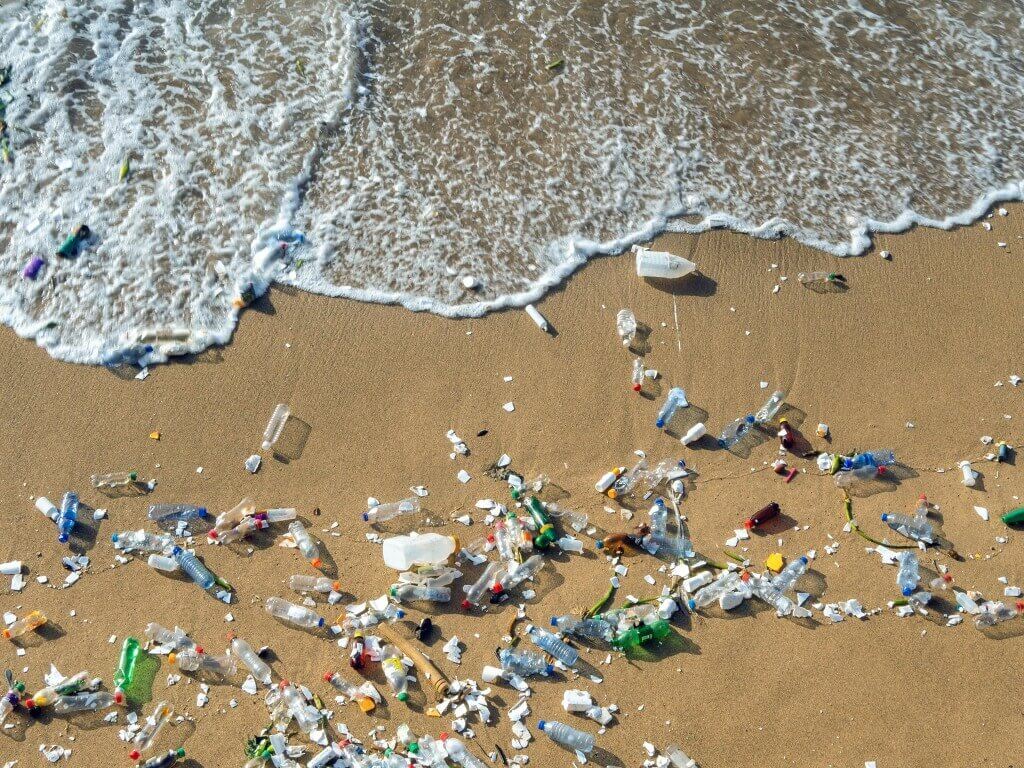
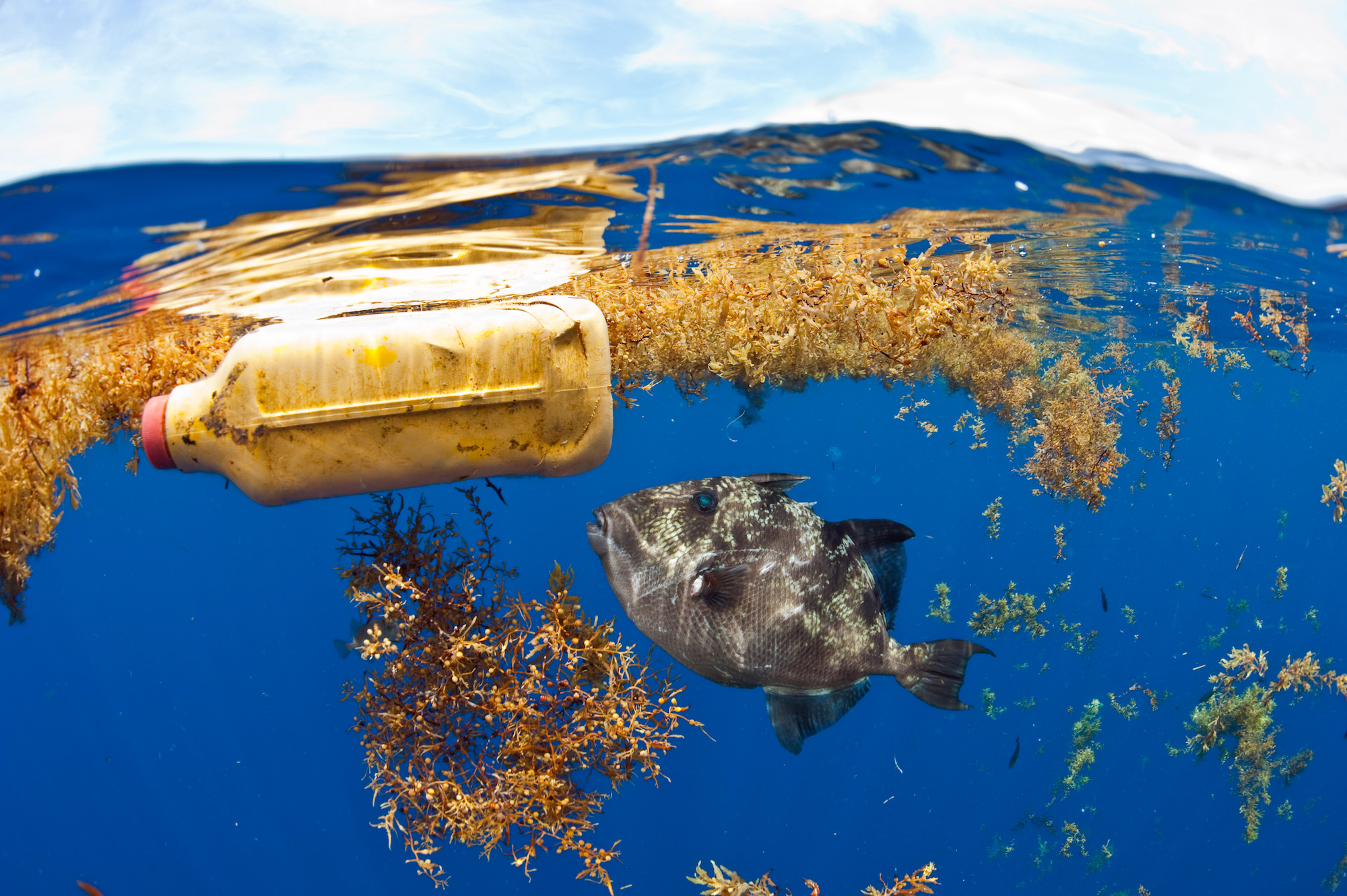
The ocean is Earth’s most powerful life-support system. It regulates climate, produces a significant share of the oxygen we breathe, feeds billions of people, and supports extraordinary biodiversity. Yet beneath its vast surface, a slow and often invisible crisis is unfolding. Marine pollution has transformed many parts of the ocean into repositories for waste, chemicals, and disruptive human activity.
A growing body of environmental research on marine pollution shows that most contaminants entering the ocean originate on land and accumulate gradually, making the damage harder to detect but far more destructive over time.
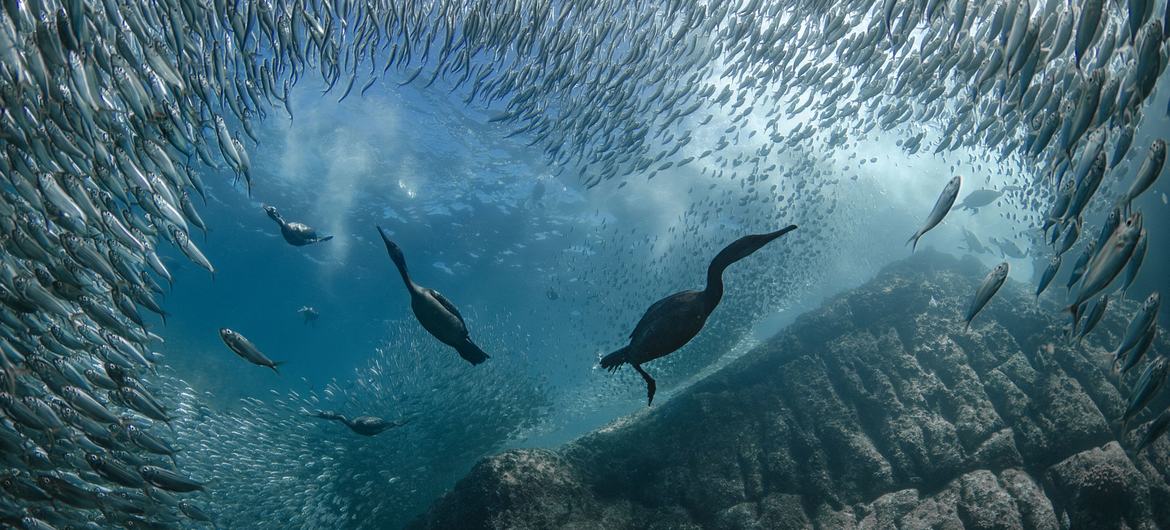
Marine pollution refers to the introduction of harmful substances or energy into oceans, seas, and coastal waters, resulting in ecosystem degradation, biodiversity loss, and risks to human health. These pollutants may be solid, liquid, or invisible, such as chemical runoff or underwater noise.
Scientifically, marine pollution encompasses plastic waste, oil, sewage, industrial chemicals, radioactive materials, excess nutrients, and sound pollution that disrupts marine life behaviour.
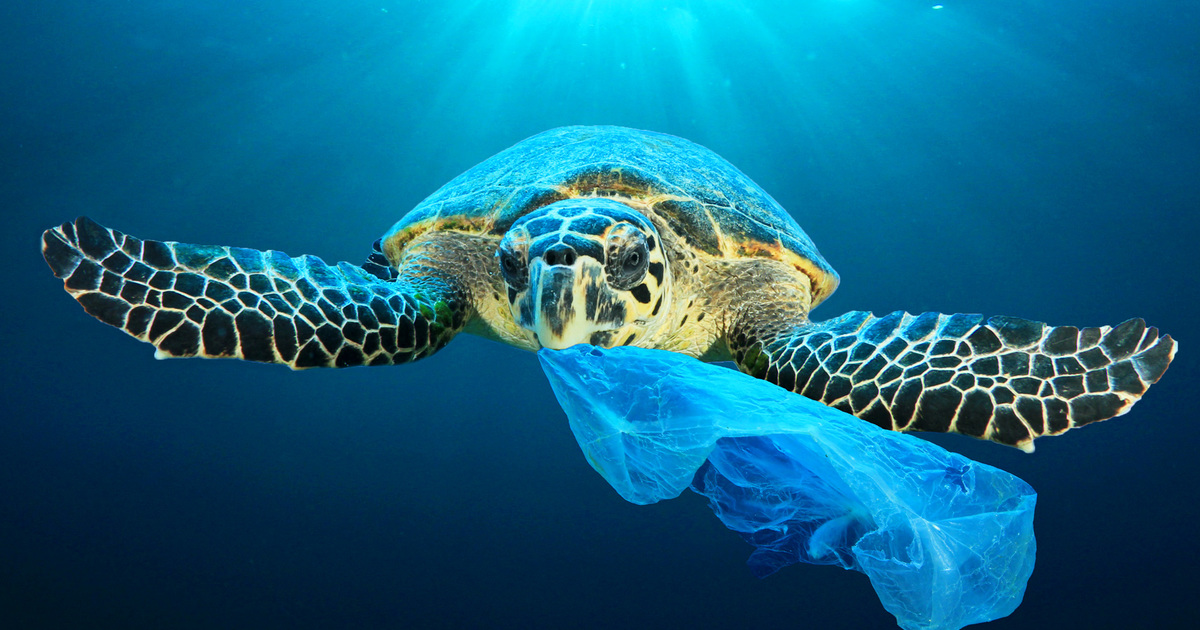
When we think of marine pollution, plastic waste often comes to mind—but the reality is far more complex. Our oceans face multiple forms of pollution, many of which are invisible yet deeply harmful to marine ecosystems, human health, and coastal livelihoods. Here’s a clear breakdown of the major types of marine pollution beyond plastic.

Sewage and wastewater pollution occurs when untreated or poorly treated domestic, industrial, and commercial wastewater is discharged into rivers, lakes, and oceans. This type of pollution is a major but often overlooked threat to marine and coastal ecosystems.
Sewage and wastewater include water carrying human waste, food residues, chemicals, detergents, oils, and pathogens. When released into natural water bodies without adequate treatment, they contaminate water quality and disrupt aquatic life.
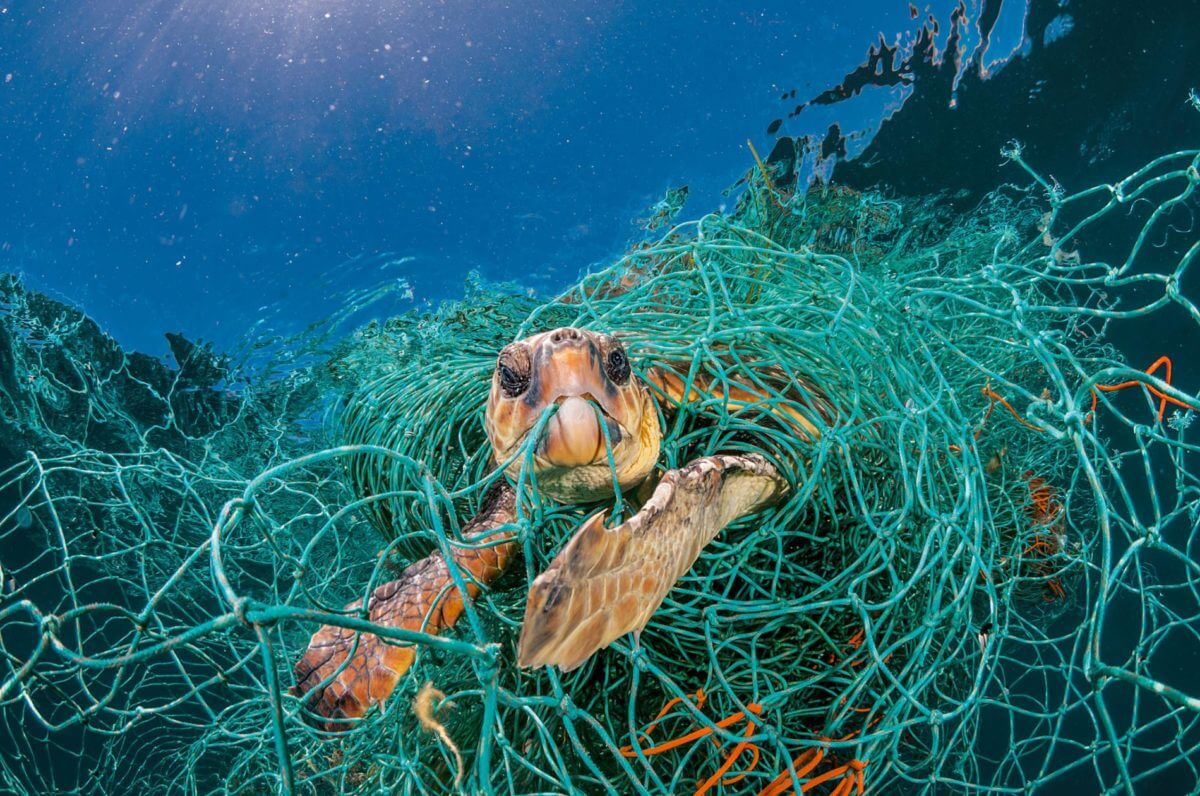
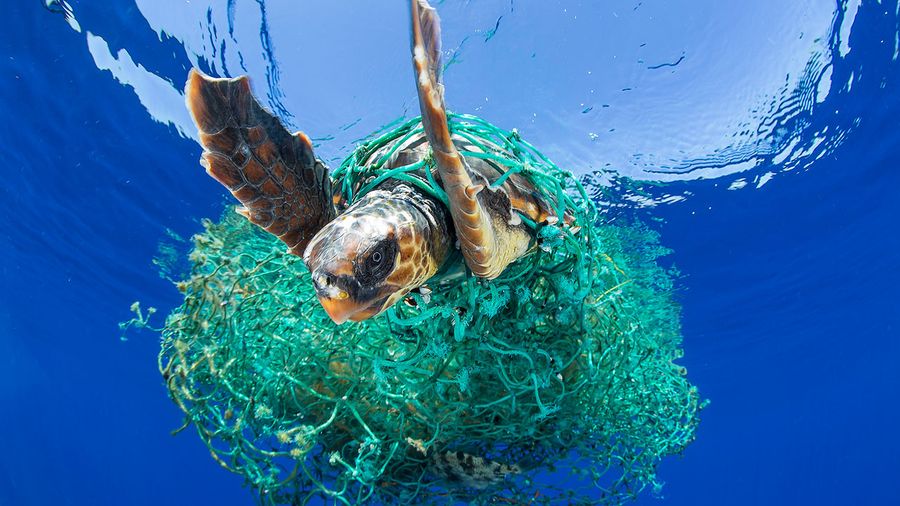
Plastic debris, fishing gear, and microplastics persist in marine environments for centuries, fragmenting into smaller particles that are easily ingested by marine organisms.
Plastic pollution is the accumulation of plastic waste in the environment—especially in oceans, rivers, soil, and urban areas—that causes harm to wildlife, ecosystems, and human health. Because most plastics are designed to be durable, they do not decompose naturally. Instead, they persist for hundreds of years, breaking down into smaller fragments called microplastics.

Toxic chemicals from agriculture, industry, and sewage alter water chemistry and disrupt marine ecosystems, contributing to oxygen depletion and harmful algal blooms.
Chemical pollution refers to the presence of toxic synthetic or natural chemicals in water bodies at levels that disrupt ecological balance. These substances often persist for long periods and can accumulate in living organisms.
Excess nitrogen and phosphorus—mainly from fertilizers—cause algal blooms. When algae die, their decomposition consumes oxygen, creating “dead zones” where marine life cannot survive.
Nutrient pollution is the over-enrichment of water with nutrients that stimulate excessive growth of algae and aquatic plants. This process often leads to eutrophication, which severely degrades water quality.
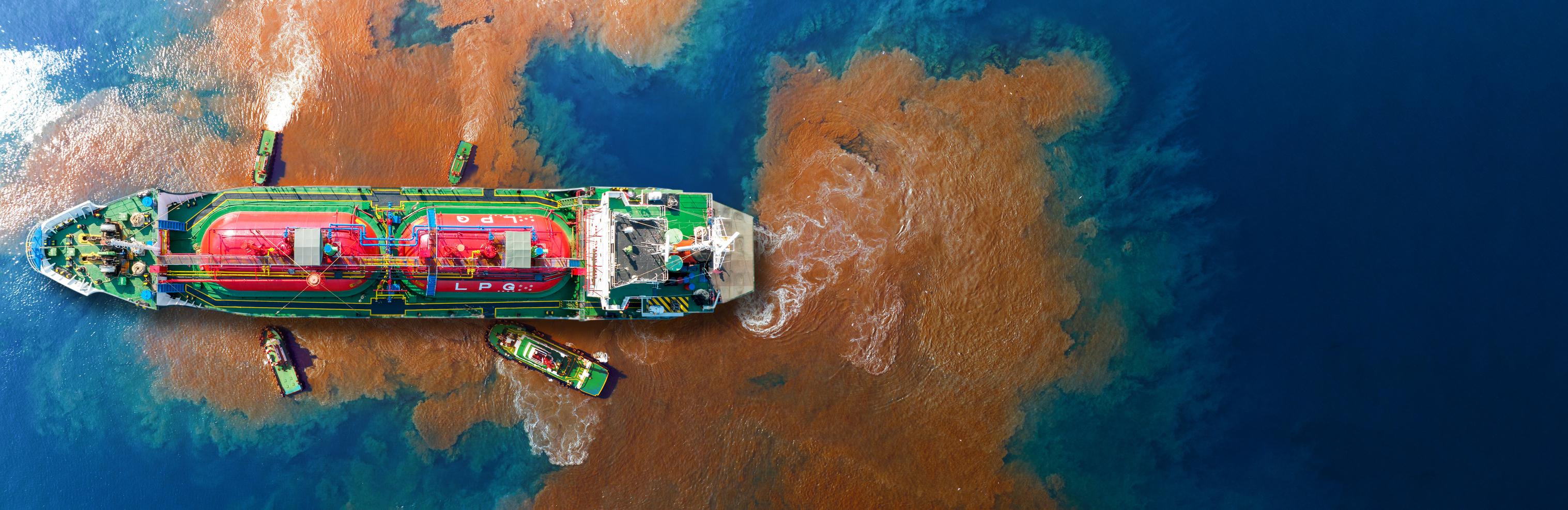
Oil spills from tankers, offshore drilling, and routine ship operations release crude oil and petroleum products into the sea. Even small leaks can coat marine life, damage coral reefs, and disrupt food chains for decades.
Underwater noise from shipping, sonar, and drilling interferes with marine animals that rely on sound for communication and navigation.
These pollution categories frequently overlap and intensify one another, a pattern consistently observed across marine pollution sources and impacts.
Though less common, radioactive substances from nuclear tests, accidents, or waste disposal can contaminate marine environments.
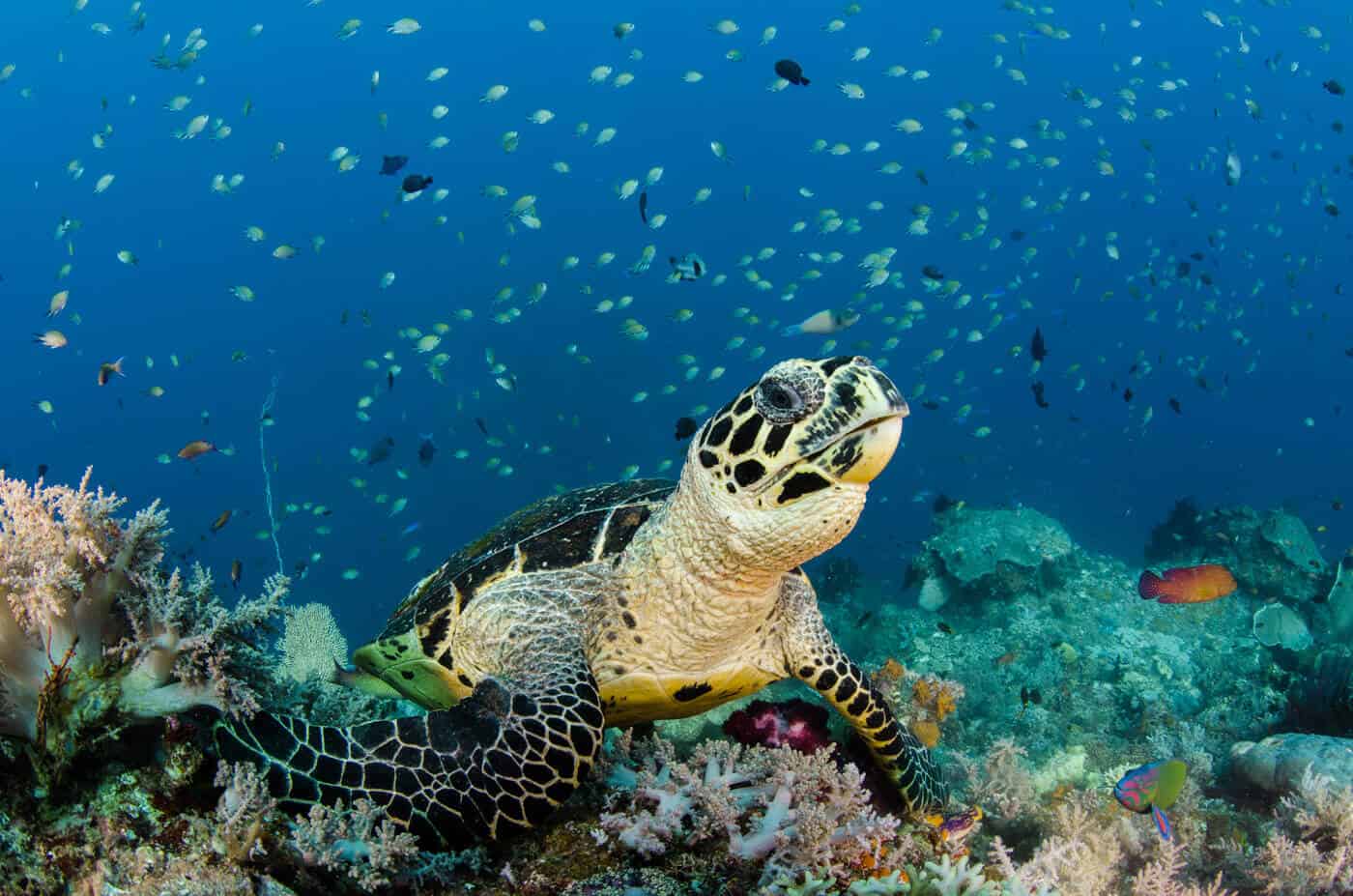
Marine pollution is largely a land-based problem. Waste from cities, farms, and industries is transported by rainwater into rivers and drainage systems that ultimately flow into oceans. Coastal areas experience the most immediate impact due to population density and inadequate wastewater treatment.
This land-to-sea connection is central to understanding marine pollution pathways and why prevention must begin far inland.

Marine pollution alters ocean ecosystems in profound ways:
Fish ingest microplastics that accumulate in tissues
Coral reefs weaken when exposed to toxins and sediment
Seabirds and turtles suffer fatal plastic ingestion
Marine mammals experience stress and disorientation
Global observations documented in ocean pollution impacts on wildlife show that pollution-related harm now affects nearly every marine ecosystem on Earth.

Pollutants introduced at the base of the ocean ecosystem do not remain isolated. Through a process known as bioaccumulation, toxins and microplastics move upward through the marine food web, becoming more concentrated in larger species consumed by humans.
Growing concern around microplastics in food and drinking water highlights the potential long-term health risks of polluted oceans.
Marine pollution places heavy economic pressure on coastal and global economies:
Declining fish stocks threaten livelihoods
Polluted beaches reduce tourism income
Cleanup operations require billions in public funding
Coastal infrastructure faces long-term degradation
The economic burden of ocean contamination is increasingly recognised in global marine pollution assessments.
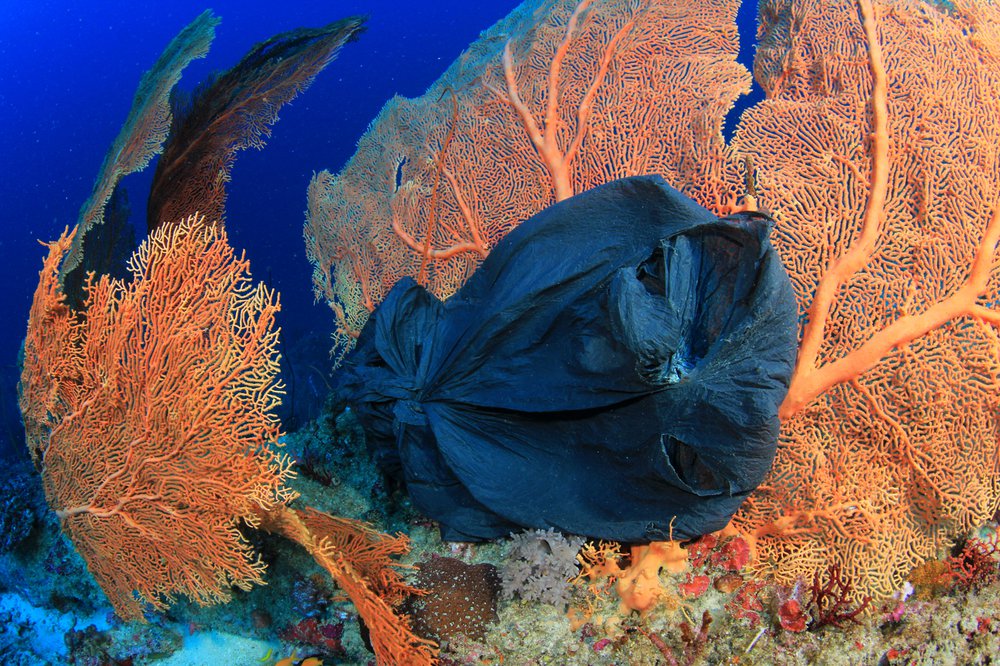
Oceans act as one of the planet’s largest carbon sinks, absorbing heat and greenhouse gases. Pollution weakens this function by damaging phytoplankton, coral reefs, and marine vegetation. As a result, polluted oceans become less effective at regulating climate.
This interaction between pollution and warming is a growing concern within the ocean and climate system.

Despite the scale of the crisis, meaningful solutions exist:
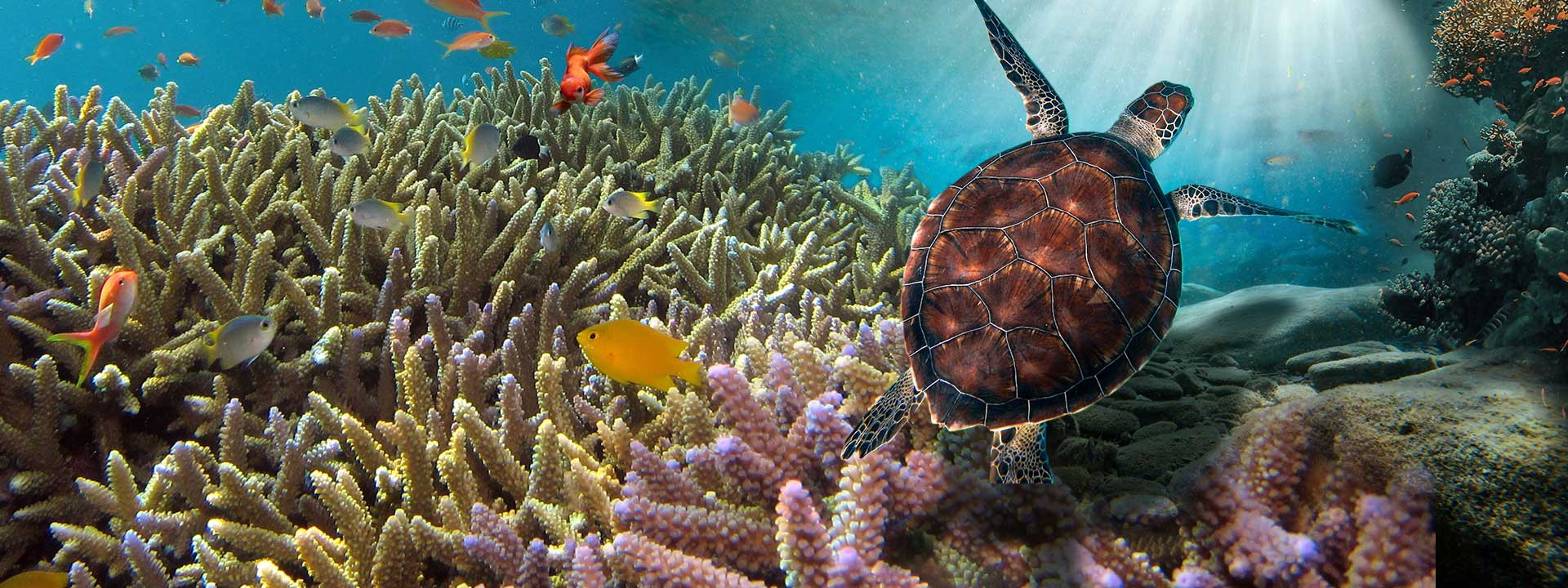
Modern wastewater treatment and improved recycling systems dramatically reduce marine contamination.
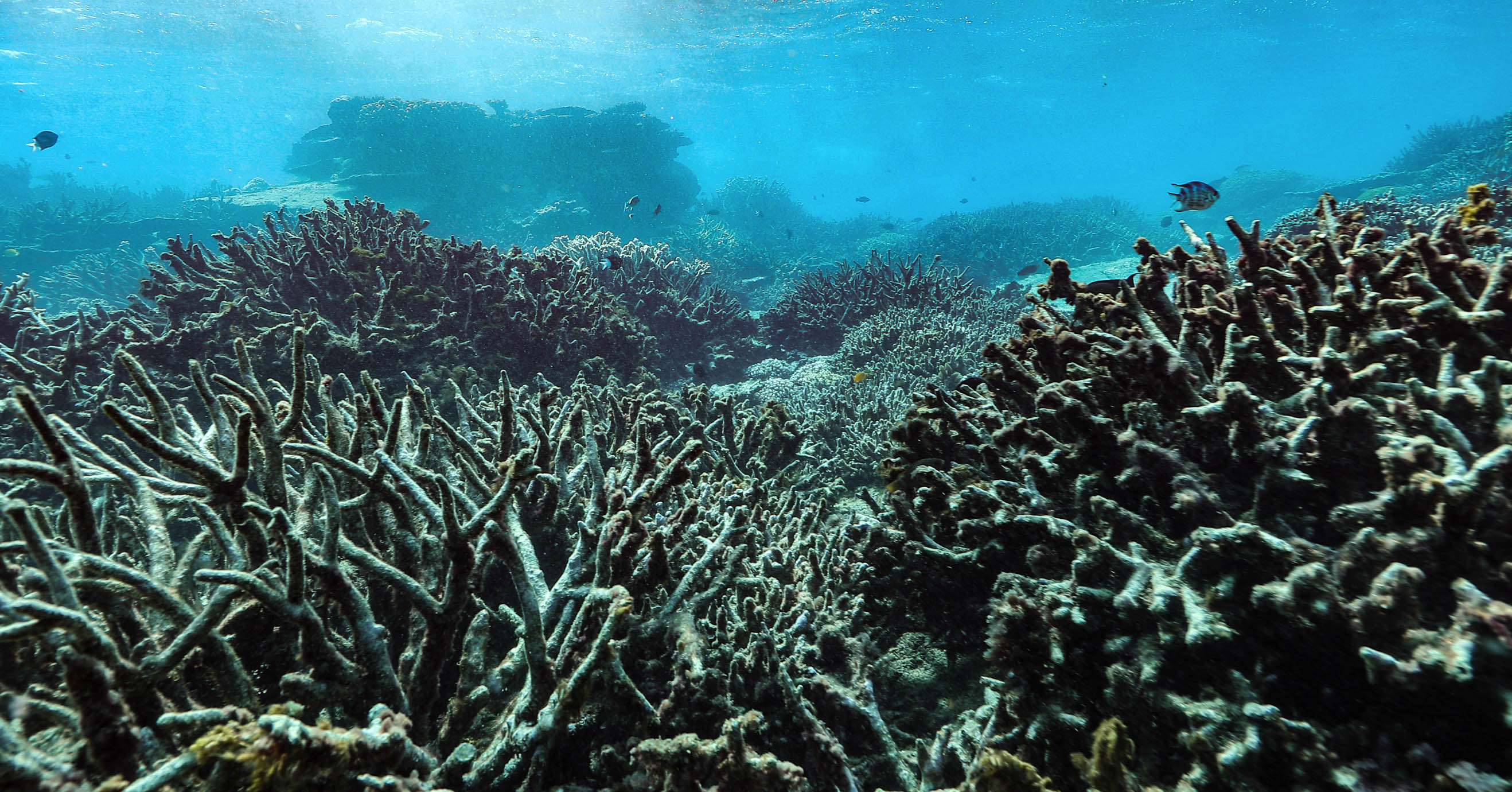
Plastic bans, discharge controls, and marine protection laws help curb pollution at its source.

Cleanup systems, biodegradable materials, and circular economy models offer scalable solutions.

Responsible fishing, shipping, and coastal development reduce long-term ecosystem damage. Long-term prevention remains more effective than post-damage cleanup, a principle central to marine pollution prevention strategies.
Individual actions collectively shape ocean health:
Reduce single-use plastics
Dispose waste responsibly
Support sustainable seafood
Participate in beach and river cleanups
Advocate for environmental protection
Community-led efforts such as coastal cleanup initiatives demonstrate how local action can deliver measurable results.
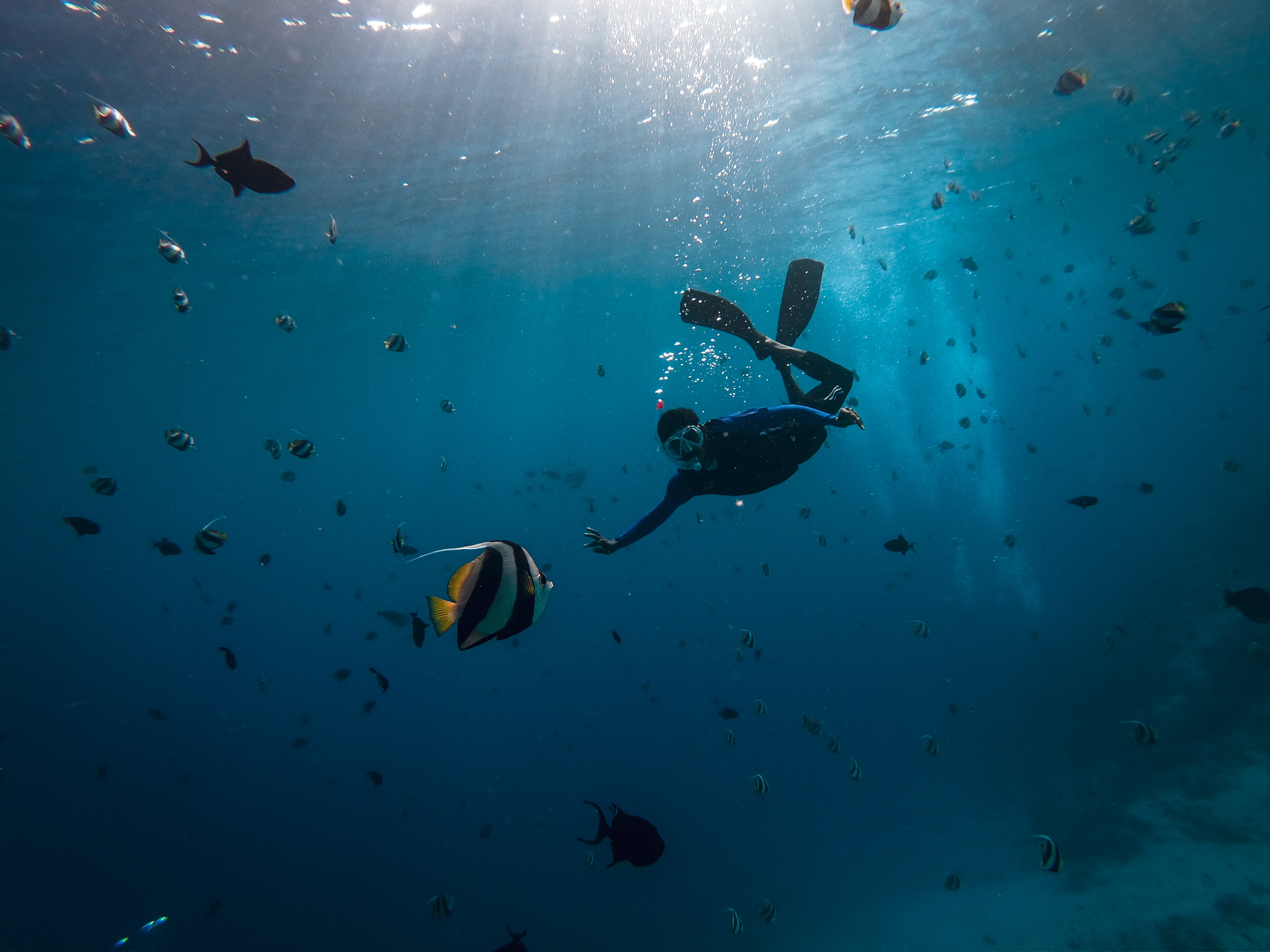
Marine pollution is one of the defining environmental challenges of our time. While the damage is extensive, it is not irreversible. Oceans have an extraordinary capacity to recover when pollution is reduced and ecosystems are protected. Informed choices, strong governance, innovation, and collective responsibility can still change the course of ocean health. The future of the oceans—and life on Earth—depends on how quickly we act.
Marine pollution refers to the contamination of oceans and seas by harmful substances such as plastic waste, chemicals, oil, and sewage. These pollutants damage marine ecosystems and threaten ocean life.
The main causes include plastic waste, industrial and agricultural runoff, oil spills, untreated sewage, and underwater noise from shipping and drilling activities.
Marine pollution spreads across borders through ocean currents, affecting ecosystems, food chains, and coastal communities worldwide. Its impacts are long-lasting and difficult to reverse.
Marine animals ingest plastic, absorb toxins, and suffer habitat damage, leading to injury, reproductive failure, and death. Many species are now at risk due to continuous pollution exposure.
Pollutants enter the human body through seafood and contaminated water, increasing exposure to toxins and microplastics that may cause long-term health issues.
Plastic is the most visible form of marine pollution, but chemical runoff, sewage discharge, oil spills, and noise pollution also significantly harm marine environments.
Yes, marine pollution can be reduced through better waste management, stricter regulations, sustainable consumption, and early intervention to stop pollutants from reaching oceans.
Pollution damages marine ecosystems that absorb carbon dioxide, reducing the ocean’s ability to regulate climate and accelerating global warming.
Individuals can reduce plastic use, dispose waste responsibly, choose sustainable seafood, and support environmental conservation efforts to protect ocean health.
Oceans can recover if pollution is significantly reduced and ecosystems are restored, but delayed action increases the risk of permanent environmental damage.
Related topics
Related Categories
Share this blog


