
© 2026 Made for Planet • Privacy Policy • Terms & Conditions
Platform by Mission Sustainability
By Rittika rana • Jan 28, 2026
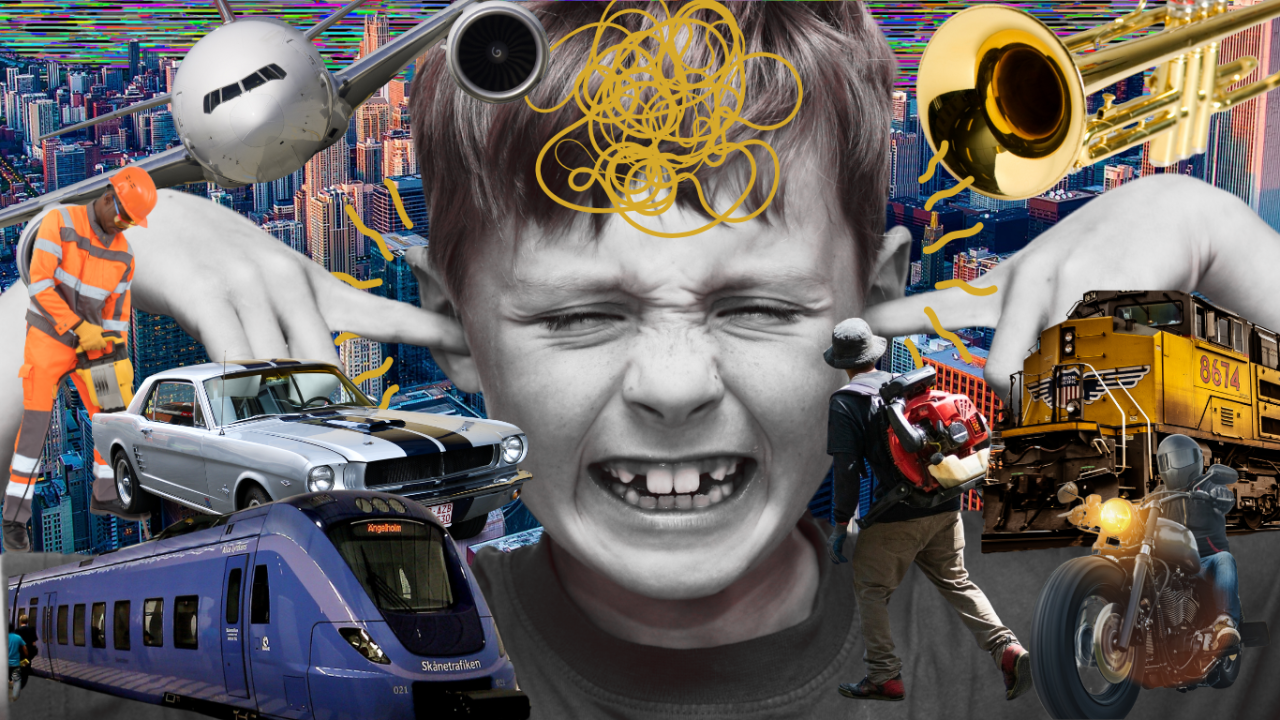
Noise has become an inseparable part of modern life. From traffic-filled streets to construction sites and crowded urban spaces, unwanted sound is now a constant presence. While often dismissed as a minor inconvenience, noise can have serious consequences for human health, wildlife, and overall quality of life. Understanding the causes of noise pollution is the first step toward addressing a problem that is steadily intensifying with urbanisation and industrial growth.
Noise pollution refers to excessive or disruptive sound that interferes with normal activities, rest, and well-being. Unlike other forms of pollution, noise leaves no visible trace, yet its impact is immediate and cumulative. As cities expand and lifestyles change, identifying the sources of noise pollution becomes increasingly important.
Noise pollution is defined as unwanted or harmful sound that disrupts human and environmental health. Sound becomes pollution when it exceeds acceptable levels or occurs at inappropriate times, such as during night hours.
Environmental and health studies show that prolonged exposure to high noise levels can cause stress, sleep disturbances, hearing loss, and cardiovascular problems. Despite these effects, noise pollution often receives less attention than air or water pollution.
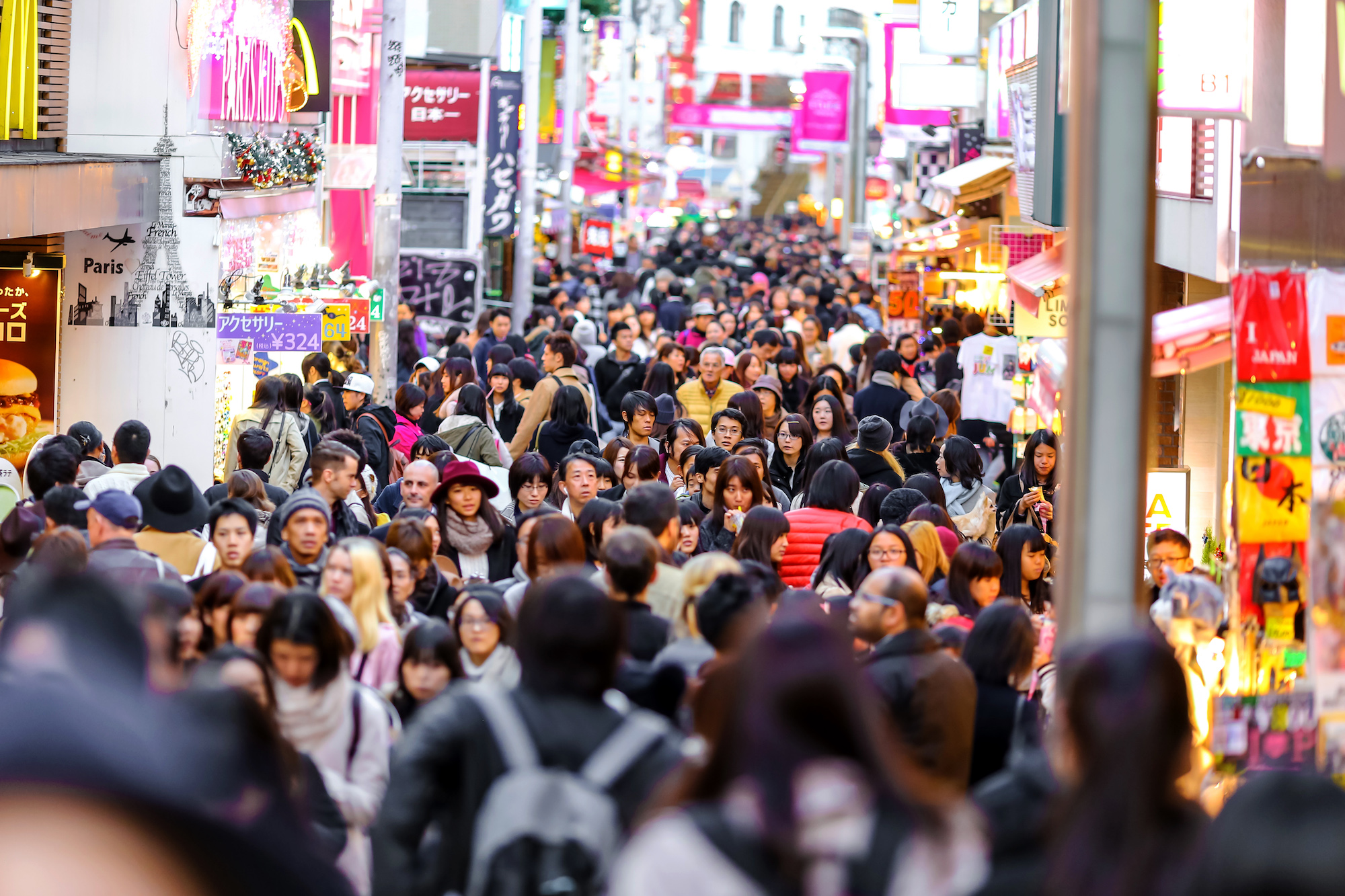
One of the most significant causes of noise pollution is rapid urbanisation. As populations concentrate in cities, the density of vehicles, buildings, and human activity increases dramatically. Urban environments amplify sound through concrete surfaces and narrow streets, intensifying noise exposure.
Research on urban environmental noise highlights how city growth directly correlates with rising noise levels, particularly in developing regions.

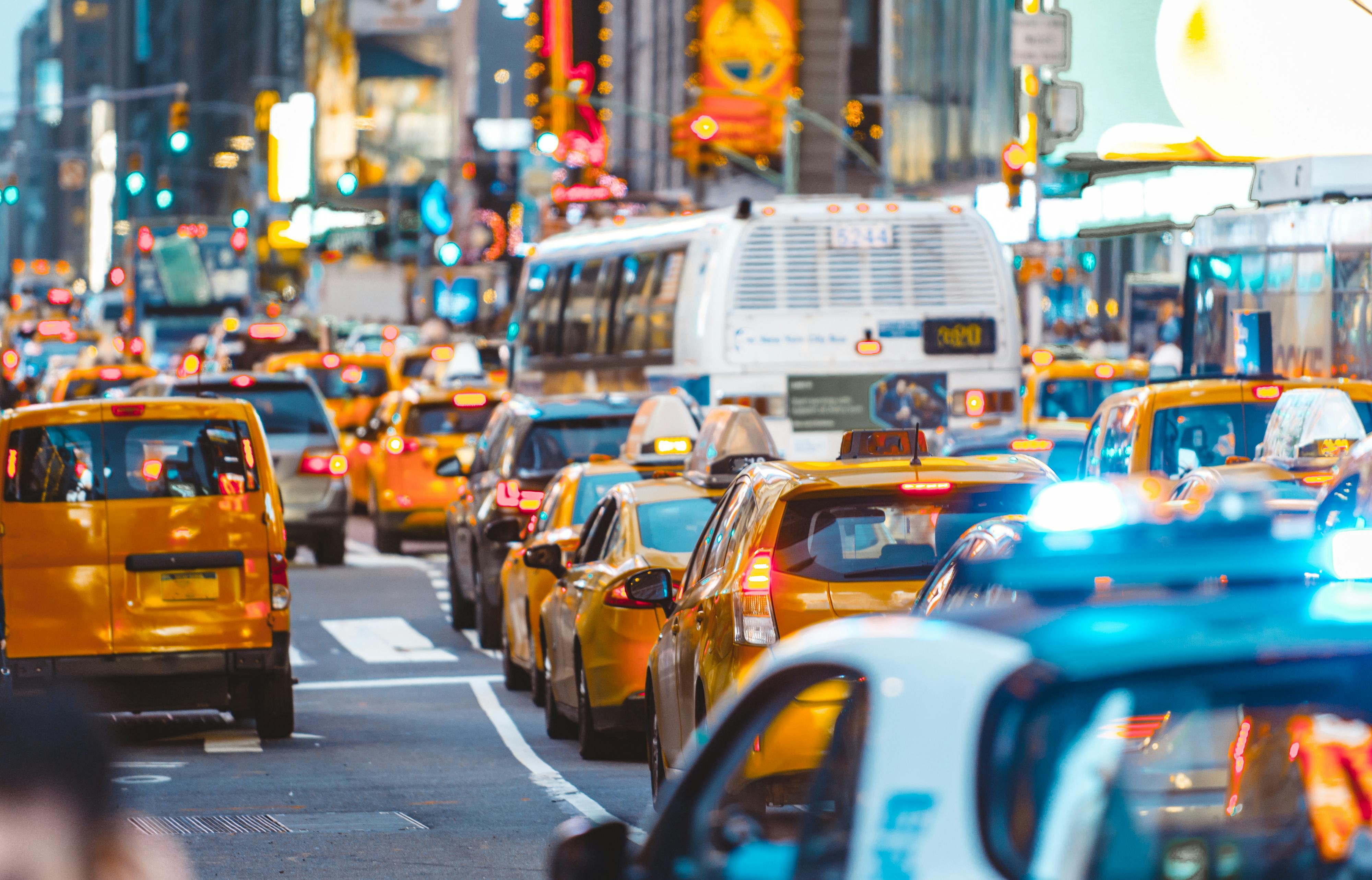
Road traffic is widely recognised as the dominant source of noise pollution in urban areas. Engines, horns, braking systems, and tyre friction contribute to constant background noise. Heavy vehicles such as trucks and buses generate particularly high sound levels.
Studies on traffic-related noise pollution show that millions of people worldwide are exposed to noise levels above recommended limits, especially near highways and major roads.

Railway operations contribute to noise pollution through engine vibration, wheel-track interaction, and station announcements. High-speed trains generate even higher noise levels due to aerodynamic effects.
Aircraft noise is another major concern, particularly for communities near airports. Take-offs, landings, and low-altitude flights produce intense sound that can disrupt sleep and increase stress. Environmental assessments of aviation noise pollution underline its long-term health implications.
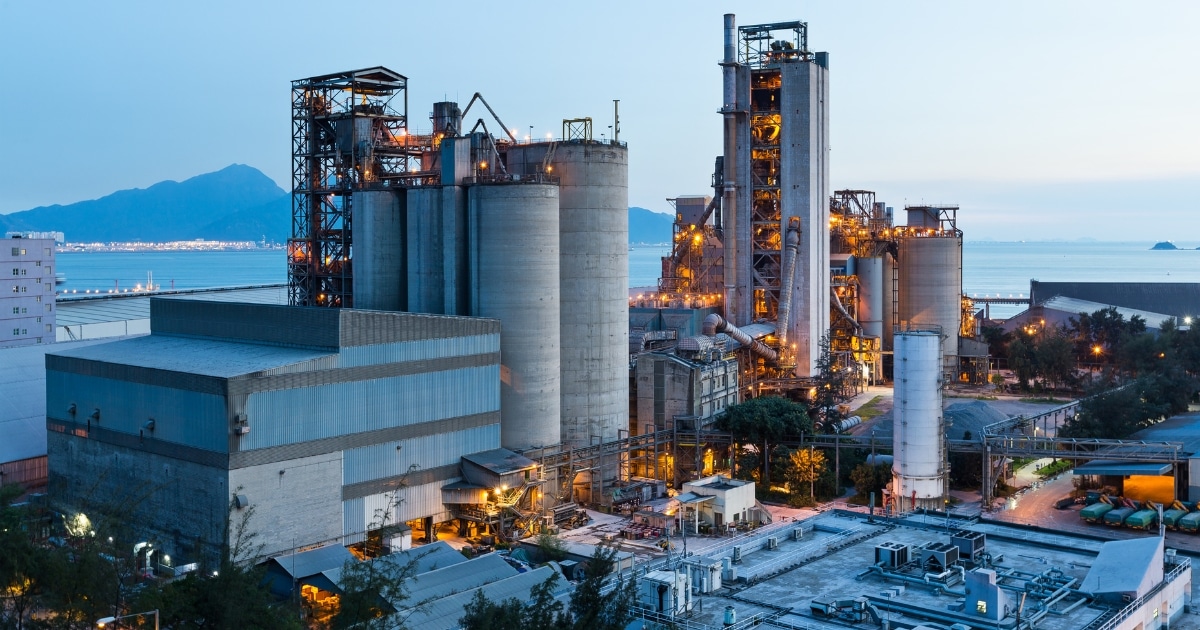
Industrial operations are a major contributor to noise pollution. Factories, power plants, and processing units generate continuous noise from heavy machinery, generators, compressors, and ventilation systems.
Occupational studies on industrial noise exposure show that prolonged exposure can lead to hearing loss and increased risk of cardiovascular disease, making industrial noise both an environmental and workplace health issue.

Construction activities are among the most disruptive sources of noise pollution. Equipment such as jackhammers, drills, cranes, and concrete mixers generate high decibel levels, often over extended periods.
Urban development studies on construction noise impacts explain how prolonged exposure affects nearby residents, particularly children and the elderly.

Commercial establishments such as shopping centres, markets, and entertainment venues contribute significantly to noise pollution. Loud music, public announcements, and crowd noise create constant sound exposure.
Recreational sources, including concerts, sports events, and festivals, also generate high noise levels. While temporary, repeated exposure contributes to overall environmental noise burden, as discussed in research on community noise sources.

Noise pollution is not limited to large-scale sources. Household appliances, generators, televisions, and loud music contribute to neighbourhood noise. In densely populated residential areas, even everyday activities can accumulate into significant noise exposure.
Environmental health guidance on residential noise highlights how chronic household noise affects sleep quality and mental well-being.

In many regions, noise is influenced by social practices and cultural norms. Celebrations, religious events, and public gatherings often involve amplified sound systems and fireworks. While culturally significant, these activities can push noise levels far beyond safe limits.
Discussions on social sources of noise pollution emphasise the need for balance between cultural expression and public health.

Inadequate urban planning exacerbates noise pollution. Poor zoning places residential areas close to highways, industries, and commercial hubs. Lack of green buffers and sound barriers further intensifies exposure.
Urban policy analyses on noise management and planning highlight the role of governance in controlling environmental noise.

Modern lifestyles rely heavily on machines, electronic devices, and constant connectivity. Increased use of personal vehicles, generators, and electronic equipment has raised baseline noise levels even in smaller towns.
Studies examining modern lifestyle noise exposure link technological dependence to rising ambient noise across environments.

Noise pollution rarely stems from a single source. Instead, it results from the cumulative effect of multiple activities occurring simultaneously. Traffic, construction, commercial activity, and household noise combine to create persistent soundscapes that exceed healthy limits.
Long-term exposure studies on environmental noise effects show that cumulative noise increases risks of hypertension, anxiety, and sleep disorders.

Identifying the causes of noise pollution is essential for prevention and control. Unlike many environmental problems, noise pollution can often be reduced through better planning, regulation, and behavioural change.
Recognising noise as a serious environmental issue enables policymakers, businesses, and individuals to take informed action toward quieter and healthier environments.
The causes of noise pollution are deeply embedded in modern lifestyles, urban growth, and technological dependence. From traffic and industry to household activities and social practices, noise is generated across nearly every aspect of daily life.
Although invisible, noise pollution has tangible effects on health, ecosystems, and quality of life. Addressing it requires awareness, responsible planning, and collective effort. By understanding where noise comes from, societies can move toward environments that are not only productive, but also peaceful.
The main causes of noise pollution include road traffic, industrial activity, construction work, urbanisation, household appliances, and social or recreational events involving amplified sound.
Traffic produces continuous noise from engines, horns, braking, and tyre friction, making it the most persistent and widespread source of noise pollution in urban areas.
Urbanisation concentrates people, vehicles, and infrastructure into small areas, amplifying sound through dense construction and increasing overall background noise levels.
Yes. Prolonged construction projects expose nearby communities to sustained high noise levels, which can affect sleep, mental health, and overall well-being.
Factories and industrial plants generate constant noise from machinery, generators, and ventilation systems, often affecting both workers and surrounding residential areas.
In densely populated areas, household noise from appliances, generators, music systems, and neighbourhood activities can collectively become a major source of noise pollution.
No. While cities experience higher noise levels, noise pollution also affects rural areas near highways, airports, industrial zones, and mining or construction sites.
Festivals, celebrations, religious gatherings, and public events often use loudspeakers and fireworks, which can temporarily raise noise levels beyond safe limits.
Yes. Inadequate zoning and lack of sound barriers place residential areas close to noisy activities, increasing long-term exposure to environmental noise.
Understanding the causes helps in designing effective policies, planning quieter cities, protecting public health, and reducing long-term environmental noise exposure.
Related Categories
Share this blog