

© 2026 Made for Planet • Privacy Policy • Terms & Conditions
Platform by Mission Sustainability
By Rittika rana • Jan 10, 2026
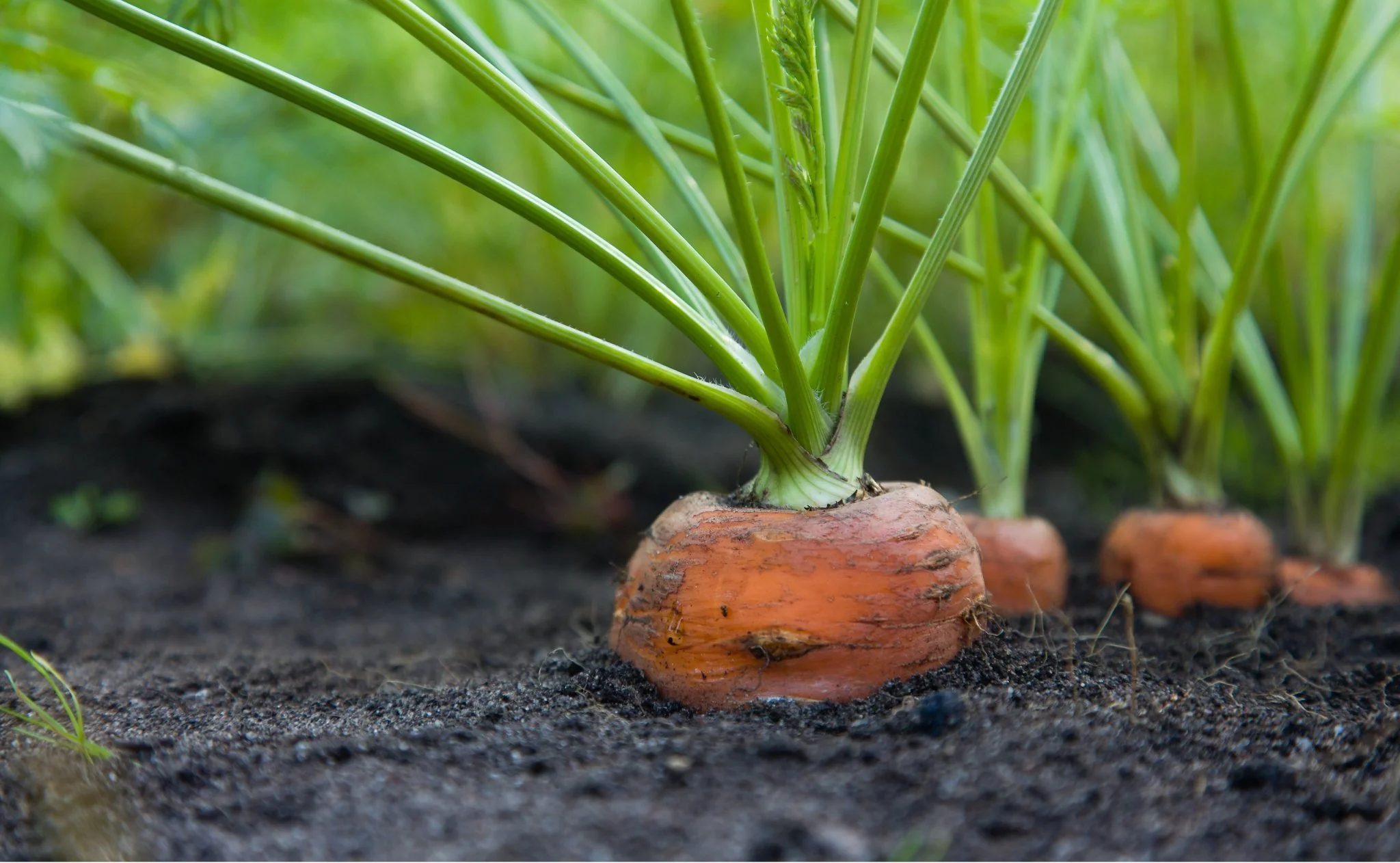
Organic farming is more than a method of food production—it is a sustainable agricultural system that works in harmony with natural ecosystems. As concerns around climate change, soil degradation, food safety, and biodiversity loss continue to grow, organic farming has emerged as a viable solution for producing healthy food while protecting the environment. International bodies such as the Food and Agriculture Organization of the United Nations recognize organic agriculture as a key pathway toward resilient and sustainable food systems.
This blog explores what organic farming is, why it matters, how it works, the challenges it faces, and its role in shaping the future of sustainable agriculture.
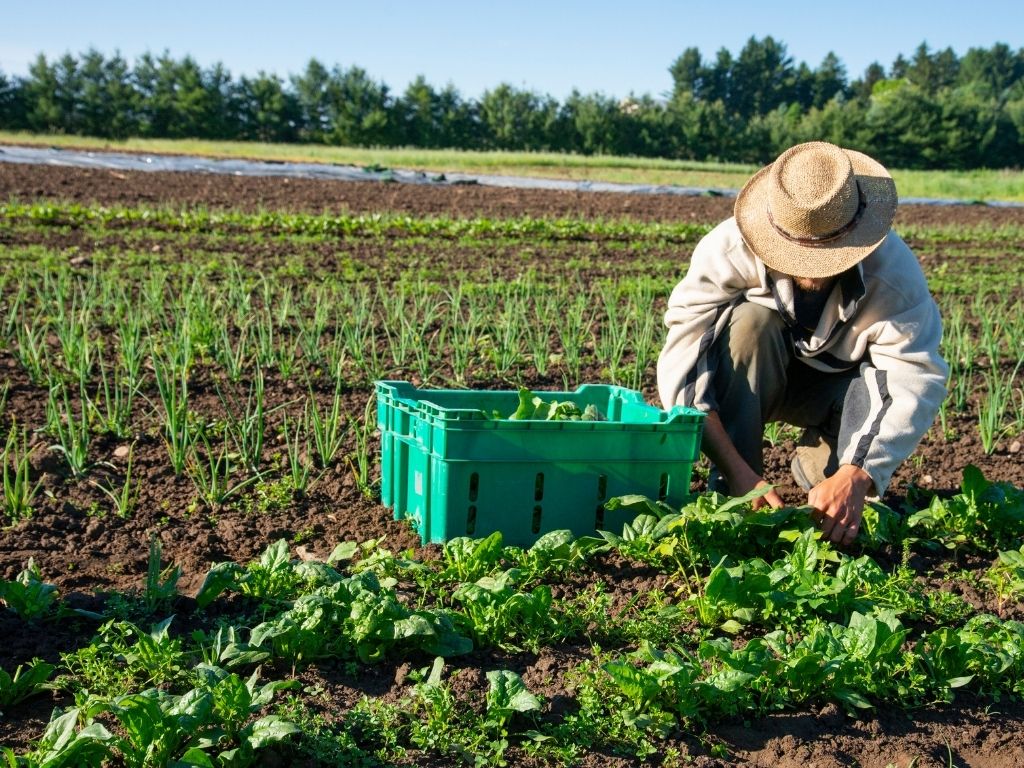
Organic farming is an agricultural system that avoids the use of synthetic fertilizers, chemical pesticides, genetically modified organisms (GMOs), and artificial growth promoters. Instead, it relies on natural inputs, biological processes, and ecological balance to maintain productivity.
The foundation of organic farming lies in healthy soil management. By improving soil organic matter and microbial activity, organic systems enhance nutrient cycling, water retention, and crop resilience over the long term. According to Encyclopaedia Britannica’s overview of organic farming, soil health is central to maintaining long-term agricultural productivity without degrading natural resources.
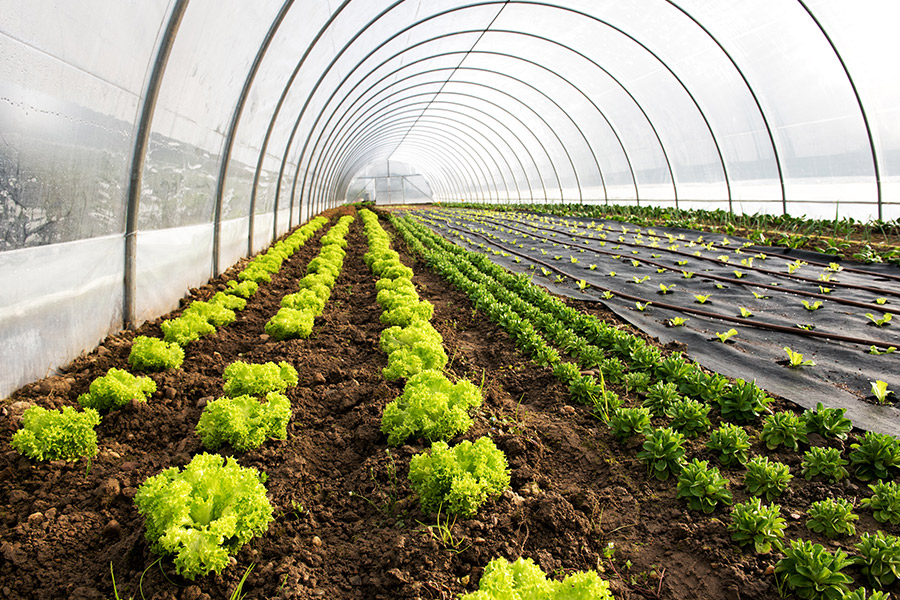
Organic farming improves soil fertility through compost, animal manure, green manures, and crop residues. These natural inputs enhance soil structure, increase organic carbon content, and support beneficial microorganisms essential for plant growth and nutrient availability.
Instead of synthetic pesticides, organic systems rely on biological controls such as beneficial insects, microbial solutions, botanical extracts, and naturally resistant crop varieties. This approach reduces chemical runoff and helps maintain ecological balance within farms.
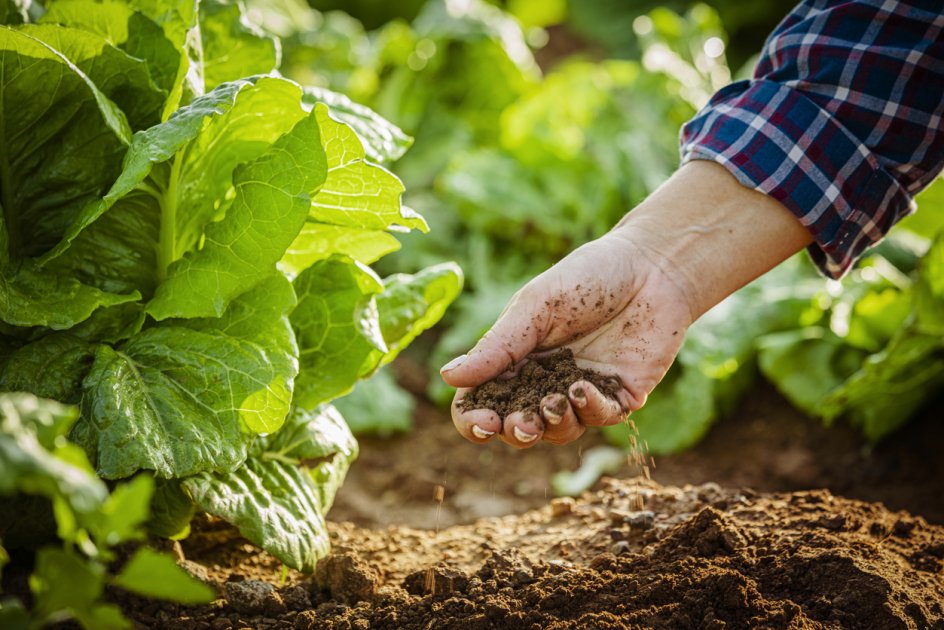
Crop diversification through intercropping, crop rotation, mixed farming, and agroforestry reduces pest pressure, stabilizes yields, and improves soil health. Diverse systems also lower the risk of large-scale crop failure caused by pests or climate stress.
Organic farms are designed to function as self-regulating ecosystems where plants, animals, soil organisms, and humans coexist in a balanced environment, minimizing external inputs and environmental harm.
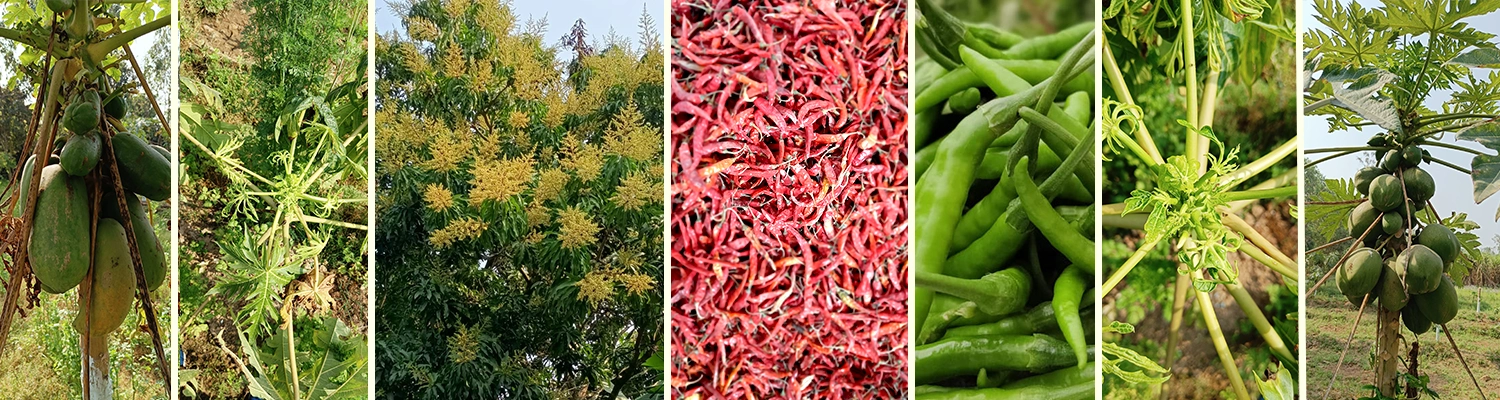
Organic farming addresses multiple environmental, health, and economic challenges associated with conventional agriculture.
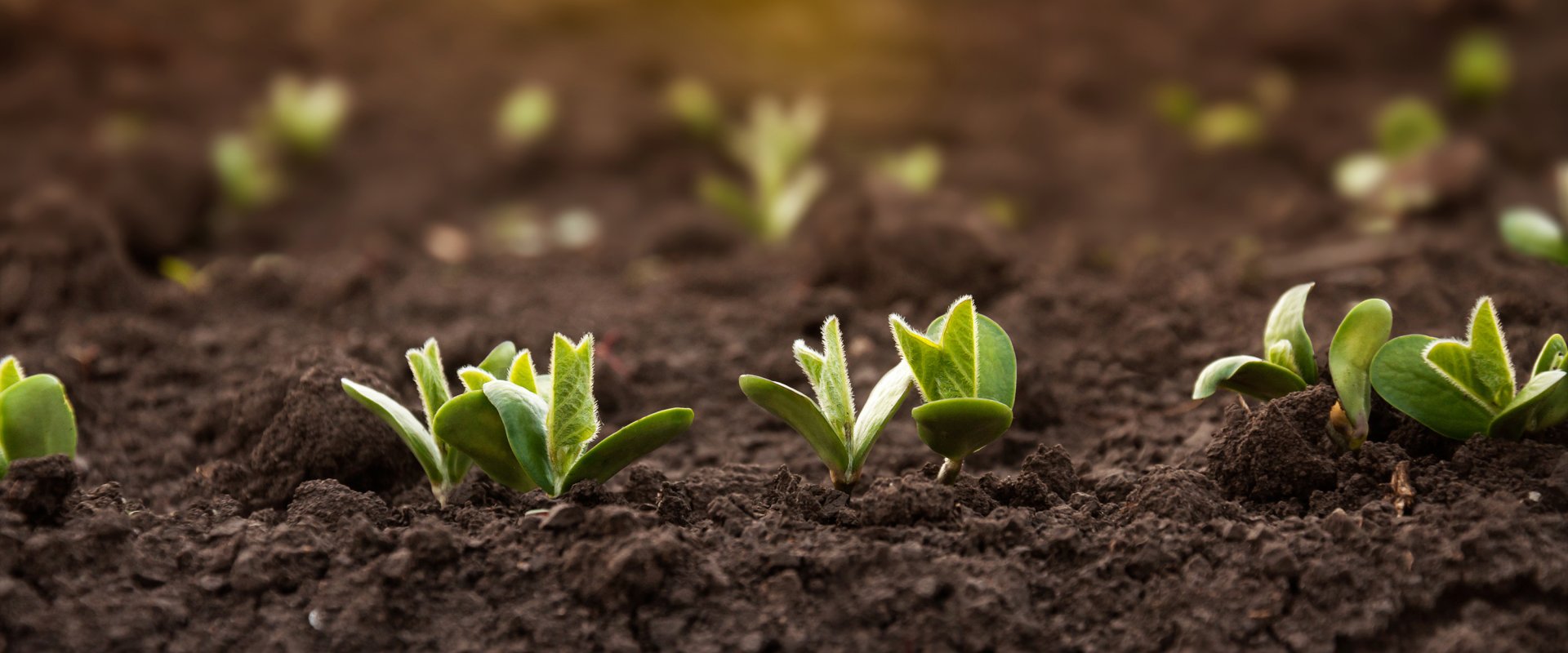

Continuous organic matter inputs improve soil aeration, water infiltration, and nutrient retention, helping prevent erosion and long-term land degradation.
By eliminating synthetic fertilizers and pesticides, organic farming reduces groundwater contamination and surface water pollution—an issue closely linked to pesticide residues in food and drinking water systems.

Organic farms provide habitats for pollinators, birds, insects, and microorganisms, contributing to healthier ecosystems and improved crop pollination.

Organic farming systems help store carbon in soils and reduce greenhouse gas emissions associated with the production of synthetic agricultural inputs. These benefits align with principles outlined in the FAO Climate-Smart Agriculture Sourcebook.
Organic foods generally contain fewer pesticide residues, lowering potential long-term health risks for consumers.
Farmers and farm workers are less exposed to toxic agrochemicals, creating a healthier and safer agricultural work environment.
Healthy soils support balanced nutrient uptake by plants, which may contribute to improved food quality and nutritional value.

Organic products often receive premium prices due to growing consumer demand for clean and sustainably produced food.
Reduced dependence on chemical fertilizers and pesticides increases long-term financial resilience for farmers.
Organic farming supports local markets, employment opportunities, and sustainable rural development by encouraging local resource use and shorter supply chains.

Organic farming relies on integrated practices that strengthen natural processes and improve long-term productivity.
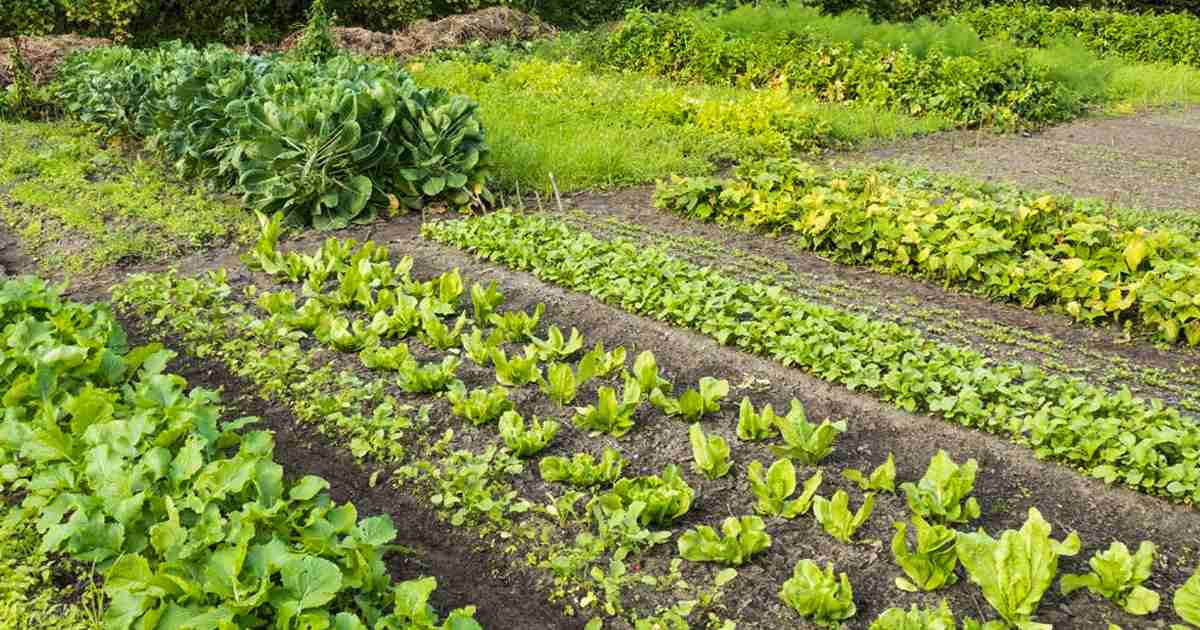
Rotating crops with different nutrient needs prevents soil nutrient depletion, disrupts pest cycles, and improves soil structure.

Composting transforms organic waste into nutrient-rich soil amendments that enhance fertility, microbial activity, and moisture retention.
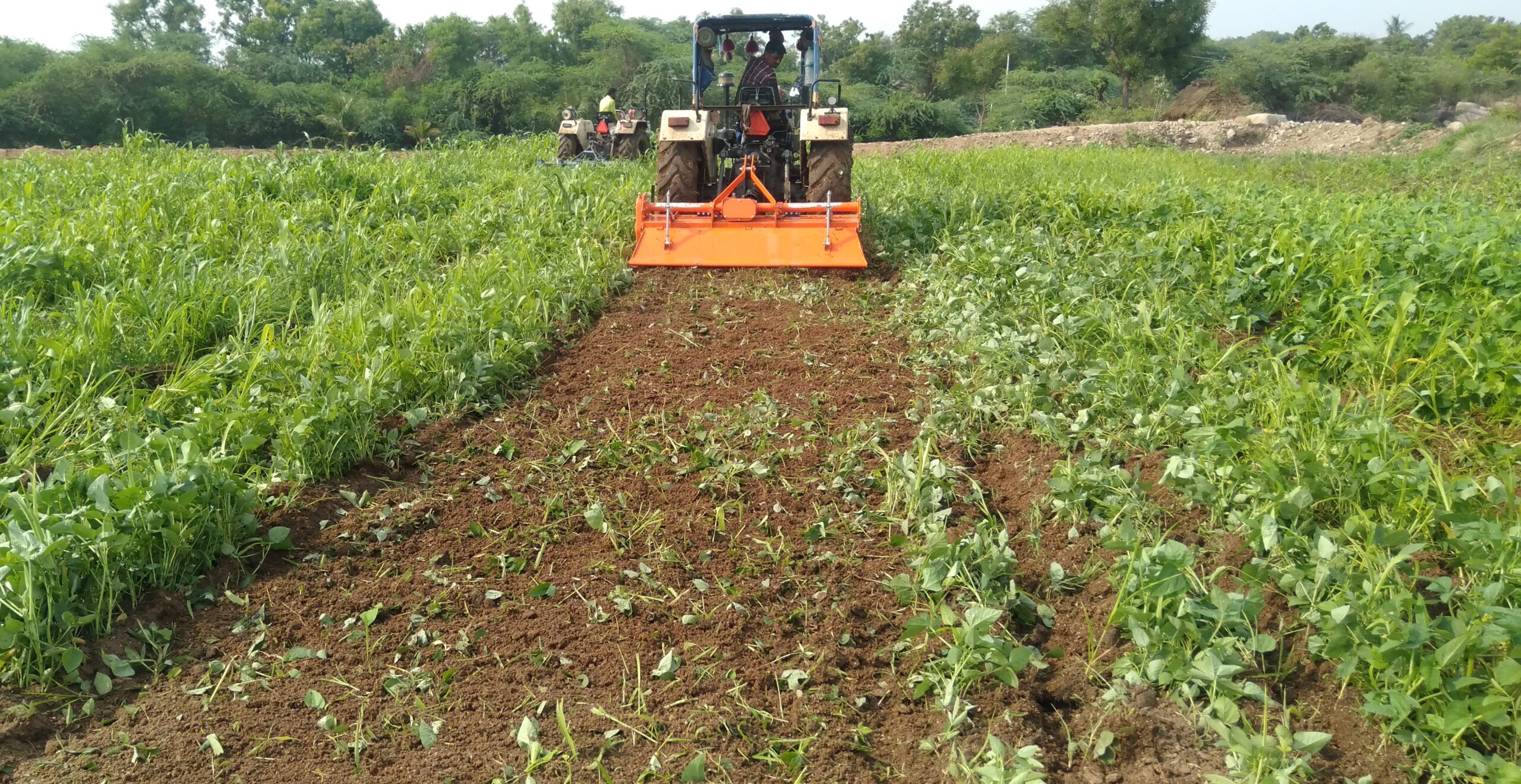
Cover crops such as legumes fix atmospheric nitrogen, increase soil organic matter, and protect soil from erosion.

Natural predators, beneficial microbes, and plant-based treatments help control pests while preserving beneficial organisms.

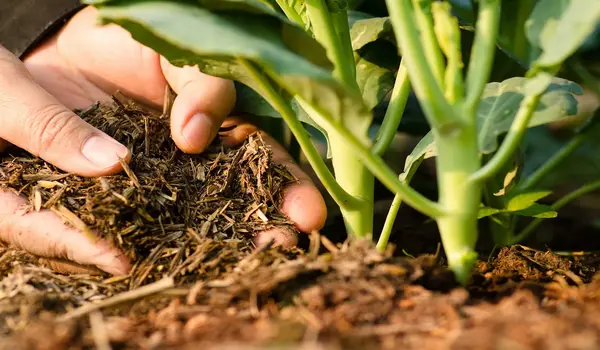
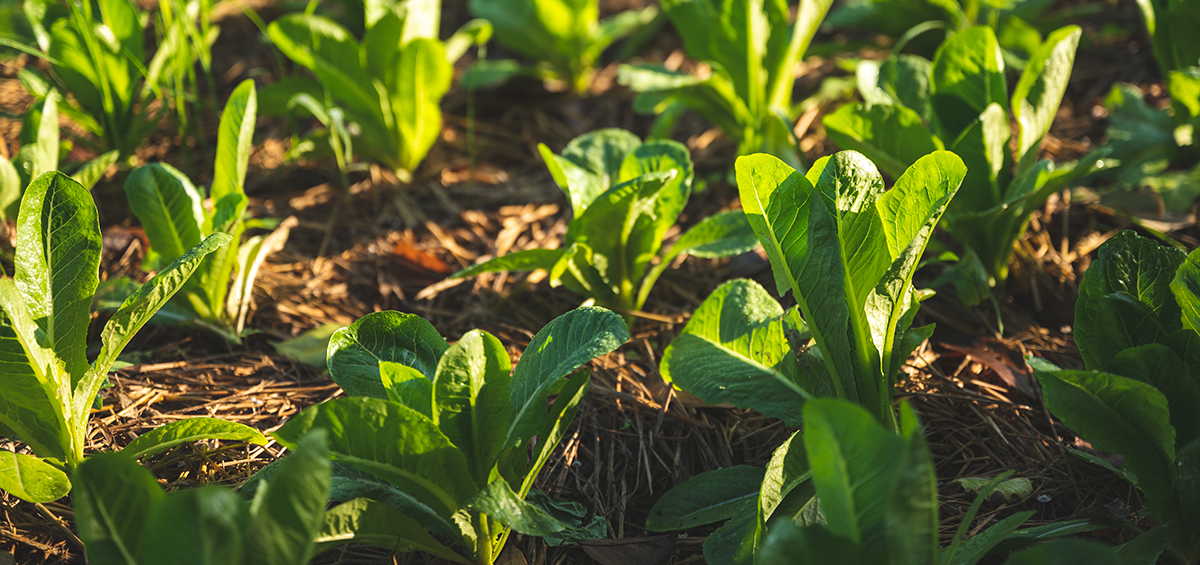
Organic mulches conserve soil moisture, suppress weeds, regulate soil temperature, and gradually improve soil quality.
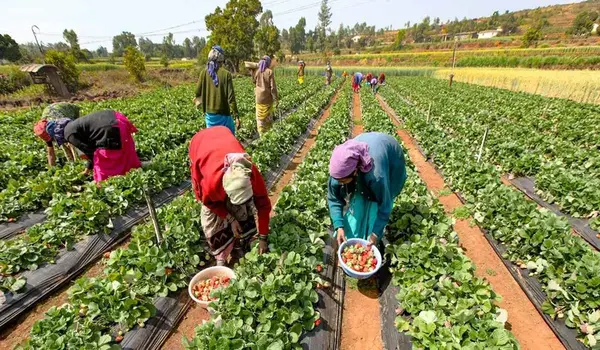
Despite its benefits, organic farming faces barriers that limit widespread adoption.
Soils transitioning away from chemical inputs may experience temporary yield reductions until biological balance is restored.
Manual weed control and soil management can be more labor-intensive compared to conventional systems.
Documentation, compliance costs, and certification processes can be challenging, especially for small farmers.
Limited infrastructure and consumer awareness can restrict access to profitable markets.

Organic farming is expected to play a critical role in building resilient food systems and addressing climate challenges.
Improved soil structure and water retention help organic farms better withstand droughts, floods, and extreme weather.
Technology is increasingly used for soil monitoring, crop planning, and efficient resource management in organic systems.
Organic food production is expanding through rooftop gardens, community farms, and urban agriculture initiatives.
As transparency and sustainability become priorities, organizations such as IFOAM – Organics International continue to promote organic farming worldwide.
Organic farming represents a long-term solution for sustainable food production. By restoring soil health, conserving biodiversity, protecting water resources, and reducing environmental impact, organic farming aligns agriculture with ecological balance and human well-being.
As global food systems evolve to meet environmental and health challenges, organic farming will remain a cornerstone of sustainable agriculture and a healthier future for both people and the planet.
Organic farming differs from conventional farming by avoiding synthetic chemicals and emphasizing soil fertility, biodiversity, and natural pest control. Conventional farming often depends on chemical fertilizers and pesticides for short-term productivity, while organic farming prioritizes long-term ecosystem health and sustainability.
Yes, organic farming is widely considered better for the environment. It improves soil health, reduces water pollution, enhances biodiversity, and lowers greenhouse gas emissions associated with chemical input production. These benefits make organic farming an important tool for sustainable agriculture.

Organic farming may produce slightly lower yields during the initial transition period as soil ecosystems recover from chemical use. However, over time, yields often stabilize, and organic farms become more resilient to pests, diseases, and climate stress compared to conventional systems.
Organic farming can be more expensive due to higher labor requirements, certification costs, and lower yields during early transition years. However, organic products often reflect the true cost of sustainable production, including environmental protection and soil conservation.

Organic farming improves soil health by increasing organic matter, enhancing microbial activity, and improving soil structure. Practices such as composting, crop rotation, green manuring, and mulching help soils retain nutrients and water more effectively.
Yes, organic farming can help mitigate climate change by increasing soil carbon sequestration, reducing emissions from synthetic fertilizers, and improving farm resilience to extreme weather events. Healthy soils act as carbon sinks, making organic farming climate-friendly.
Organic farming can be highly suitable for small farmers because it reduces dependency on expensive chemical inputs and encourages local resource use. When supported by cooperatives, training, and market access, organic farming can improve income stability for small-scale producers.
Related topics
Related Categories
Share this blog


