

© 2026 Made for Planet • Privacy Policy • Terms & Conditions
Platform by Mission Sustainability
By Rittika rana • Jan 10, 2026
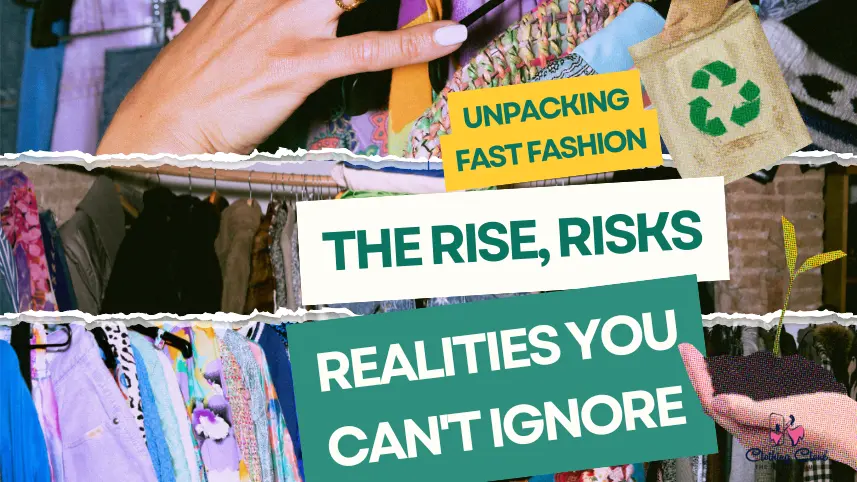
Imagine this: every year, humanity withdraws resources from Earth as if the planet were an infinite warehouse — shelves endlessly stocked, supplies forever replenished. Forests are cleared faster than they can regrow, oceans are fished quicker than marine life can recover, and landfills continue to expand long after the products inside them have lost their purpose.
The pace is staggering.
If everyone on Earth lived like the average person in the world’s richest countries, humanity would need nearly five planets to sustain that lifestyle. But we only have one.
This is the reality of overconsumption — a crisis hiding in plain sight, normalized by convenience, abundance, and the illusion of endless growth.
Source/Credit: Stockholm University.
Overconsumption isn’t about individual guilt or enjoying comfort. It is a systemic imbalance, where the rate at which we extract, produce, consume, and discard resources far exceeds Earth’s ability to regenerate them. The consequences ripple outward — destabilizing the climate, degrading ecosystems, widening inequality, and quietly reshaping how we live and feel.

At its core, overconsumption occurs when human demand consistently exceeds ecological limits. It shows up when:
Resource use outpaces planetary renewal, meaning we take more than nature can replace
Goods and services are consumed for status, habit, or convenience, rather than genuine need
Economic systems reward constant growth and spending, even when environmental costs rise
Overconsumption is not just about how much we consume, but how fast and why. A product used briefly but produced at great environmental cost still contributes to overconsumption, even if it appears harmless in isolation.
From an economic perspective, overconsumption occurs when the true costs of consumption — pollution, waste, emissions, and ecosystem damage — are externalized. These costs are rarely reflected in prices, allowing consumption to appear cheap while the planet quietly absorbs the damage.
In simpler terms: we keep spending, even when the bill is destroying the house.
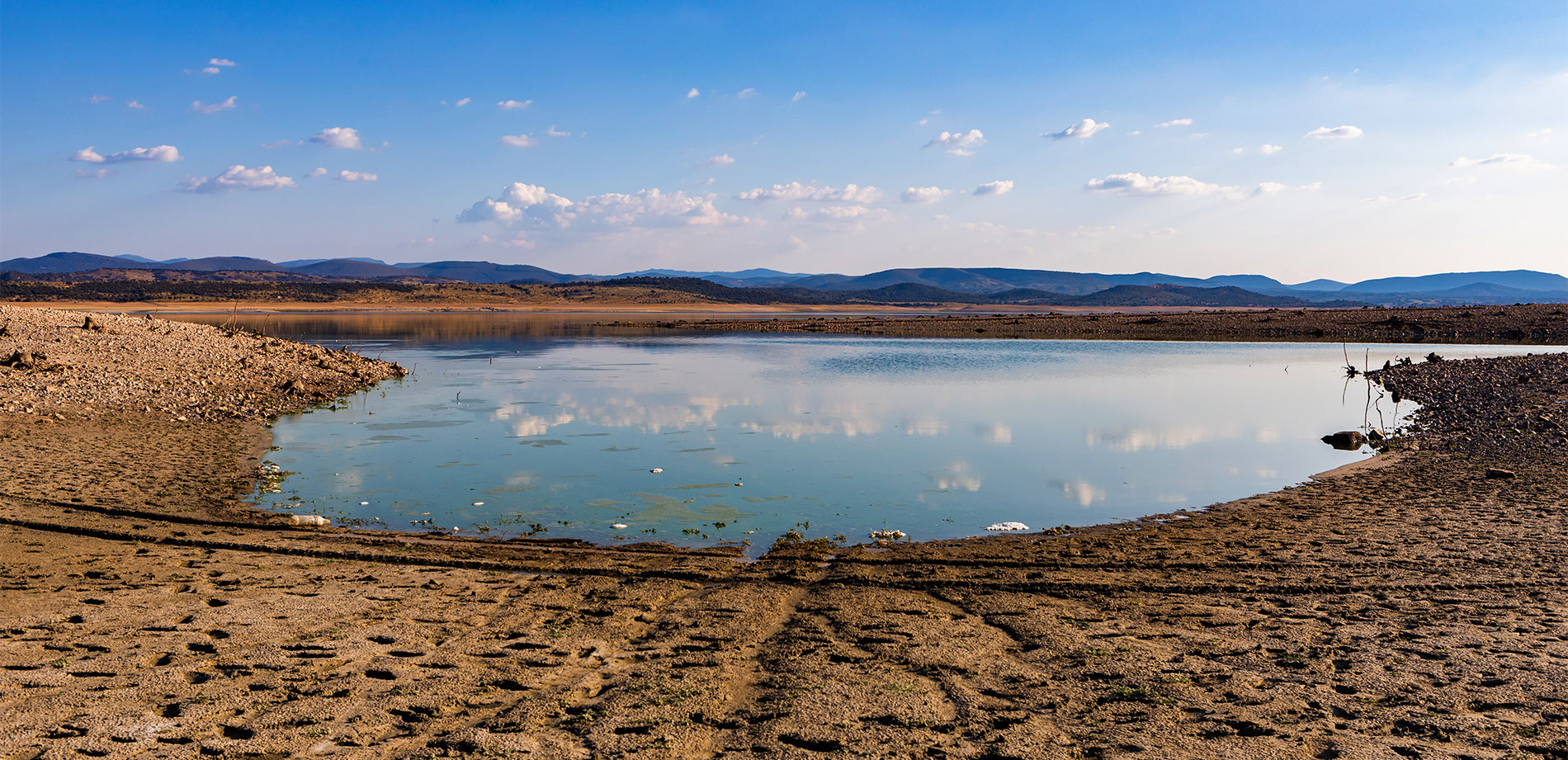
Statistics help reveal what everyday habits often hide:
92% of global greenhouse gas emissions are linked to resource extraction, processing, and consumption
If everyone consumed like high-income countries, humanity would require five Earths.
Global material use has more than doubled since 1970, exceeding 100 billion tonnes per year.
The average American household wastes around 1,000 pounds (450 kg) of food annually
More than half of all global waste is landfilled or burned instead of recycled
These numbers tell a deeper story: overconsumption is not driven by population growth alone, but by consumption patterns — how much each person uses, wastes, and replaces.
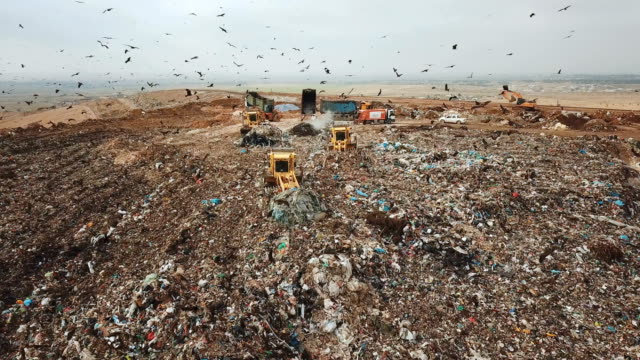

Every product we consume carries a hidden footprint — energy used during extraction, water consumed in production, land cleared for raw materials, and emissions released across its life cycle.
As overconsumption accelerates, so does:
Dependence on fossil fuels
Deforestation for agriculture, mining, and infrastructure
Loss of biodiversity and ecosystem resilience
The Amazon rainforest offers a clear example. Forests are cleared to produce beef, soy, and timber for global markets, contributing significantly to deforestation and carbon emissions. What looks like affordable food or consumer goods in one country often translates into habitat destruction and climate impacts in another.
Overconsumption turns local convenience into global environmental damage.
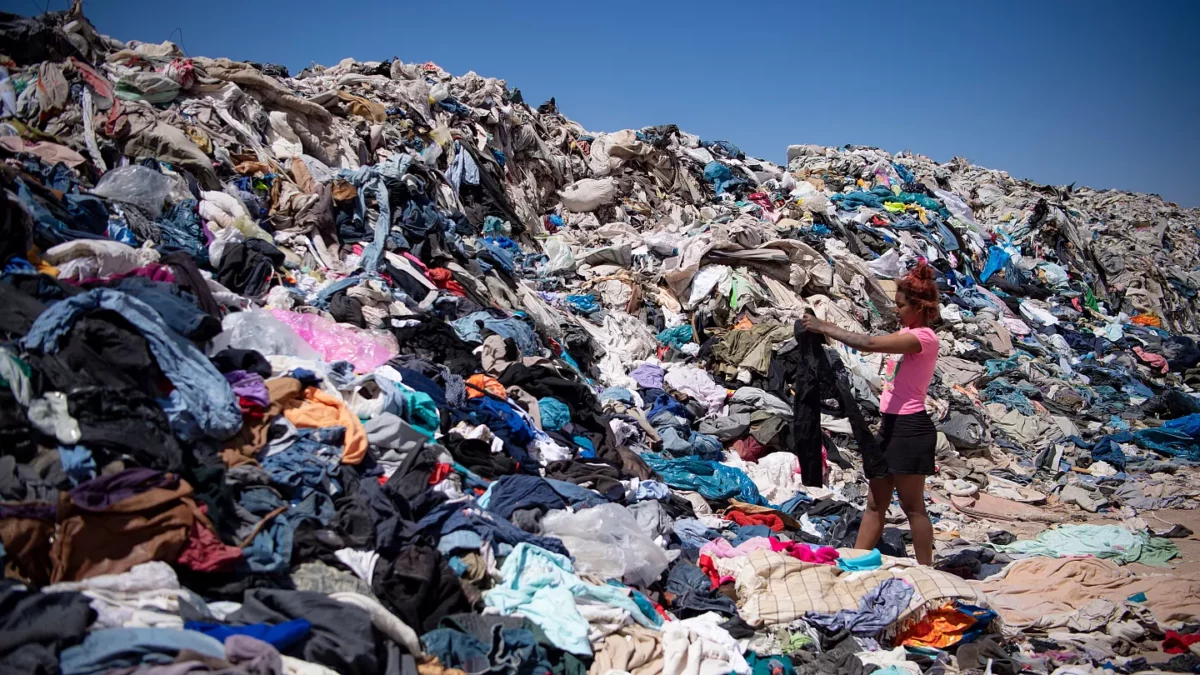
Overconsumption is deeply unequal.
The wealthiest countries and populations consume far more resources per person than the global average, while the environmental consequences disproportionately affect low-income communities and future generations.
Children are among the most vulnerable. They face:
Polluted air and unsafe water
Climate-driven disasters such as floods, droughts, and heatwaves
Loss of safe, healthy environments to grow and learn
Those who contribute the least to overconsumption often suffer the most from its impacts. This makes overconsumption not just an environmental issue, but a social justice and ethical crisis.
Consumer culture doesn’t only strain ecosystems — it strains people.
Modern economies encourage constant desire: newer phones, faster fashion cycles, bigger homes, more convenience. Advertising and social media reinforce the idea that satisfaction lies just one purchase away.
Yet overconsumption is increasingly linked to:
Anxiety and chronic stress
Financial pressure and debt
Compulsive buying and dissatisfaction
The promise that “more stuff equals more happiness” often delivers the opposite. Homes fill with clutter, time disappears into maintenance and work, and mental fatigue grows. In chasing abundance, many people lose balance, purpose, and calm.

Overconsumption is not a personal failure — it is structural.
Economic systems equate success with endless growth
Advertising normalizes excess as aspiration
Planned obsolescence ensures products break or become outdated quickly
Think of Earth as a shared bank account. A small group withdraws enormous sums daily, assuming the balance will never reach zero. But the account doesn’t refill fast enough — and eventually, everyone pays the price.
Small choices matter when they become collective habits:
Practicing mindful consumption — buying less, choosing better, valuing durability
Treating Reduce, Reuse, Recycle as a hierarchy, not equal options
Understanding personal ecological footprints
Sustainable living isn’t about perfection or deprivation. It’s about intentional choices that align comfort with responsibility.
Individual action works best when supported by systems:
Circular economies that prioritize repair, reuse, and sharing
Businesses designed for longevity, not disposability
Policies that prioritize wellbeing over unchecked growth
The goal is not to eliminate progress or comfort — it is to redefine prosperity beyond overconsumption.
Overconsumption is not simply about excess — it is about imbalance. It shapes climate change, deepens inequality, and defines the future we leave behind.
But the story is not finished.
With awareness, creativity, and collective action, we can shift from quantity to quality, from endless growth to meaningful wellbeing.
Because the planet doesn’t need us to consume less life — it needs us to live better. 🌱
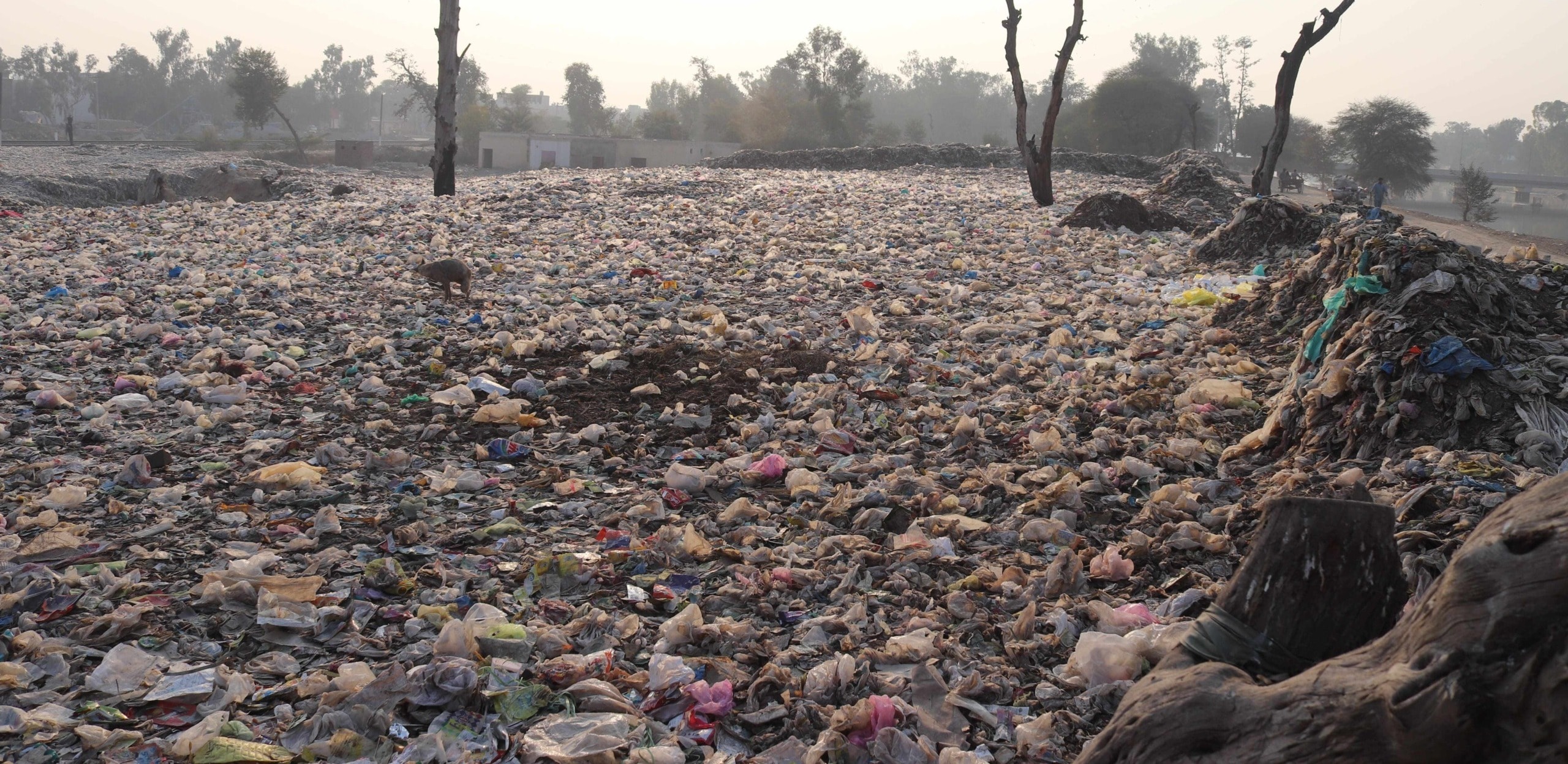
Overconsumption accelerates climate change, depletes natural resources, destroys ecosystems, and increases pollution and waste. It puts pressure on forests, oceans, soil, and freshwater systems faster than they can recover, threatening long-term planetary stability.

Common examples of overconsumption include fast fashion, food waste, excessive energy use, frequent electronics upgrades, and single-use plastics. These practices create high waste, emissions, and resource extraction with limited long-term benefit.

Overconsumption drives higher energy demand, fossil fuel use, deforestation, and industrial production. Together, these activities generate the majority of global greenhouse gas emissions, making overconsumption a major driver of climate change.
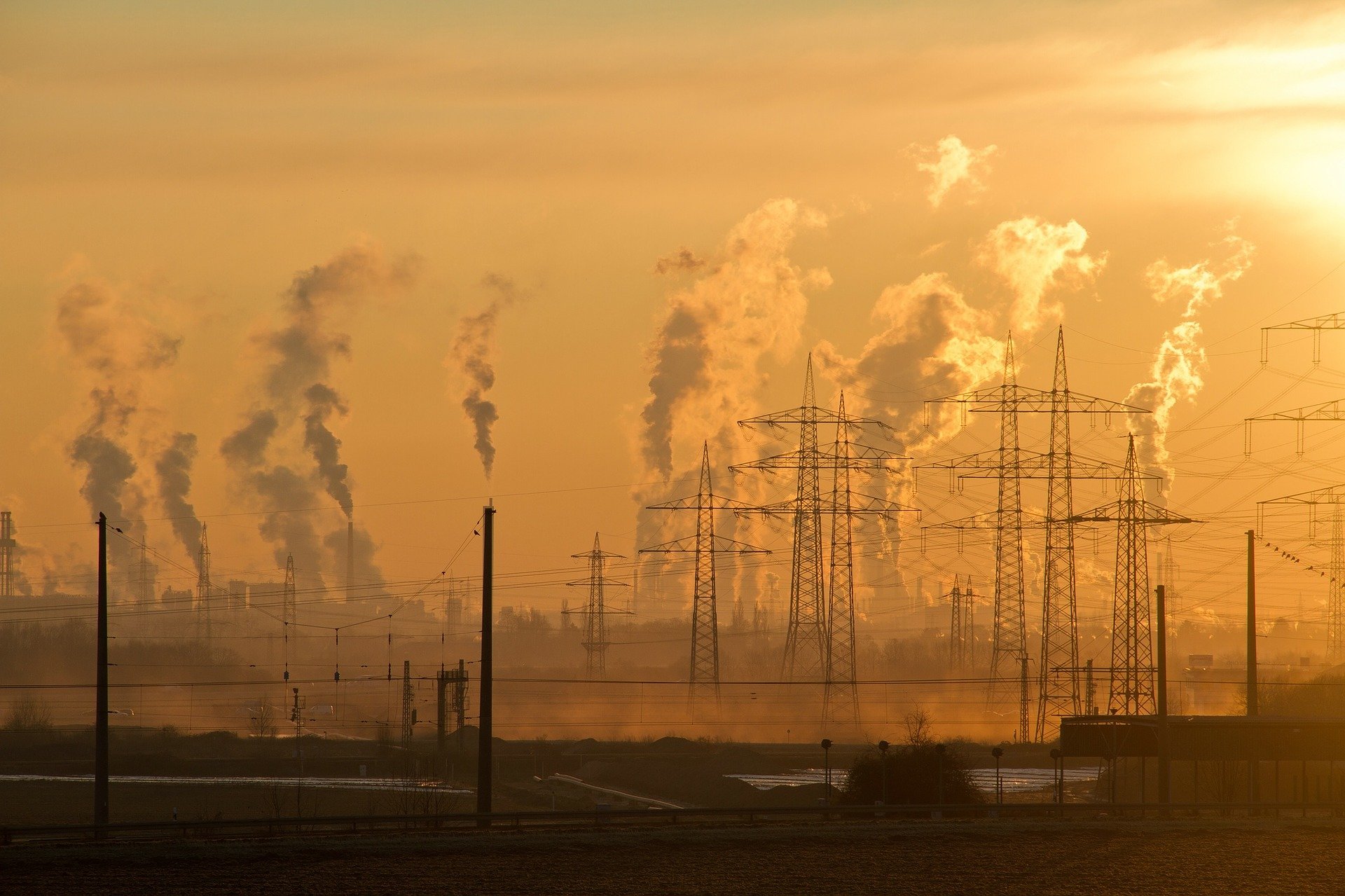
Overconsumption is driven more by lifestyle choices and consumption patterns than by population growth alone. A small percentage of the global population consumes a disproportionately large share of resources, while billions consume far less.
Overconsumption increases global inequality because wealthier countries and individuals consume more resources while poorer communities face the environmental consequences, such as pollution, climate disasters, and resource scarcity — often without sharing the benefits.

Consumption becomes overconsumption when it exceeds sustainable limits. While consumption is necessary for living, overconsumption occurs when goods and resources are used excessively, inefficiently, or unnecessarily, causing long-term harm.

Individuals can reduce overconsumption by buying fewer but higher-quality products, reducing waste, reusing and repairing items, choosing sustainable alternatives, and being mindful of energy, food, and water use.
Yes. Reducing overconsumption does not mean reducing quality of life. In many cases, it leads to better wellbeing, less stress, healthier environments, stronger communities, and a shift toward meaningful experiences rather than material excess.

If overconsumption continues unchecked, future generations will face resource shortages, climate instability, biodiversity loss, and reduced quality of life. Addressing overconsumption today helps protect ecosystems, economies, and human wellbeing tomorrow.
Related Categories
Share this blog


