

© 2026 Made for Planet • Privacy Policy • Terms & Conditions
Platform by Mission Sustainability
By Rittika rana • Feb 04, 2026
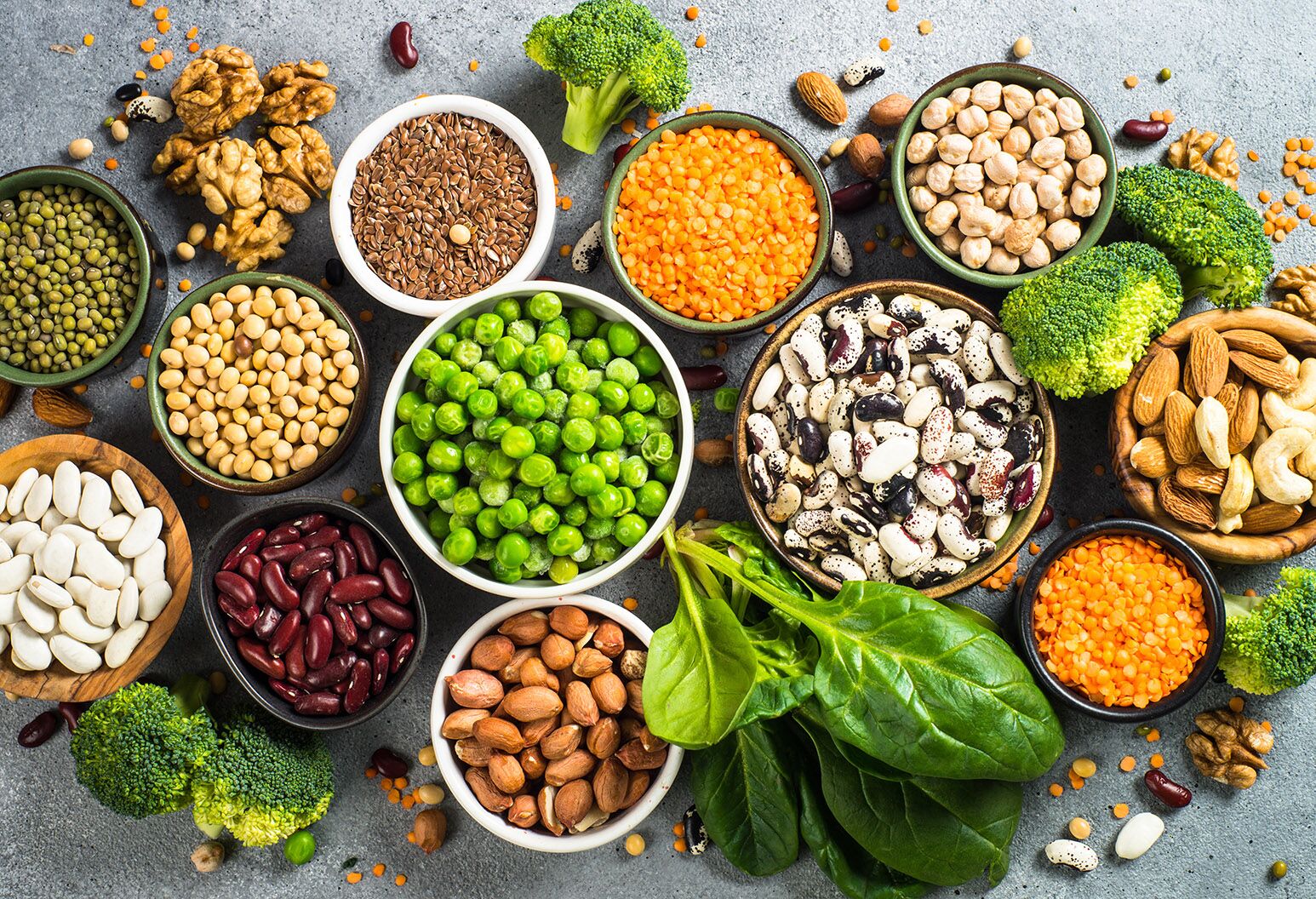
Protein sits at the centre of many food conversations today. From gym culture to climate debates, it is often framed as something scarce, something animal based, or something difficult to get right without supplements.
Plant protein challenges that assumption.
It is not a trend, a compromise, or a modern invention. Plant protein has nourished human populations for thousands of years and is now re entering the spotlight because of what it offers not just for health, but for climate resilience, food security, and long term sustainability.
Understanding plant protein clearly and without hype is the first step toward using it well.
:max_bytes(150000):strip_icc()/what-is-plant-protein-and-how-is-it-used-5114486-hero-01-5cdb50b0205c4da1a9b75efa5f2ed198.jpg)
Plant protein refers to protein derived from plant based foods such as legumes, grains, nuts, seeds, and vegetables. Like all proteins, it is made up of amino acids that the body uses to build and repair tissues, produce enzymes and hormones, and support immune function.
Common plant protein sources include lentils, chickpeas, beans, peas, soy, groundnuts, whole grains, and seeds. These foods have formed the backbone of traditional diets across Asia, Africa, and Latin America long before protein became a marketed nutrient.
According to the Food and Agriculture Organization of the United Nations, plant based diets have historically met protein needs effectively when food diversity is adequate.

One of the most persistent questions around plant protein is whether it is “complete”.
A complete protein contains all nine essential amino acids in sufficient amounts. While many animal proteins meet this definition in a single food, most plant proteins contain varying proportions of amino acids.
This does not make them inadequate.
Nutrition science has long established that amino acid complementarity across meals meets physiological needs. This concept is supported by evidence reviewed in the American Journal of Clinical Nutrition, which shows that combining plant foods across a normal diet provides all essential amino acids without the need for precise pairing at each meal.
Soy, quinoa, buckwheat, and amaranth are examples of plant foods that are complete on their own, but diversity rather than perfection is what matters most.

Protein needs vary by age, body weight, and activity level. For most adults, recommended intake ranges around 0.8 grams per kilogram of body weight per day, as outlined by the Indian Council of Medical Research.
Research shows that these requirements can be met entirely through plant protein when calorie intake is sufficient and diets are varied. Large population studies published in The Lancet indicate that populations consuming higher proportions of plant protein often show better cardiometabolic outcomes.
The challenge is not protein scarcity. It is a dietary imbalance and over reliance on refined foods.
:max_bytes(150000):strip_icc()/GettyImages-1253826894-b9bc06b3cab64f0982599190b45116b9.jpg)
Plant protein comes packaged with fibre, micronutrients, antioxidants, and phytochemicals that animal protein sources often lack.
Higher intake of plant protein has been associated with lower risk of cardiovascular disease, improved blood lipid profiles, and better glycaemic control, as summarised by the Harvard T H Chan School of Public Health.
Plant protein also tends to place less strain on kidney function compared to high intakes of animal protein, particularly in individuals with existing renal risk, according to findings published in Clinical Journal of the American Society of Nephrology.
These benefits are not about elimination. They are about balance and quality.

One of the most overlooked advantages of plant protein is its relationship with gut health.
Plant protein sources are rich in dietary fibre, which feeds beneficial gut bacteria. This interaction supports immune regulation, nutrient absorption, and metabolic health, as explained in reviews published by Nature Reviews Gastroenterology and Hepatology.
Animal protein heavy diets, by contrast, are often low in fibre and associated with microbial profiles linked to inflammation.
A healthy gut ecosystem is not a side benefit. It is central to long term health.

Food systems are a major driver of climate change, land use, water stress, and biodiversity loss. Protein sources differ dramatically in their environmental footprint.
Plant protein generally requires less land, less water, and produces fewer greenhouse gas emissions per gram of protein than animal sources. This pattern is documented across life cycle analyses compiled by Our World in Data.
Shifting even a portion of protein intake toward plant sources can significantly reduce environmental pressure without compromising nutrition, a conclusion echoed in the EAT Lancet Commission on Sustainable Diets.
Plant protein is not just a dietary choice. It is a system lever.

In India, plant protein has always been central to everyday food. Dal, beans, millets, groundnuts, fermented legumes, and vegetable based preparations form complete protein patterns across meals.
Yet rising urbanisation and marketing narratives have shifted perceptions toward animal protein as superior. This has happened despite evidence from the National Institute of Nutrition showing that traditional Indian diets can meet protein needs effectively when diversity is maintained.
Reframing plant protein is less about adoption and more about rediscovery.
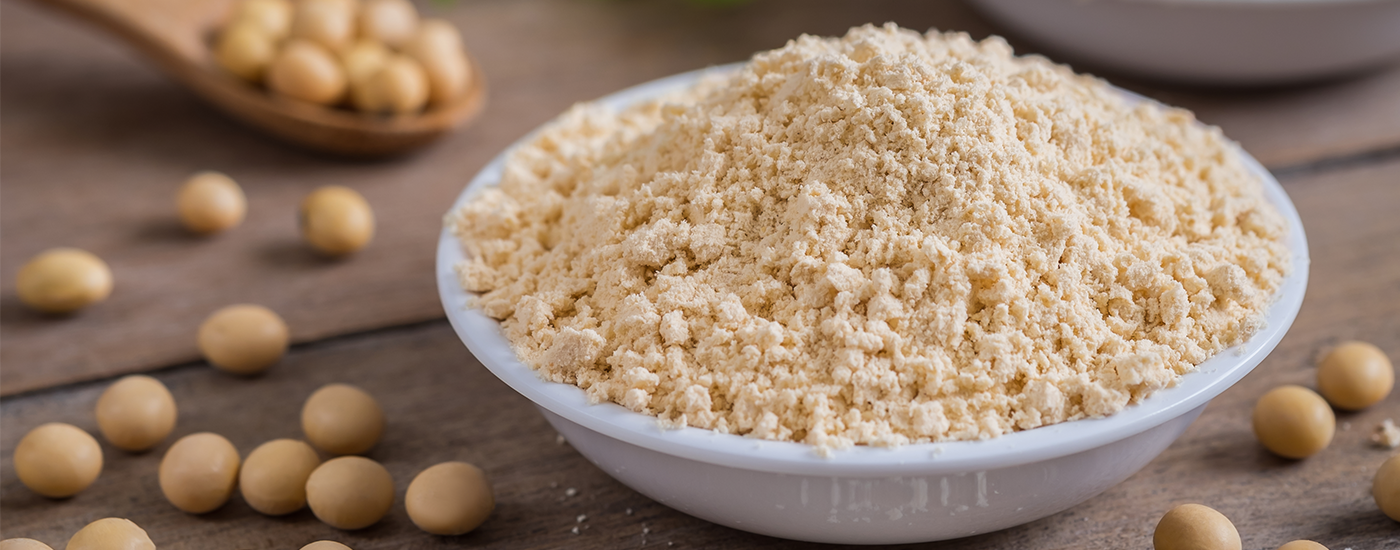
Plant protein is often associated with weakness, deficiency, or inadequate muscle support. These beliefs persist despite growing evidence to the contrary.
Studies comparing strength and muscle outcomes in plant based and omnivorous diets show no inherent disadvantage when protein intake is adequate, as reported in Sports Medicine.
The quality of the overall diet matters more than the source label.

As populations grow and climate pressures intensify, scalable nutrition becomes a global priority. Plant protein offers a pathway that aligns health, affordability, and environmental resilience.
International bodies such as United Nations Environment Programme increasingly recognise dietary shifts toward plant based foods as part of climate mitigation strategies.
This is not about replacing one food system with another overnight. It is about building flexibility into how we eat.
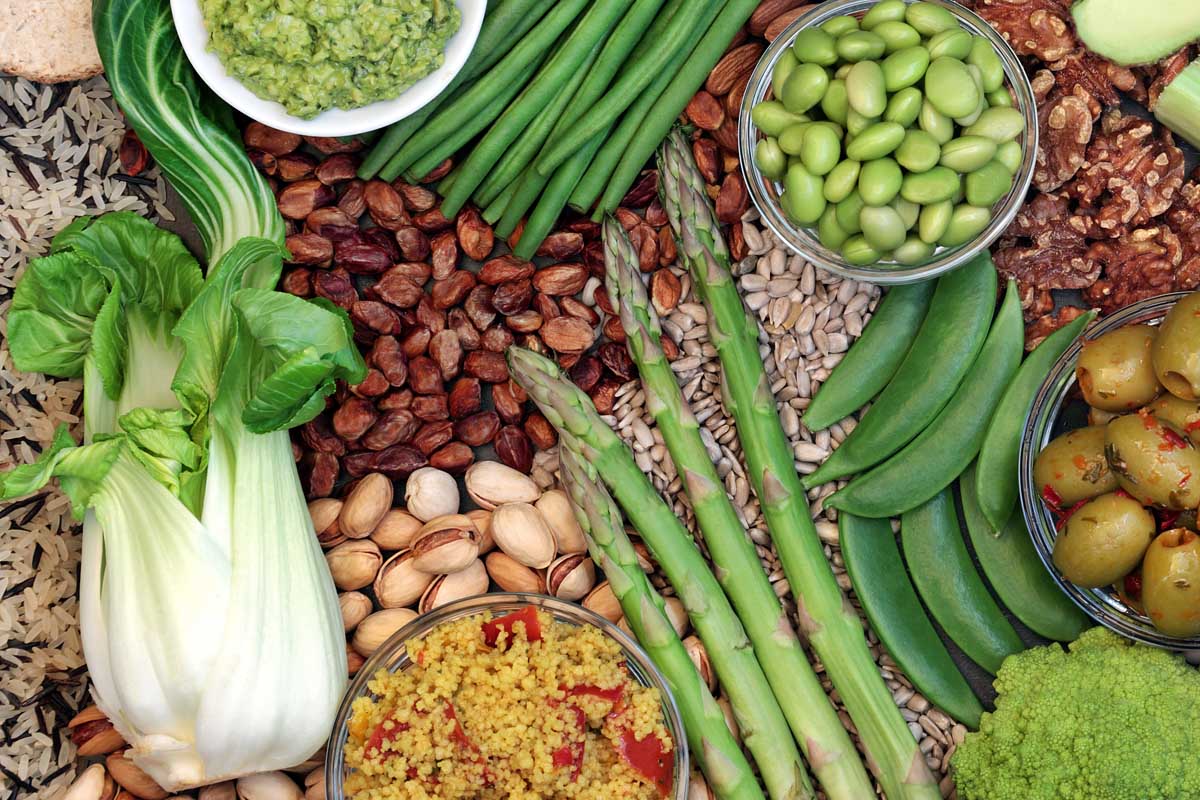
Plant protein does not demand purity or perfection. It works best when integrated gradually, thoughtfully, and culturally.
Replacing a portion of animal protein with legumes, beans, or grains a few times a week already delivers health and environmental benefits. Diversity, affordability, and accessibility matter more than labels.
Plant protein is not a niche solution. It is a foundational one.
Plant protein comes from foods like legumes, grains, nuts, seeds, and vegetables. It provides essential amino acids needed for muscle repair, immunity, and overall body function.
Yes. With a varied and calorie adequate diet, plant protein can fully meet daily protein requirements for most people without the need for supplements.
Some plant proteins are complete on their own, while others provide complementary amino acids across meals. Eating a diverse range of plant foods over the day covers all essential amino acids.
Plant protein supports muscle growth and strength when total protein intake is sufficient. Research shows no inherent disadvantage compared to animal protein in strength outcomes.
Plant protein is generally well tolerated and comes with fibre that supports gut health. Proper soaking, cooking, and fermentation further improve digestibility.
Higher intake of plant protein is associated with lower risk of heart disease due to lower saturated fat and higher fibre and antioxidant content.
Yes. Diets richer in plant protein are linked to better metabolic health and lower chronic disease risk, which supports healthier aging.
Plant protein requires less land, water, and energy than most animal protein sources, making it critical for climate resilient and future ready food systems.
Related topics
Related Categories
Share this blog


