

© 2026 Made for Planet • Privacy Policy • Terms & Conditions
Platform by Mission Sustainability
By Rittika rana • Mar 26, 2026
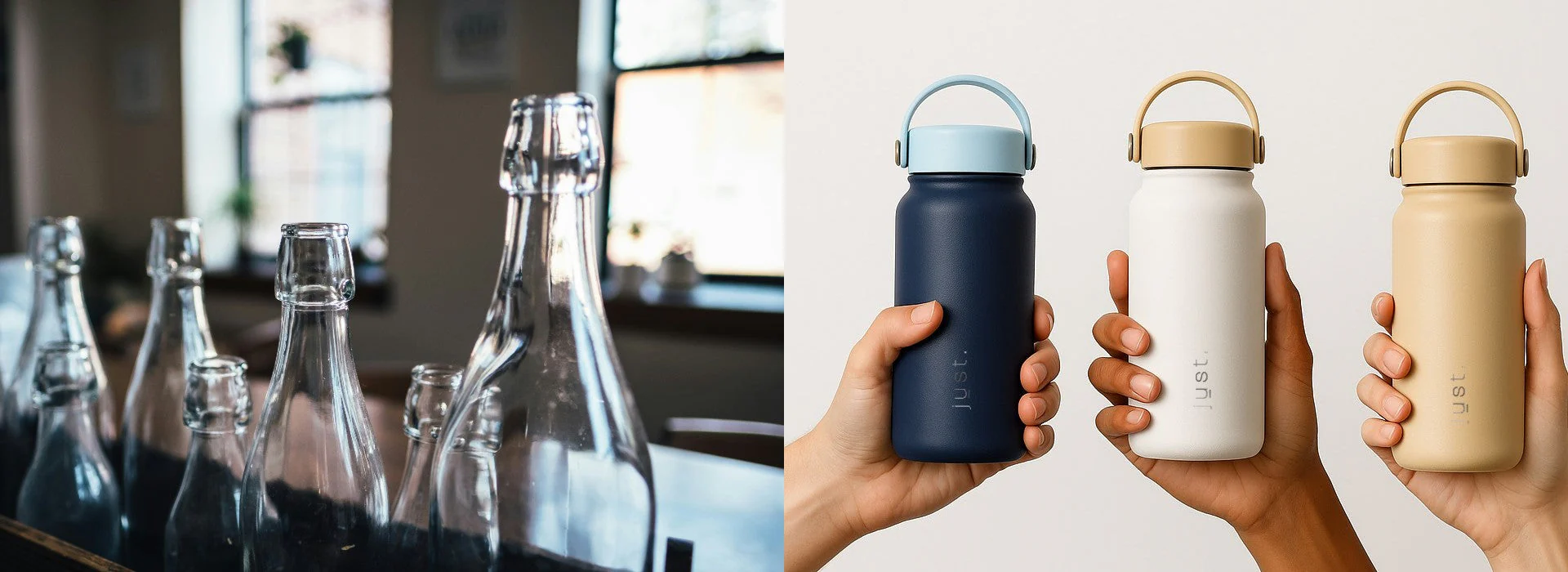
The bottle you carry every day is easy to overlook. It sits on your desk, travels with you, and becomes part of your routine without much thought. Yet, this simple choice has implications that go far beyond convenience.
From health and safety to environmental impact, the material of your water bottle influences more than just how you stay hydrated. Plastic bottles dominate the market because they are lightweight and inexpensive. Steel bottles are often seen as durable and long-lasting. Glass bottles, on the other hand, are associated with purity and safety.
But which one is actually better?
As conversations around sustainability grow, many people are beginning to question everyday habits. The shift is not just about avoiding plastic, but about understanding the trade-offs between different materials and making choices that align with both personal well-being and environmental responsibility.
To answer this properly, we need to look at how these materials compare across safety, sustainability, and everyday usability.
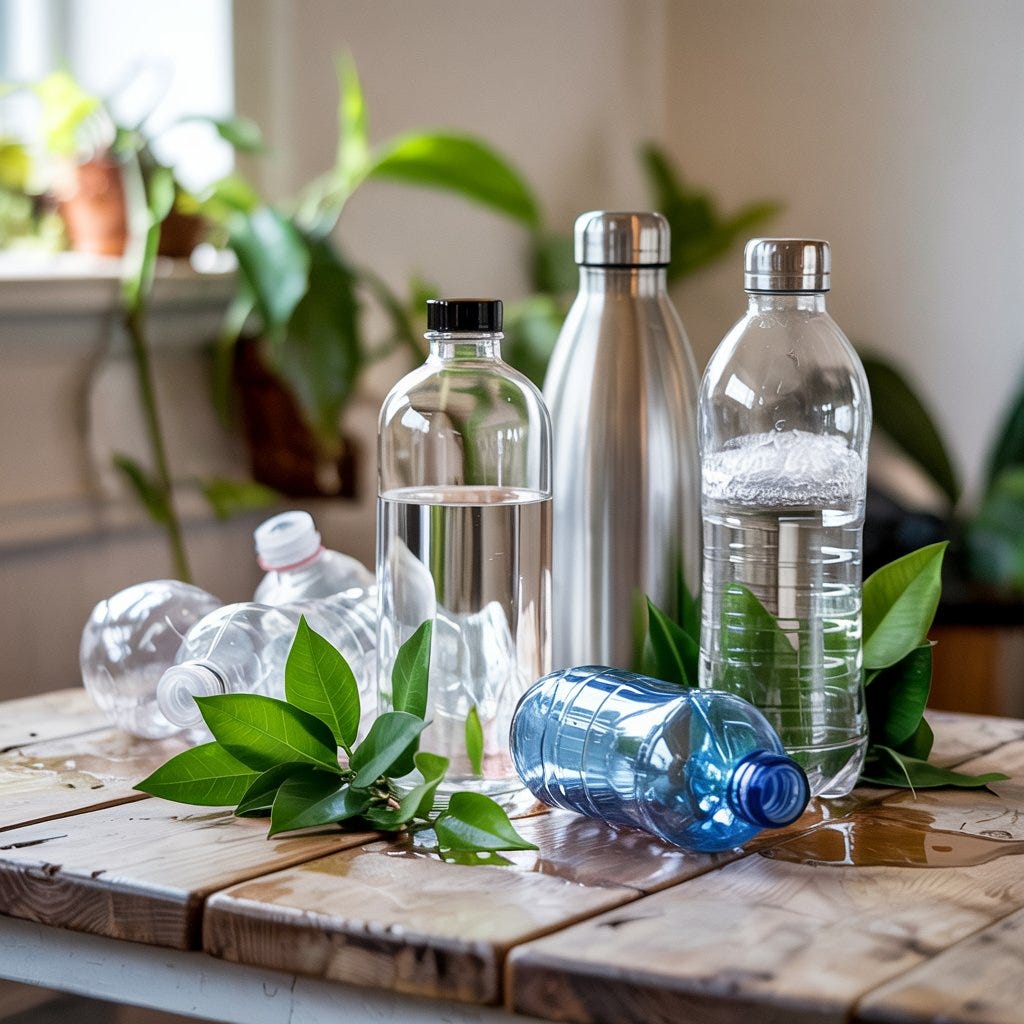
At first glance, choosing a water bottle may seem like a small decision. But when multiplied across millions of people using bottles daily, the impact becomes significant.
Plastic bottles, especially single-use ones, contribute heavily to global waste. According to the United Nations Environment Programme, millions of plastic bottles are discarded every minute, many of which end up in landfills or oceans.
At the same time, alternatives like steel and glass come with their own environmental footprints. Producing stainless steel requires energy intensive processes, while glass manufacturing involves high-temperature furnaces and transport challenges due to weight.
This means there is no single perfect option. The better choice depends on how a material performs across its full lifecycle, including production, usage, and disposal.
Understanding these differences is what allows us to move from convenience-driven decisions to more conscious ones.

To understand which bottle is better, it helps to compare them directly across the factors that matter most.
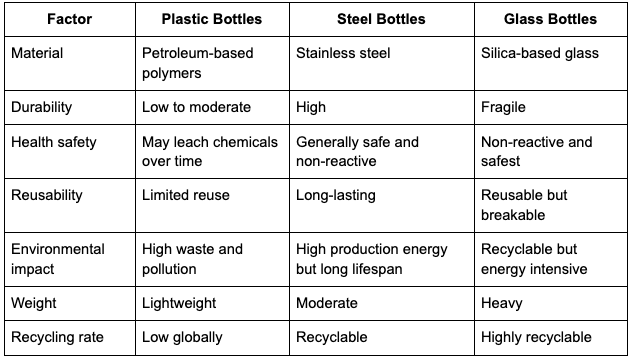
This comparison highlights an important point. Plastic is convenient but environmentally damaging. Steel is durable but resource intensive to produce. Glass is safe but less practical in everyday use.
The decision is not just about what is best in theory, but what works sustainably in practice.
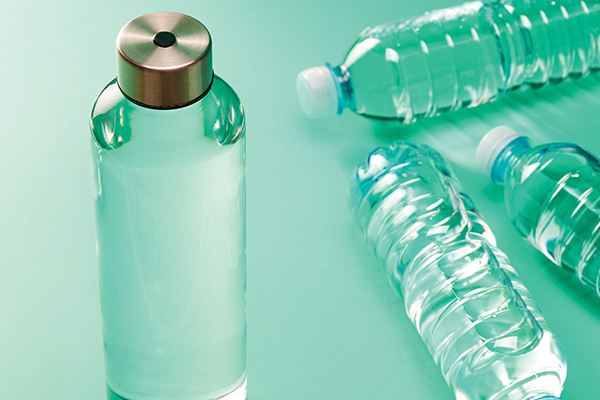
Plastic bottles are widely used because they are cheap, lightweight, and easily available. However, concerns around their safety have grown over time.
Certain plastics can release chemicals, especially when exposed to heat or reused multiple times. Substances such as BPA have been studied for their potential health effects, which has led to increased awareness and regulation. Information from the U.S. Food and Drug Administration highlights how some materials used in food packaging can interact with contents under specific conditions.
While many modern bottles are labelled BPA-free, this does not automatically make them risk-free. Repeated use, scratches, and exposure to sunlight can still affect the integrity of plastic.
From a sustainability perspective, the bigger issue is disposal. A large portion of plastic bottles are used once and discarded, contributing to long-term environmental pollution.
Plastic bottles may still have a place in short-term or emergency use, but relying on them for daily hydration is increasingly seen as less ideal.
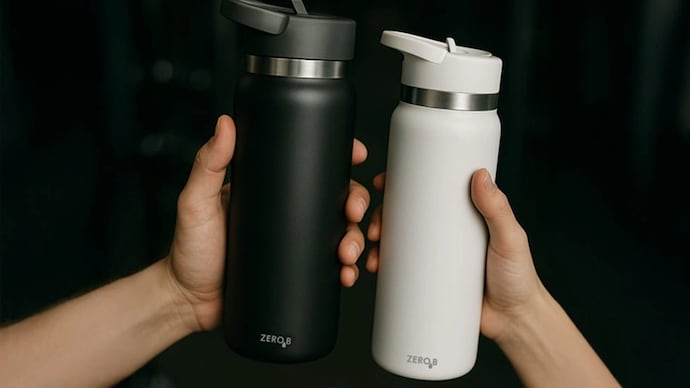
Stainless steel bottles have become a popular alternative, especially for those looking for durability and long-term use.
Steel is non-reactive, which means it does not leach chemicals into water under normal conditions. It also has a much longer lifespan compared to plastic, making it suitable for repeated use over several years.
From an environmental perspective, steel has a higher upfront impact due to energy intensive production. However, this impact is distributed over a longer period of use. Over time, this makes steel a more sustainable option compared to single-use plastics.
Many steel bottles also offer insulation, keeping liquids hot or cold for extended periods, which adds to their practicality.
The main trade-off is weight and cost. Steel bottles are heavier and typically more expensive than plastic ones. But when viewed as a long-term investment, they often provide better value.
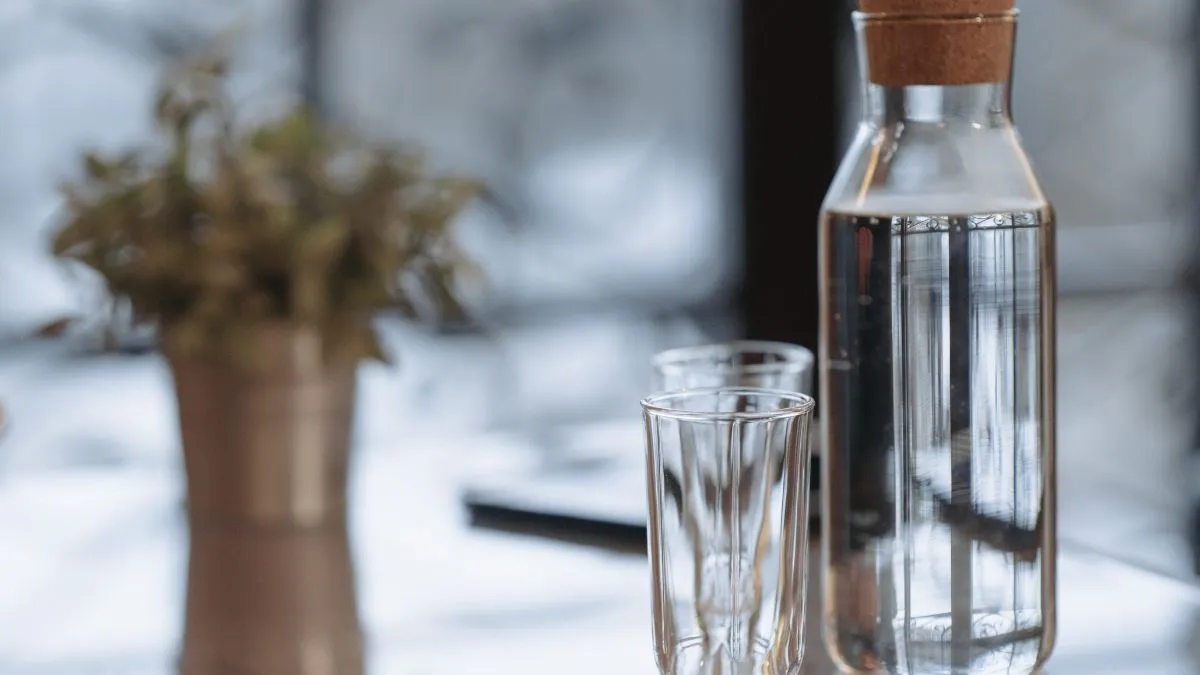
Glass is often considered the safest material for storing water.
It is completely non-reactive, meaning it does not leach chemicals, alter taste, or absorb odours. This makes it one of the most reliable options from a health perspective.
Glass is also highly recyclable. According to research on material recycling by the European Container Glass Federation, glass can be recycled multiple times without loss of quality.
However, practicality is where glass falls short. It is heavier and more fragile, making it less suitable for travel, outdoor use, or daily commuting.
Glass works best in controlled environments such as homes or offices where the risk of breakage is low.

Sustainability is not just about the material itself, but how it is used.
Plastic has the lowest production cost but the highest environmental cost due to waste and pollution. Steel requires more energy to produce but lasts significantly longer, reducing the need for replacement. Glass sits somewhere in between, offering recyclability but facing challenges in transport and durability.
Lifecycle assessments show that products designed for long-term use often perform better environmentally than disposable ones. This means a steel or glass bottle used consistently over time can offset its initial production impact.
The most sustainable choice is not just about switching materials. It is about using what you choose for as long as possible.
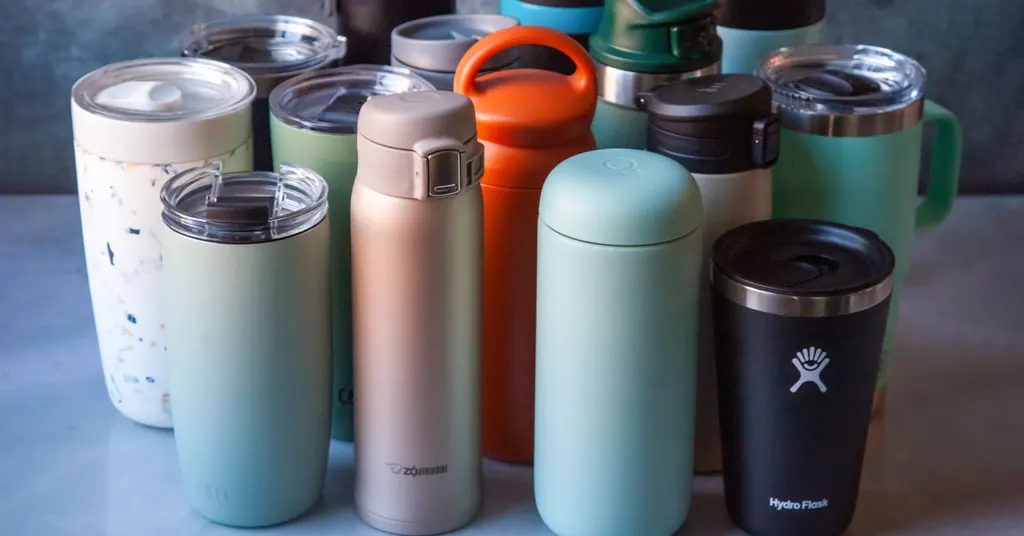
Choosing the right bottle depends on how and where you plan to use it.
If you need something durable for travel or daily commuting, steel is often the most practical choice. If your priority is safety and taste, glass works well for home or office use. Plastic may still be useful for short-term needs, but it is best not relied on for repeated use.
The goal is not perfection, but consistency. A bottle that you use every day is more sustainable than one that is replaced frequently.

As concerns around plastic waste grow, some brands are going beyond simple material swaps and rethinking how bottles are designed, used, and reused.
Instead of just replacing plastic with steel or glass, these innovations explore circular systems, bio-based materials, and low-impact distribution models.
PlantStik Bottle – Develops bottles using plant-based materials as an alternative to conventional petroleum plastics
Retulp Bio Bottles – Uses sugarcane-based materials to create bottles that reduce reliance on fossil fuels and are fully recyclable
Belgrey – A plastic-free glass bottled water system built on reuse and circular logistics, where bottles are collected, refilled, and reintroduced into circulation to reduce waste
Ocean Bottle – Combines recycled materials with a model that funds the removal of ocean-bound plastic
These examples show that the future of bottles is not just about replacing plastic, but about redesigning materials, systems, and usage itself.

The choice between plastic, steel, and glass bottles is not just about convenience. It reflects how we think about health, sustainability, and everyday responsibility.
Plastic offers ease but comes with long-term environmental costs. Steel provides durability and long-term value. Glass offers safety and purity but requires careful handling.
There is no one-size-fits-all answer. But there is a better approach.
Choosing a bottle that you can use consistently, maintain properly, and rely on over time is what ultimately makes the biggest difference.
Because sustainability is rarely about dramatic changes. It is about small decisions repeated every day.
Steel and glass bottles are generally better than plastic for both health and sustainability, with steel being more durable and glass being the safest for storing water.
Plastic bottles are not ideal for repeated reuse, as they can degrade over time and may release harmful chemicals, especially when exposed to heat or sunlight.
Steel bottles last longer and can be reused for years, which reduces the need for single-use plastic and lowers overall environmental impact.
Yes, glass bottles are non-reactive and do not leach chemicals, making them one of the safest options for storing water.
Steel bottles are often considered the most eco-friendly for daily use due to their durability, while glass is highly recyclable but less practical.
Plastic bottles contribute to environmental pollution, are often single-use, and can release chemicals over time, especially with repeated use.
Yes, switching to reusable bottles like steel or glass can significantly reduce plastic waste and resource consumption over time.
Sustainable alternatives include stainless steel bottles, glass bottles, and innovative options made from plant-based or biodegradable materials.
Steel bottles can last for several years with proper care, making them a long-term and cost-effective alternative to plastic bottles.
Single-use plastic bottles contribute heavily to pollution, take hundreds of years to degrade, and often end up in landfills or oceans.
Related Categories
Share this blog


