

© 2026 Made for Planet • Privacy Policy • Terms & Conditions
Platform by Mission Sustainability
By Rittika rana • Jan 23, 2026
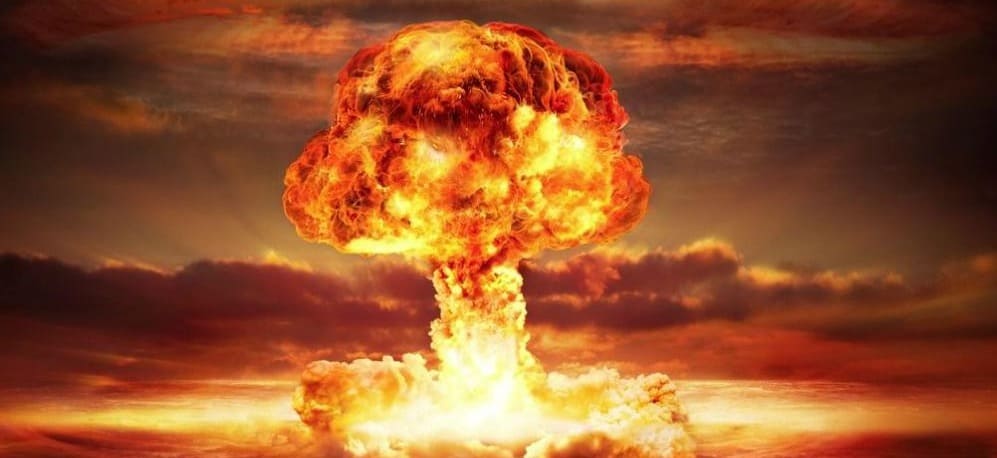
Pollution is often associated with visible waste, chemical spills, or smog-filled skies. Yet one of the most persistent and dangerous forms of environmental contamination is radioactive pollution. Unlike many other pollutants, radioactive materials can remain active for decades or even centuries, continuing to harm ecosystems and human health long after their release.
Radioactive pollution occurs when radioactive substances are introduced into the environment in concentrations that exceed natural background levels. These substances emit ionising radiation, which can damage living cells, disrupt biological systems, and alter ecosystems in ways that are often irreversible. Understanding radioactive pollution is essential in a world that relies on nuclear energy, medical radiation, and radioactive materials for industrial use.

Radioactive pollution refers to environmental contamination caused by radioactive substances released through human activity. These substances emit radiation as they decay, exposing living organisms to energy that can damage DNA, tissues, and internal organs. A detailed scientific explanation of radioactive contamination describes how radioactive particles can spread through air, water, and soil, creating long-term exposure risks.
Radioactive pollution differs from chemical pollution because it cannot be neutralised through simple treatment processes. Once radioactive materials enter the environment, their impact persists until they naturally decay, a process that can take thousands of years for certain isotopes.


Nuclear power plants are a major source of radioactive pollution risk. While normal operations are tightly regulated, accidents, leaks, or improper waste management can release radioactive substances into surrounding environments. Historical incidents such as reactor failures illustrate how radioactive fallout can spread across vast regions.
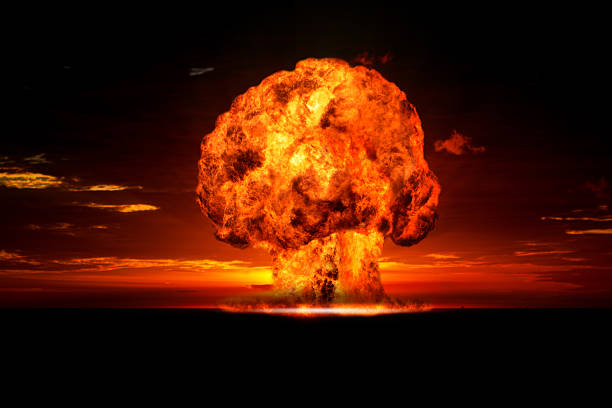
Atmospheric and underground nuclear weapons testing has released large quantities of radioactive material into the environment. Studies on radioactive fallout explain how radioactive particles from explosions travel long distances through the atmosphere before settling on land and water bodies.

Radioactive materials are widely used in medicine for diagnostics and cancer treatment, as well as in industries for imaging, sterilisation, and research. Improper disposal or accidental release from these sources contributes to environmental radiation exposure.
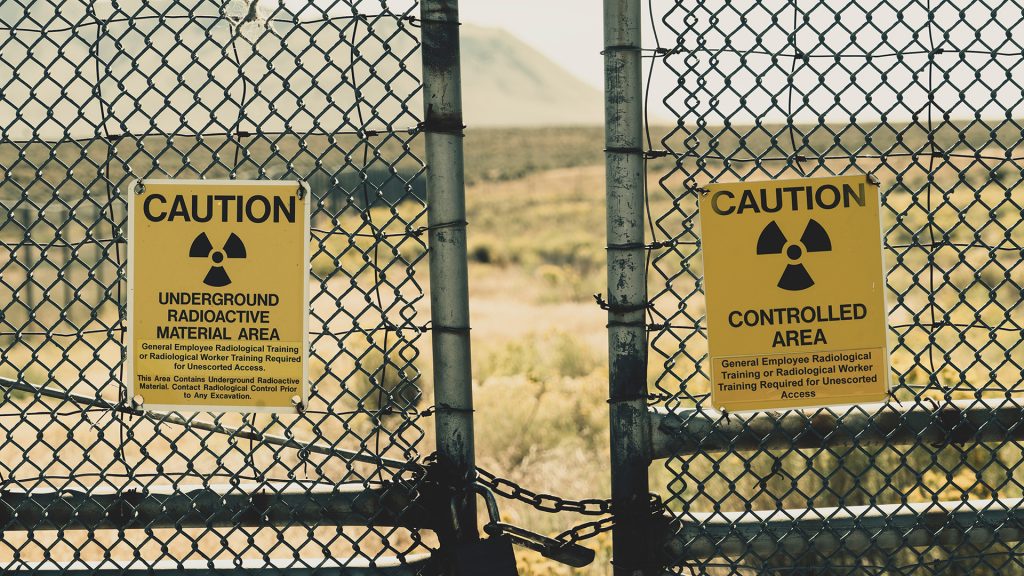
Uranium mining and processing generate radioactive waste that can contaminate soil and water if not carefully managed. Long-term exposure near mining sites has been linked to elevated radiation levels in surrounding ecosystems.
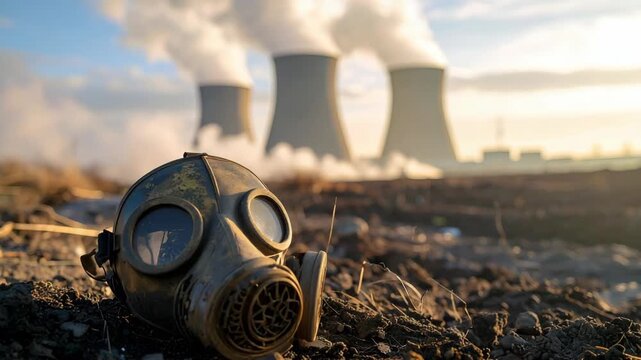
Radioactive substances can spread through air, water, and soil. Airborne particles travel with wind currents, while radioactive contaminants in water move through rivers, groundwater, and oceans. Once deposited, these substances can enter the food chain, accumulating in plants, animals, and humans.
Environmental pathways of radioactive pollution show how contamination in one location can eventually affect distant ecosystems.

Exposure to ionising radiation is linked to both immediate and long-term health effects. Short-term exposure can cause radiation sickness, burns, and organ damage. Long-term exposure increases the risk of cancer, genetic mutations, and developmental disorders.
Medical research examining the effects of radioactive pollution highlights how radiation damages DNA, leading to mutations that may persist across generations.

Radioactive pollution disrupts ecosystems by altering reproduction, growth, and survival rates in plants and animals. In contaminated zones, biodiversity often declines as sensitive species disappear, while mutations increase among surviving organisms.
Observations from long-term exclusion zones demonstrate how radioactive contamination reshapes ecosystems in unpredictable ways, sometimes for centuries.
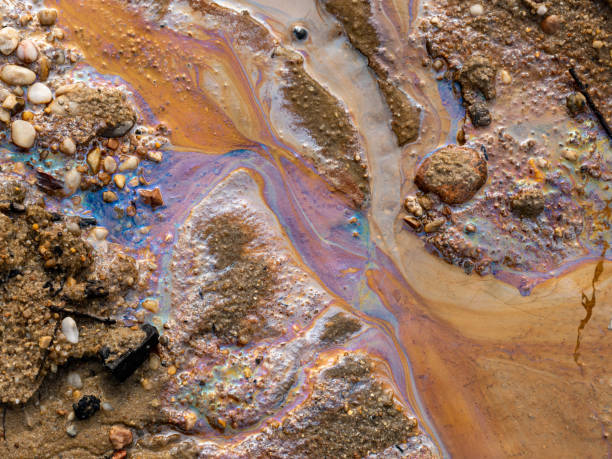
Soil acts as a long-term reservoir for radioactive substances. Once contaminated, soil can continue to expose plants and microorganisms to radiation, affecting agricultural productivity and food safety.
Studies of radioactive soil contamination explain how radioactive particles bind to soil components, making remediation extremely challenging.
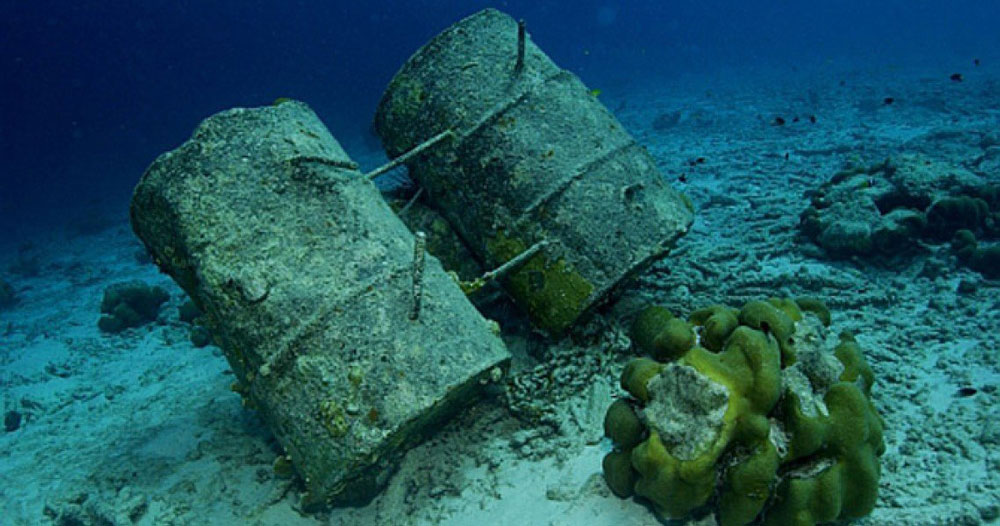
Radioactive contaminants in water bodies pose serious risks to drinking water supplies and aquatic life. Rivers and oceans can transport radioactive materials over vast distances, spreading contamination far from its original source.
Long-term monitoring of contaminated water systems shows how radioactive pollution persists even after visible cleanup efforts.

Radioactive pollution is regulated through strict international and national frameworks governing nuclear energy, waste disposal, and radiation exposure limits. Agencies monitor radiation levels in air, water, and soil to prevent unsafe exposure.
International safety standards aim to minimise the release of radioactive materials, though enforcement and effectiveness vary across regions.

One of the greatest challenges of radioactive pollution is time. Some radioactive isotopes remain hazardous for thousands of years, far exceeding human planning horizons. Safe storage, monitoring, and containment must therefore be maintained across generations.
This long-term nature makes radioactive pollution fundamentally different from most other environmental issues.

Despite advances in technology and regulation, radioactive pollution remains a global concern. Expanding nuclear energy, aging infrastructure, and legacy contamination from past activities continue to pose risks.
As societies weigh energy security, medical advancement, and environmental protection, understanding radioactive pollution is critical to making informed decisions.
Radioactive pollution is one of the most enduring and complex forms of environmental contamination. Its effects extend far beyond immediate exposure, influencing ecosystems, human health, and land use for generations.
Because radioactive materials persist long after their release, prevention, strict regulation, and responsible management are essential. Recognising the risks associated with radioactive pollution is a necessary step toward safeguarding both present and future environments.
Radioactive pollution occurs when radioactive substances contaminate air, water, or soil, exposing living organisms to harmful radiation over short or long periods.
Unlike chemical or plastic pollution, radioactive pollution can persist for decades or centuries because radioactive materials decay very slowly and cannot be neutralised easily.
Major sources include nuclear power plants, nuclear weapons testing, radioactive waste disposal, uranium mining, and medical or industrial use of radioactive materials.
Yes. Radioactive particles can travel through air, water, and soil, spreading contamination across regions and even continents through atmospheric fallout and water systems.
Exposure can cause radiation sickness, increase cancer risk, damage organs, and lead to genetic mutations that may affect future generations.
Yes. It can disrupt reproduction, cause mutations, reduce biodiversity, and alter entire ecosystems, sometimes for hundreds of years.
Yes. Legacy contamination, aging nuclear infrastructure, radioactive waste storage, and expanding nuclear energy continue to pose long-term risks.
In most cases, complete cleanup is extremely difficult. Contaminated areas often require long-term isolation, monitoring, and restricted land use.
Governments and international agencies regulate radioactive pollution through strict safety standards, radiation exposure limits, and waste management protocols.
Because its effects are long-lasting and often invisible, radioactive pollution poses serious risks to health, ecosystems, and future generations if not managed responsibly.
Related Categories
Share this blog


