

© 2026 Made for Planet • Privacy Policy • Terms & Conditions
Platform by Mission Sustainability
By Rittika rana • Jan 14, 2026
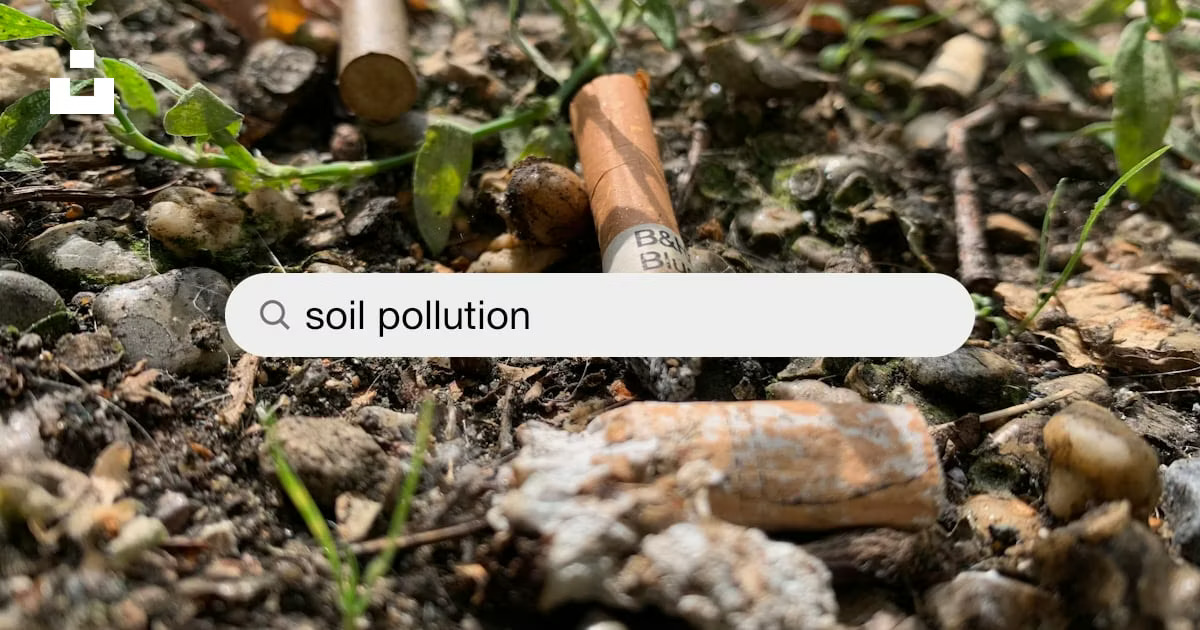
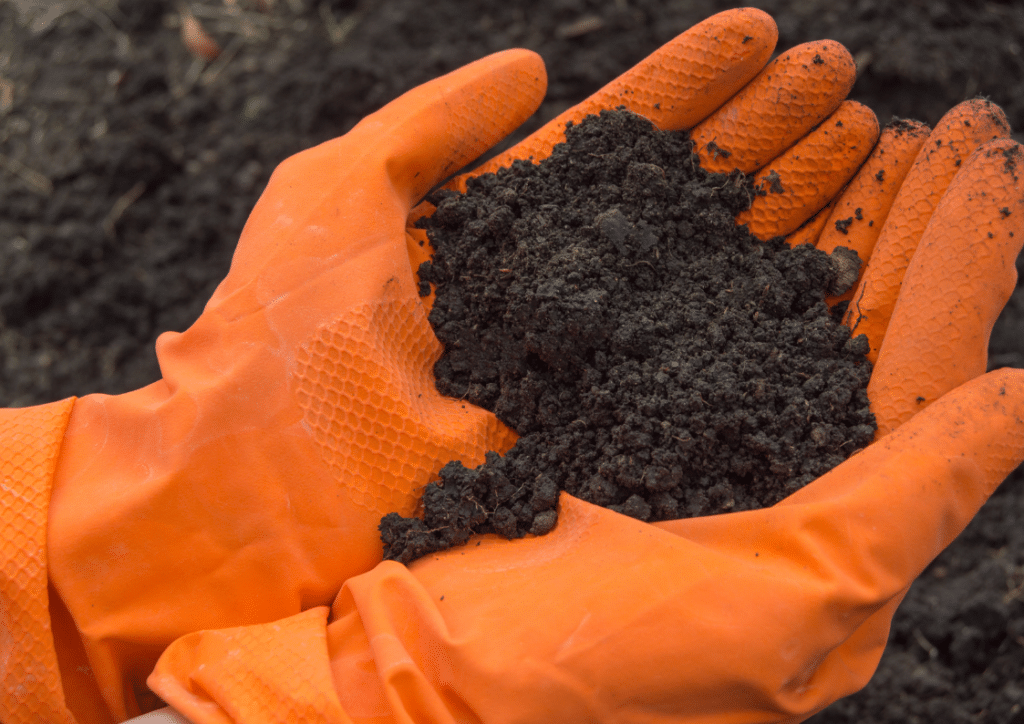
Soil pollution is one of the most serious yet underestimated environmental challenges of the modern world. Soil forms the backbone of agriculture, supports biodiversity, regulates water flow, and sustains life on Earth. However, rapid industrial growth, chemical-intensive farming, mining activities, and improper waste disposal have led to widespread contamination of soil across continents.
According to soil contamination, polluted soil can remain toxic for decades, affecting food safety, groundwater quality, and human health. Unlike air pollution, soil pollution is often invisible, making it easier to ignore but far more difficult to reverse.

Soil pollution refers to the presence of harmful substances in soil that degrade its quality and reduce its ability to support plants, animals, and humans. These substances may include chemicals, heavy metals, radioactive materials, plastics, or biological contaminants. A simplified scientific explanation of soil pollution describes how contaminants disrupt soil microorganisms, reduce fertility, and alter the natural composition of soil, making it unsuitable for agriculture and ecosystems.

Soil pollution can be broadly classified into the following types:
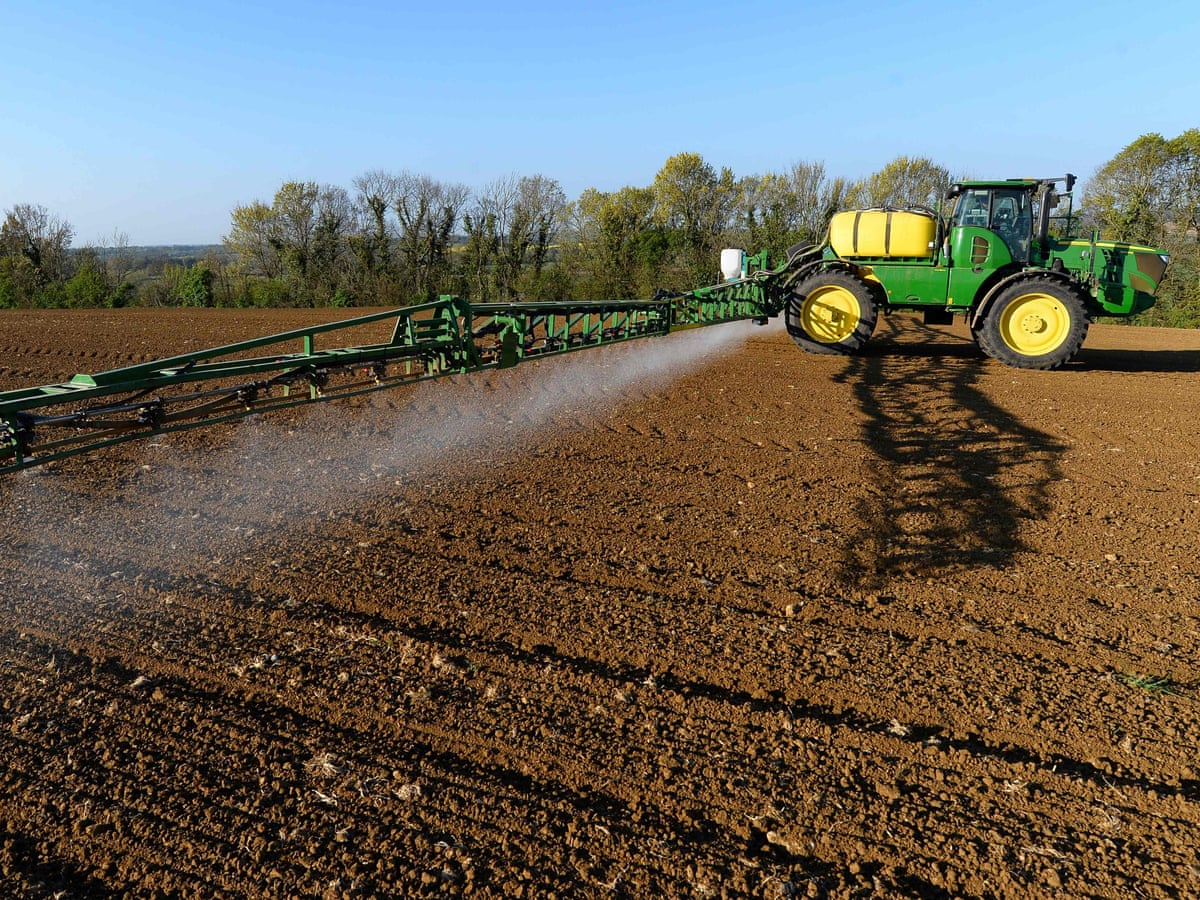
Caused by excessive use of chemical fertilizers, pesticides, herbicides, and insecticides that accumulate in soil over time.

Results from improper disposal of industrial waste, chemicals, and heavy metals such as lead, mercury, and cadmium.
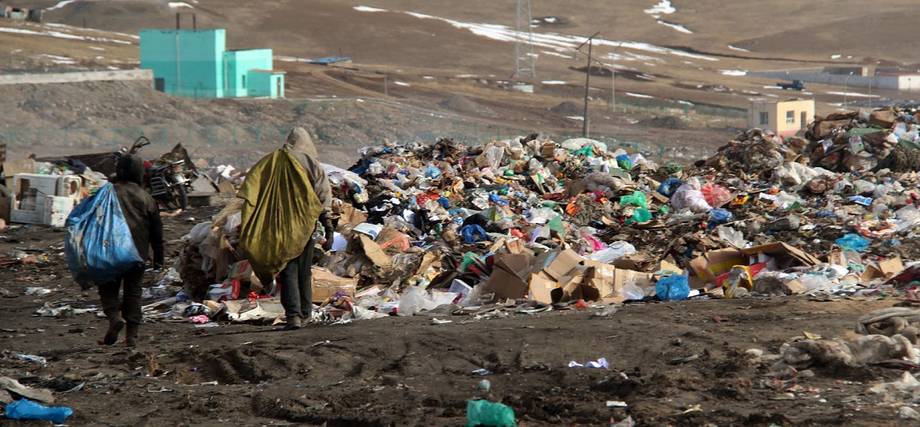
Linked to landfills, sewage sludge, plastic waste, construction debris, and oil leakage in cities.
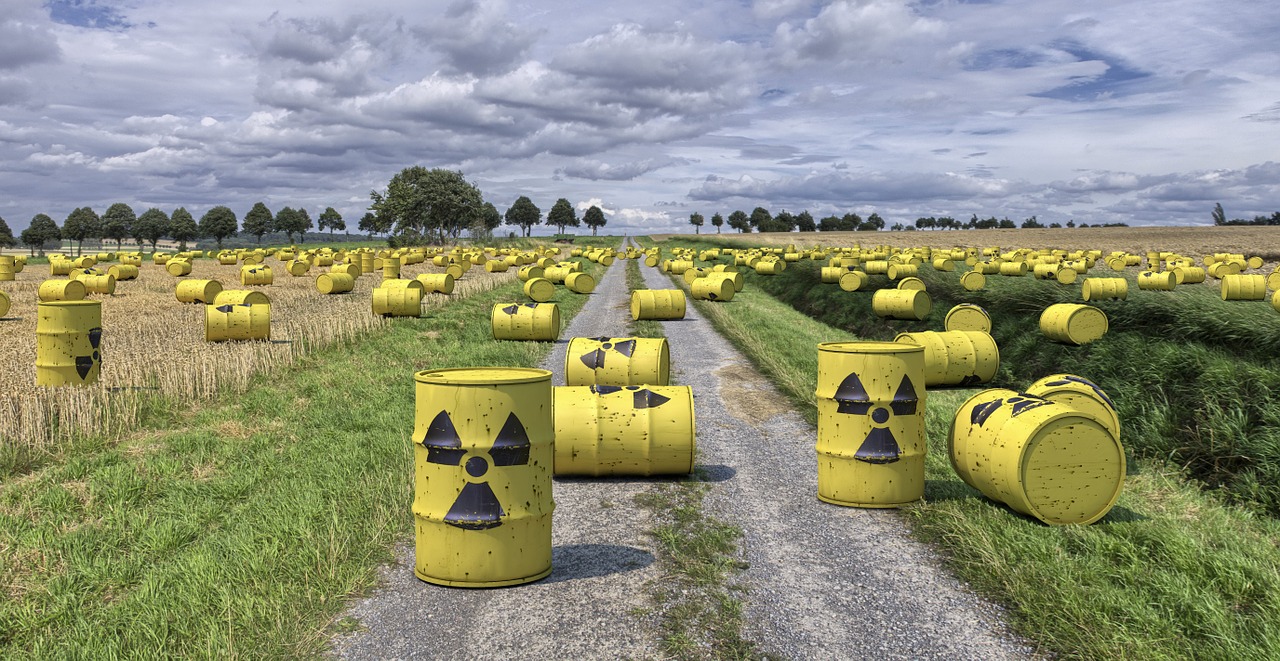
Occurs due to nuclear testing, radioactive waste disposal, and accidental leaks from nuclear facilities. An overview of soil pollution causes and effects explains how these categories often overlap in real-world scenarios.
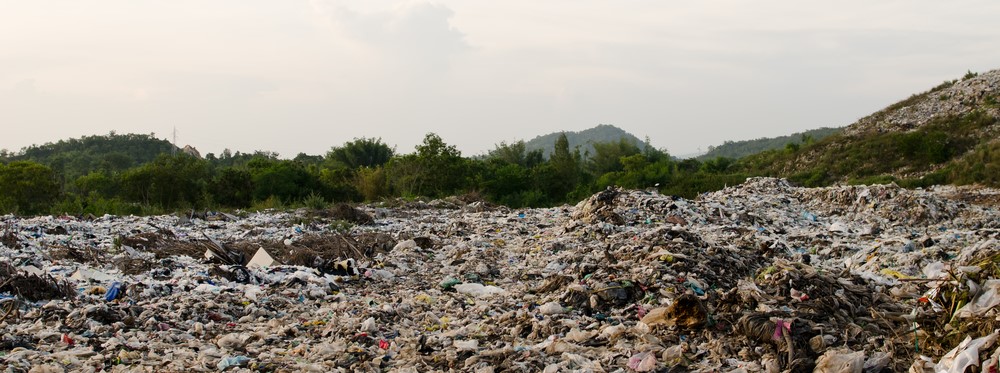
The causes of soil pollution are primarily human-driven:
Chemical fertilizers and pesticides that alter soil chemistry
Industrial waste dumping and untreated effluents
Plastic waste and e-waste that release microplastics and toxins
Mining and smelting activities that introduce heavy metals
Oil spills and leakage contaminating land and groundwater
The UNEP global assessment of soil pollution confirms that agriculture and industrial chemicals are the largest contributors worldwide.

Soil pollution severely impacts natural systems:
Loss of soil fertility, reducing crop productivity
Groundwater contamination through leaching of toxins
Biodiversity loss, affecting insects, microbes, and plants
Disruption of ecosystems and nutrient cycles
According to the FAO soil degradation and restoration report, polluted soil accelerates land degradation and threatens global food security.

Soil pollution poses serious risks to human health, mainly through the food chain. Crops grown in contaminated soil absorb toxic substances, which then accumulate in the human body.
Health risks include:
Heavy metal poisoning
Neurological and developmental disorders
Hormonal imbalance
Increased cancer risk
The WHO soil and human health overview highlights that children are particularly vulnerable due to higher exposure and developing immune systems.
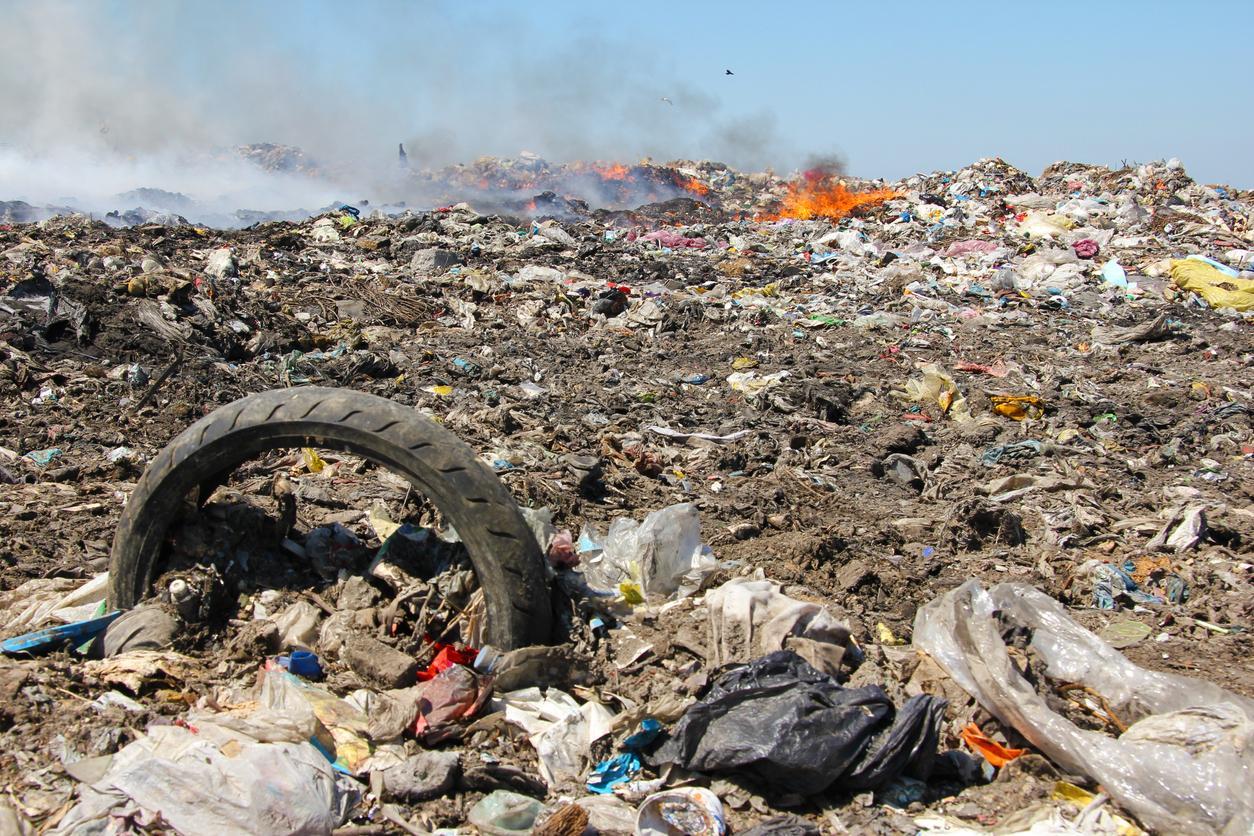
Examples of soil pollution can be found globally:
Industrial zones contaminated by chemical dumping
Farmlands affected by decades of pesticide use
Urban landfills leaking toxins into surrounding soil
Environmental reporting by National Geographic on soil pollution shows how contaminated land continues to affect communities long after pollution sources are removed.
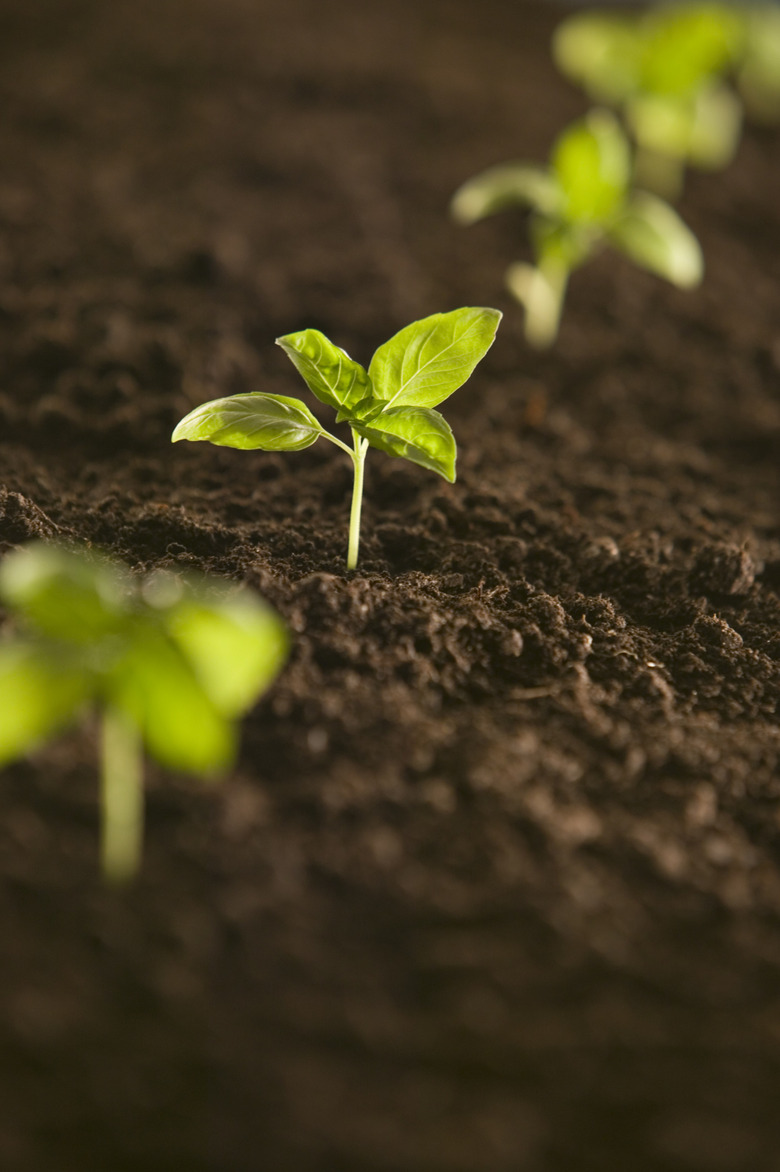
Effective soil pollution solutions focus on prevention and restoration:

Reducing chemical inputs and promoting organic farming practices.

Methods such as bioremediation and phytoremediation use microbes and plants to remove toxins.
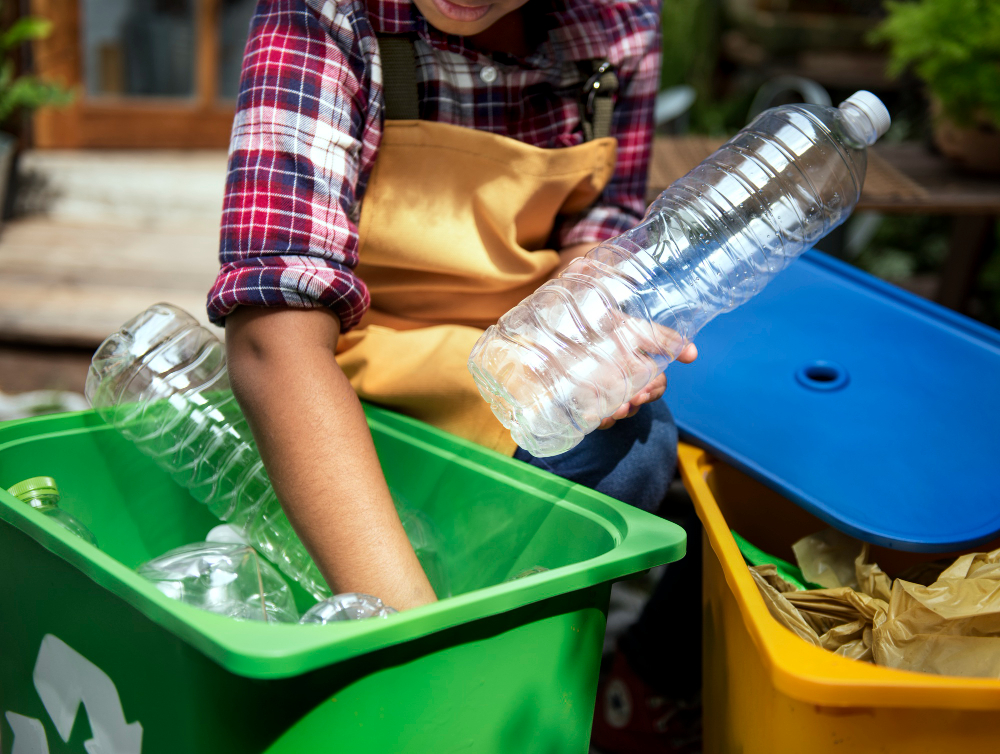
Safe disposal and recycling of industrial and urban waste.
Strict enforcement of environmental laws and monitoring of soil quality. Modern remediation methods are detailed in US EPA soil cleanup technologies.
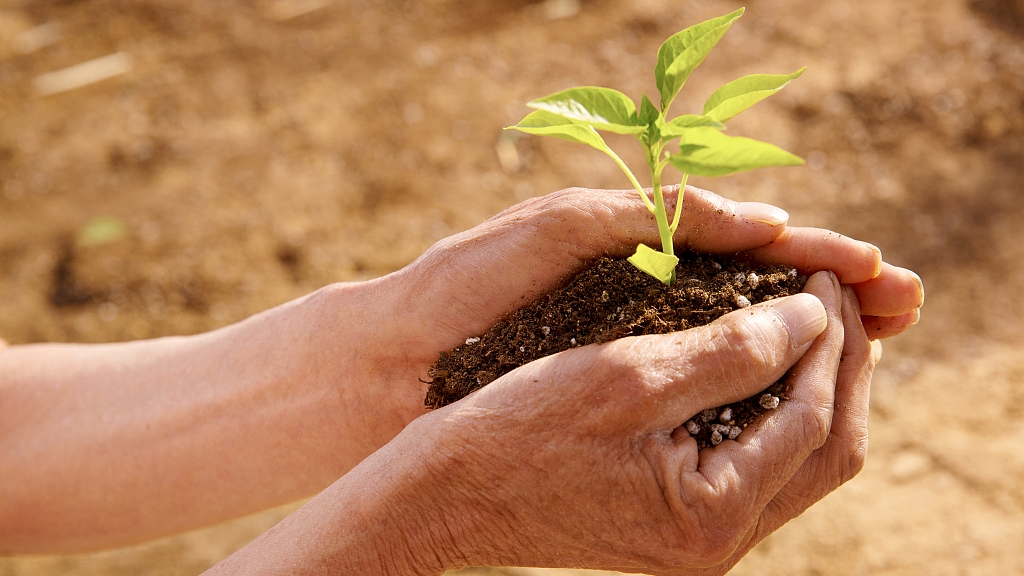
Individuals can help reduce soil pollution by:
Minimising chemical use at home and gardens
Practising waste segregation and composting
Supporting organic and sustainable food systems
Disposing hazardous waste responsibly
Public awareness initiatives promoted by the UN Environment Programme stress the importance of individual responsibility in pollution prevention.
Soil pollution threatens food security, public health, and ecological balance. Unlike air or water pollution, contaminated soil can remain toxic for generations if left untreated. Addressing this issue requires sustainable agriculture, responsible industrial practices, strong environmental policies, and public participation. Protecting soil today is essential for ensuring a safe, healthy, and sustainable future.
Soil pollution occurs when harmful chemicals, waste, or contaminants enter the soil, reducing its fertility and making it unsafe for plants, animals, and humans. It disrupts natural soil processes and food production.
The main causes of soil pollution include excessive use of chemical fertilizers and pesticides, industrial waste dumping, plastic and e-waste disposal, mining activities, and oil spills that contaminate land.
Polluted soil transfers toxic substances such as heavy metals and pesticides into crops. When humans consume these contaminated foods, it increases the risk of long-term health problems.
Soil pollution can cause health issues such as neurological disorders, respiratory problems, hormonal imbalance, and increased cancer risk due to long-term exposure through food, water, or direct contact.
Many soil pollutants do not break down easily and can remain in the ground for decades. This makes soil pollution difficult and expensive to reverse once contamination occurs.
Toxic chemicals in polluted soil can seep downward and contaminate groundwater sources. This affects drinking water quality and increases health risks for nearby communities.
Soil pollution can be agricultural, industrial, urban, or radioactive. Each type originates from different human activities but often overlaps in real-world environments.
Yes, soil pollution can be reduced through remediation techniques such as bioremediation, phytoremediation, and soil replacement. However, recovery often takes many years.
Heavy metals like lead and mercury, industrial chemicals, pesticides, and radioactive substances are among the most dangerous soil pollutants due to their toxicity and persistence.
Polluted soil reduces nutrient availability, damages plant roots, and lowers crop yield. In severe cases, crops grown in contaminated soil become unsafe for consumption.
No. Soil pollution also occurs in agricultural fields due to chemical use and in urban areas due to waste dumping, construction debris, and sewage contamination.
Soil pollution leads to land degradation, biodiversity loss, and ecosystem imbalance. It also worsens water and air pollution through chemical runoff and dust.
Modern agriculture contributes to soil pollution through overuse of fertilizers, pesticides, and herbicides. These chemicals accumulate in soil and alter its natural composition.
Individuals can reduce soil pollution by minimising chemical use, practising waste segregation, composting organic waste, supporting sustainable farming, and disposing hazardous waste responsibly.
Healthy soil is essential for food security, clean water, climate regulation, and biodiversity. Protecting soil today ensures sustainable agriculture and a healthier environment for future generations.
Related Categories
Share this blog


