

© 2026 Made for Planet • Privacy Policy • Terms & Conditions
Platform by Mission Sustainability
By Rittika rana • Jan 20, 2026
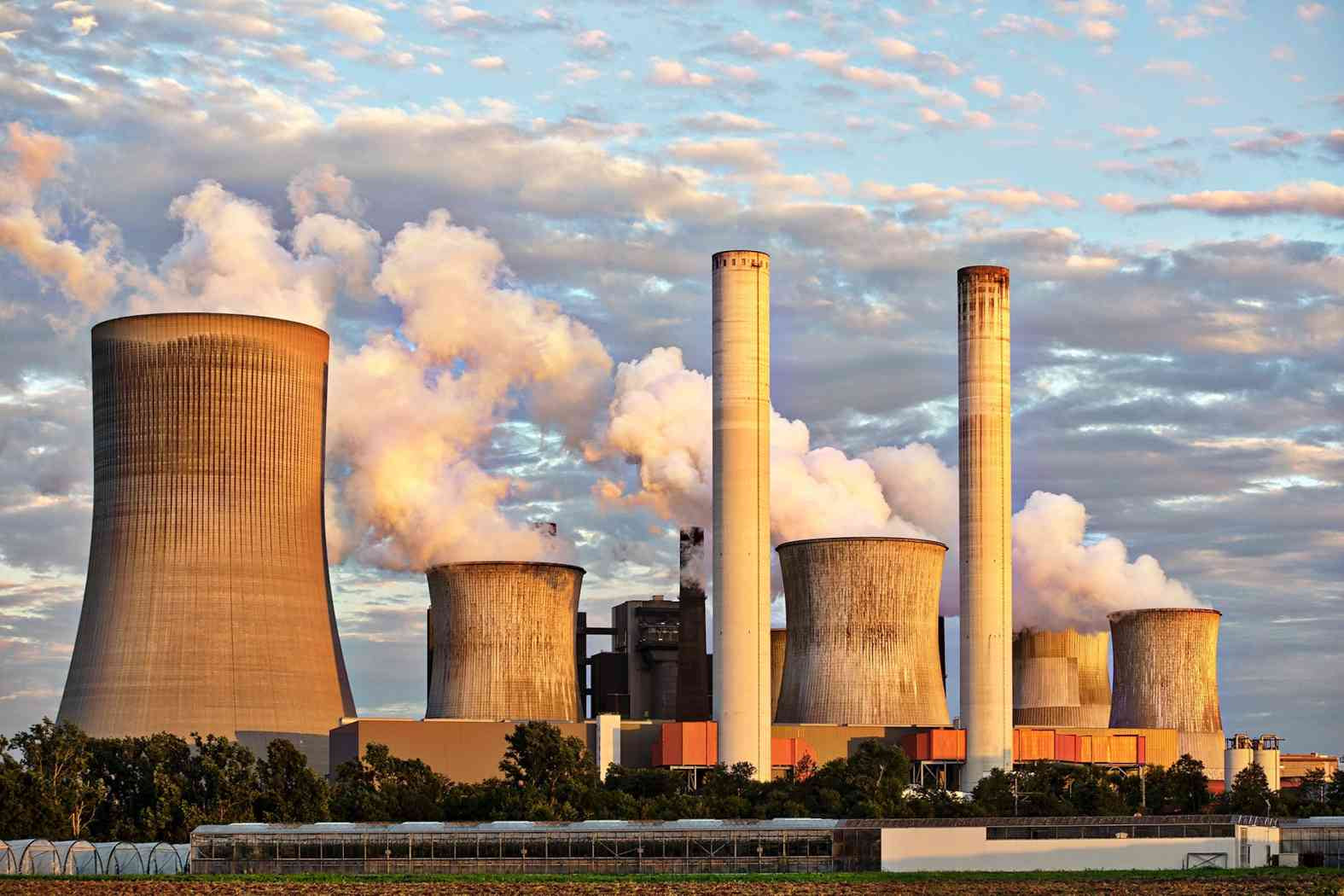
When environmental pollution is discussed, attention usually turns to plastic waste, air contamination, or toxic chemicals. Far less visible, but equally damaging, is thermal pollution — a form of environmental stress caused by unnatural temperature changes in natural ecosystems.
Thermal pollution occurs quietly, without the dramatic visuals associated with oil spills or smog. Yet by altering temperature, a fundamental condition for life, it disrupts aquatic ecosystems, weakens biodiversity, and amplifies the effects of climate change. As industrial activity and energy demand continue to rise, thermal pollution is becoming increasingly widespread.
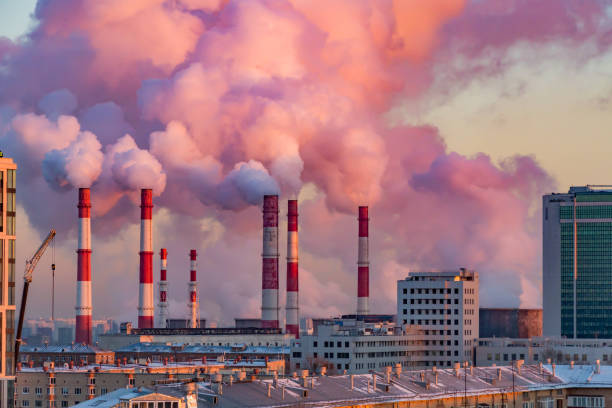
Thermal pollution refers to the degradation of environmental quality caused by human-induced temperature changes, most commonly in water bodies. These changes usually occur when water used for cooling in industrial or power generation processes is released back into rivers, lakes, or oceans at elevated temperatures.
Aquatic organisms are highly sensitive to temperature. Even small increases can affect dissolved oxygen levels, metabolism, growth rates, and reproductive cycles. Because of this sensitivity, temperature shifts caused by human activity can have far-reaching ecological consequences.
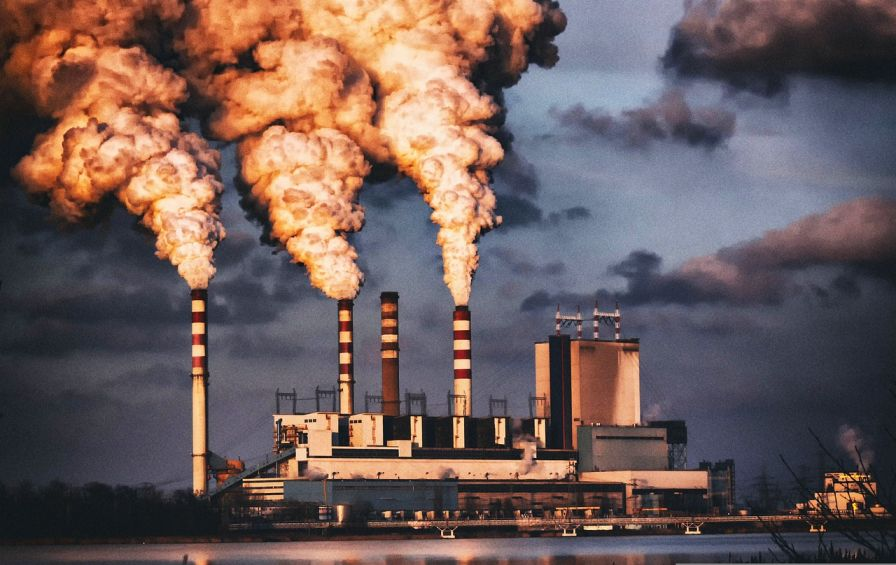
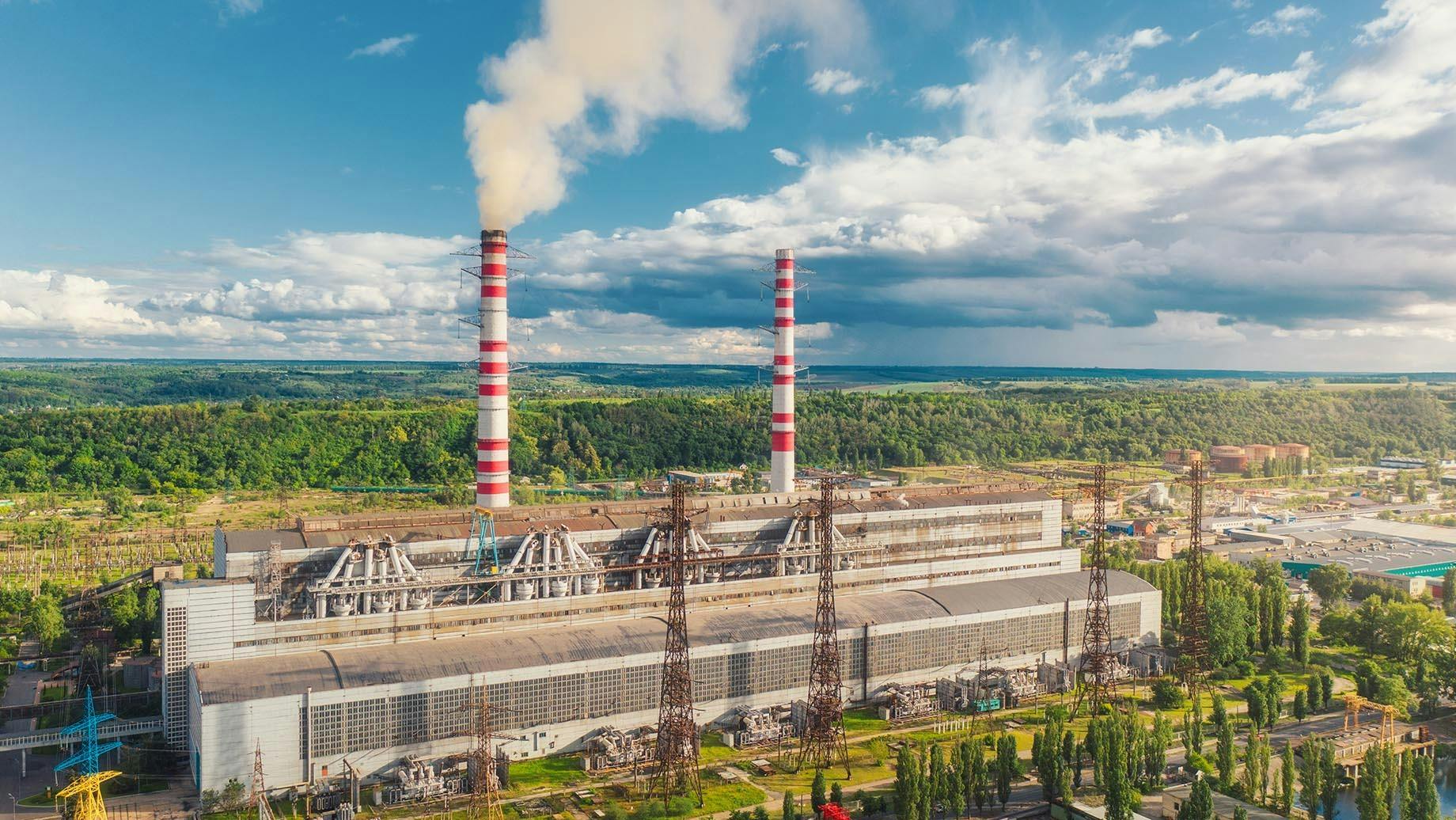
The most common cause of thermal pollution is industrial cooling. Power plants, especially coal, gas, and nuclear facilities, use large volumes of water to absorb excess heat during electricity generation. Once heated, this water is often discharged into nearby water bodies, raising local temperatures. This process is clearly explained in discussions of thermal pollution from power plants.
Industries such as steel manufacturing, oil refining, and chemical processing also release warm effluents. In urban areas, stormwater runoff flowing over heated roads and buildings carries additional heat into rivers and lakes, intensifying the problem.
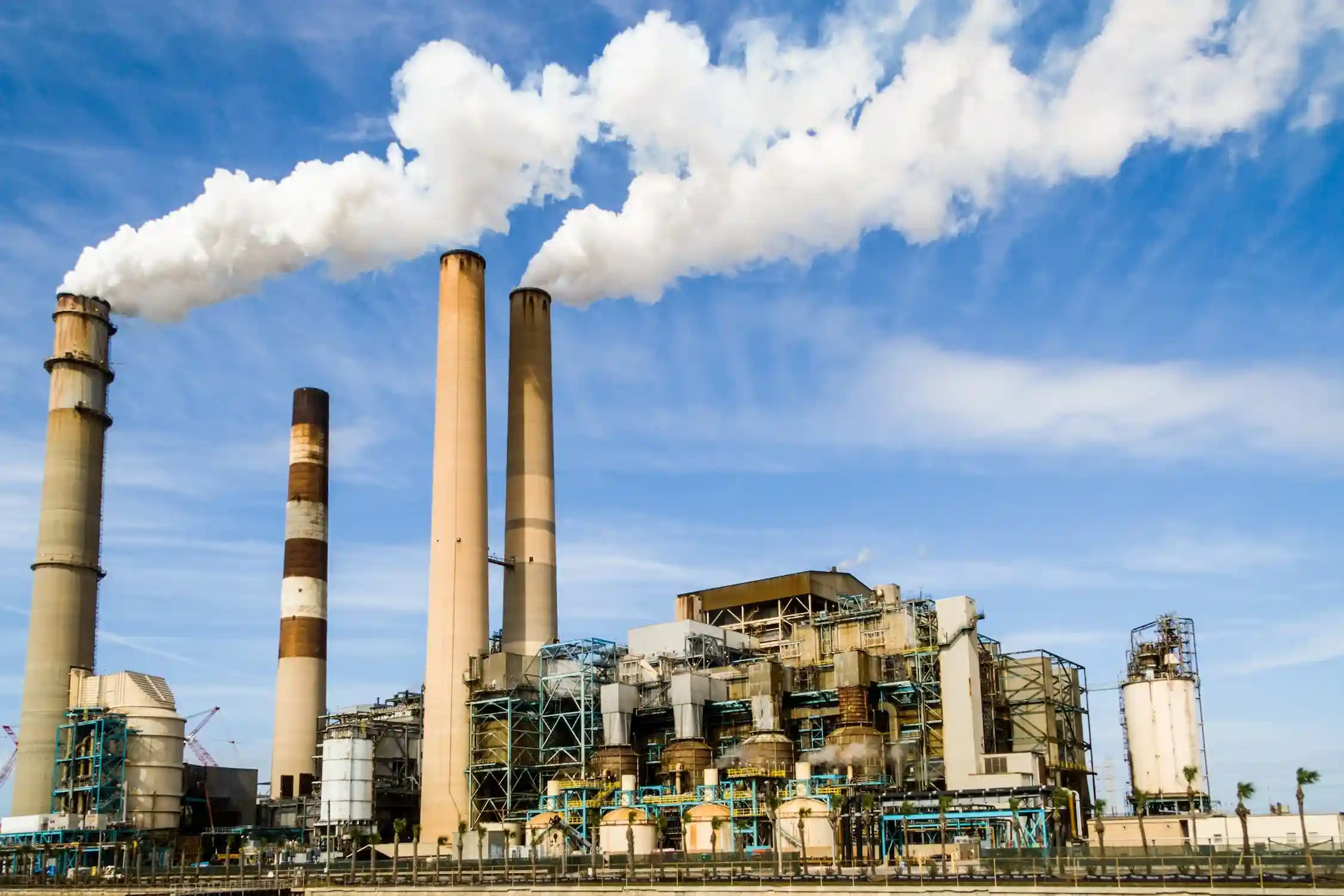
 Thermal power stations are the largest contributors to thermal pollution globally. Cooling water discharged from these plants can raise river temperatures significantly, especially during low-flow periods. Detailed environmental explanations of thermal pollution caused by energy production show how continuous heat discharge alters aquatic ecosystems over time.
Manufacturing processes that operate at high temperatures generate waste heat. Without proper cooling or heat recovery, this heat is transferred into surrounding environments.
Cities trap heat due to concrete surfaces and limited vegetation. Warm runoff from urban areas adds to thermal stress in nearby water bodies.
The removal of vegetation along riverbanks reduces natural shading. Increased sunlight exposure warms water surfaces, a process strongly linked to land-use driven thermal pollution.
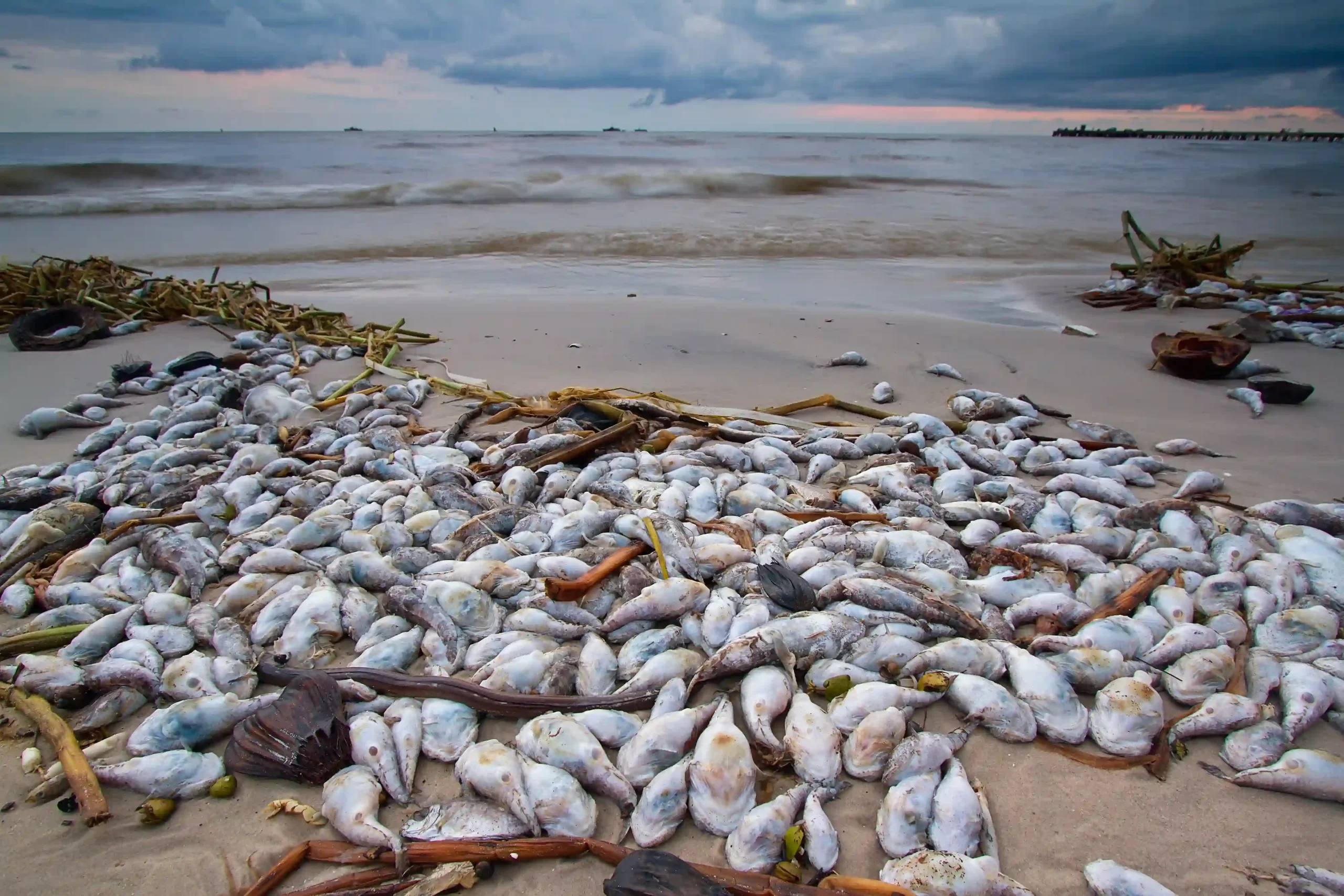
Aquatic organisms depend on stable temperature ranges. When water warms, its capacity to hold oxygen decreases, while the metabolic demand of organisms increases. This imbalance often leads to oxygen stress, fish kills, and population decline. Research on thermal stress in aquatic ecosystems documents these impacts across freshwater and marine systems.
Species that cannot tolerate warmer conditions are replaced by heat-tolerant organisms, reducing biodiversity and altering food webs.
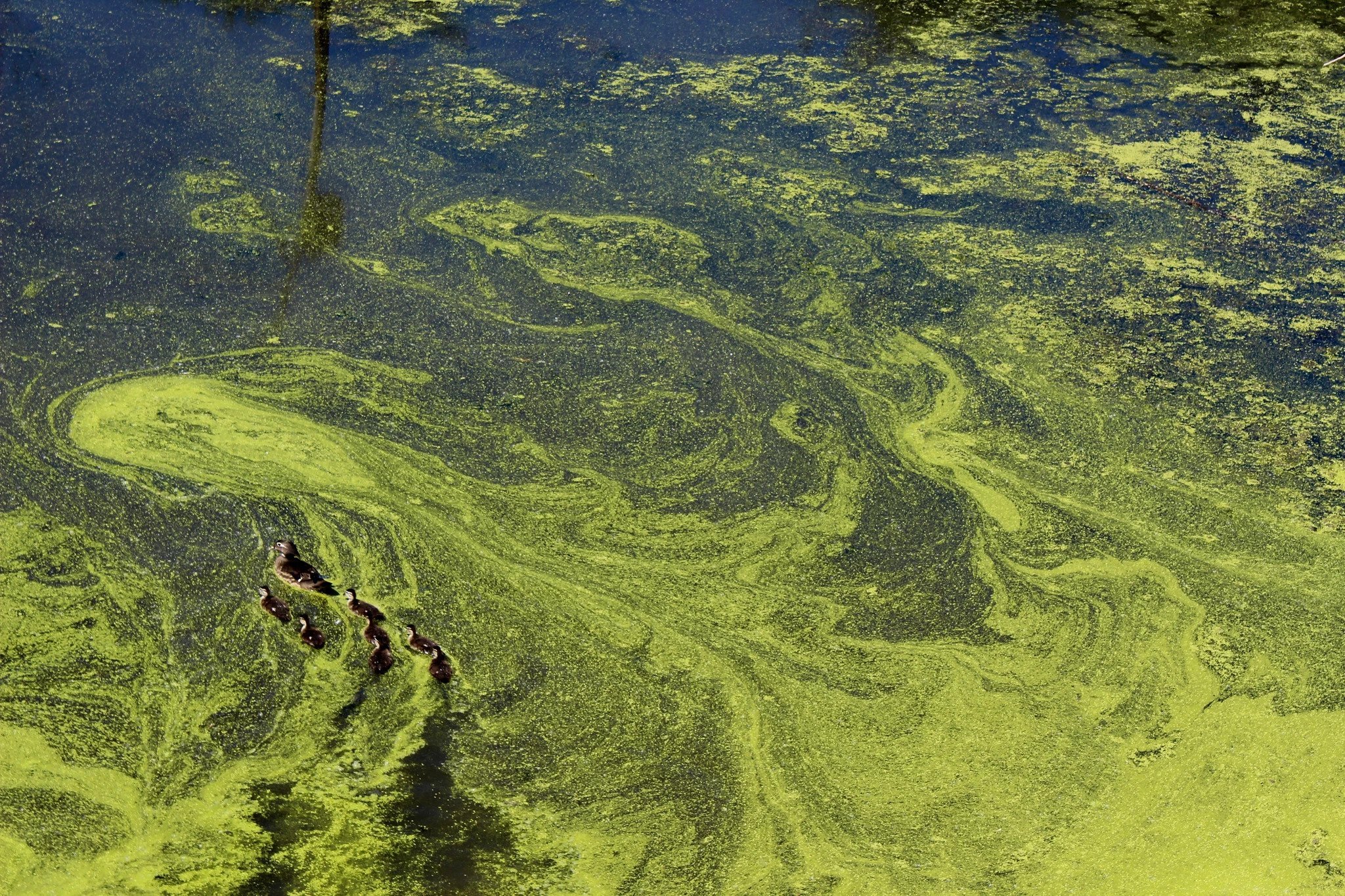
Higher water temperatures accelerate algal growth. Warm conditions favour algae and cyanobacteria, leading to blooms that block sunlight and disrupt aquatic habitats. As these blooms die and decompose, oxygen levels fall further, creating dead zones where most aquatic life cannot survive.
Thermal pollution therefore magnifies the effects of nutrient pollution rather than acting independently.
Sustained exposure to thermal pollution reshapes ecosystems. Breeding cycles change, migration patterns shift, and predator-prey relationships weaken. Once these systems are altered, recovery can take decades, even if temperatures later stabilise.
Environmental assessments of long-term thermal pollution effects highlight how chronic heat exposure reduces ecosystem resilience.

Climate change is already raising global air and water temperatures. When industrial heat discharge adds to this baseline warming, ecosystems face compounded stress. Studies on rising water temperatures show that thermal pollution becomes more damaging as background temperatures increase.
This interaction makes thermal pollution a critical issue in climate adaptation planning.

Thermal pollution affects fisheries, aquaculture, and tourism. Warmer waters reduce fish stocks, disrupt livelihoods, and increase water treatment costs. Elevated temperatures also encourage pathogen growth, creating risks for drinking water supplies and public health.
These links place thermal pollution within broader discussions of environmental and human well-being.
Many countries regulate thermal pollution by limiting allowable temperature increases in receiving waters. Power plants are often required to use cooling towers or closed-loop systems to minimise heat discharge. Regulatory approaches to thermal pollution control are typically embedded within water quality standards.
Effective mitigation strategies include cooling towers, heat recovery systems, closed-loop cooling, and restoring vegetation along waterways. These approaches reduce ecological harm while improving industrial efficiency.
Thermal pollution is a silent but serious environmental challenge. By altering temperature regimes, it threatens aquatic ecosystems, biodiversity, and human livelihoods. Unlike many pollutants, heat cannot be removed once released, making prevention essential. As global energy demand grows and climate change accelerates, managing excess heat responsibly must become a core part of environmental protection efforts.
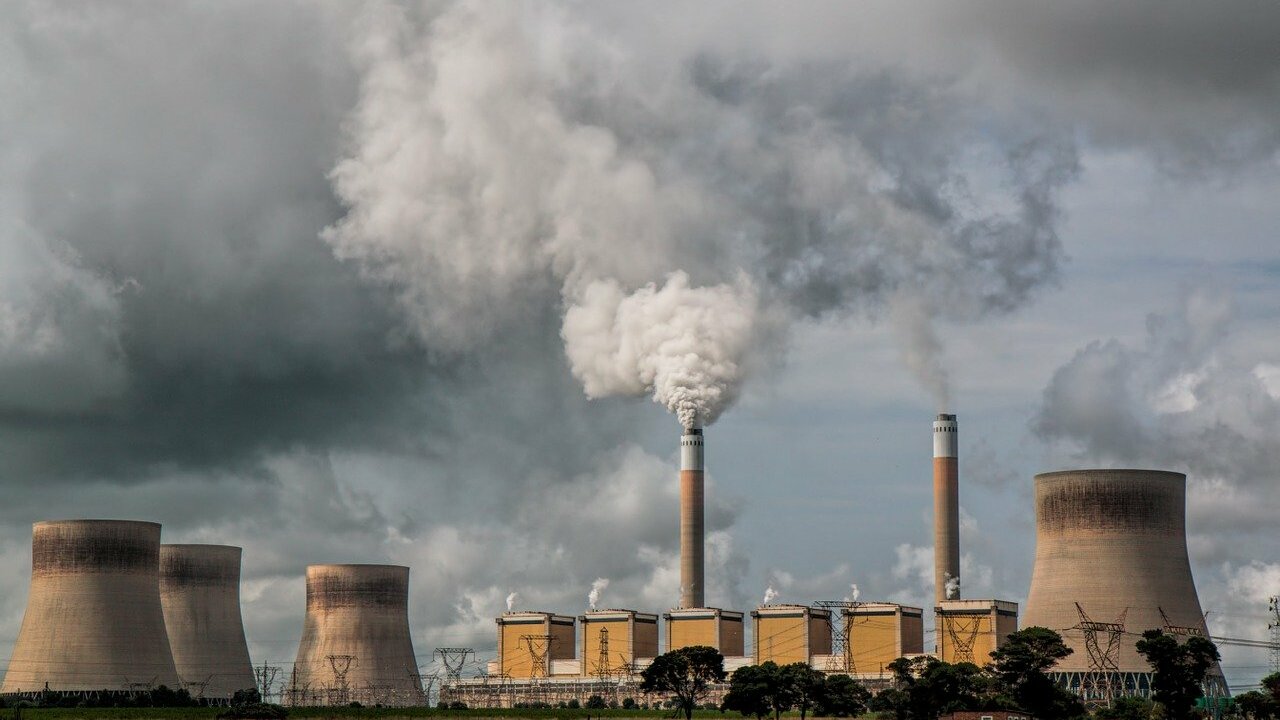
Thermal pollution happens when human activities change the natural temperature of water bodies, usually by releasing heated water from industries or power plants into rivers, lakes, or oceans.
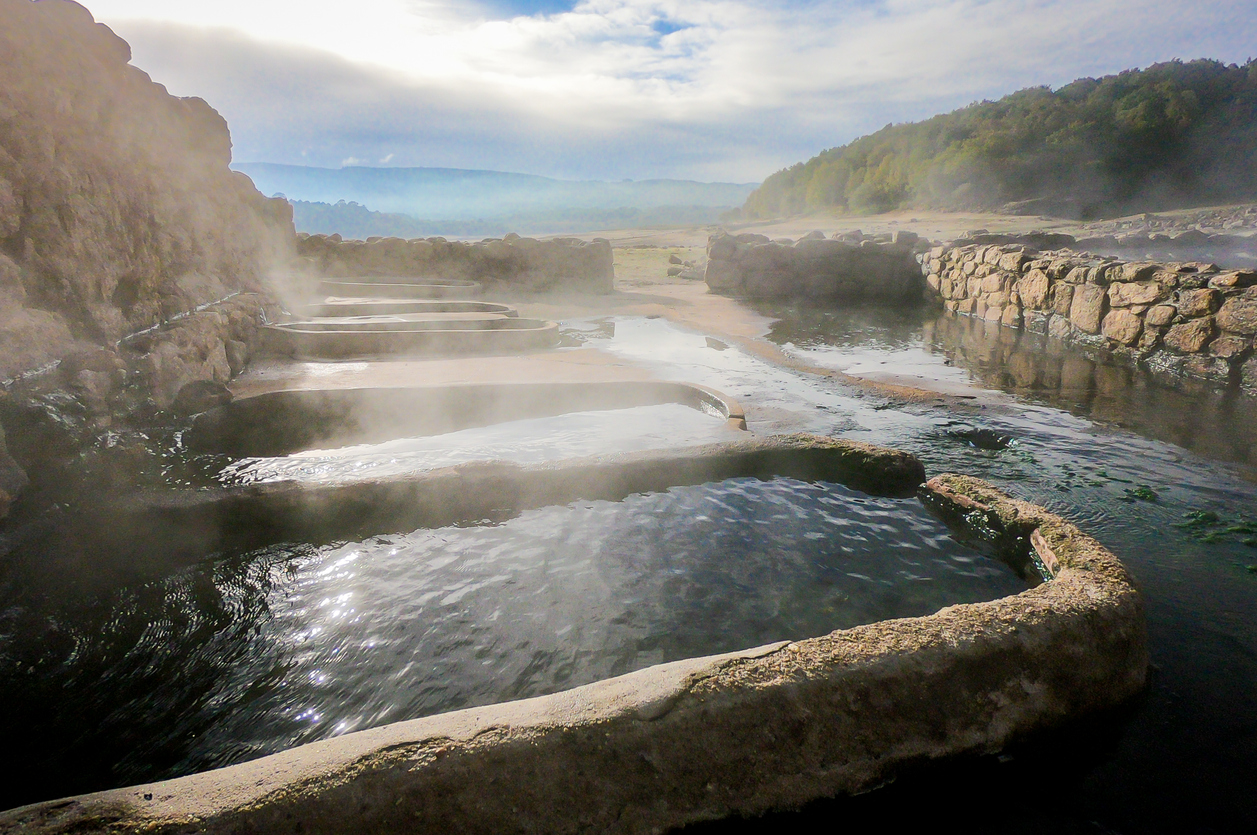
Aquatic organisms depend on stable temperatures. Even small increases can reduce oxygen levels in water, disrupt metabolism, and lead to stress or death in fish and other species.
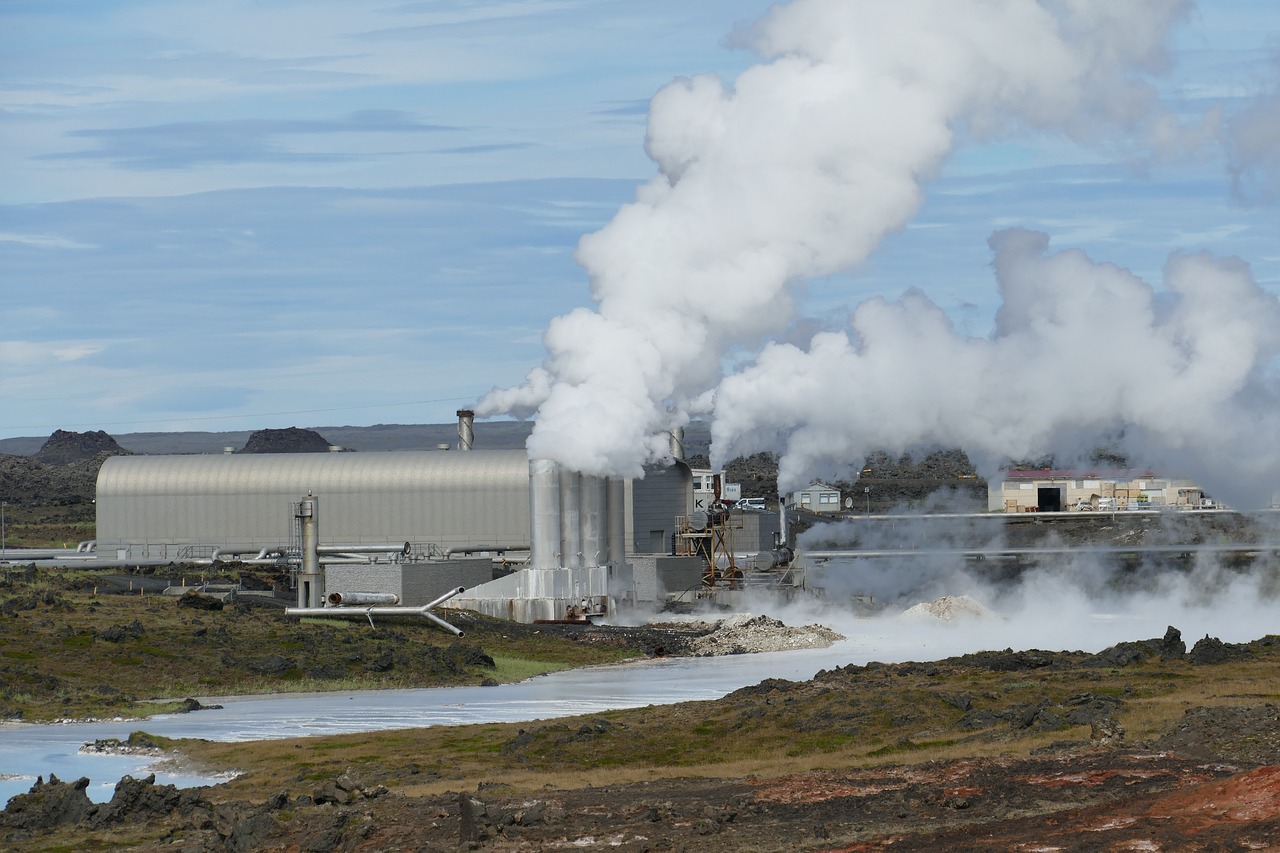
The primary sources include power plants, industrial manufacturing units, urban runoff, and deforestation near water bodies that increases sunlight exposure.
Warm water holds less dissolved oxygen than cooler water. As temperatures rise, oxygen availability decreases while organisms need more oxygen, creating dangerous conditions.

Yes. Climate change raises baseline air and water temperatures, making ecosystems more vulnerable to additional heat from industrial discharges and urban development.

Yes. Sudden temperature increases can shock fish, reduce oxygen levels, and trigger large-scale fish mortality events, especially during warm seasons.
Many countries regulate thermal pollution by limiting how much warmer discharged water can be compared to natural water temperatures, often requiring cooling systems.
Cooling towers, closed-loop cooling systems, heat recovery technologies, and restoring vegetation along waterways are effective ways to control thermal pollution.
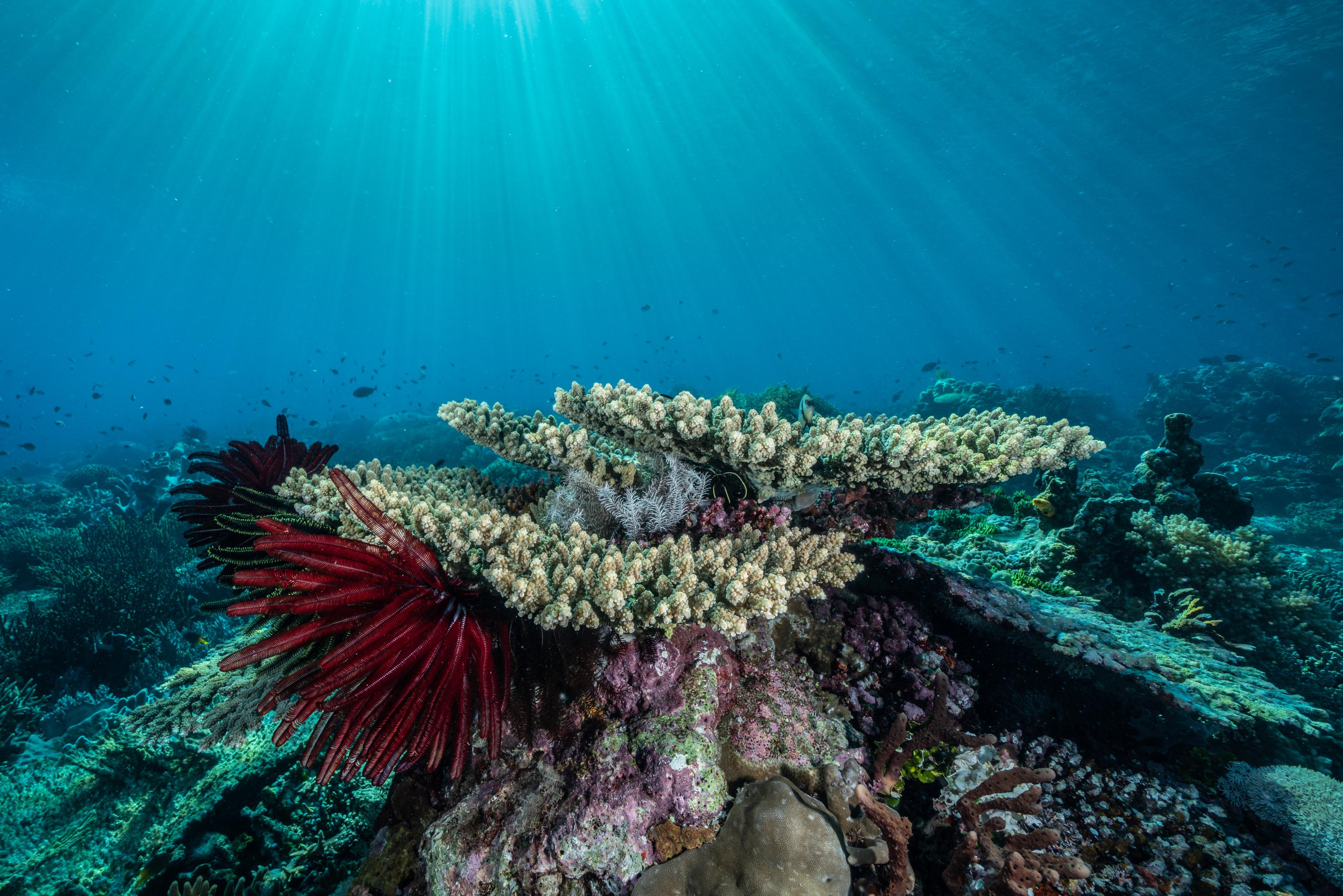
While it mainly affects water bodies, thermal pollution can also influence surrounding ecosystems and local climates, especially near large industrial zones.
Because it does not produce visible waste or odour, thermal pollution is less noticeable than other forms of pollution, despite its serious ecological impact.
Related Categories
Share this blog