

© 2026 Made for Planet • Privacy Policy • Terms & Conditions
Platform by Mission Sustainability
By Rittika rana • Jan 16, 2026
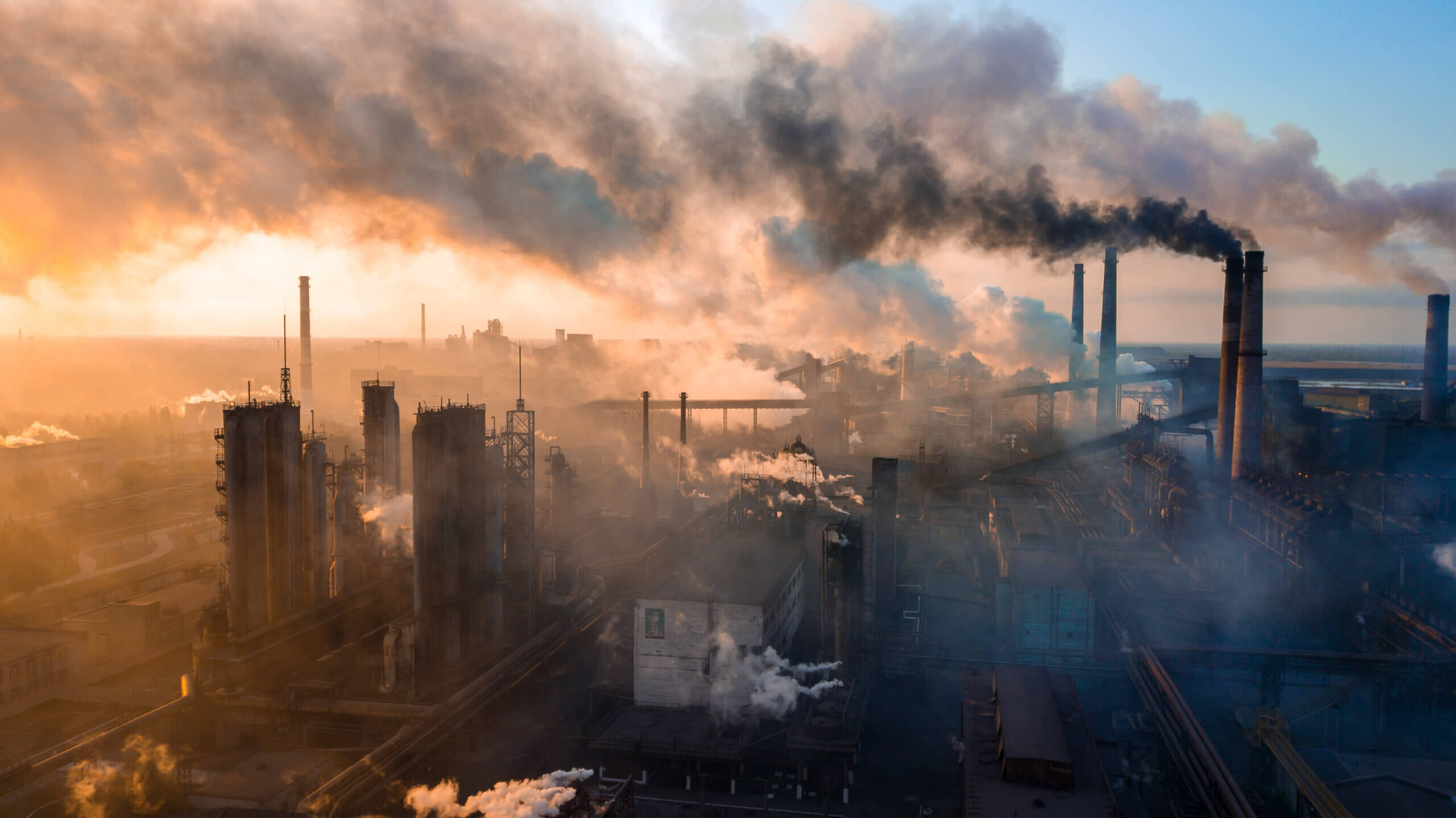
Pollution is one of the defining challenges of the modern world. It occurs when harmful substances or forms of energy are introduced into the environment faster than natural systems can absorb, dilute, or neutralise them. Over time, this imbalance disrupts ecosystems, damages human health, and threatens the stability of the planet. Environmental science commonly categorises pollution based on the part of the environment it affects, a framework that helps explain how different human activities generate distinct but interconnected forms of environmental damage.
As societies have industrialised and consumption patterns have intensified, the types of pollution have expanded well beyond the traditional categories. In addition to air, water, and land pollution, modern life has introduced noise, light, plastic, and digital pollution—forms that are often invisible yet deeply disruptive. Understanding these types is essential for addressing pollution at its source rather than responding only after damage has occurred.

Air pollution occurs when gases, fine particles, or toxic substances contaminate the atmosphere. Emissions from vehicles, power plants, factories, and the burning of fossil fuels release pollutants such as carbon monoxide, nitrogen oxides, sulfur dioxide, and particulate matter into the air. These substances contribute to smog formation, acid rain, and the accumulation of greenhouse gases.
Long-term exposure to polluted air increases the risk of respiratory illness, cardiovascular disease, and premature mortality. Beyond human health, air pollution alters climate patterns by trapping heat in the atmosphere, intensifying extreme weather events and global warming.
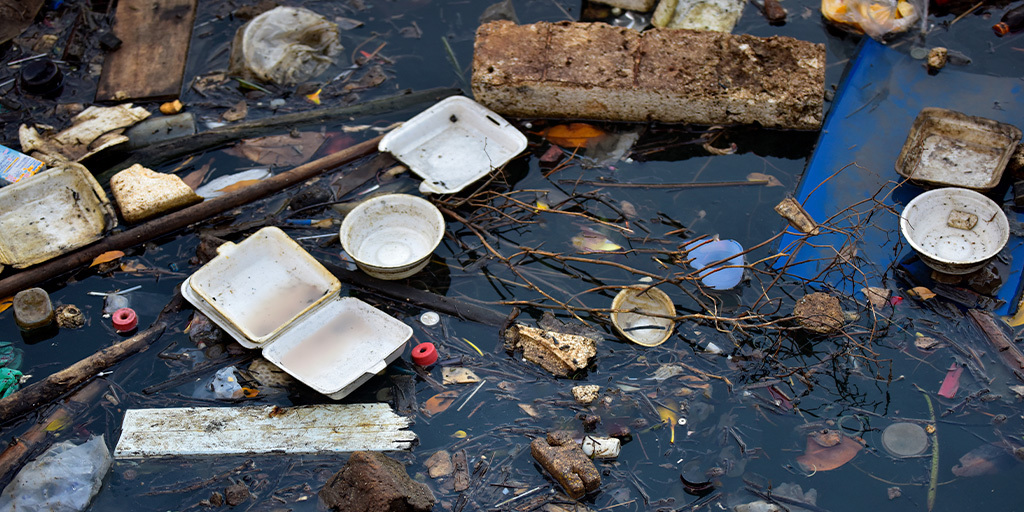
Water pollution refers to the contamination of rivers, lakes, oceans, and groundwater by harmful chemicals, waste, and plastics. Industrial effluents, agricultural runoff, untreated sewage, and oil spills introduce toxins into water systems, threatening aquatic life and drinking water supplies.
Nutrient-rich runoff from fertilisers often leads to eutrophication, where excessive algae growth depletes oxygen and creates dead zones incapable of supporting life. The ecological consequences of water pollution extend far beyond local waterways, affecting fisheries, coastal economies, and global biodiversity.
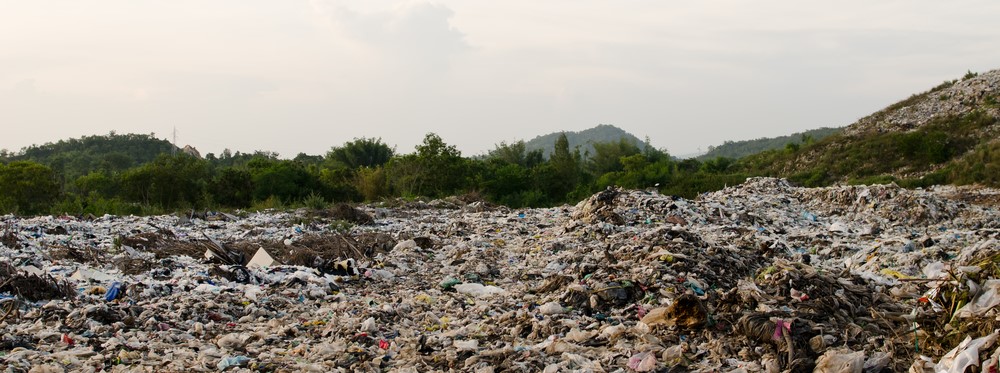
Soil pollution, also known as land pollution, occurs when hazardous substances degrade soil quality and fertility. Excessive use of pesticides, improper disposal of industrial waste, landfill leakage, mining activities, and oil spills introduce toxins into the soil. Contaminated soil loses its ability to support crops and microorganisms, reducing agricultural productivity and increasing food safety risks. Pollutants can persist in soil for decades, gradually entering groundwater or food chains, making soil pollution one of the most difficult forms of pollution to reverse.

Noise pollution is the presence of excessive or disruptive sound that interferes with normal activities and wellbeing. Common sources include road traffic, aircraft, construction, industrial machinery, and densely populated urban environments. Prolonged exposure to high noise levels contributes to hearing loss, sleep disturbances, stress, reduced concentration, and increased risk of heart disease. Wildlife is also affected, as many species rely on sound for communication, navigation, and reproduction.
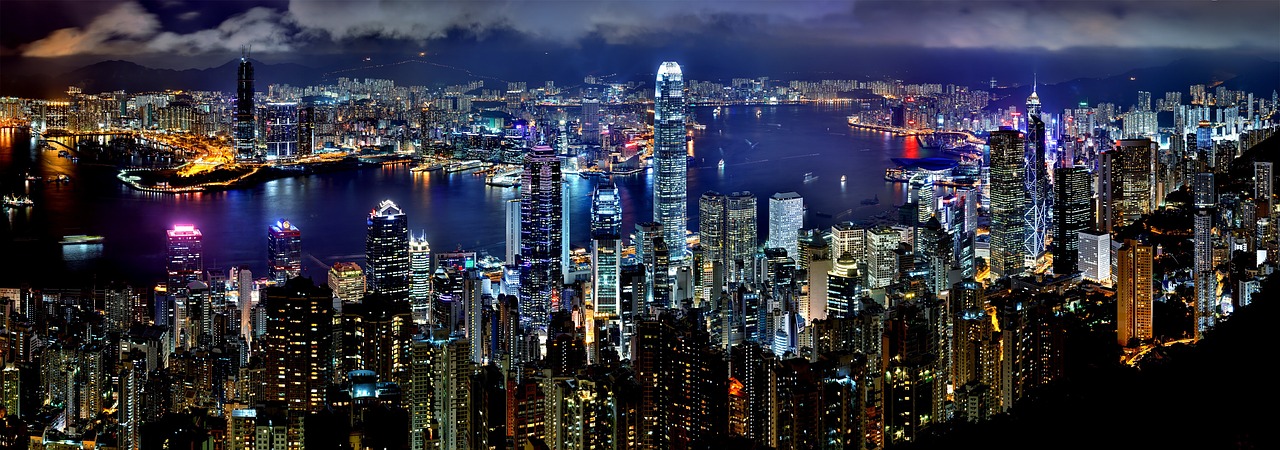
Light pollution results from excessive or poorly designed artificial lighting that alters natural darkness. Bright streetlights, illuminated buildings, billboards, and outdoor lighting create skyglow, reducing visibility of stars and disrupting natural day–night cycles. Artificial light at night interferes with human circadian rhythms and affects wildlife that depends on darkness for migration, hunting, and breeding. Addressing light pollution has become an important part of sustainable urban planning and environmental design.

Thermal pollution occurs when human activities change the natural temperature of air or water bodies. Power plants and industrial facilities often discharge heated water into rivers and lakes after cooling operations. Even small temperature increases can significantly disrupt aquatic ecosystems by reducing dissolved oxygen levels and altering species composition. On a broader scale, excess heat released into the environment contributes to climate instability.

Radioactive pollution involves the release of radioactive substances into the environment. This form of pollution is associated with nuclear power generation, radioactive waste disposal, mining activities, medical waste, and nuclear accidents.
Radioactive materials emit ionising radiation that damages living tissue and genetic material, increasing the risk of cancer and long-term ecological harm. Because radioactive contaminants persist for decades or centuries, prevention and secure containment are critical.
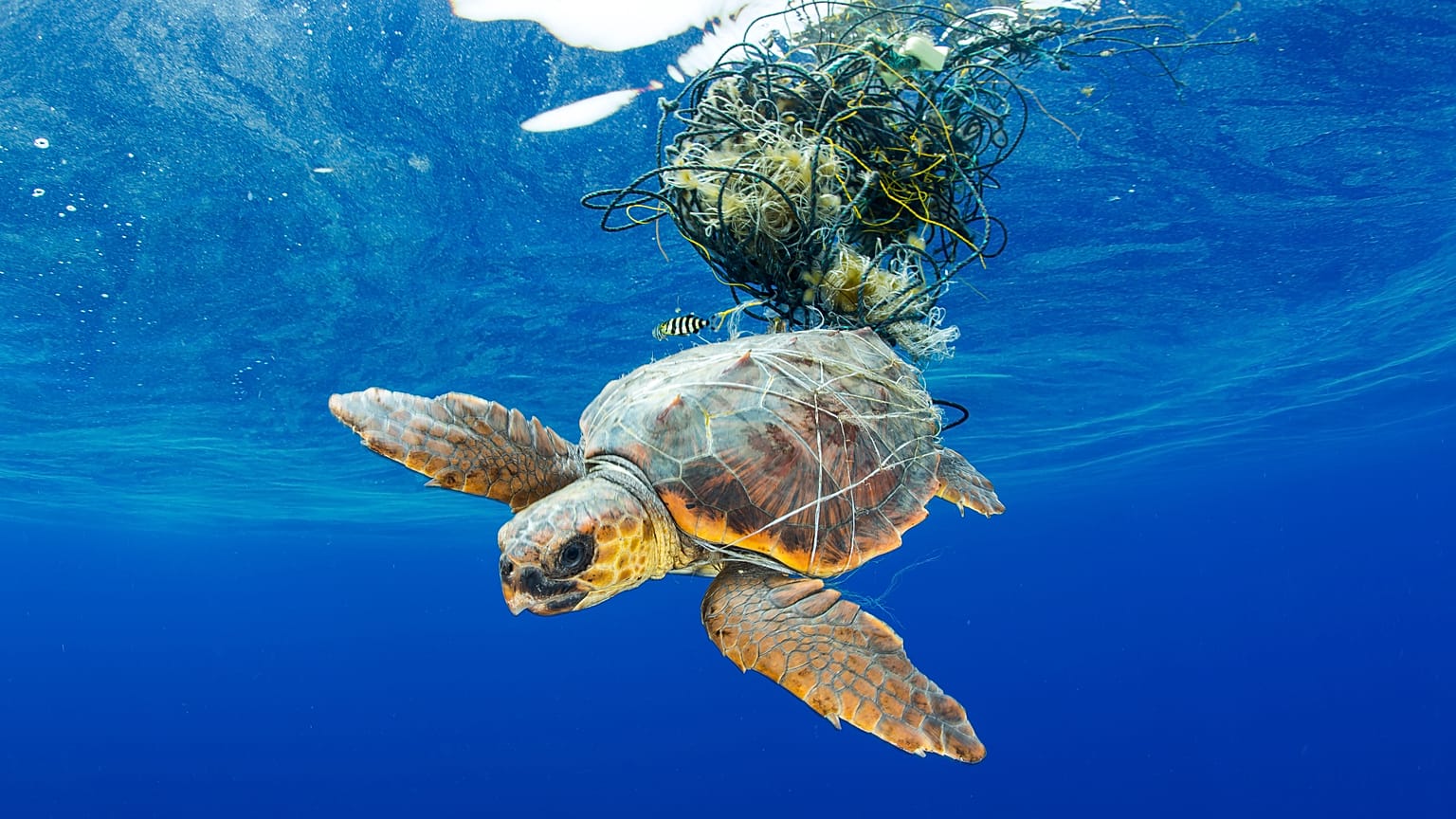
Plastic pollution has emerged as one of the most visible and persistent environmental threats. Single-use plastics, packaging, fishing gear, and synthetic materials accumulate in oceans, rivers, and soil, breaking down into microplastics that spread throughout ecosystems.
These particles are ingested by marine life and have been detected in seafood, drinking water, and human tissue. Plastic pollution resists natural decomposition, making it a long-term challenge that requires systemic changes in material design, consumption, and waste management.
Digital pollution refers to the environmental footprint of digital technologies. Data centres, cloud computing, streaming services, and constant connectivity rely on energy-intensive infrastructure that contributes to carbon emissions.
In addition, discarded electronic devices create growing streams of electronic waste, releasing toxic substances when improperly recycled. Digital pollution highlights the hidden environmental cost of modern convenience and the need for sustainable technology practices.

Visual pollution describes the degradation of visual environments caused by cluttered or intrusive elements. Billboards, overhead cables, poorly planned construction, excessive signage, and unmanaged waste disrupt visual harmony in both urban and natural settings.
Although often overlooked, visual pollution affects mental wellbeing, community identity, and safety by creating chaotic and stressful surroundings. Addressing it requires thoughtful urban design and landscape planning.
The many types of pollution shaping today’s world reveal how deeply human activity influences the environment. From invisible contaminants in the air and water to emerging threats like plastic and digital pollution, these forms of degradation are interconnected and cumulative. Recognising pollution in all its forms allows societies to move beyond reactive cleanup toward prevention at the source.
Cleaner energy, responsible consumption, sustainable design, and strong environmental governance remain essential for reducing pollution and protecting ecosystems. Pollution may take many forms, but addressing it begins with understanding its full scope—and acting before the damage becomes irreversible.
The main types of pollution include air, water, soil, noise, light, thermal, and radioactive pollution. In recent years, emerging forms such as plastic, digital, and visual pollution have also become major environmental concerns.
Air pollution is considered the most harmful due to its direct impact on breathing and cardiovascular health. Long-term exposure significantly increases the risk of respiratory diseases and premature death.
Most types of pollution are interconnected. For example, air pollutants settle on land and water, plastic pollution affects soil and oceans, and thermal pollution contributes to climate change.
Classic pollution types affect air, water, and land directly, while emerging pollution types such as plastic and digital pollution arise from modern consumption patterns and technological growth.
While pollution cannot be entirely eliminated, it can be significantly reduced through sustainable practices, cleaner technologies, effective regulations, and responsible consumption.
Plastic does not biodegrade naturally and instead breaks down into microplastics that persist in the environment for centuries, spreading through ecosystems and food chains.
Individuals can reduce pollution by conserving energy, reducing waste, avoiding single-use plastics, choosing sustainable products, and supporting environmental policies.
Related Categories
Share this blog


