

© 2026 Made for Planet • Privacy Policy • Terms & Conditions
Platform by Mission Sustainability
By Rittika rana • Dec 26, 2025
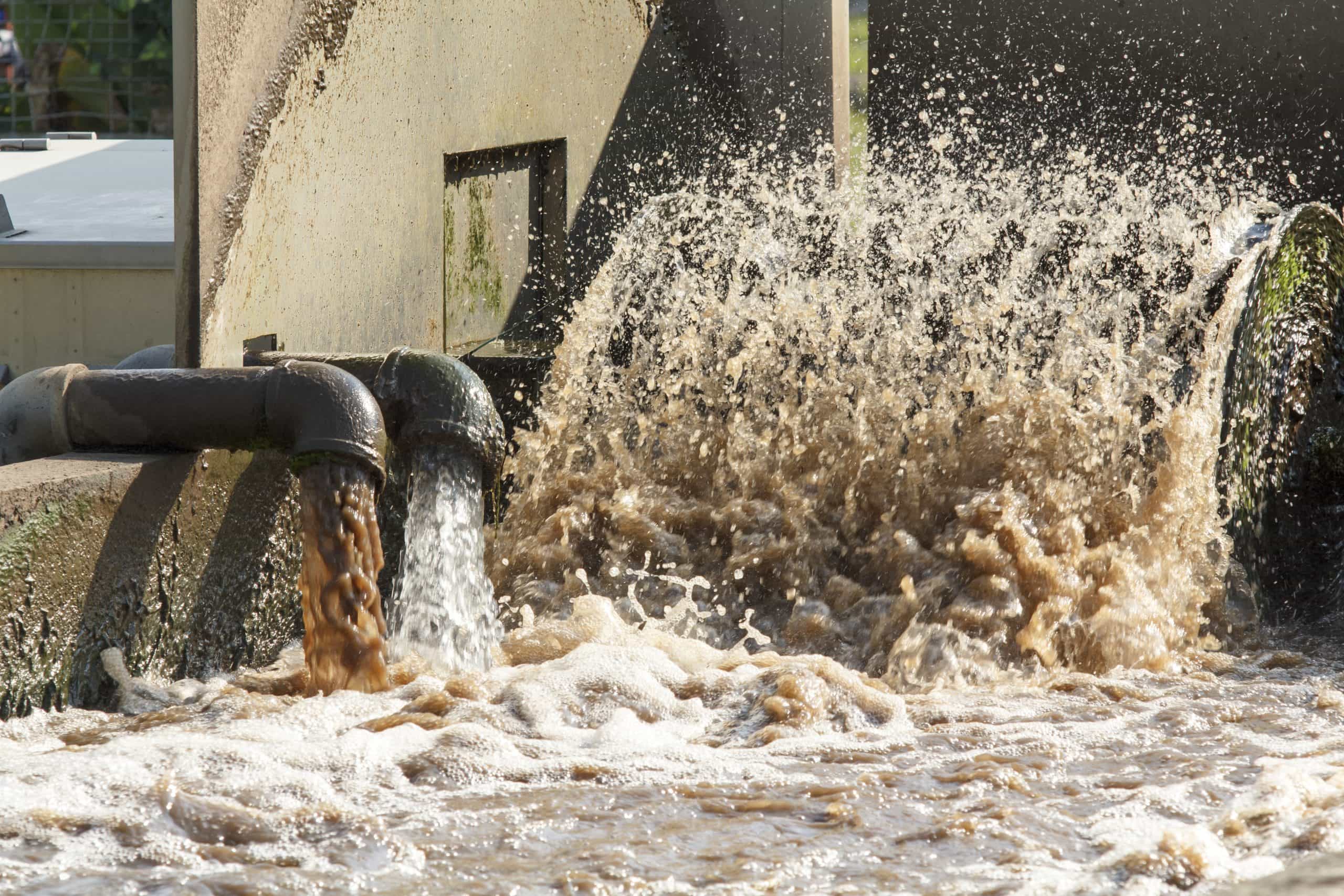
Every glass of clean water we use eventually becomes wastewater. What happens after that point—once water leaves homes, factories, hospitals, and cities—largely determines public health, river health, groundwater safety, and long-term water security. Wastewater management is therefore not just an engineering function; it is one of the most critical environmental systems in modern society. In India, wastewater management sits at the intersection of rapid urbanisation, stressed water resources, aging infrastructure, and weak operational governance. While thousands of treatment plants exist on paper, rivers remain polluted, groundwater is contaminated, and reuse remains limited. To understand why, one must look at wastewater not as a single treatment unit, but as an end-to-end system**.**

Wastewater is water whose quality has been degraded by human use. It includes domestic sewage from toilets, kitchens, and bathrooms; industrial effluent generated during manufacturing and processing; and in many Indian cities, stormwater that mixes with sewage during rainfall.
Unlike solid waste, wastewater is invisible once it enters underground systems. This invisibility often leads to neglect. Yet untreated or poorly treated wastewater is one of the largest sources of pollution in India’s rivers, lakes, and groundwater aquifers. According to assessments by the Central Pollution Control Board, a significant portion of sewage generated in urban India is either untreated or inadequately treated before being discharged into natural water bodies.
The consequences are systemic. Polluted rivers reduce downstream water availability, increase treatment costs for drinking water, harm aquatic ecosystems, and create chronic health risks. Wastewater mismanagement also represents a missed opportunity, because treated wastewater can be a reliable alternative water source in a water-stressed country.
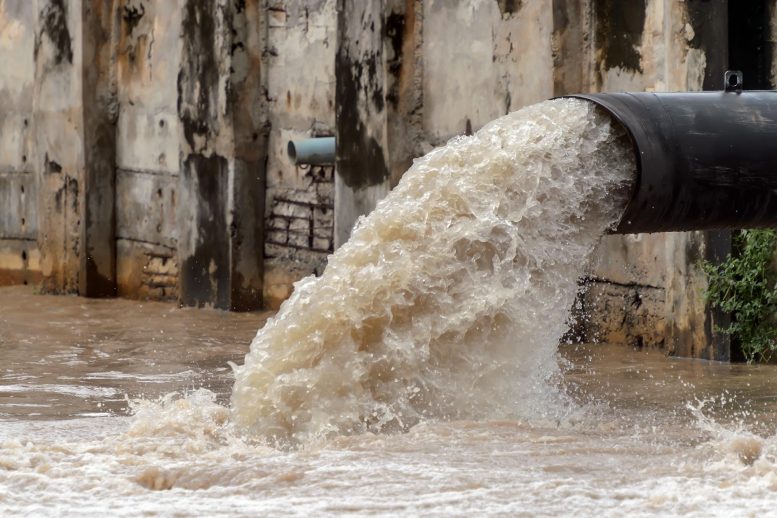
India generates more than 70,000 million litres per day (MLD) of domestic sewage, according to CPCB estimates. However, installed treatment capacity is significantly lower than this figure, and actual operational capacity is lower still.
Urban areas account for the majority of sewage generation, but smaller towns and peri-urban regions are catching up rapidly as piped water supply expands. Paradoxically, increased access to water without corresponding wastewater infrastructure often worsens pollution, because more water entering homes results in more sewage exiting them.
Industrial wastewater adds another layer of complexity. Effluents from textiles, pharmaceuticals, food processing, chemicals, and metal industries often contain high organic loads, oils, heavy metals, and toxic compounds. These effluents require treatment systems very different from domestic sewage.
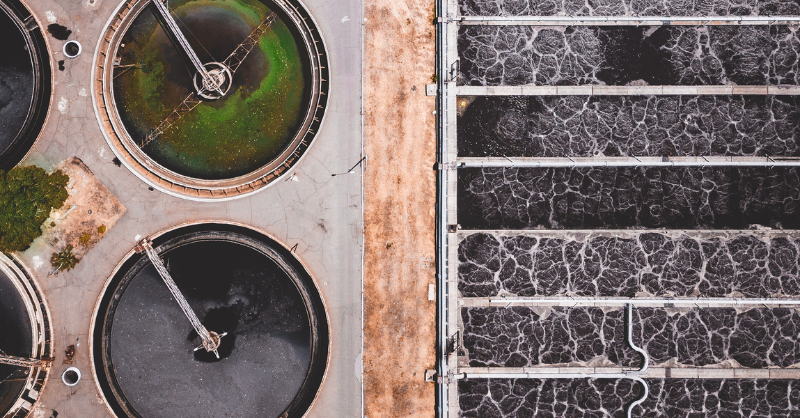
Wastewater management is best understood as a chain, not a plant. It begins at the point of generation and ends either with safe reuse or environmentally compliant discharge. Failure at any link compromises the entire system.
In urban areas with sewer networks, wastewater flows from households and buildings through underground pipes to sewage treatment plants. In many Indian cities, these networks are incomplete, leaky, or combined with stormwater drains. As a result, large volumes of sewage never reach treatment plants at all.
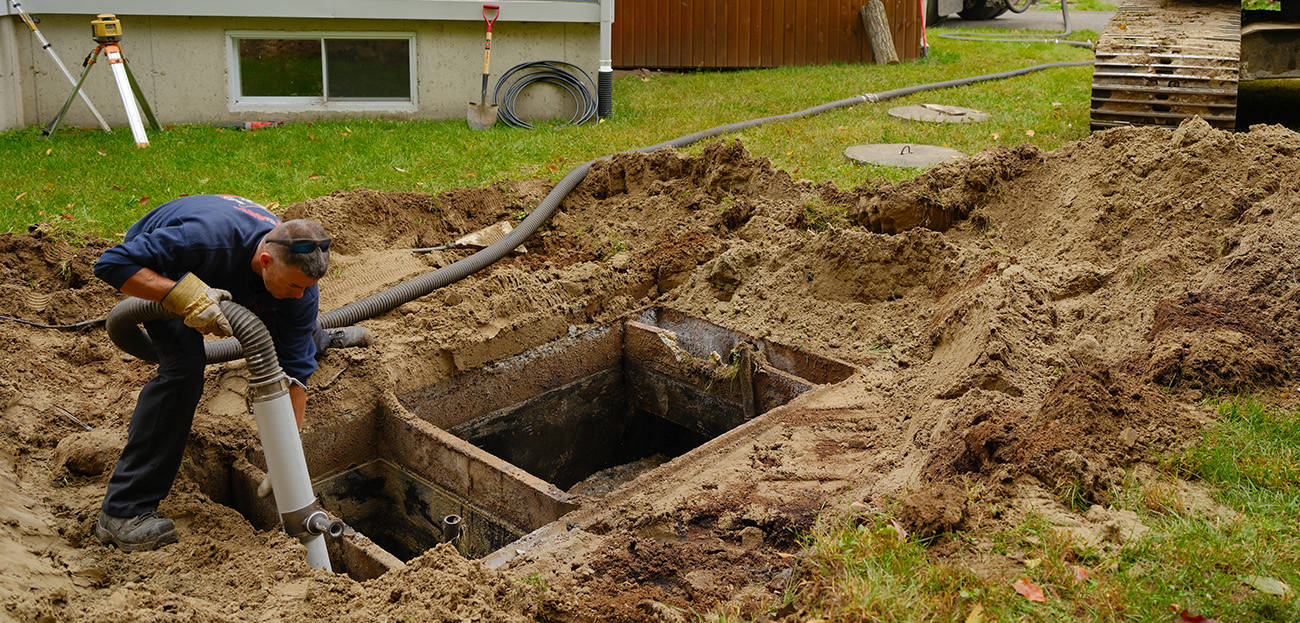
Where sewerage is absent, wastewater is collected in septic tanks or pits. Periodic emptying of these systems generates faecal sludge, which requires separate treatment through Faecal Sludge Treatment Plants (FSTPs). This decentralised approach is increasingly recognised as essential for small towns and rural settlements.
Think of wastewater as a “dirty water supply chain”:
Generation → Collection → Treatment → Reuse/Discharge → Sludge handling
The system differs mainly by where the wastewater comes from:
From toilets, kitchens, baths, laundry.
From manufacturing processes (often chemicals, oils, heavy metals).
Not “wastewater” strictly, but mixes with sewage in many cities.

Sewage treatment is typically described in three stages: primary, secondary, and tertiary treatment. While the terminology sounds technical, the logic is straightforward.
Primary treatment removes large solids and grit by allowing wastewater to slow down so heavier particles settle. Secondary treatment uses biological processes, where microorganisms consume dissolved organic matter, significantly reducing pollution levels. Tertiary treatment further polishes the water by removing nutrients, pathogens, or specific contaminants, especially when reuse is intended.
In India, most municipal treatment plants rely on conventional biological processes. However, performance depends heavily on consistent power supply, skilled operation, and proper maintenance—factors that are often underestimated during project planning.
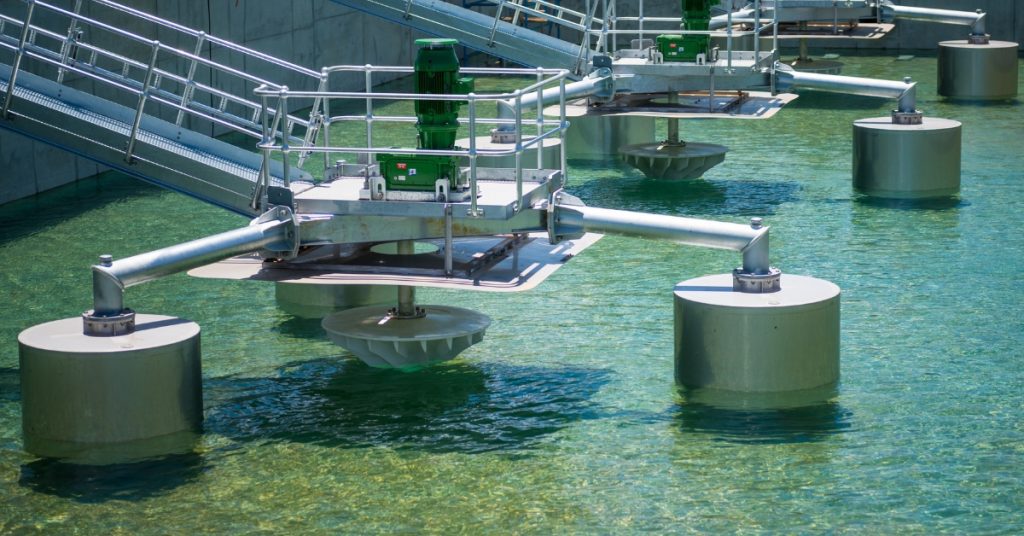
Industrial wastewater is regulated separately because of its potential toxicity. Industries are required to install Effluent Treatment Plants (ETPs) to treat wastewater before discharge or reuse. In industrial clusters, Common Effluent Treatment Plants (CETPs) are used to treat combined effluents from multiple units.
Compliance with effluent standards is monitored by State Pollution Control Boards, but enforcement remains uneven. Where compliance fails, untreated or partially treated effluents contaminate rivers and groundwater, affecting agriculture and drinking water sources downstream.
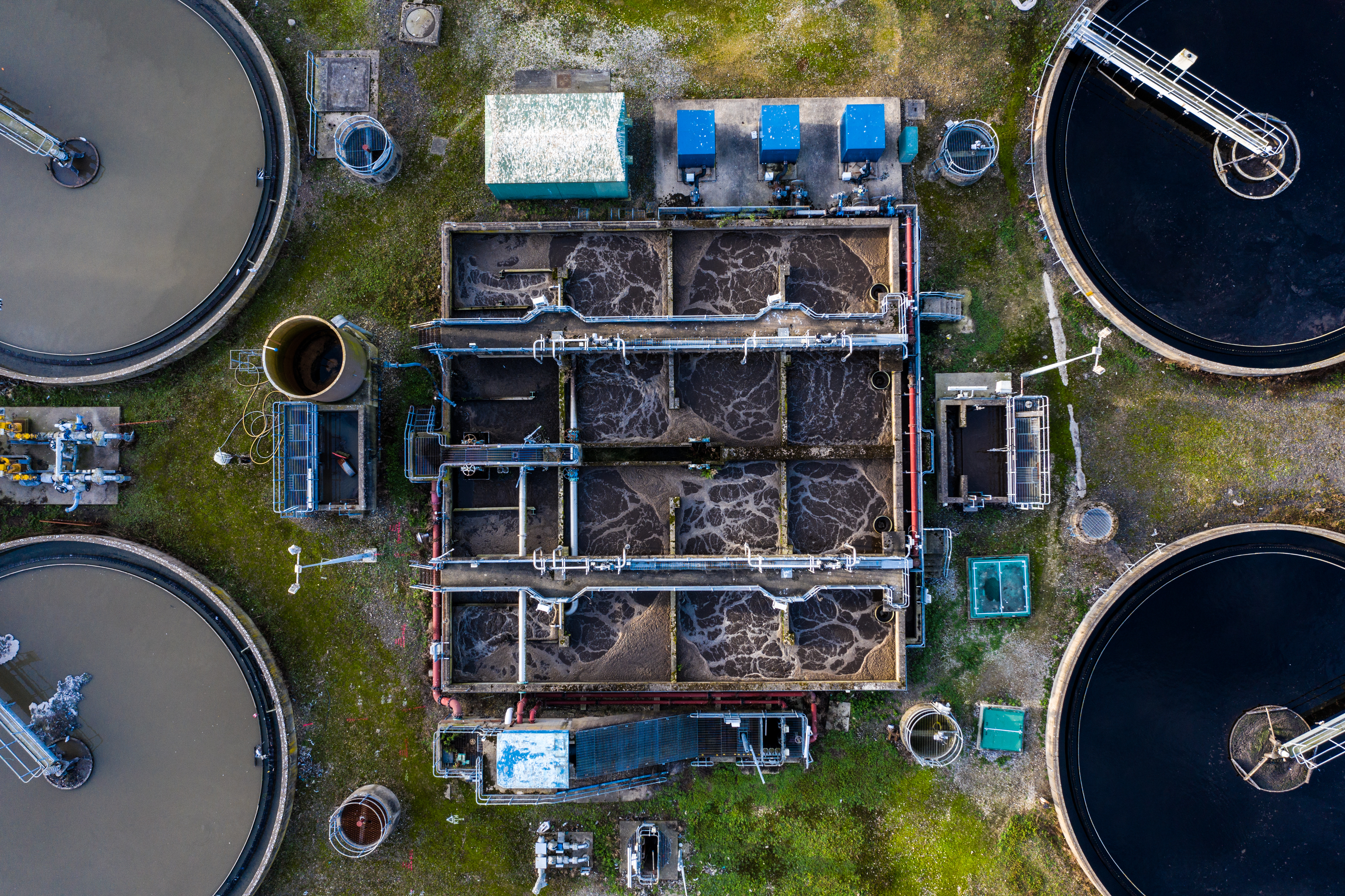
One of the biggest shifts in wastewater management thinking is the move from disposal to reuse. Treated wastewater, when managed properly, is not waste—it is a resource.
In water-stressed regions, treated sewage is increasingly reused for gardening, industrial cooling, construction, and even groundwater recharge. Cities such as Chennai and Nagpur have demonstrated that large-scale reuse can reduce dependence on freshwater sources.
Despite this potential, reuse remains limited nationally. Many treatment plants discharge treated water into drains or rivers because there is no planned demand, pricing mechanism, or distribution infrastructure. Without an end user, treatment plants become compliance assets rather than functional water systems.
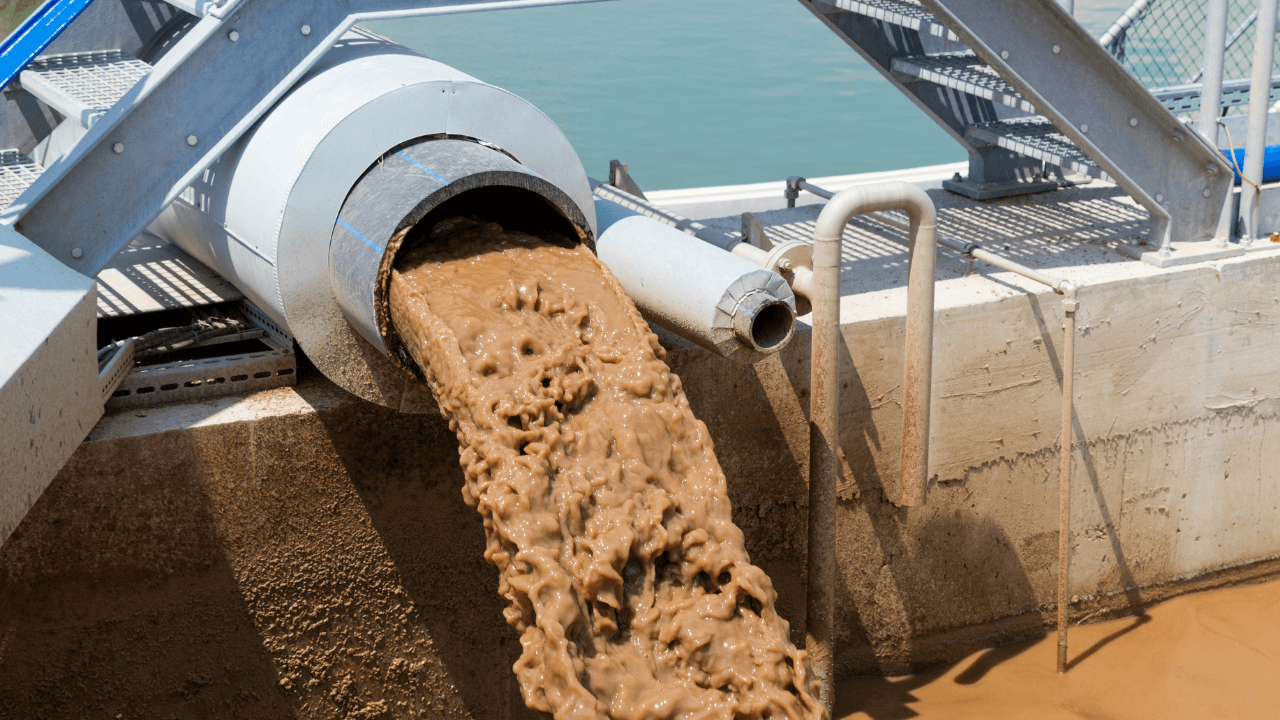
Every wastewater treatment process generates sludge—the concentrated solids removed from sewage. Sludge management is often ignored in public discussions, yet it determines whether treatment is truly safe.
Untreated or poorly managed sludge can contain pathogens, heavy metals, and organic pollutants. When dumped indiscriminately, it contaminates land and water. Proper sludge treatment involves stabilisation, dewatering, and safe disposal or reuse, sometimes as soil conditioner after meeting safety standards.
In India, sludge management remains one of the weakest links in the wastewater chain.
India does not lack treatment plants. It lacks functional systems. Many plants operate below capacity due to broken sewer connections, unreliable electricity, lack of trained operators, or absence of operational budgets. In some cases, plants exist physically but remain idle for years.
Another common failure is the absence of accountability for long-term performance. Infrastructure projects are often evaluated based on construction milestones rather than years of effective operation. Wastewater treatment, however, is a continuous service, not a one-time asset.
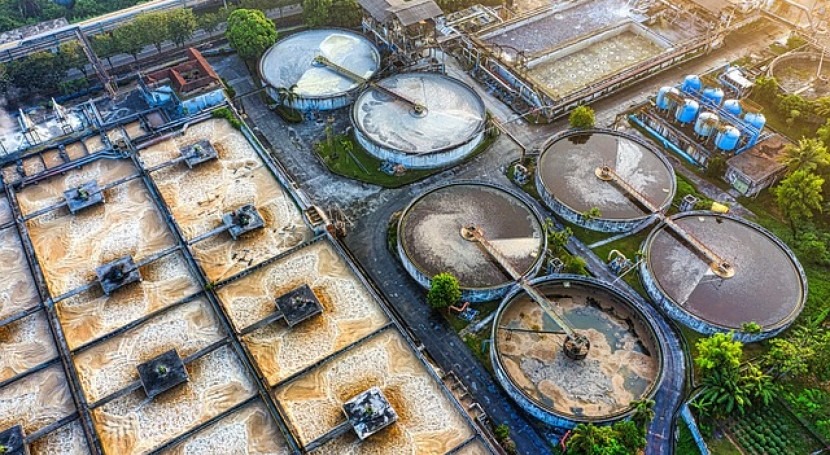
The link between wastewater and public health is direct but often invisible. Untreated sewage contaminates drinking water sources, increases disease burden, and disproportionately affects low-income communities living near polluted water bodies.
During monsoons, overflow from drains and sewers spreads contamination across urban areas. In rural and peri-urban regions, groundwater contamination from leaching pits and poorly designed septic systems poses long-term health risks.
Wastewater management in India is governed by multiple regulations, including the Water (Prevention and Control of Pollution) Act and environmental discharge standards enforced by CPCB and State Pollution Control Boards. Urban Local Bodies are responsible for sewage infrastructure, while industries are responsible for treating their own effluents.
The challenge is not absence of regulation, but fragmented responsibility and weak coordination between agencies.
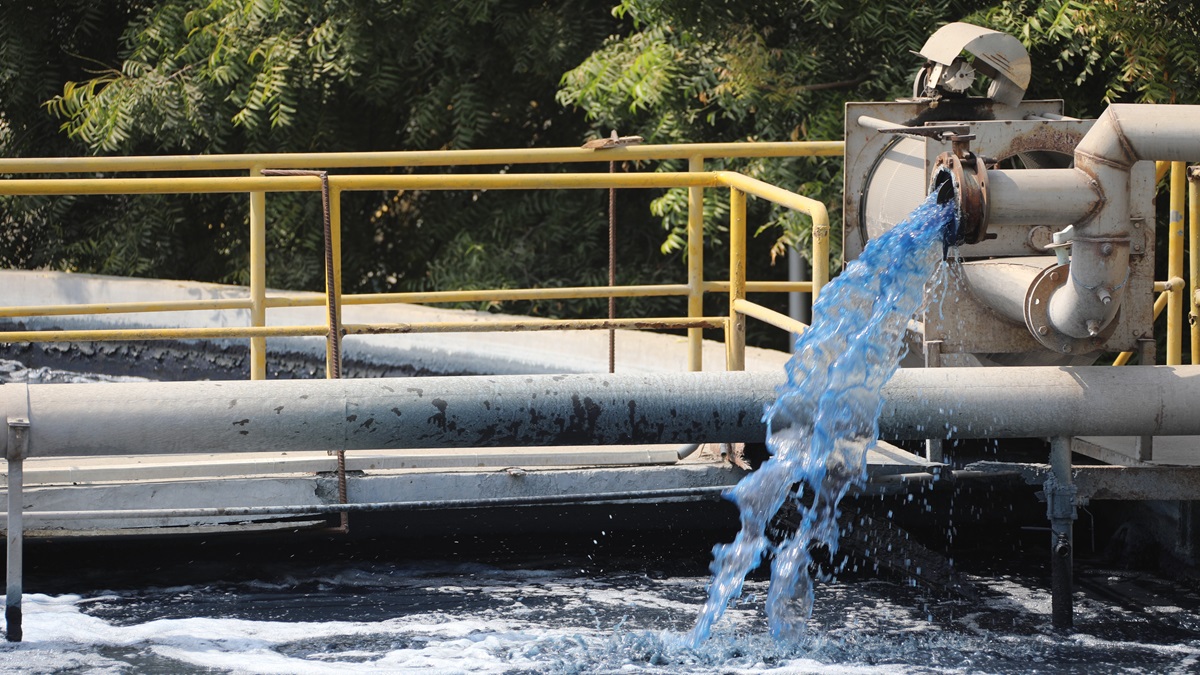
Effective wastewater management requires shifting focus from individual plants to system performance. This includes ensuring that sewage reaches treatment plants, that plants operate reliably, that treated water is reused productively, and that sludge is managed safely.
Decentralised treatment, energy-efficient technologies, capacity building for operators, and planning reuse markets are increasingly important. Above all, wastewater must be seen as a core urban service, not an afterthought.
Wastewater management is one of the most underappreciated foundations of sustainable development. In India, improving this system is essential for river rejuvenation, water security, public health, and climate resilience.
The challenge is not technical complexity alone. It is institutional, behavioural, and economic. When wastewater is treated as a valuable resource rather than an inconvenient by-product, the system begins to work. Until then, polluted rivers and stressed aquifers will continue to remind us of what happens when water’s journey is ignored after use.

Wastewater management is the process of collecting, treating, reusing, or safely disposing of water that has been used in households, industries, institutions, or cities. It aims to protect public health, prevent pollution of rivers and groundwater, and enable reuse of treated water as a resource.

Wastewater management is critical in India because a large share of sewage and industrial effluent is discharged untreated into rivers and land. This leads to water pollution, groundwater contamination, health risks, and loss of usable freshwater in a water-stressed country.
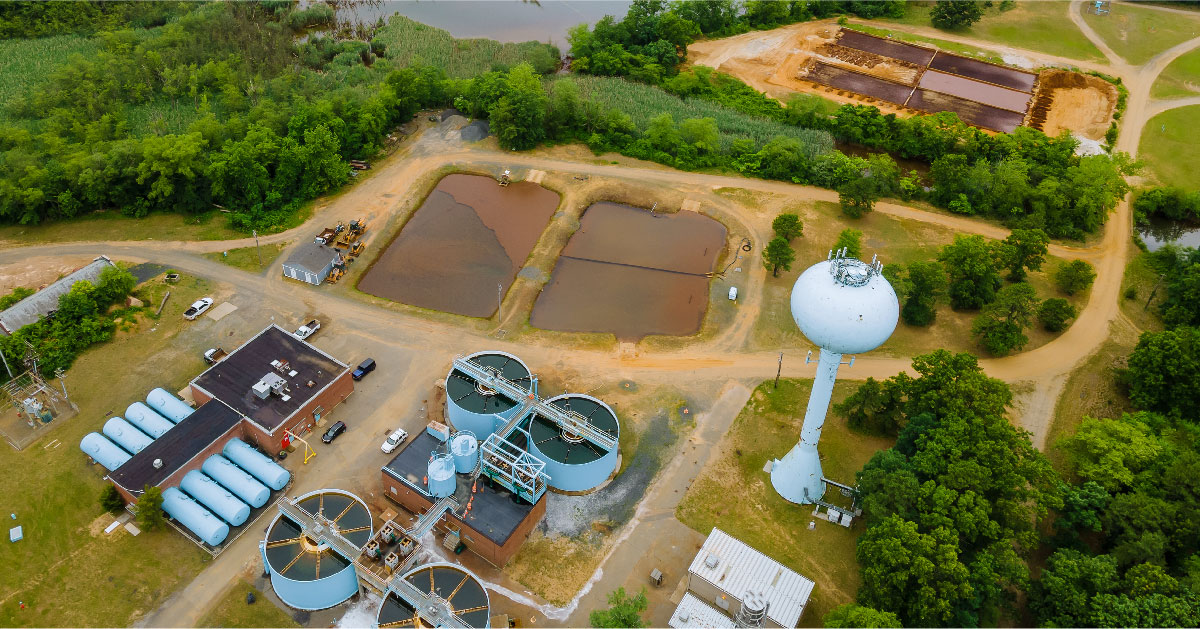
India generates more than 70,000 million litres per day (MLD) of domestic wastewater, according to estimates by the Central Pollution Control Board. Actual treatment capacity and operational performance are significantly lower than total generation.
An STP (Sewage Treatment Plant) treats domestic wastewater from households and buildings, while an ETP (Effluent Treatment Plant) treats industrial wastewater that may contain chemicals, oils, heavy metals, or toxic substances. ETPs are designed based on the specific pollutants generated by industries.
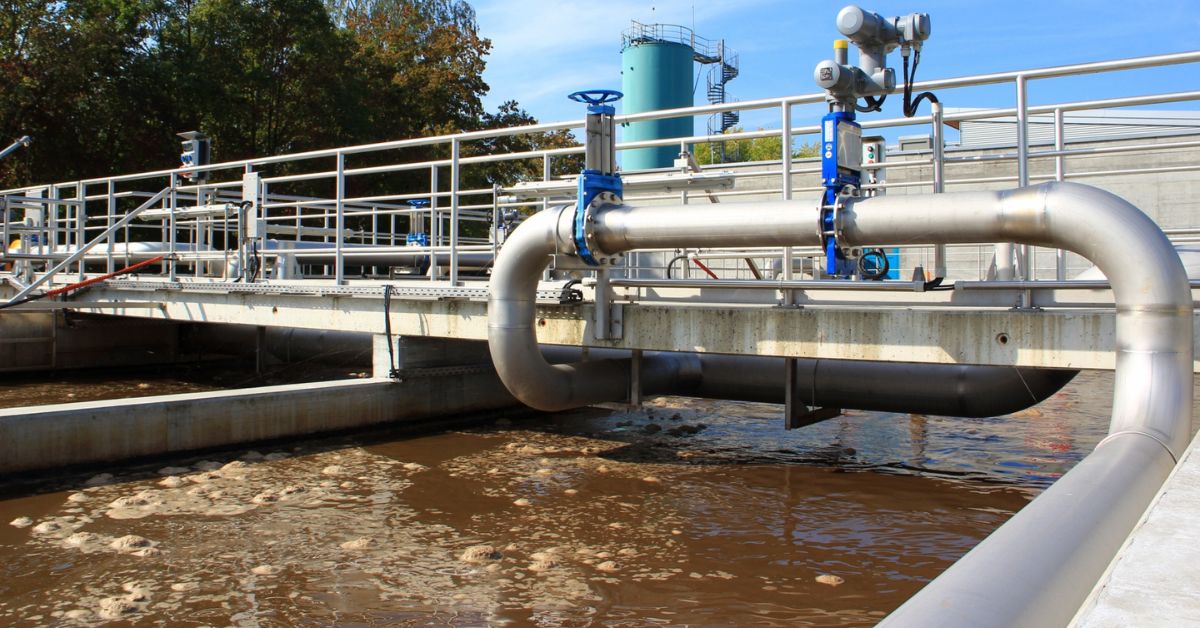
Sewage treatment typically involves primary treatment to remove solids, secondary biological treatment to reduce organic pollution, and tertiary treatment to remove nutrients or pathogens. The treated water can then be reused or discharged safely into the environment if it meets regulatory standards.

Sludge is the solid by-product generated during wastewater treatment. It is stabilised, dewatered, and either safely disposed of or reused, depending on its quality. Improper sludge management can cause serious environmental and health problems.
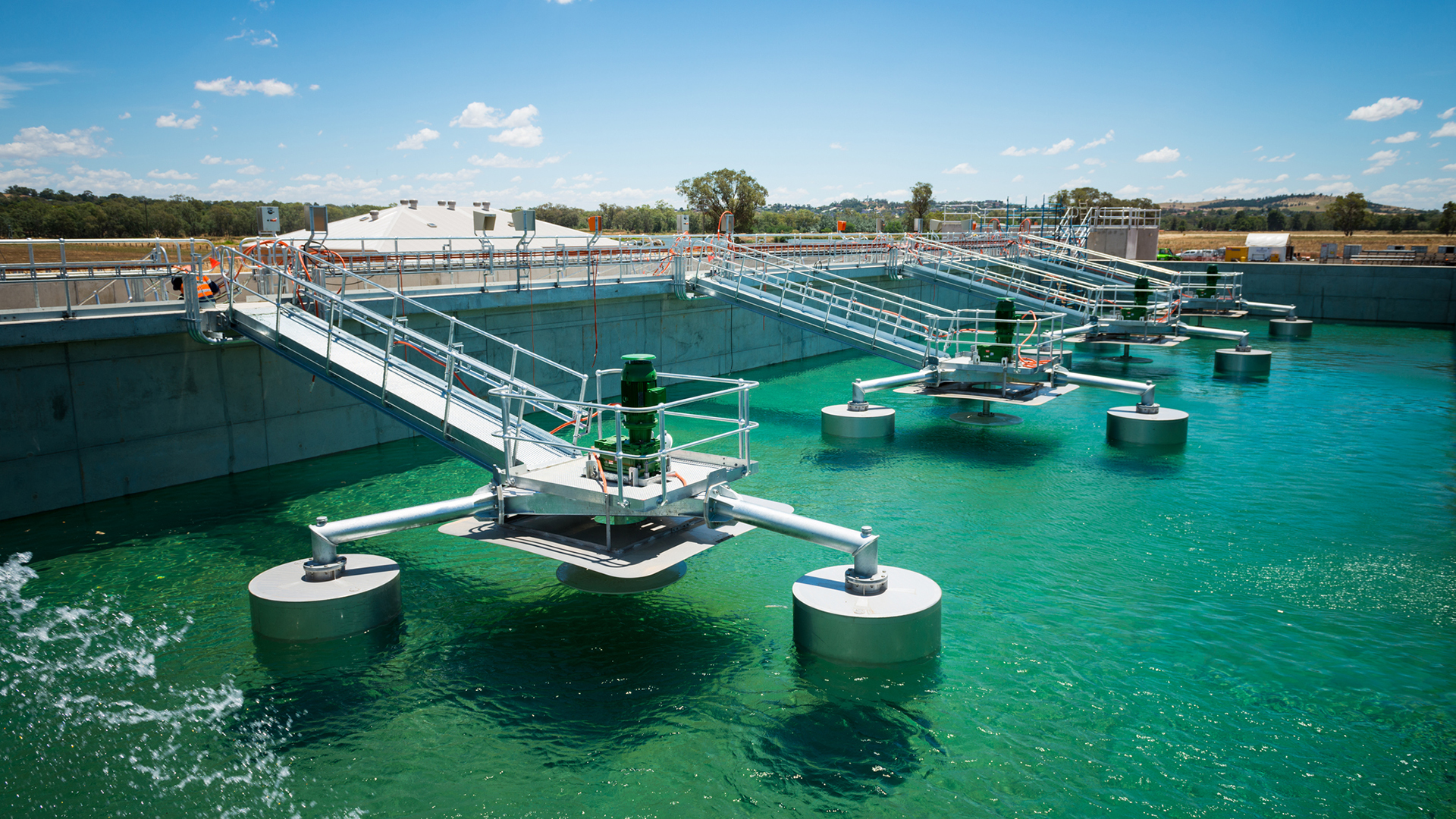
Yes, treated wastewater can be safely reused for purposes such as gardening, construction, industrial cooling, flushing, and groundwater recharge when it meets prescribed quality standards. Reuse reduces pressure on freshwater sources.
Many sewage treatment plants fail due to incomplete sewer networks, poor operation and maintenance, unreliable power supply, lack of trained operators, and absence of planned reuse of treated water. Building infrastructure without ensuring long-term operation is a common issue.
Wastewater management in India is regulated by the Central Pollution Control Board and State Pollution Control Boards. Urban Local Bodies manage sewage systems, while industries are responsible for treating their own effluents.
Poor wastewater management contaminates drinking water sources and increases the spread of waterborne diseases. Effective treatment and safe disposal are essential to protect communities, especially in densely populated urban and peri-urban areas.
Wastewater management supports environmental sustainability by reducing pollution, conserving freshwater through reuse, and protecting ecosystems. For organisations and cities, it is increasingly linked to ESG compliance, water stewardship, and climate resilience.
Related topics
Related Categories
Share this blog


