

© 2026 Made for Planet • Privacy Policy • Terms & Conditions
Platform by Mission Sustainability
By Ketul Patel • Nov 10, 2025

 Understanding the science, the promise, and the reality behind “green” plastics — with an India and CSR perspective
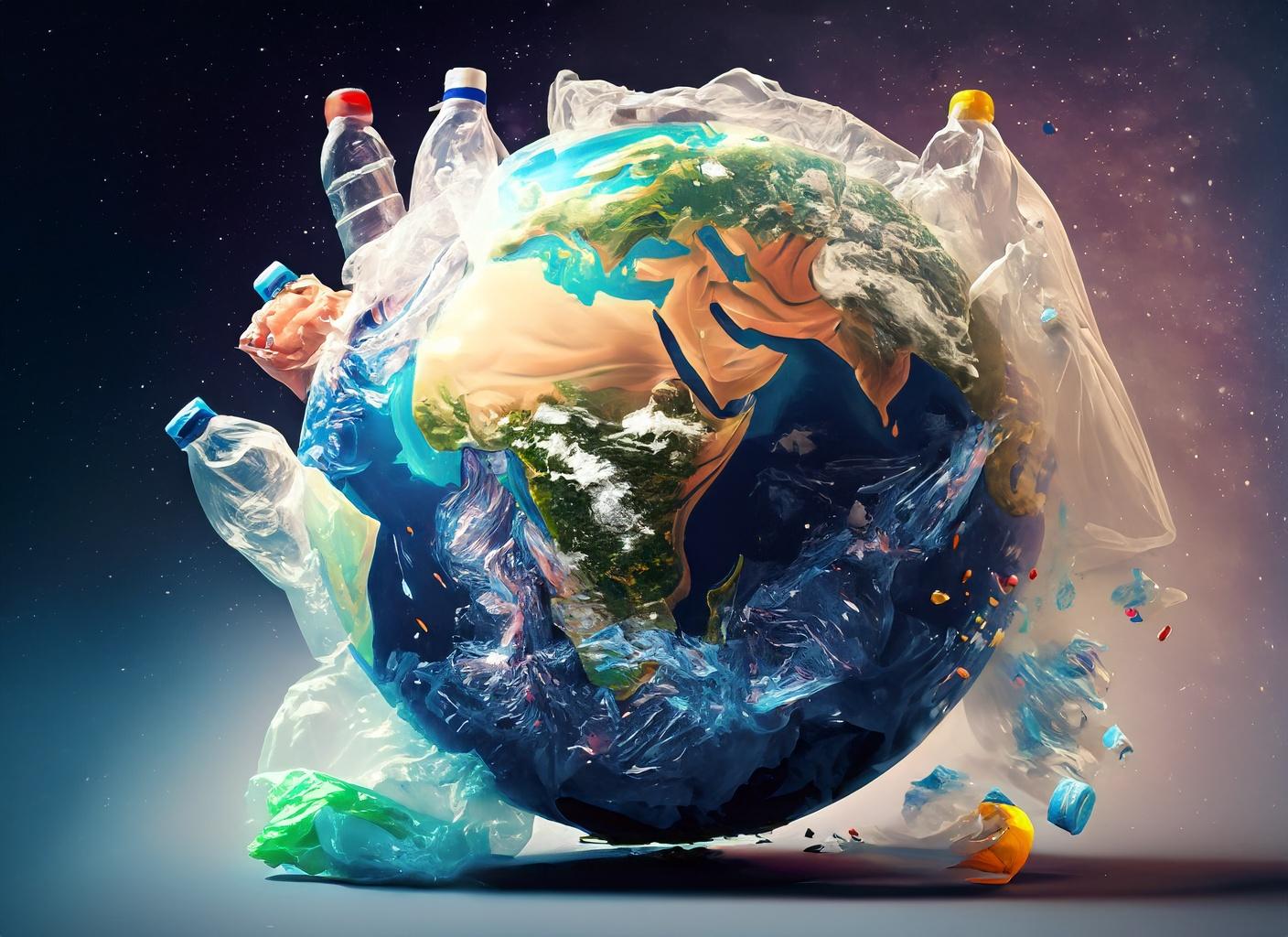 Plastic changed the world — lightweight, durable, and cheap — but also became one of the planet’s most persistent pollutants. According to the UN Environment Programme (UNEP 2024), the world now produces over 400 million tonnes of plastic every year, with only 9% recycled.
Conventional plastics such as polyethylene (PE) and polypropylene (PP) can persist for centuries. The result: microplastics in oceans, soils, food chains — even human blood.
To tackle this, scientists and industries have developed biodegradable plastics — materials designed to break down naturally through microbial activity, aiming to close the loop between use and disposal.
(Sources: UNEP , PlasticEurope , Wikipedia)
Biodegradable plastics are plastics that can be decomposed by microorganisms (bacteria, fungi, algae) into carbon dioxide (CO₂), water (H₂O), methane (CH₄), and biomass, under specific conditions.
They differ from other “green plastics” as shown below:
In short: All compostable plastics are biodegradable, but not all biodegradable plastics are compostable — and not all bio-based plastics are biodegradable.
(Sources: PlasticEurope , GreenDot Bioplastics , Prime Biopol)

Biodegradation occurs in three main stages:
Fragmentation: Heat, light, and moisture break polymer chains into smaller fragments.
Depolymerization: Microbes secrete enzymes that break chemical bonds (esters, amides).
Mineralization: Microorganisms metabolize fragments into CO₂, water, and biomass.
Key conditions:
Temperature ~50–60°C (industrial composting).
Presence of moisture and oxygen.
Polymers with ester/amide linkages degrade faster.
Microbial diversity speeds up decomposition.
In aerobic composting, degradation yields CO₂ and water; in anaerobic landfills, methane emissions can occur — contributing to greenhouse gases.
(Sources: ScienceDirect Journal of Cleaner Production (2024) , Biodeg.org ,GreenDot Bioplastics
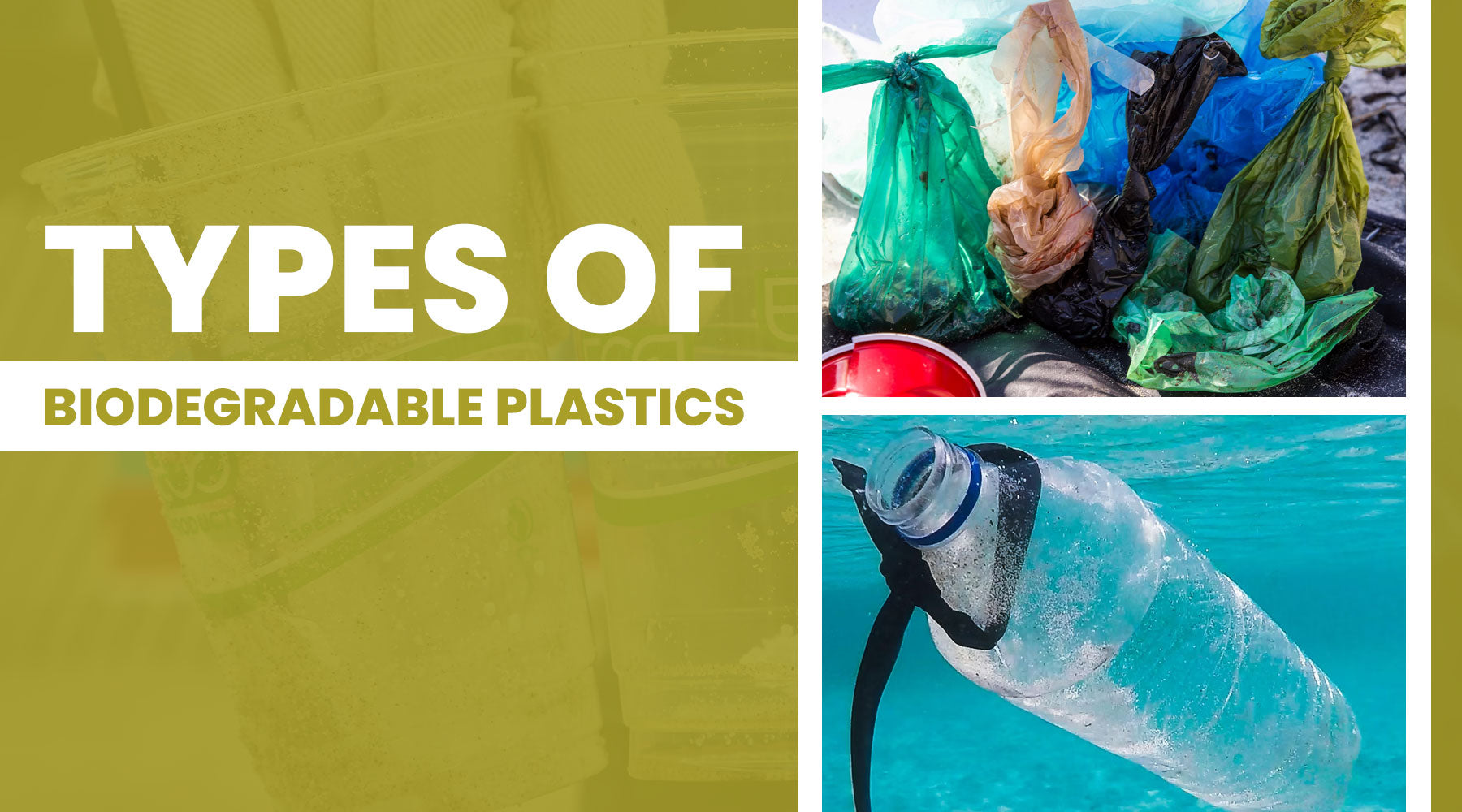
Globally, PLA and PBAT dominate, while PHA shows strong marine degradation potential.
(Sources: ScienceDirect, PlasticEurope, Prime Biopol)

Biodegradation rates vary by environment:
A study by Beyond Plastics (2022) found that less than 10% of marketed “biodegradable” plastics fully decompose in marine conditions. Many persist as microplastic fragments.
(Sources: Beyond Plastics, CPCB Report)
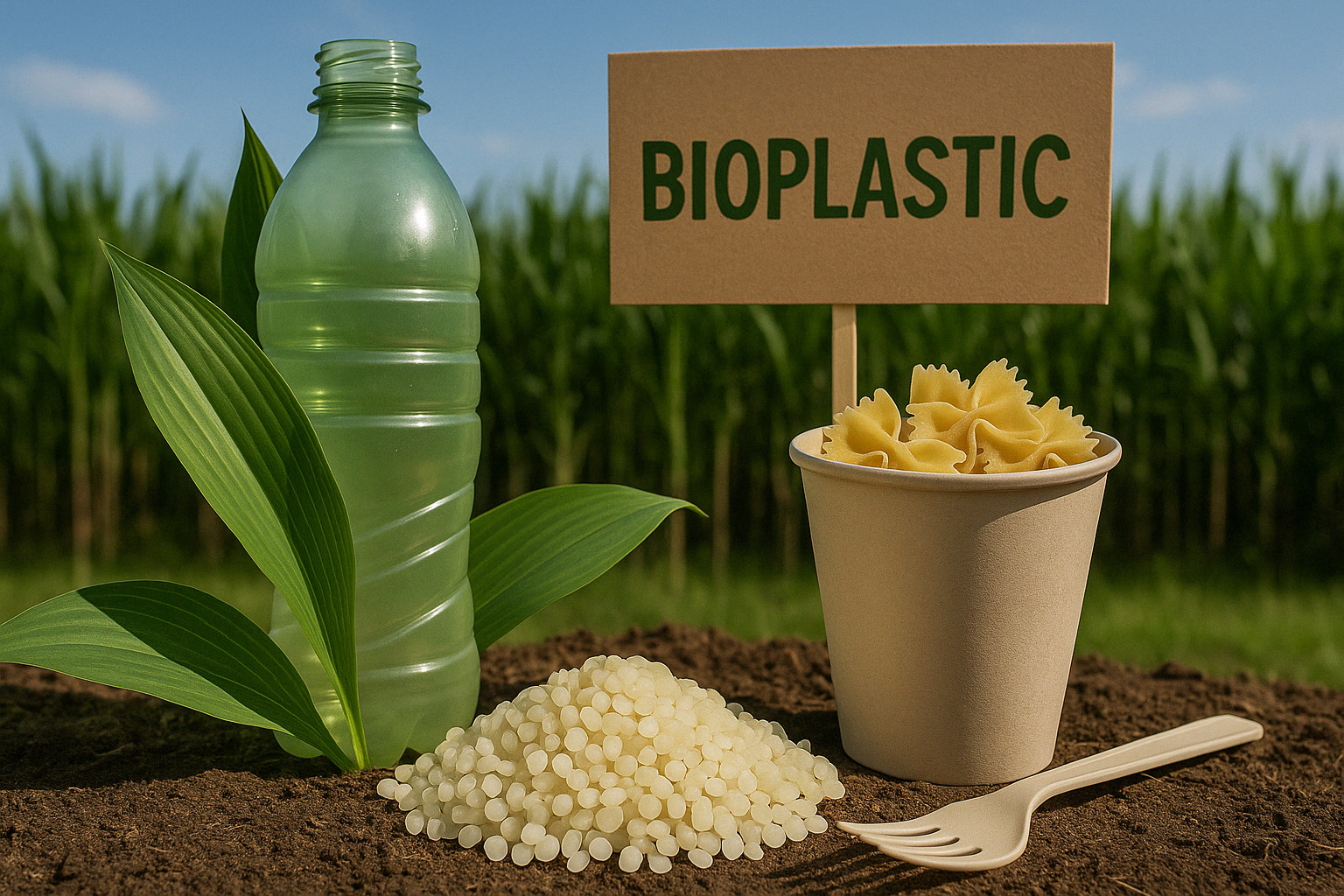
The European Bioplastics Report (2024) estimates production of 2.38 million tonnes, or about 1.8% of global plastic output. It is projected to reach 6 million tonnes by 2030.
Market Share (2023):
Europe – 40%
Asia – 30%
Americas – 25%
Others – 5%
(Sources: PlasticEurope, World Agroforestry Reports)
Benefits
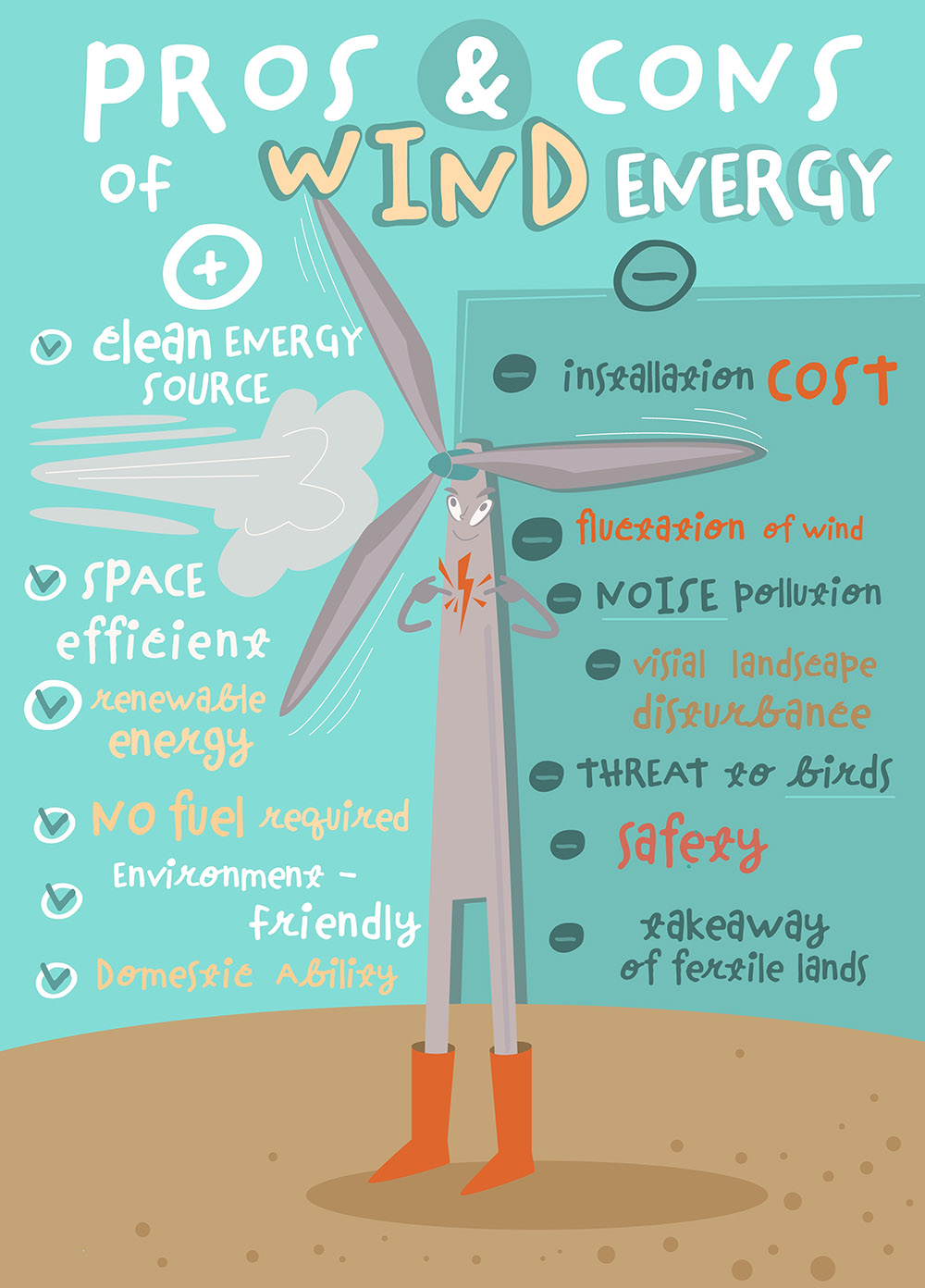
Reduced dependence on fossil fuels.
Lower carbon footprint (especially PLA & PHA).
Potential compostability under controlled settings.
Renewable resource base (sugarcane, corn, starch).
Limitations
Agricultural feedstock demands land, fertilizers, and water.
Poor degradation in landfill/ocean environments.
Methane release under anaerobic conditions.
Contamination of conventional recycling streams.
A review in ScienceDirect (2024) concluded:
“Biodegradability is context-dependent and does not guarantee environmental safety.”
(Sources: ScienceDirect, Beyond Plastics)
 In India, the Central Pollution Control Board (CPCB) certifies compostable plastics tested by CIPET and BIS under Plastic Waste Management (PWM) Rules 2016 & Amendments 2022.
(Sources: CPCB, Biodeg.org)
 Under the PWM Rules (2016, updated 2022) by MoEFCC, single-use plastics are banned, while certified compostable plastics are allowed.
Key measures:
Only CPCB-certified compostable materials can be sold.
All certified items must display the CPCB logo and license number.
Testing through CIPET and BIS-approved labs.
Producers must comply with Extended Producer Responsibility (EPR).
Indian innovators like EnviGreen and Prime Biopol lead in producing starch and PLA-based materials.
(Sources: Beyond Plastics, PlasticEurope)
Researchers are developing:
Enzyme-assisted PBAT for faster degradation at lower temperatures.
PHA from wastewater carbon to avoid food-crop feedstocks.
Algae- and cellulose-based plastics for marine-safe applications.
Machine-learning models to design polymers with tunable biodegradation.
In India, institutes like CSIR-NCL, IIT Delhi, and IIT Guwahati are pioneering cost-effective biodegradable polymers.
(Sources: ScienceDirect, DNP Global)
India’s Companies Act (Section 135) mandates certain companies to spend 2% of their average net profits on Corporate Social Responsibility (CSR).
Biodegradable plastic initiatives fit under “Environmental sustainability and ecological balance” in Schedule VII.
CSR Opportunities:
Fund R&D into bio-based and compostable materials.
Set up decentralized composting facilities.
Conduct awareness campaigns on proper waste segregation.
Partner with startups and municipalities for plastic-waste pilots.
These align with India’s Swachh Bharat Mission, EPR Framework, and Mission Life (Lifestyle for Environment).
(Sources: MCA India, CSR Rules 2014, CPCB PWM Rules)
High cost: 2–3× more expensive than conventional plastics.
Limited composting infrastructure in Indian cities.
Improper disposal: Without segregation, compostables end up in landfills.
Fake labeling and certification gaps.
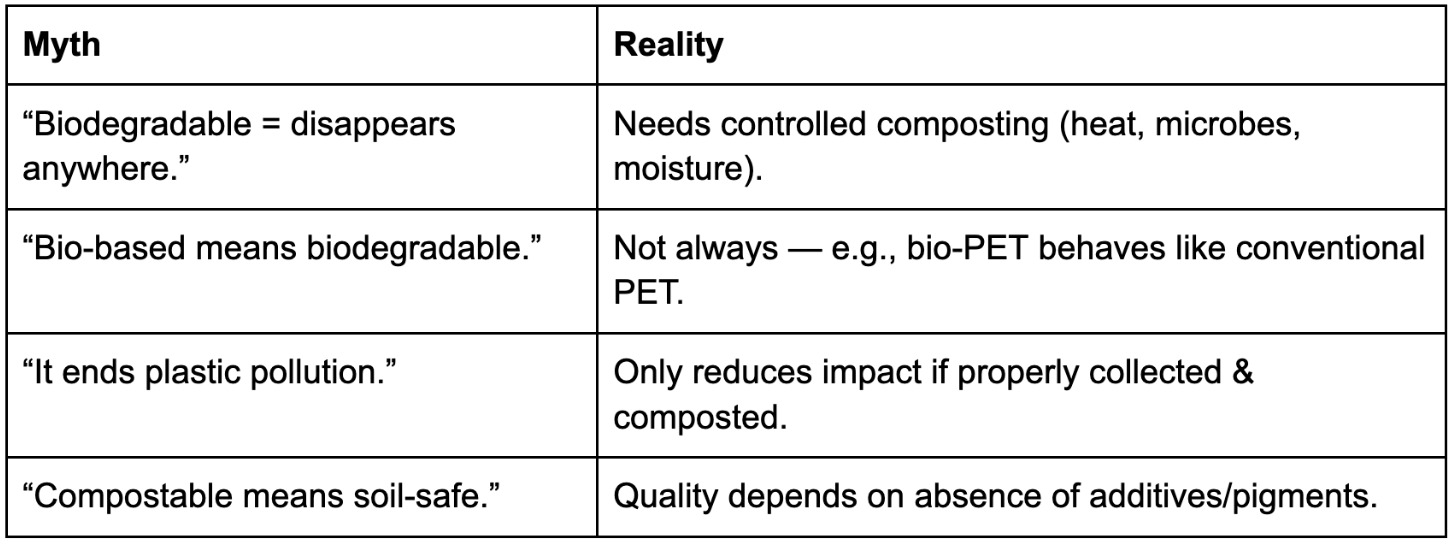
Low public awareness: Consumers think “biodegradable” = “vanishes instantly.”
(Sources: CPCB Report 2023, ScienceDirect)
Biodegradable plastics are an important innovation — but only when managed within a circular system that ensures proper collection and composting.
For India, the next steps include:
Scaling CPCB-certified materials.
Investing CSR and government funds into composting and R&D.
Building awareness about segregation and labeling.
Used responsibly, biodegradable plastics can bridge the gap between our current linear economy and a truly circular, bio-based future.
1. What are biodegradable plastics?
Plastics that decompose into natural elements (CO₂, water, biomass) through microbial action under specific environmental conditions.
2. How are biodegradable plastics different from compostable ones?
Compostable plastics meet standards like EN 13432 and degrade fully in industrial composting within 180 days, whereas not all biodegradable plastics do.
3. Do biodegradable plastics degrade in oceans or landfills?
Not effectively. They require high heat, oxygen, and moisture — conditions absent in marine or landfill settings.
4. Are biodegradable plastics plant-based?
Some are (like PLA from corn), but others like PBAT are fossil-based yet engineered to degrade.
5. How is India regulating biodegradable plastics?
Under the Plastic Waste Management Rules 2022, only CPCB-certified compostable plastics are allowed for manufacturing and sale.
6. Can CSR funds be used for biodegradable plastic initiatives?
Yes. Under Section 135 of the Companies Act, CSR activities promoting environmental sustainability can include biodegradable plastic R&D and waste management.
7. Do biodegradable plastics solve plastic pollution?
No. They reduce impact only when properly collected and composted. Without infrastructure and awareness, they can behave like regular plastics.
Related topics
Related Categories
Share this blog


