

© 2026 Made for Planet • Privacy Policy • Terms & Conditions
Platform by Mission Sustainability
By Ketul Patel • Nov 27, 2025
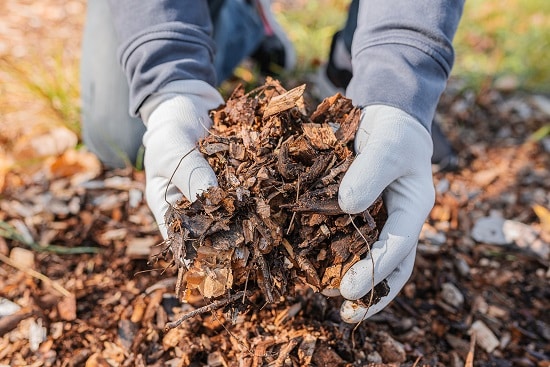
A Deep-Dive Guide with Types, Methods, and Real-World Examples
Agriculture doesn’t just grow food, fibre, and fuel. It also generates huge streams of waste – from crop residues and manure to plastic mulch and pesticide containers.
Recent reviews estimate that 10–50% of agricultural products end up as waste somewhere along the chain, especially from crops like sugarcane, rice, and wheat. MDPI In India alone, around 500 million tonnes of crop residue are produced every year. ScienceDirect
If unmanaged, this waste leads to air pollution, water contamination, greenhouse gas emissions, and public health risks. Managed well, it becomes compost, biogas, bioenergy, and new bio-based materials. This guide explains what agricultural waste management is, types of agricultural waste, and how each type can be managed – with links to research, policies, and real solutions.

1.1 Simple definition
Agricultural waste refers to all by-products generated during crop and livestock production and processing, which are not part of the main product.
EBSCO’s overview defines agricultural wastes as organic substrates that arise during agricultural production, including leaves, straw, husks, shells, manures, slurries, and bedding, and classifies them into primary, secondary, and tertiary wastes across the value chain. EBSCO
The Wikipedia article on agricultural waste stresses that most of this waste is lignocellulosic biomass rich in cellulose, hemicellulose, and lignin Wikipedia
1.2 Common examples
Crop residues: straw, stover, stalks, leaves, husks, pruning biomass
Animal waste: manure, urine, slurry, poultry litter, bedding
Agro-industrial waste: sugarcane bagasse, rice husk, fruit & vegetable peels, pomace, oilseed cakes
Inorganic farm waste: pesticide containers, fertilizer bags, plasticulture films, drip lines
Special/hazardous waste: dead animals, veterinary drug vials, sharps
The MDPI review “Agricultural Waste: Challenges and Solutions” shows that agricultural waste streams are among the largest biomass resources globally, yet remain underutilised. MDPI
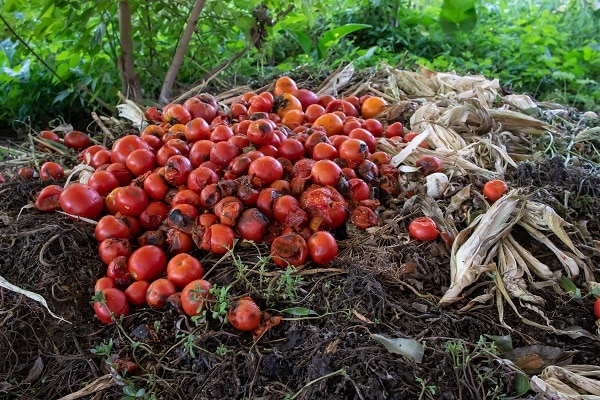
2.1 Definition
The HomeBiogas article on agricultural waste management defines it as:
“All the coordination, handling, and controlling of the waste generated from agricultural activities, with the goal of preventing soil and water pollution, greenhouse gas emissions, and health risks.” HomeBiogas
In practice, agricultural waste management means designing systems to:
1. Reduce waste generation
2. Collect and store waste safely
3. Treat and process it (composting, anaerobic digestion, biochar, etc.)
4. Recover value (fertilizer, energy, materials)
5. Dispose of hazardous residues safely
Educational manuals and farm handbooks summarise this as focusing on the 3R/4R principles – Reduce, Reuse/Recycle, Recover – for all farm wastes. Egyankosh Government of Prince Edward Island
2.2 Why it matters

Key reasons agricultural waste management is critical:
Air quality – Open burning of residues releases CO₂, PM₂.₅, and smog-forming pollutants. Wikipedia
Climate change – Unmanaged manure and residues emit methane and nitrous oxide – strong greenhouse gases. EBSCO
Water quality – Nutrient-rich effluents and agro-chemicals pollute rivers, lakes, and groundwater. MDPI
Soil health – Removing or burning residues depletes soil organic carbon and biodiversity. MDPI
Farmer livelihoods – Residues are feedstock for bioenergy, boards, packaging, compost, mushroom cultivation, etc., creating new income streams. Indian Council of Agricultural Research
In India, a 2025 review in Biomass and Bioenergy estimates ~500 million tonnes of agricultural residue generated annually, with agriculture contributing 13.72% of national GHG emissions. Sustainable conversion of this residue offers “twin benefits” – energy generation and resource recovery. ScienceDirect
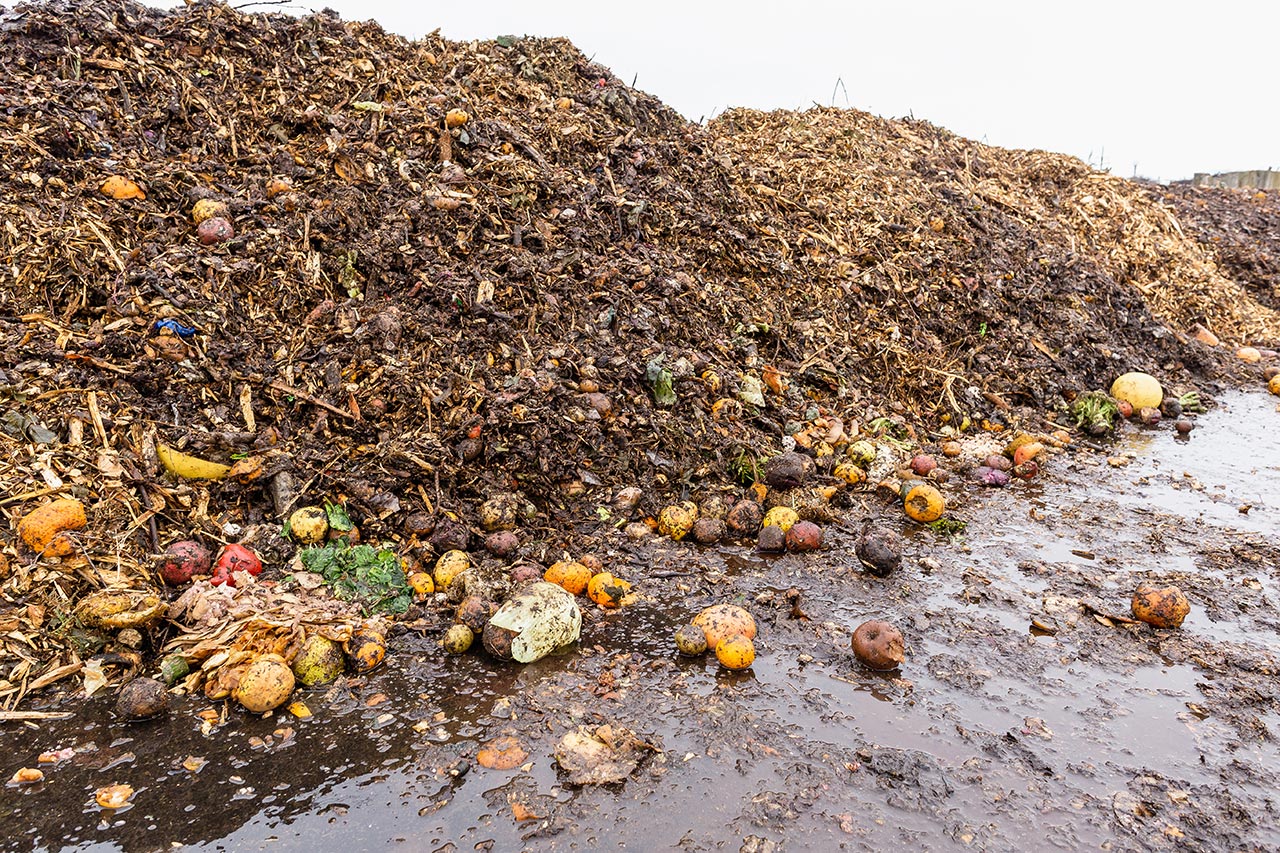
To manage waste well, it helps to understand what types exist and what risks/opportunities each carries.
We’ll cover:
Crop residues
Animal waste
Agro-industrial / processing waste
Plastics & chemical farm waste
Hazardous & special agricultural waste
Wastewater & liquid effluents
Market-linked biomass waste
3.1 Crop Residues
What they are
Crop residues are leftover plant parts after harvest – stems, stalks, straw, husks, leaves, and pruning biomass from arable crops and horticultural systems. Wikipedia
Scale of the problem
The MDPI review notes that residues from sugarcane, rice, and wheat are major contributors to pollution when burnt or buried improperly, contaminating soil, water, and air. MDPI
For India:
Crop residue generation ≈ 500 million tonnes/year ScienceDirect
About 92 million tonnes are burned in open fields, causing seasonal smog and health issues across northern states. The Times of India
Environmental impacts
Stubble burning converts residues into CO₂, ozone precursors, and fine particulates, reducing visibility and harming respiratory health. Wikipedia
Loss of potential soil organic matter and nutrients.
How crop residues can be managed
1. Mulching & soil incorporation
Leaving residues on the soil surface or mixing them in improves moisture retention, reduces erosion, and feeds soil microbes.
Often integrated into conservation agriculture and regenerative farming. MDPI
2. Composting & biochar
Residues are shredded and co-composted with manure.
3. Industrial use – boards, paper, bioplastics
CalPlant/CalFibre’s rice-straw MDF plant uses rice straw instead of timber, sparing forests and cutting CO₂ emissions. Wikipedia
Residues serve as feedstock for fiberboard, paper, bio-oil and biocomposites. Wikipedia
5. Bioenergy and biofuels
Residues like rice husk, wheat straw, and corn cobs are used in biomass boilers, pellets, and briquettes. ResearchGate
In 2025, Indian company SAEL Industries announced procurement of 2 million tonnes of paddy stubble to power 11 waste-to-energy plants (165 MW), aiming to prevent ~300,000 tonnes of CO₂-equivalent emissions. The Times of India
3.2 Animal Waste (Manure, Slurry, Bedding)
What it is
Animal waste includes:
Manure – mix of faeces and urine
Slurry from liquid systems
Bedding materials: straw, sawdust, husk
Wash water from sheds and parlours
EBSCO and farm manuals highlight that animal wastes are a major portion of total agricultural wastes and a key source of methane and ammonia emissions when unmanaged. EBSCO
Risks if unmanaged
Methane (CH₄) and nitrous oxide (N₂O) emissions from open lagoons and piles
Nitrate and pathogen contamination of groundwater and surface water
Odour, flies, and disease vectors affecting local communities MDPI shapiroe.com
How animal waste can be managed
1. Composting manure
Turning, aeration, and controlled moisture convert manure + residues into stable compost.
Benefits: improved soil organic carbon, reduced bulk, lower pathogen load. tnu.in
2. Anaerobic digestion and biogas
Anaerobic digestion of manure produces biogas and digestate.
The HomeBiogas guide presents small-scale digesters for farms, cutting emissions and providing cooking gas and fertilizer. HomeBiogas
3. Nutrient management planning
National handbooks (e.g., NRCS field manuals) promote integrated nutrient management: matching manure application with crop needs, timing, and soil conditions. tnu.in
4. Advanced approaches
Recent reviews explore technologies for wastewater reuse and nutrient recovery from animal effluents, including algae–bacteria systems and biofloc. ResearchGate
3.3 Agro-Industrial & Processing Waste
What it is
This includes wastes generated when agricultural products are processed in mills, pack-houses, and food industries:
Sugar mills: bagasse, press mud
Rice mills: rice husk and bran
Fruit & vegetable processing: peels, pomace, pulp
Oil mills: oilseed cakes, shells
EBSCO highlights that secondary and tertiary wastes from processing can be major feedstocks for energy and materials, if managed systematically. EBSCO
ICAR’s “Creating Wealth from Agricultural Waste” examples
The ICAR e-book compiles 100+ Indian technologies that valorise such wastes: Indian Council of Agricultural Research Indian Council of Agricultural Research
Pineapple residue (>1.3 million tonnes/year) converted into silage and cattle feed
Grape pomace from wineries turned into fortified cookies and nutraceutical ingredients
Banana pseudostem biomass (~30 million tonnes/year) processed into fibre, ropes, plates, and packaging
Sugarcane trash, press mud, and other residues used for compost, boards, biochar, and briquettes
Why this matters
These streams have:
High moisture and organic content – quickly ferment if dumped
Potential for food, feed, fertiliser, materials, and energy
Enterprise and startup opportunities in the circular bioeconomy
3.4 Plastics & Chemical Farm Waste (Inorganic Waste)
What it is
Not all farm waste is biodegradable. Inorganic agricultural waste includes: Government of Prince Edward Island
Pesticide and herbicide containers
Fertilizer and seed bags
-Silage wrap, bale twine, greenhouse covers
The PEI Agricultural Waste Management BMP guide notes that all farm operations generate plastic waste and stresses the 4R approach – Reduce, Reuse, Recycle, Recover as best practice. Government of Prince Edward Island
Risks if unmanaged
Persistent chemicals and microplastics in soil and water
Risks to farm workers and communities from pesticide residues
Wildlife ingestion and entanglement
Management strategies
1. Reduce and redesign
Precision agriculture and integrated pest management reduce inputs.
Shift to durable, reusable containers and films. Government of Prince Edward Island
2. Rinse, puncture, and collect containers
3. Recycling farm plastics
3.5 Hazardous & Special Agricultural Waste
What falls in this bucket
Dead animals (deadstock)
Expired or concentrated veterinary drugs
Syringes, needles, and sharps
Highly contaminated bedding or feed
These are low in volume but high in risk for disease transmission, odour, and contamination. shapiroe.com
Typical management approaches
Rendering or authorised incineration where facilities exist
Deep burial in lined, approved pits with distance from water sources
Sharps collected in puncture-proof containers and sent to biomedical waste systems
Strict biosecurity, record-keeping, and PPE for workers
Most national handbooks treat hazardous/agro-hazardous wastes as a separate planning module in farm waste management systems. tnu.in
3.6 Wastewater & Liquid Effluents
What it is
Liquid agricultural waste includes: tnu.in shapiroe.com
Manure slurry from liquid systems
Milk parlour and dairy wash water
Vegetable and fruit wash water
Runoff from manure heaps, silage pits, and fertiliser storage
Risks
High Biochemical Oxygen Demand (BOD) → depletes oxygen in rivers and lakes
Nutrient loads → eutrophication and algal blooms
Pathogens and antibiotics impacting ecosystems and human health MDPI
Management
Storage lagoons and tanks sized for local rainfall and herd size
Solids–liquid separation to adjust treatment pathways
Constructed wetlands and vegetative filter strips for polishing effluents
Land application at agronomic rates within a nutrient plan tnu.in
3.7 Market-Linked Biomass Waste (Residues Sold Off-Farm)
A newer, practical category is biomass that leaves the farm as a traded resource.
Platforms like BiofuelCircle connect farmers and FPOs with bioenergy buyers. Farmers can sell paddy straw, maize cobs, and other residues, turning waste into income while reducing burning. biofuelcircle.com biofuelcircle.com
Combined with initiatives like SAEL’s large-scale paddy stubble procurement, this represents a transition from unmanaged waste to organised biomass markets. The Times of India
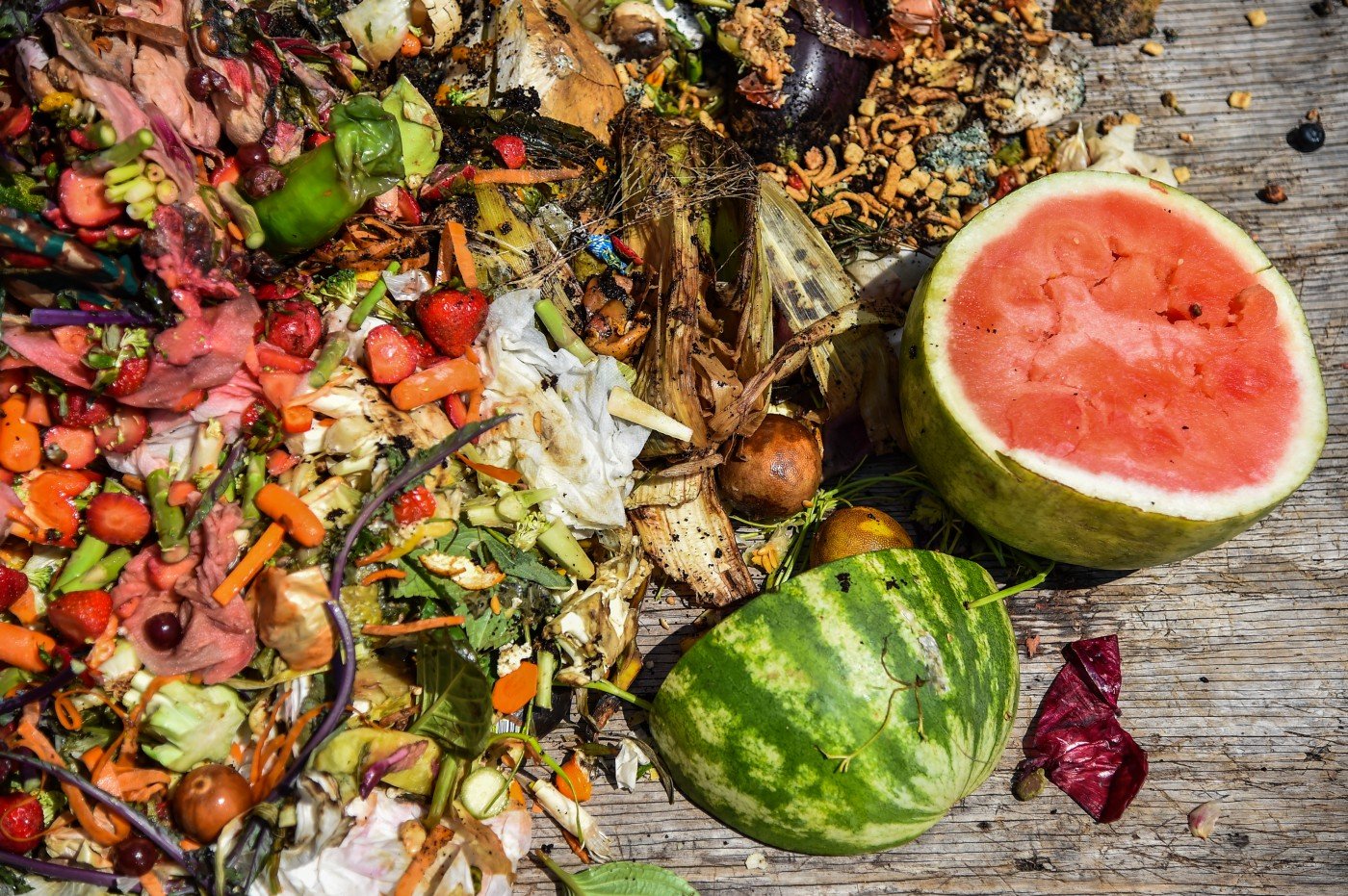
You can think of methods in four big buckets, cutting across all waste types:
1. Biological conversion – composting, vermicomposting, anaerobic digestion, biochar
2. Material recovery – boards, fibres, packaging, bioplastics
3. Energy recovery – biogas, biofuels, briquettes, pellets, waste-to-energy plants Ministry of New and Renewable Energy ResearchGate
4. Safe disposal & regulation – hazardous waste, open-burn rules, plastics and chemicals
The HomeBiogas guide summarises an effective agricultural waste management system as focusing on waste reduction, recycling, and reusing, supported by good planning and partnerships. HomeBiogas
In California, Rule 444 – Open Burning by South Coast AQMD regulates agricultural burning and other open fires to protect air quality. aqmd.gov
Agricultural burning is allowed only on “Permissive Burn Days” based on air quality forecasts. California Air Resources Board
India’s Waste-to-Energy Programme under MNRE supports biomass and organic waste-based power plants with capital subsidies tied to performance. Ministry of New and Renewable Energy
Training programmes such as “Emerging Trends in Waste Management in Agriculture” by NIMSME cover biogas, bio-slurry, biofuels, bioactive extraction, PUSA decomposer, biomass utilisation, and startup case stories. nimsme.gov.in
These policies and programmes show that governments increasingly see agricultural waste as a strategic resource, not just a disposal problem.

Despite available technologies and policy efforts, several challenges remain: MDPI
Techno-economic barriers – high initial cost of machinery, digesters, and bioenergy plants
Logistics – bulky residues are expensive to collect and transport
Farmer awareness and capacity – many smallholders lack technical knowledge and support
Institutional and governance gaps – fragmented responsibilities, weak enforcement of burning bans and waste rules
Market risk – unstable demand and prices for biomass and derived products
Recent reviews on bioenergy and circular economy emphasise the need for integrated value chains, clear incentives, and robust life-cycle assessments to ensure truly sustainable solutions. ScienceDirect

Research trends point towards: MDPI ResearchGate
Advanced bioenergy – improved biogas, bioethanol, and bio-oil processes
High-value bio-products – bioplastics, biocomposites, nutraceuticals, and functional materials
Digital biomass marketplaces – platforms like BiofuelCircle standardising quality and contracts
Carbon credits and climate finance – rewarding residue management and soil carbon building
Training and extension – mainstreaming ICAR, NIMSME, and other programmes to farmer level
Ultimately, agricultural waste management is about redesigning agriculture as a circular system, where residues are inputs for new cycles of energy, materials, and soil health.
Q1. What is agricultural waste in simple words?
Agricultural waste is everything left over after farming and processing, like straw, husk, manure, peels, and plastic packaging. EBSCO
Q2. What is agricultural waste management?
It is the planned collection, treatment, reuse, and safe disposal of farm and processing waste to reduce pollution and recover value (compost, biogas, bioenergy, materials). HomeBiogas
Q3. What are the main types of agricultural waste?
Crop residues, animal waste, agro-industrial waste, plastics and chemical containers, hazardous waste (like deadstock), and liquid effluents. MDPI EBSCO
Q4. How can farmers manage agricultural waste sustainably?
By using mulching, composting, anaerobic digestion, biochar, animal feed, recycling plastics, trading residues on biomass platforms, and following local waste and burning regulations. shapiroe.com HomeBiogas MDPI
Q5. Why is agricultural waste management important for climate?
Because unmanaged residues and manure emit methane and nitrous oxide, while open burning adds CO₂ and fine particulates. Turning waste into bioenergy, compost, and materials helps cut GHG emissions and build soil carbon. ScienceDirect EBSCO
Related topics
Related Categories
Share this blog


