

© 2026 Made for Planet • Privacy Policy • Terms & Conditions
Platform by Mission Sustainability
By Rittika rana • Feb 11, 2026
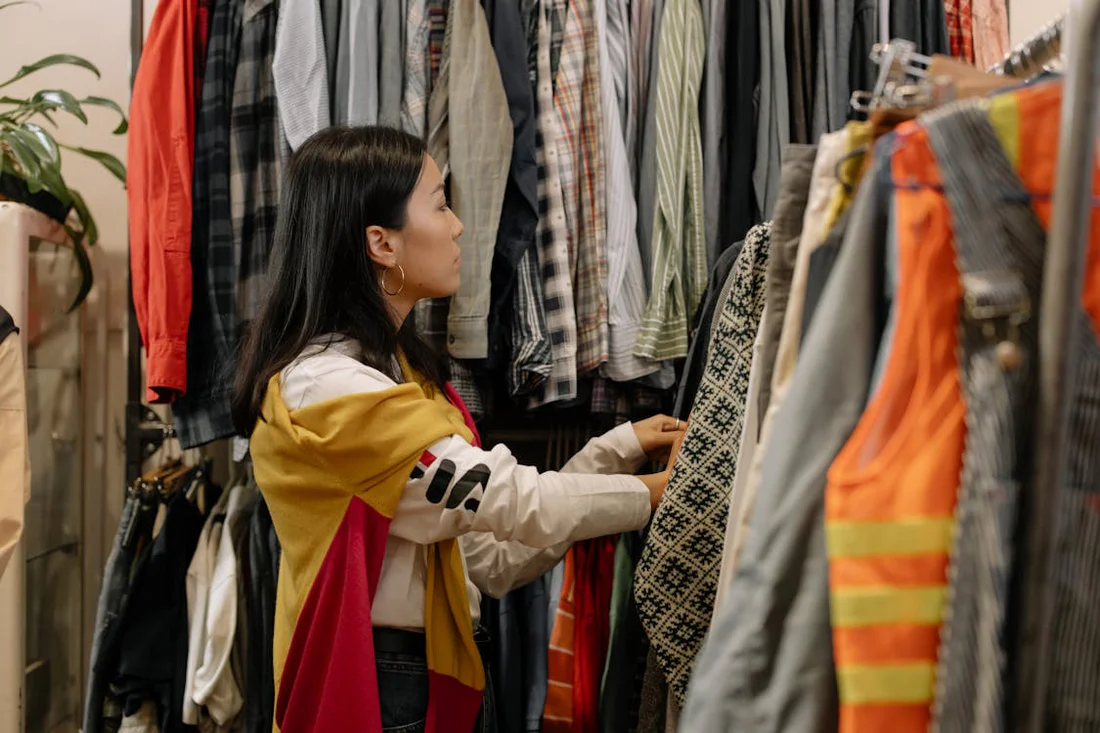
Thrift is often described simply as buying second-hand clothes. But in 2026, thrift represents something much larger than a shopping habit. It signals a shift in how we relate to fashion, value, and environmental responsibility.
In a world where clothing production has accelerated dramatically, thrift quietly asks a different question: instead of producing more, can we extend what already exists?
To understand thrift, we need to understand the system it challenges.
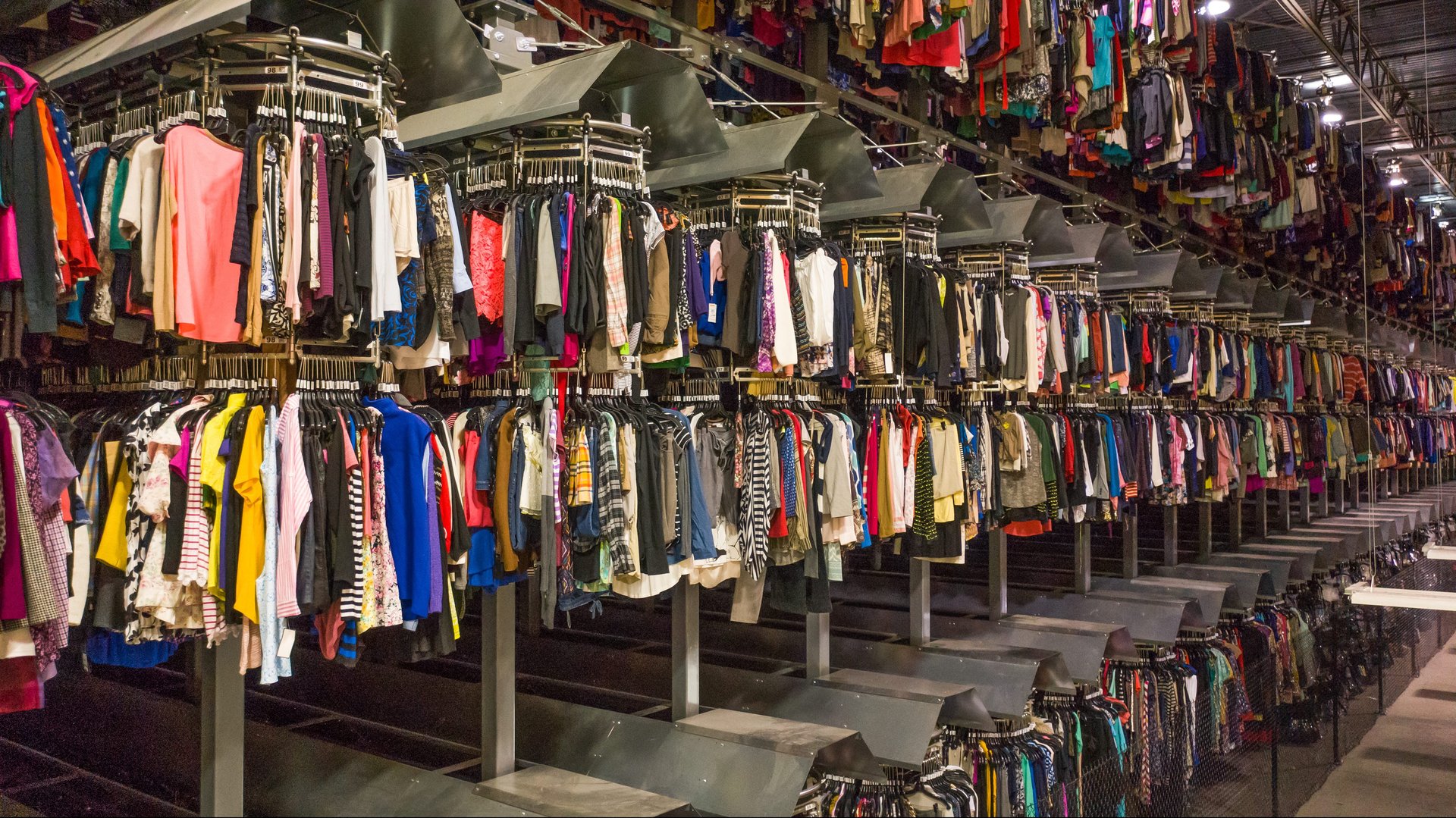
The global fashion industry operates on scale and speed. More collections. Shorter trend cycles. Lower prices. Higher volumes. The result is not just cultural acceleration — it is environmental pressure.
According to the United Nations Environment Programme (UNEP), the fashion industry contributes roughly 8–10% of global carbon emissions and is a major driver of water use and pollution.
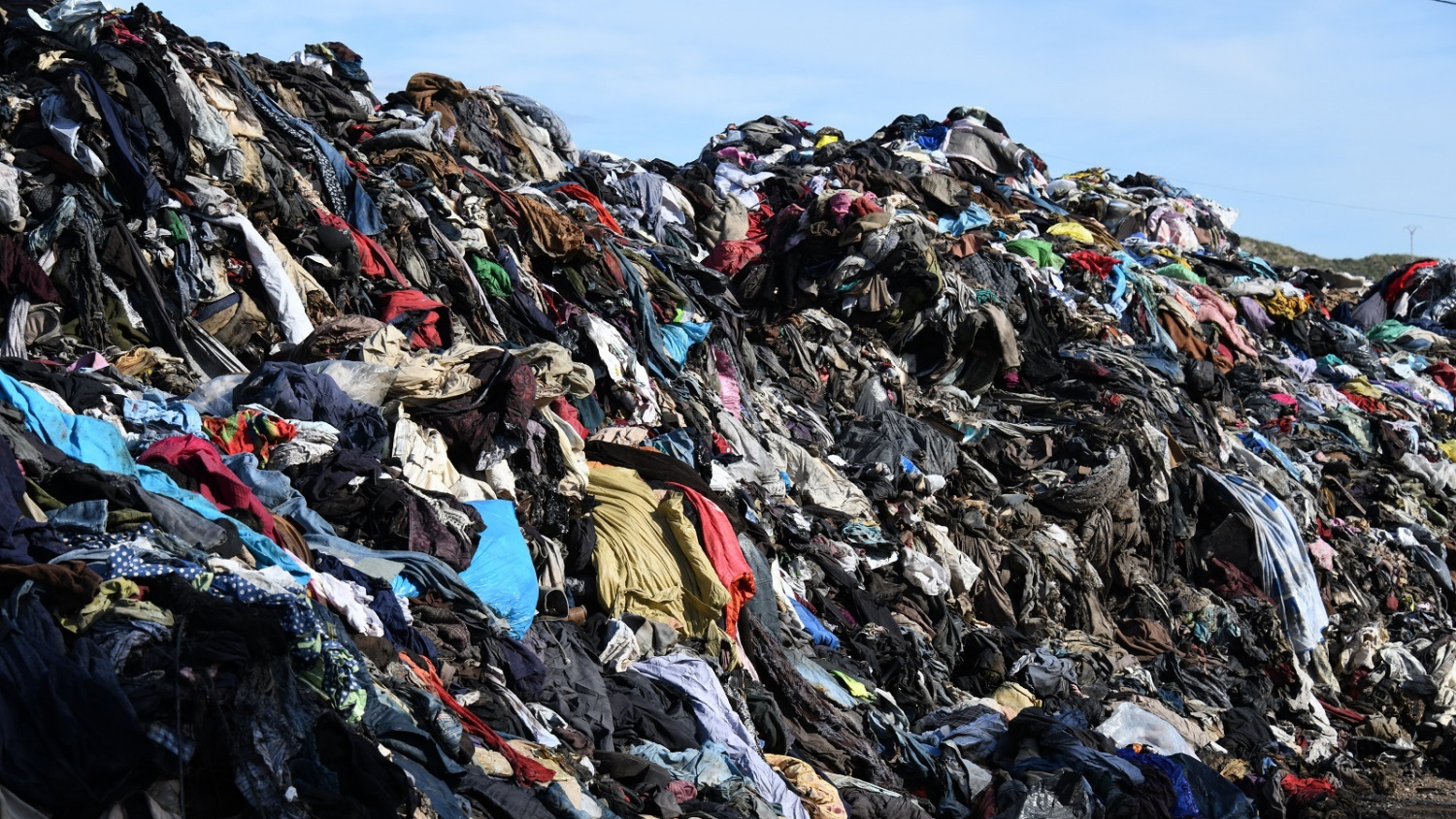
Beyond emissions, textile waste has become systemic. The Ellen MacArthur Foundation estimates that the equivalent of one truckload of textiles is landfilled or burned every second worldwide.
Production has nearly doubled over the past two decades. Utilisation has declined.
Garments are made faster — and discarded sooner.
Thrift enters this picture not as a trend, but as a counter-movement.
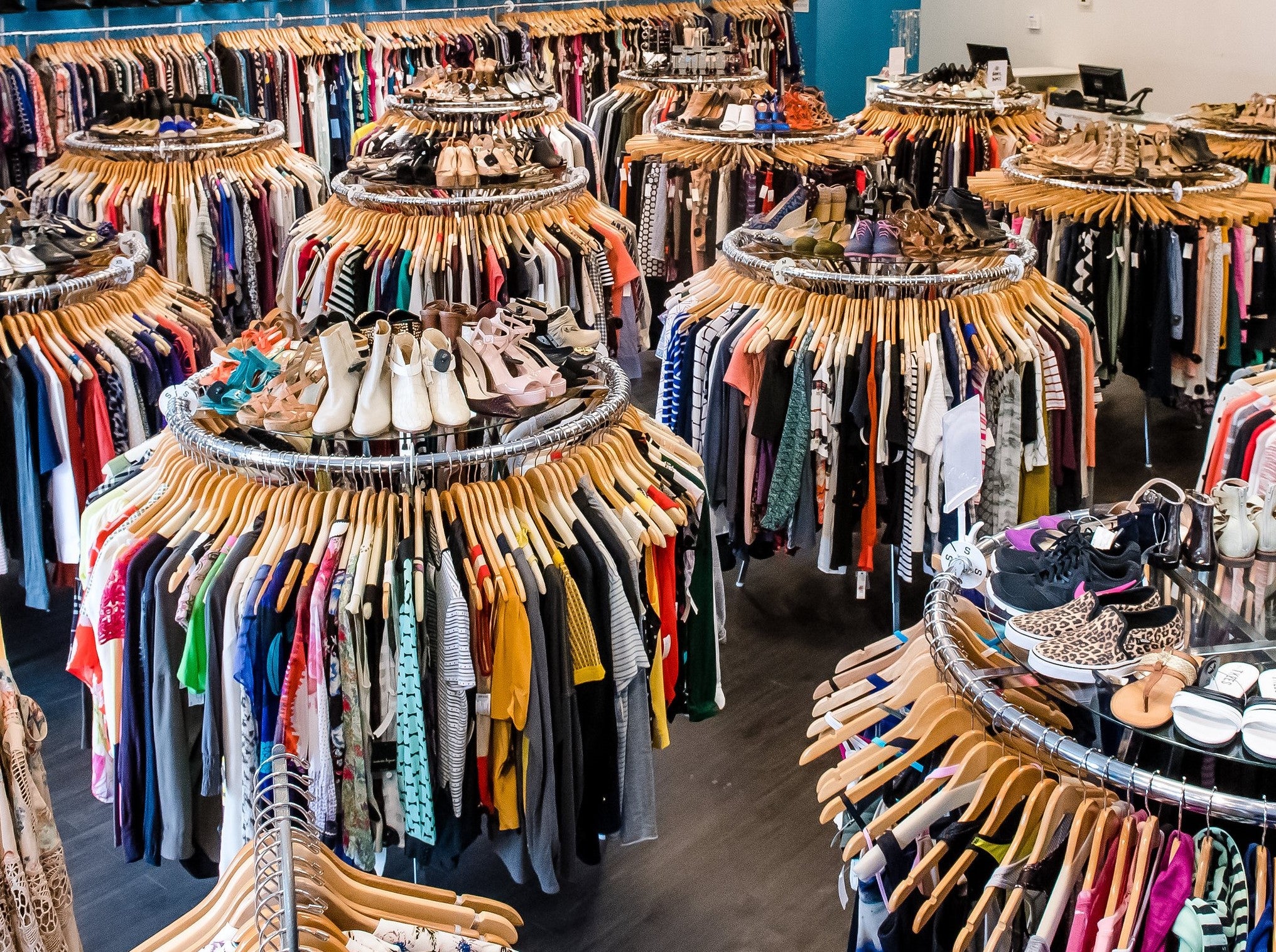
At its core, thrift means choosing pre-owned clothing instead of new production. This can happen through charity shops, resale platforms, consignment stores, vintage boutiques, or peer-to-peer marketplaces.
But the real meaning of thrift lies beyond the transaction.
It is a shift from extraction to extension.
Every new garment carries embedded environmental costs: fibre cultivation, synthetic polymer creation, dyeing, transport, packaging, retail infrastructure. When you buy second-hand, those upstream impacts are not triggered again.
The original cost has already occurred. Thrift spreads that cost across a longer lifespan.
Research referenced by the Ellen MacArthur Foundation suggests that extending clothing life by just nine months can reduce carbon, water, and waste footprints by 20–30%.
Thrift does not eliminate impact — but it reduces incremental impact.
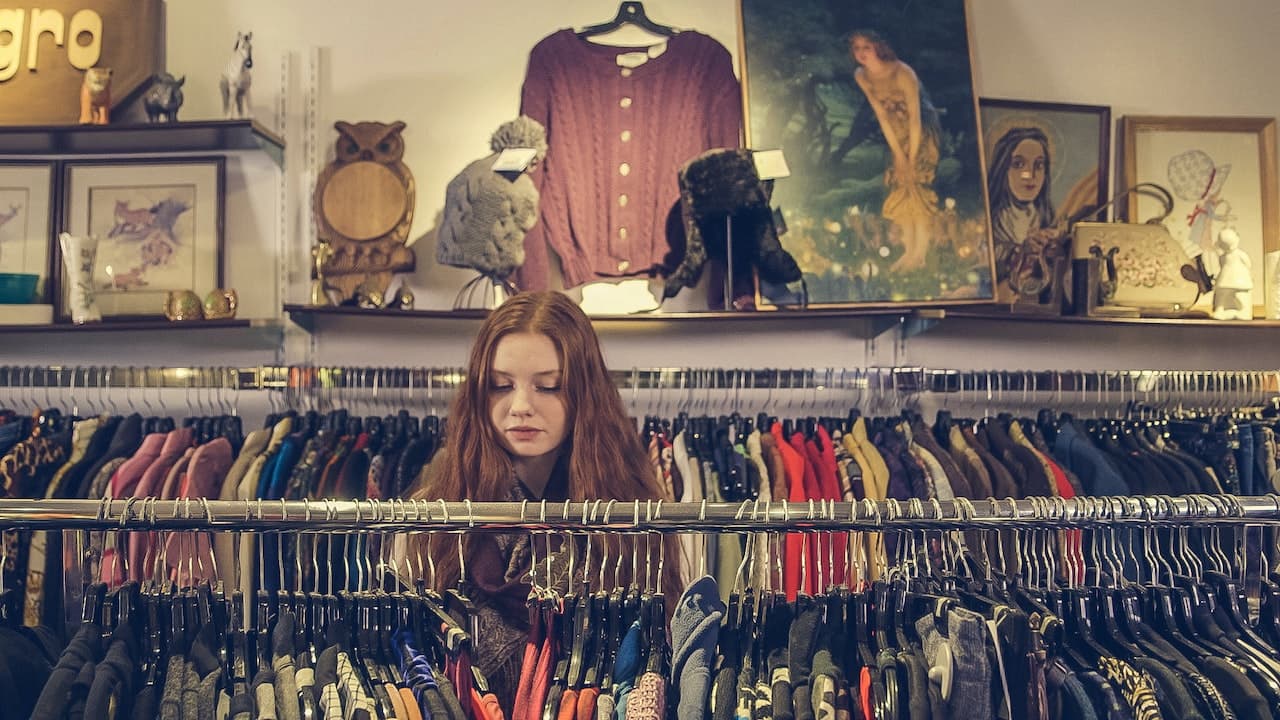
Not automatically.
Thrift reduces environmental pressure when it replaces new purchases. It does not reduce impact if it increases total consumption.
This is where behaviour becomes central.
If someone buys five new fast-fashion pieces and five thrift pieces, overall material flow still increases. But if thrift replaces those new purchases, production demand decreases.
Sustainability is less about second-hand status and more about duration of use.
The longer a garment stays in circulation, the more its environmental footprint is distributed over time. Longevity is the real metric.
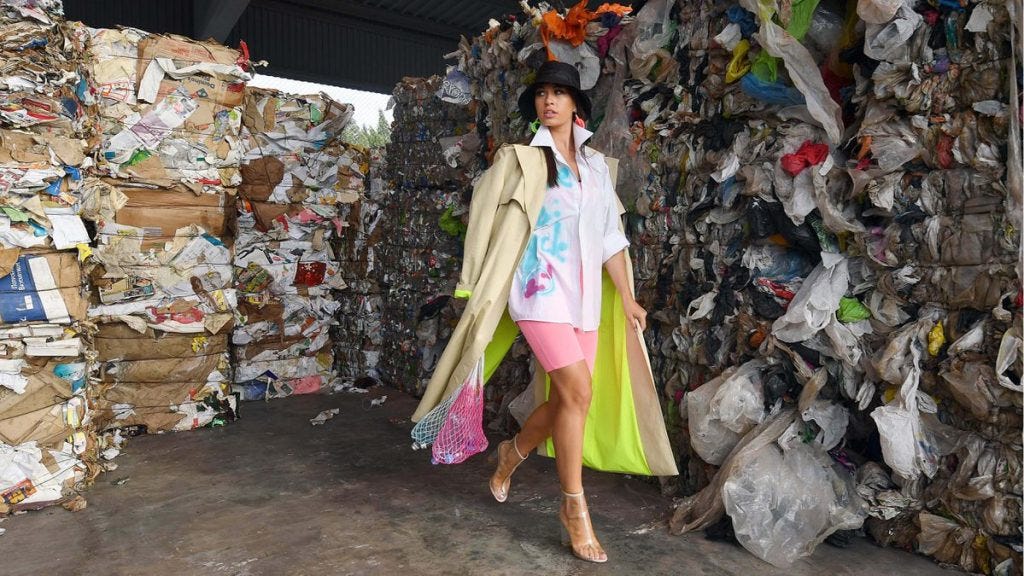
Fast fashion thrives on speed. It depends on rapid production cycles, synthetic materials, low prices, and constant trend rotation. The economic model relies on high volume and short lifespan.
Thrift disrupts this cycle.
Instead of accelerating material throughput, thrift slows it down. Instead of creating new demand, it redirects demand toward existing supply.
The World Economic Forum has emphasised that circular economy models — including resale and reuse — are critical to reducing material extraction and systemic waste.
Thrift is one of the most accessible forms of circular participation available today.
It keeps materials in use rather than pushing them toward disposal.
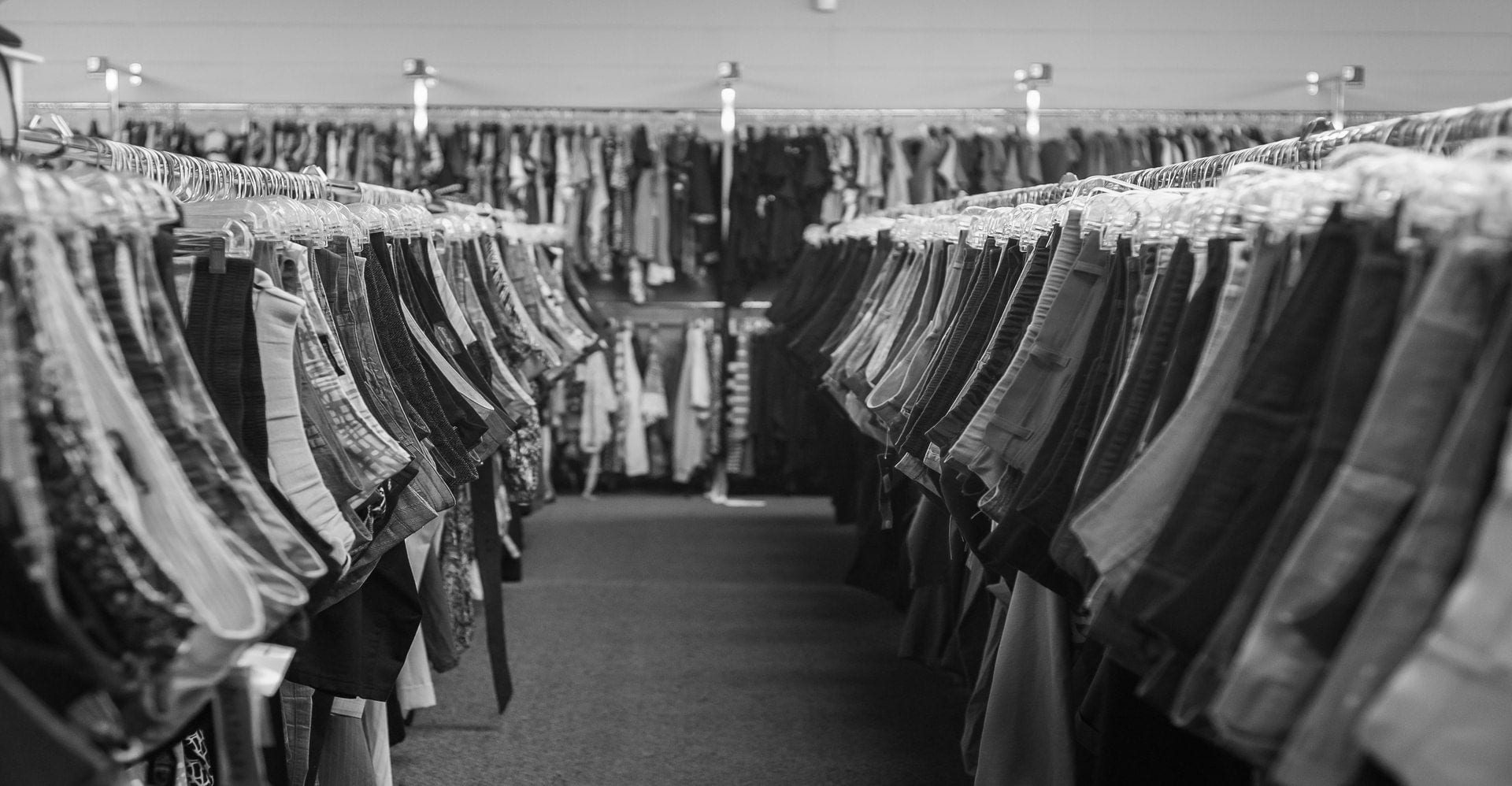
What makes thrift particularly interesting in 2026 is that it is no longer associated only with frugality. It is cultural.
For many consumers — particularly younger generations — thrift represents:
Second-hand clothing has moved from stigma to statement.
Wearing thrift is increasingly seen as intentional, not inferior.
This cultural shift reinforces environmental impact because behaviour that is socially rewarded tends to scale.
There is also a subtle economic transformation happening through thrift.
Traditional retail assumes rapid depreciation. Once purchased, a garment loses monetary value quickly and becomes disposable.
Resale ecosystems challenge that assumption.
If clothing retains resale value, consumers are incentivised to buy higher-quality garments, maintain them carefully, and consider longevity at the point of purchase.
Thrift reframes clothing from a short-term product to a long-term asset.
That shift influences purchasing decisions even before the second-hand market is entered.
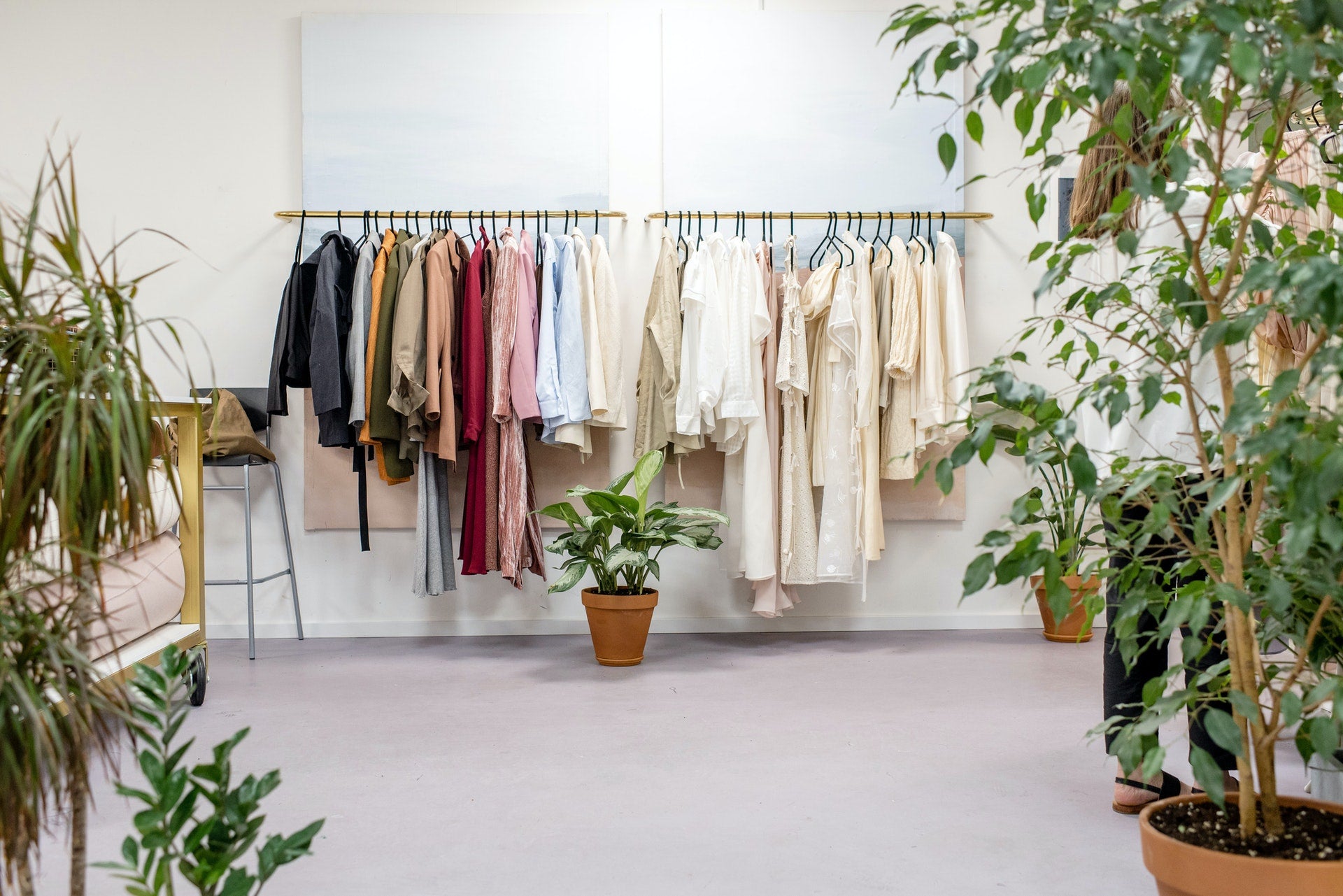
The environmental value of thrift depends on intention.
Buying fewer pieces. Choosing quality over novelty. Wearing garments repeatedly. Repairing rather than replacing. Keeping items circulating through resale or donation.
Thrift is most powerful when it reduces total material throughput.
It becomes less meaningful when it simply becomes another form of accumulation.
The difference lies in how long something is worn — not where it was purchased.

As climate pressures intensify and resource constraints become more visible, longevity will likely become central to fashion economics.
Thrift aligns naturally with this shift.
It slows extraction. It delays waste. It extends value.
In climate-constrained economies, extension may become more important than expansion.
Thrift is simple — but simplicity can be transformative.
Before creating something new, can we use what already exists?
That question may define the next phase of sustainable fashion.
Thrift shopping means buying second-hand clothing instead of new garments. It includes online resale platforms, consignment stores, and peer-to-peer marketplaces where pre-owned clothes are sold and reused.
Yes, thrift shopping can reduce environmental impact — especially when it replaces buying new clothes. It lowers demand for new production, reduces textile waste, and extends the life of existing garments.
Thrift can reduce carbon emissions because it avoids the manufacturing process of new clothing. However, the impact depends on buying habits and shipping distances.
In many cases, thrift is more affordable than buying new clothing. Prices vary by platform, but second-hand items often cost significantly less than retail prices.
You can thrift clothes online through platforms like ThredUp, Depop, Vinted, Poshmark, eBay, and other resale-focused marketplaces that operate globally.
Not necessarily. Thrift only reduces environmental impact if it replaces new purchases. Overconsumption — even second-hand — reduces the sustainability benefit.
Benefits of thrift include lower cost, reduced environmental impact, unique fashion finds, and supporting circular economy models that extend product life.
Yes. Thrift supports the circular economy by keeping clothes in use longer, reducing waste, and decreasing the need for virgin resource extraction.
Thrift and resale are closely related. Thrift traditionally refers to second-hand shopping, while resale includes broader peer-to-peer and luxury consignment platforms.
Thrift is growing due to rising environmental awareness, increasing fashion waste concerns, and consumer demand for affordable, sustainable alternatives to fast fashion.
Related topics
Related Categories
Share this blog