

© 2026 Made for Planet • Privacy Policy • Terms & Conditions
Platform by Mission Sustainability
By Rittika rana • Apr 01, 2026
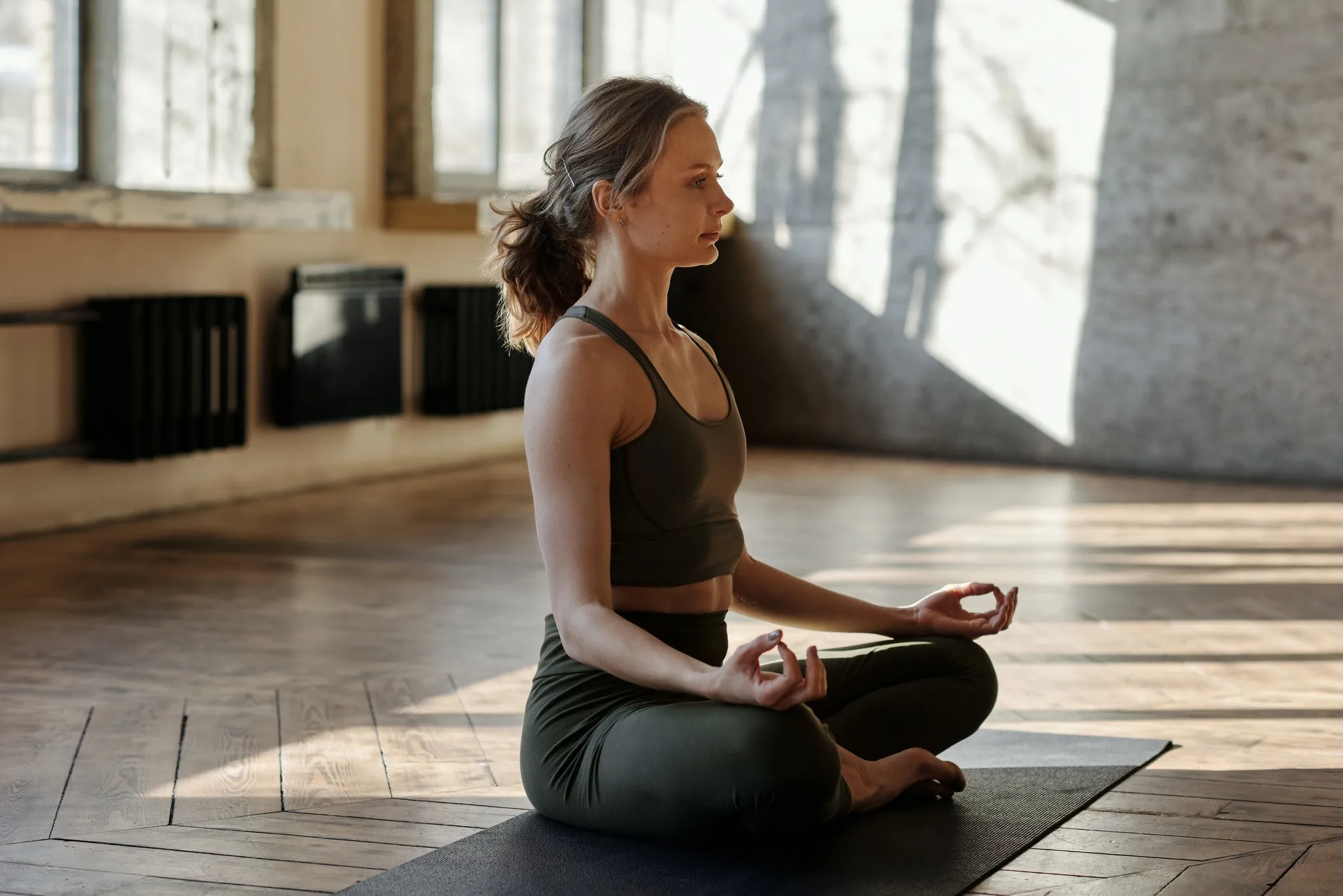
In a world that moves quickly and constantly demands attention, the idea of slowing down often feels unfamiliar. We are surrounded by screens, noise, and routines that rarely pause. Yet, within this fast-paced rhythm, there is a growing desire to return to something simpler.
This is where yogasana finds its place.
Often seen as a series of physical postures, yogasana is usually associated with flexibility, strength, or fitness. But its essence goes far beyond movement. It is a practice that brings awareness to the body, steadiness to the mind, and a sense of balance that extends into everyday life.
To understand yogasana fully, it helps to look beyond the poses and into the intention behind them.
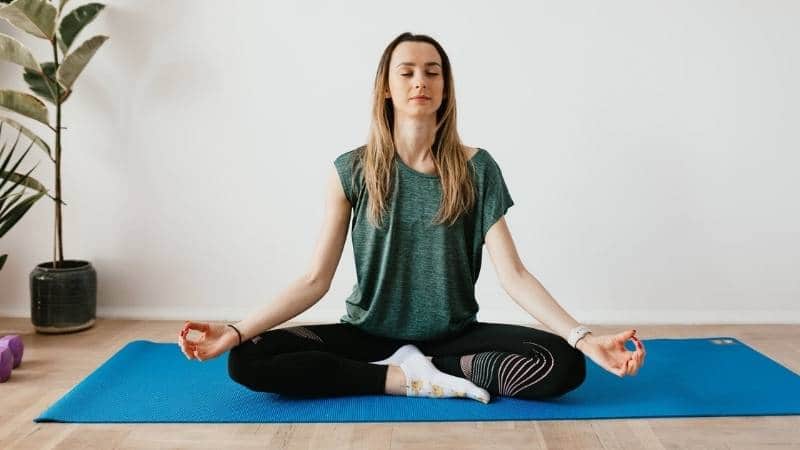
The word yogasana comes from two Sanskrit terms: “yoga,” meaning union, and “asana,” meaning posture. Together, yogasana refers to physical postures practiced as part of a broader system designed to align the body and mind.
In classical texts such as the Yoga Sutras of Patanjali, asana is described as a posture that is steady and comfortable. The goal is not perfection, but ease and awareness within the body.
Over time, yogasana has evolved into many forms, from slow and meditative practices to more dynamic styles. Despite these variations, the core idea remains the same: to create harmony between movement and stillness.

Modern lifestyles often create imbalance. Long hours of sitting, constant digital engagement, and irregular routines can affect both physical and mental well-being.
Yogasana offers a simple counterbalance.
Through mindful movement and controlled breathing, it helps release tension and bring attention back to the present moment.
Research highlighted by the National Center for Complementary and Integrative Health suggests that yoga can support stress management and overall well-being.
What makes yogasana especially relevant today is its accessibility. It does not require expensive equipment or large spaces. It can be practiced almost anywhere, making it easy to integrate into daily life.
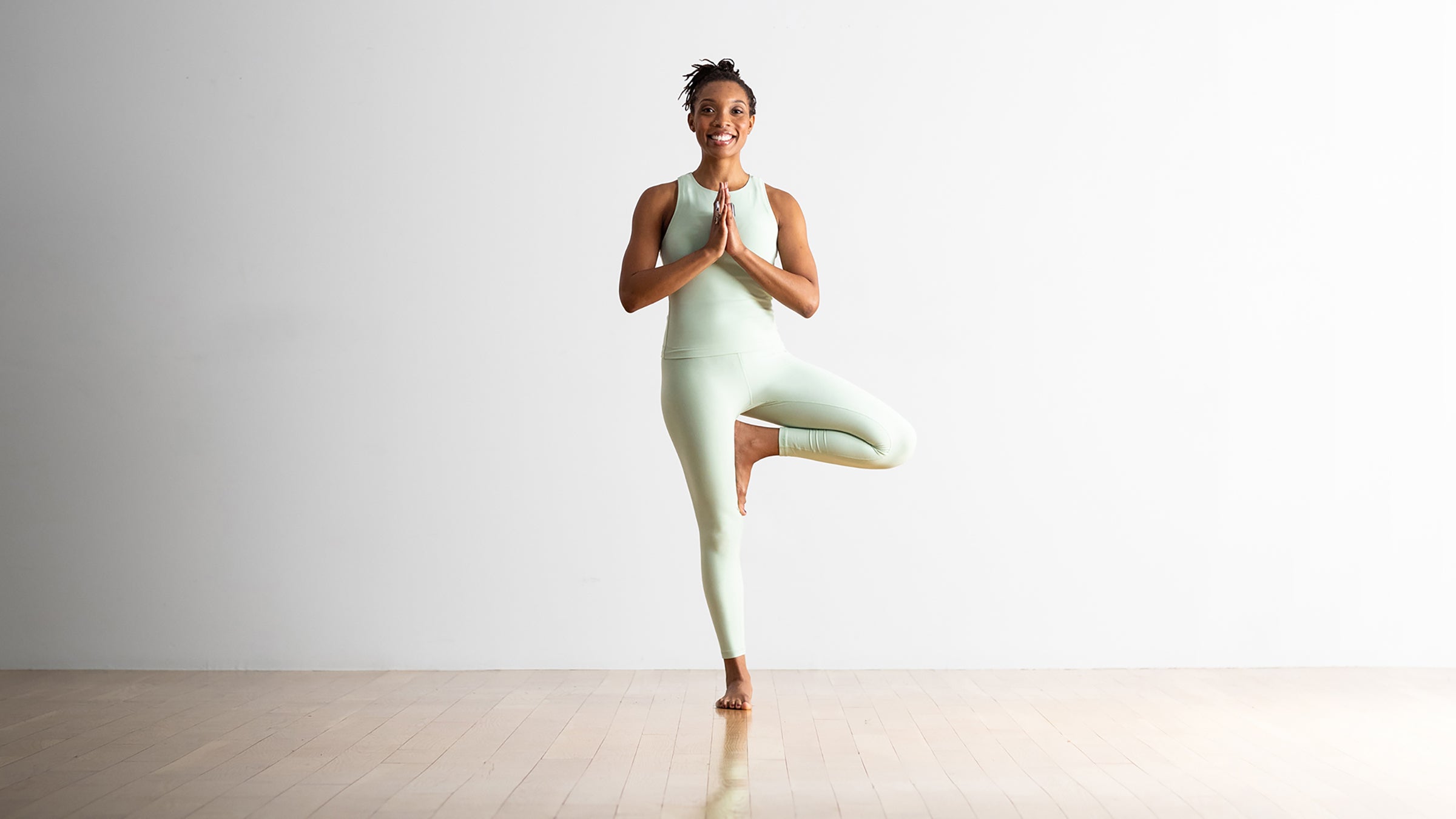
Standing poses improve posture, build strength, and enhance stability.
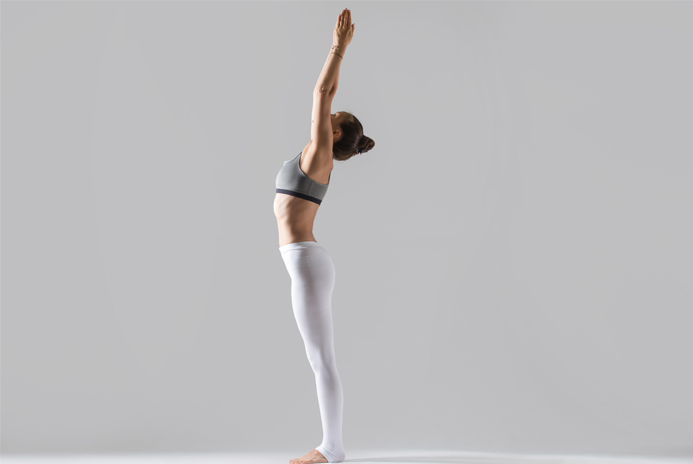
Benefits:
• Improves posture and body alignment
• Strengthens legs and core muscles
• Increases body awareness and stability
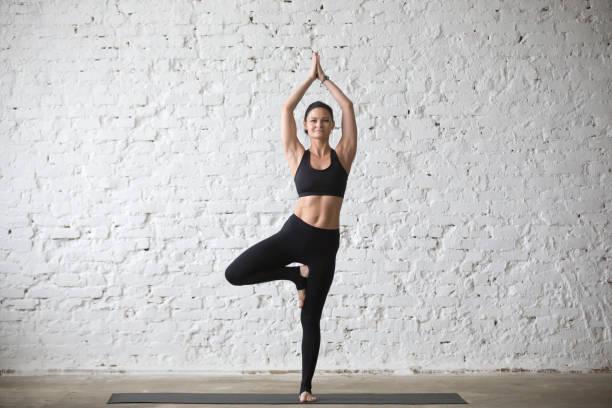
Benefits:
• Enhances balance and coordination
• Improves concentration and focus
• Strengthens legs and core

Benefits:
• Stretches the sides of the body
• Improves flexibility and posture
• Strengthens legs and core

These poses focus on flexibility and create a sense of calm.
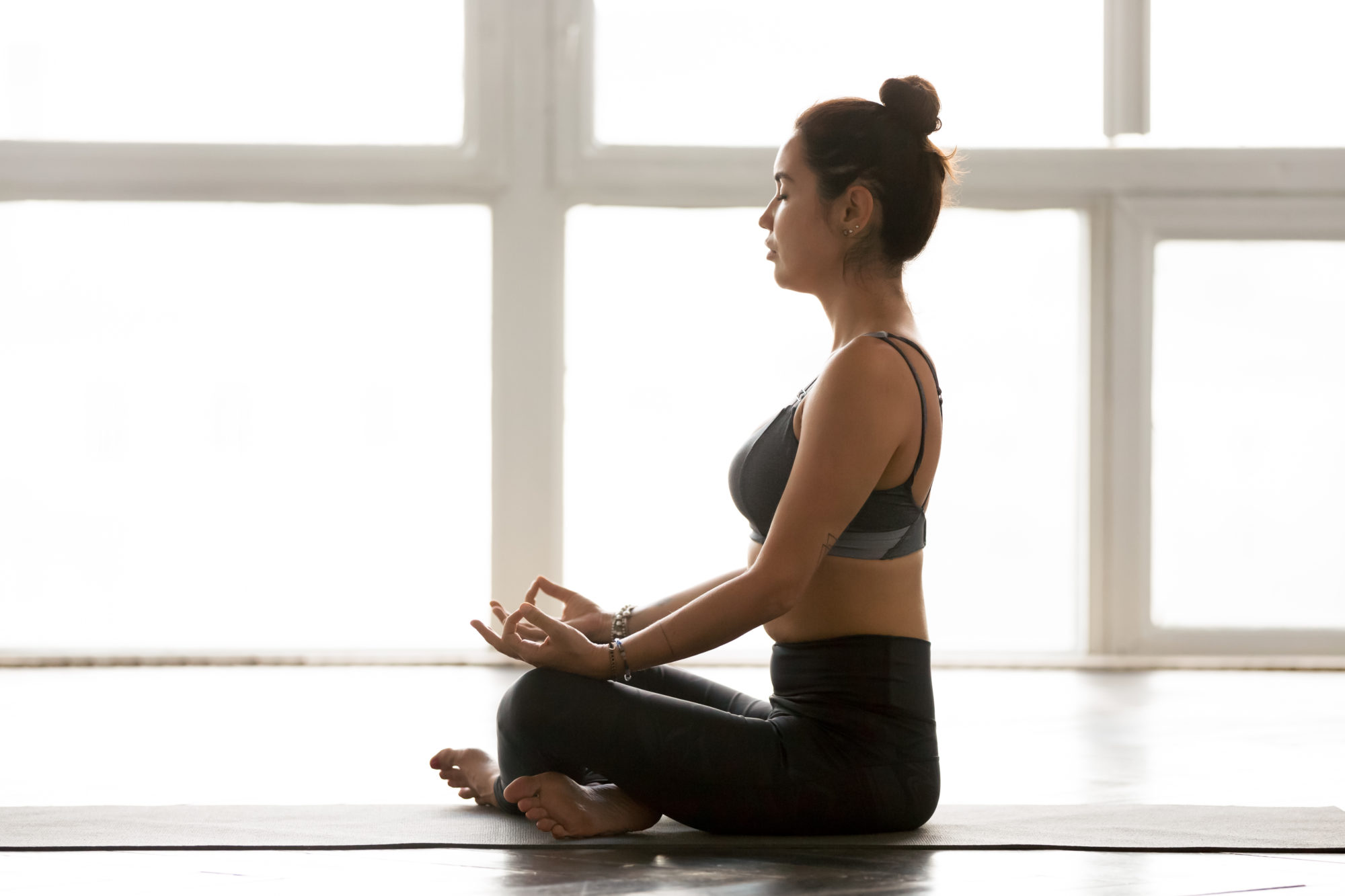
Benefits:
• Promotes relaxation and calmness
• Improves sitting posture
• Supports breathing awareness
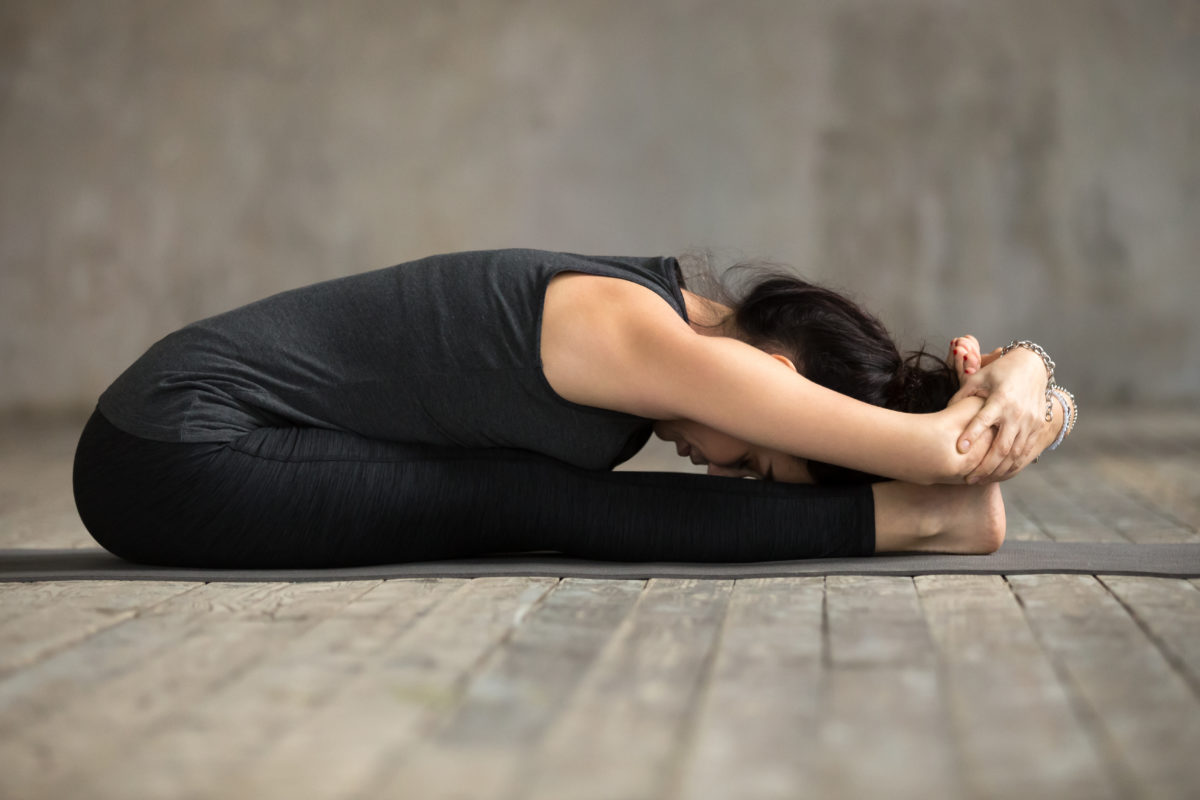
Benefits:
• Stretches spine and hamstrings
• Helps calm the mind
• Supports digestion
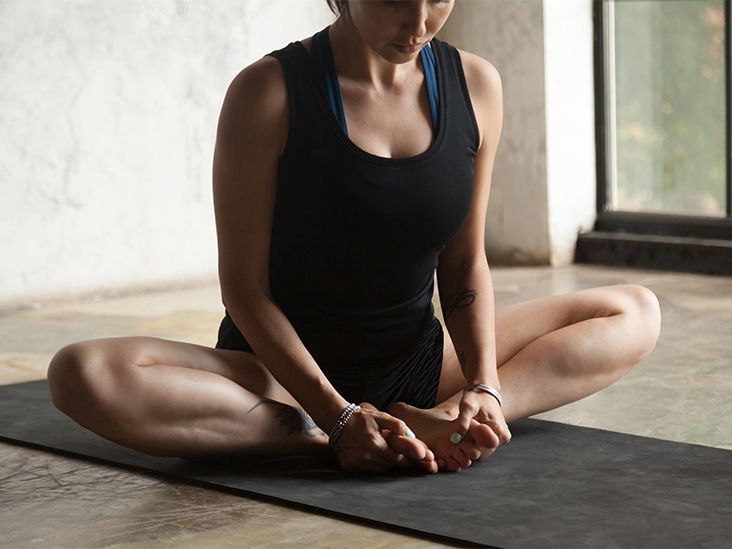
Benefits:
• Opens hips and improves flexibility
• Relieves lower body tension
• Improves blood circulation
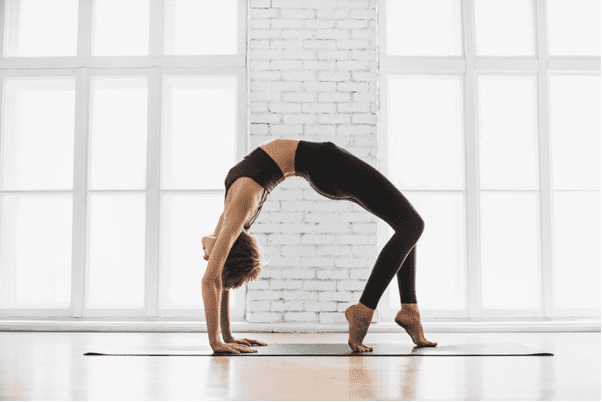
Backbends counteract long hours of sitting and improve posture.
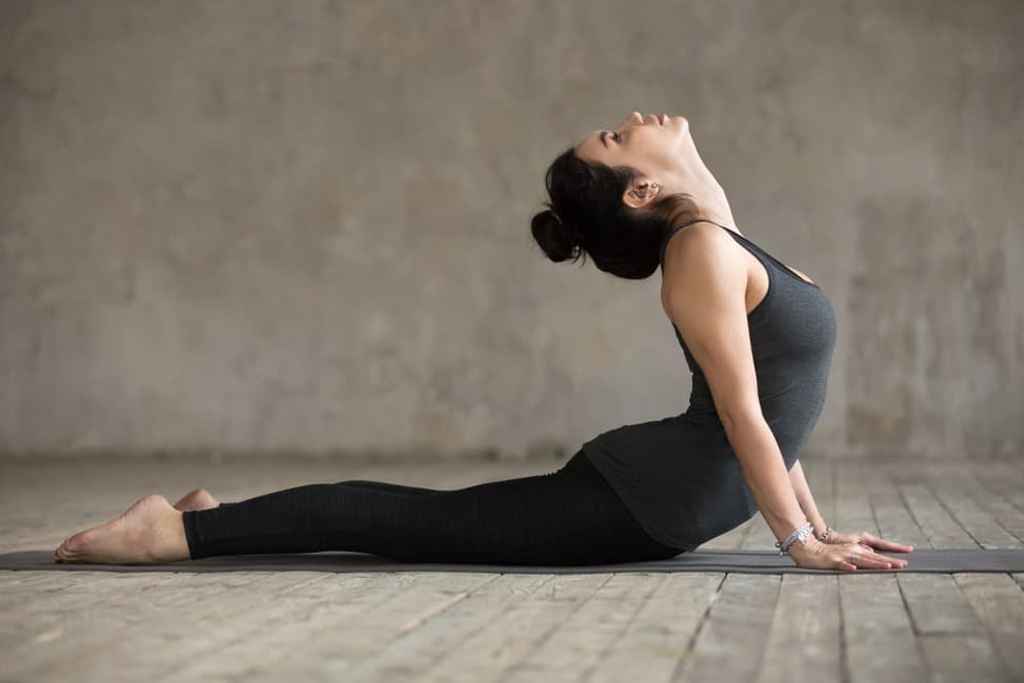
Benefits:
• Improves spinal flexibility
• Opens chest and lungs
• Reduces stiffness from sitting
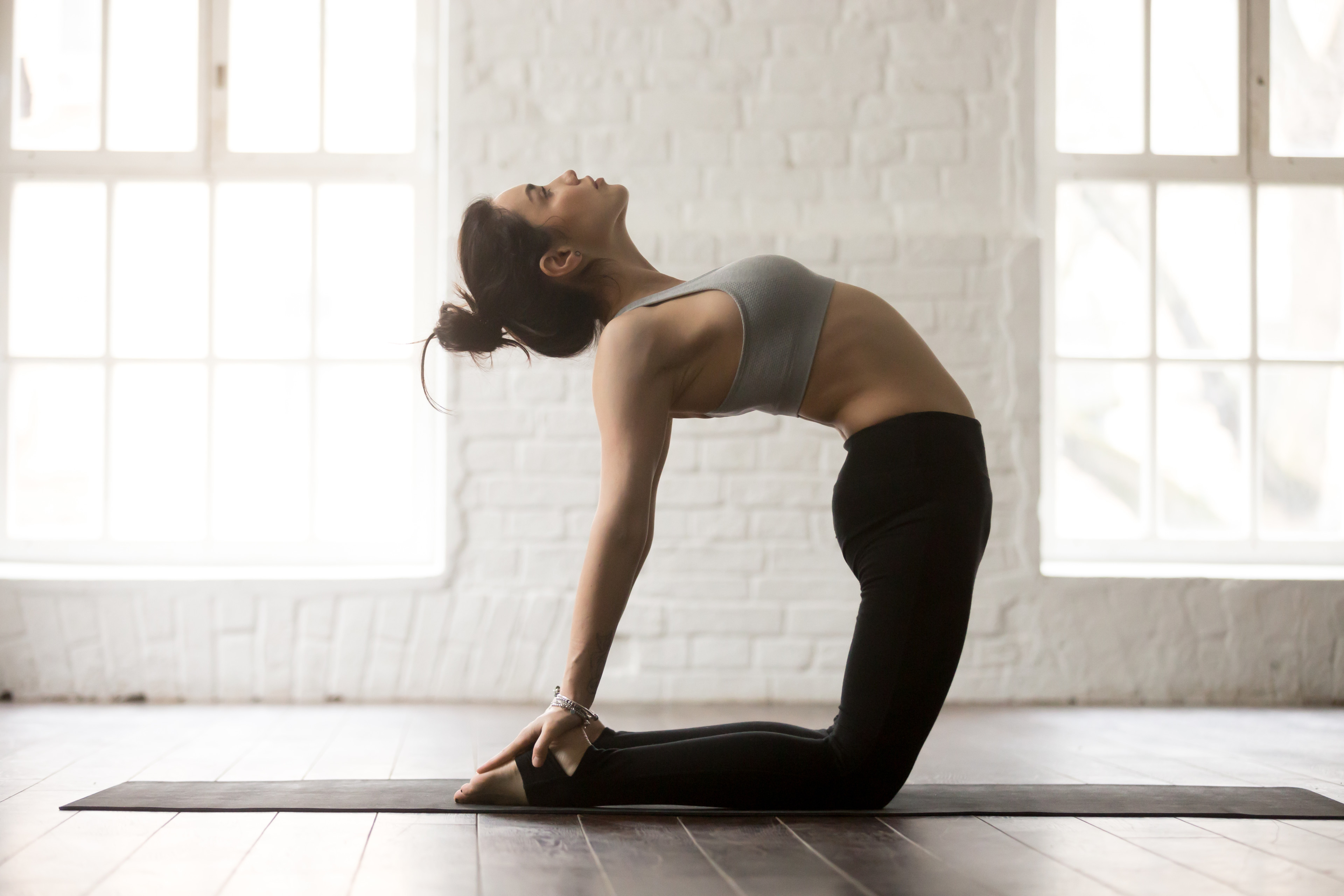
Benefits:
• Deeply stretches chest and shoulders
• Improves posture and flexibility
• Increases energy levels
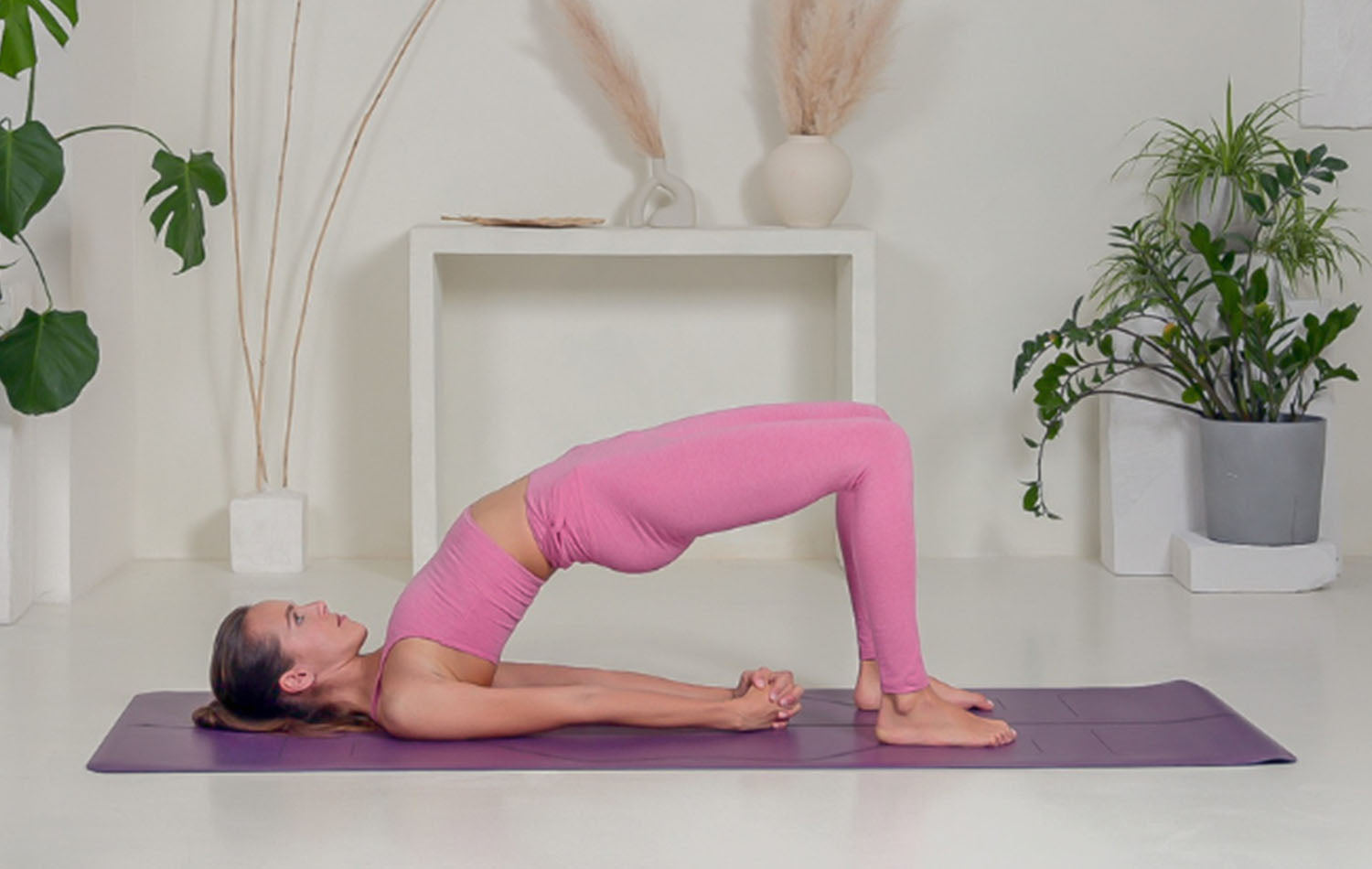
Benefits:
• Strengthens back and leg muscles
• Improves circulation
• Helps reduce stress and fatigue
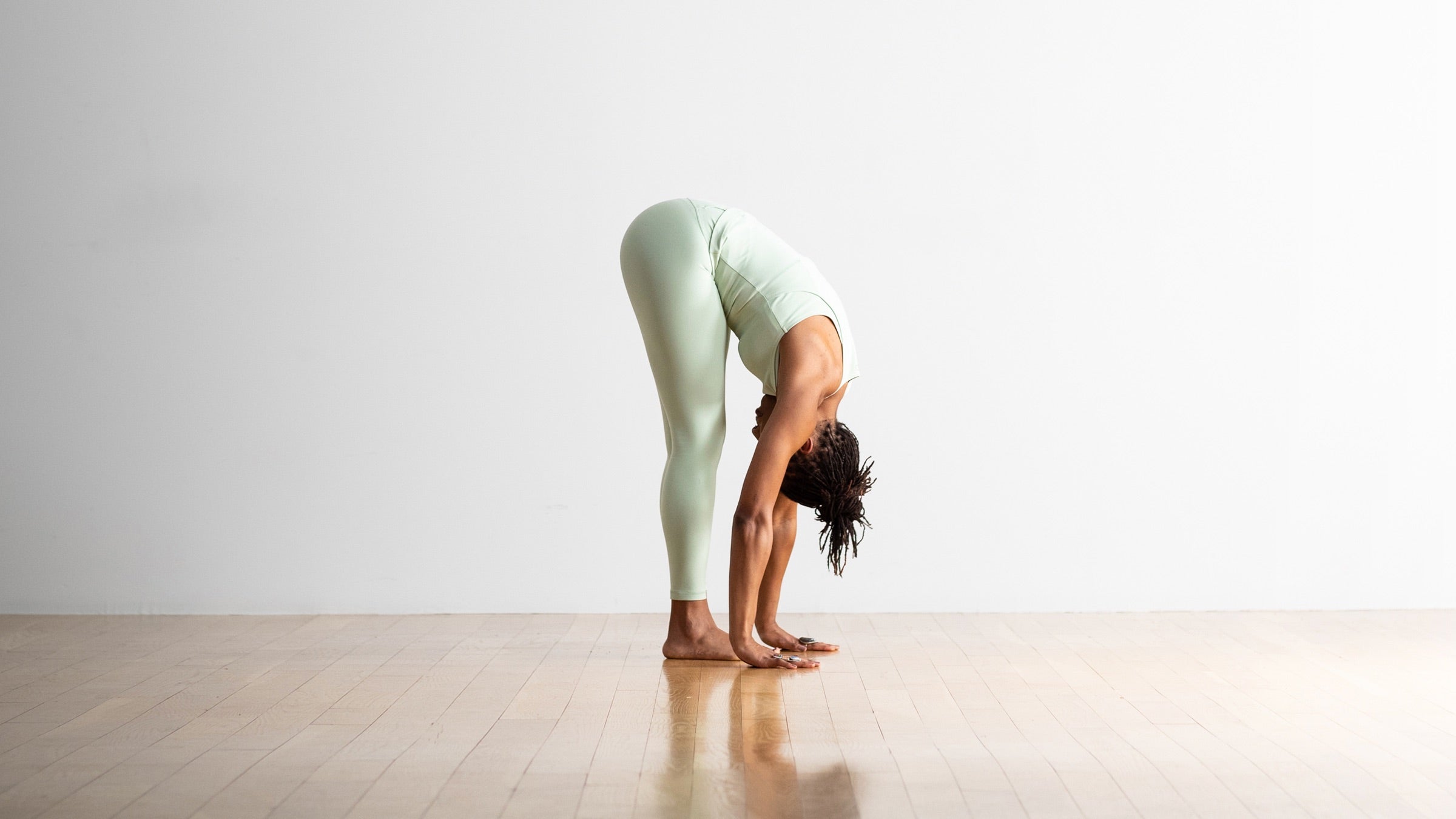
These poses help relax the nervous system and stretch muscles.

Benefits:
• Stretches hamstrings and spine
• Calms the mind
• Improves blood flow

Benefits:
• Improves flexibility
• Supports digestion
• Promotes relaxation
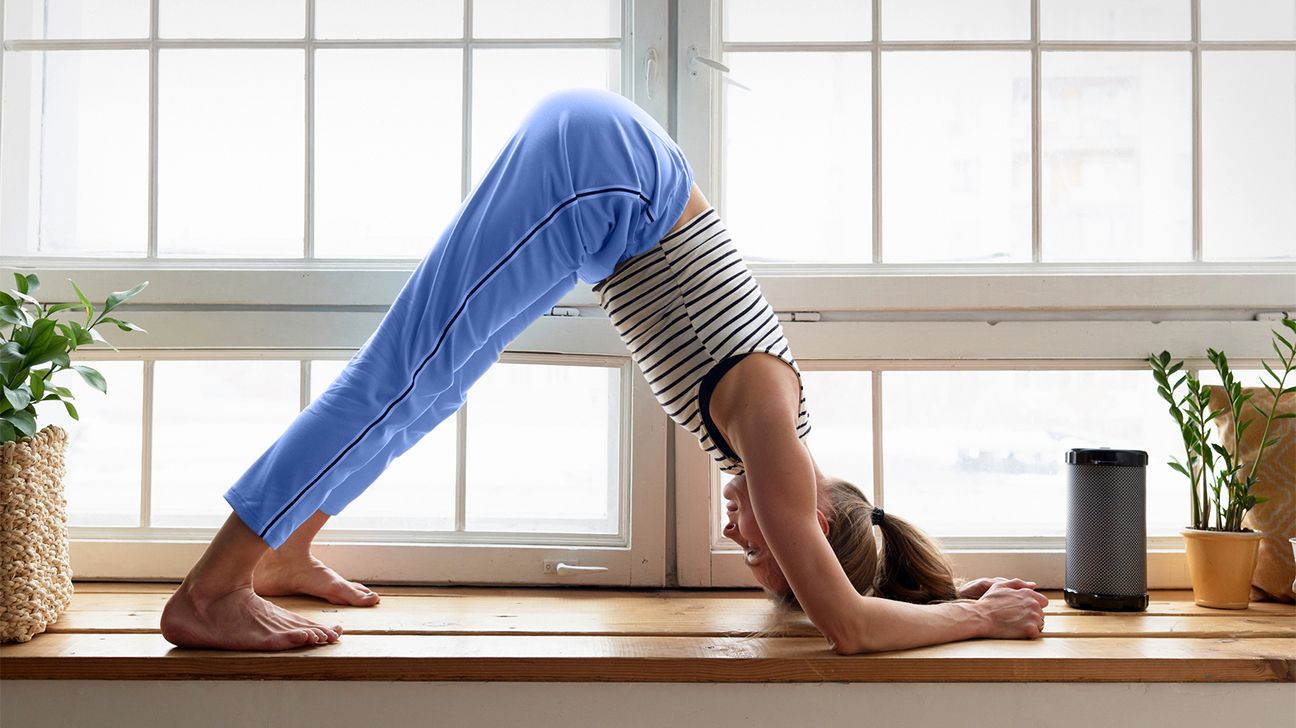
These poses improve circulation and activate the entire body.
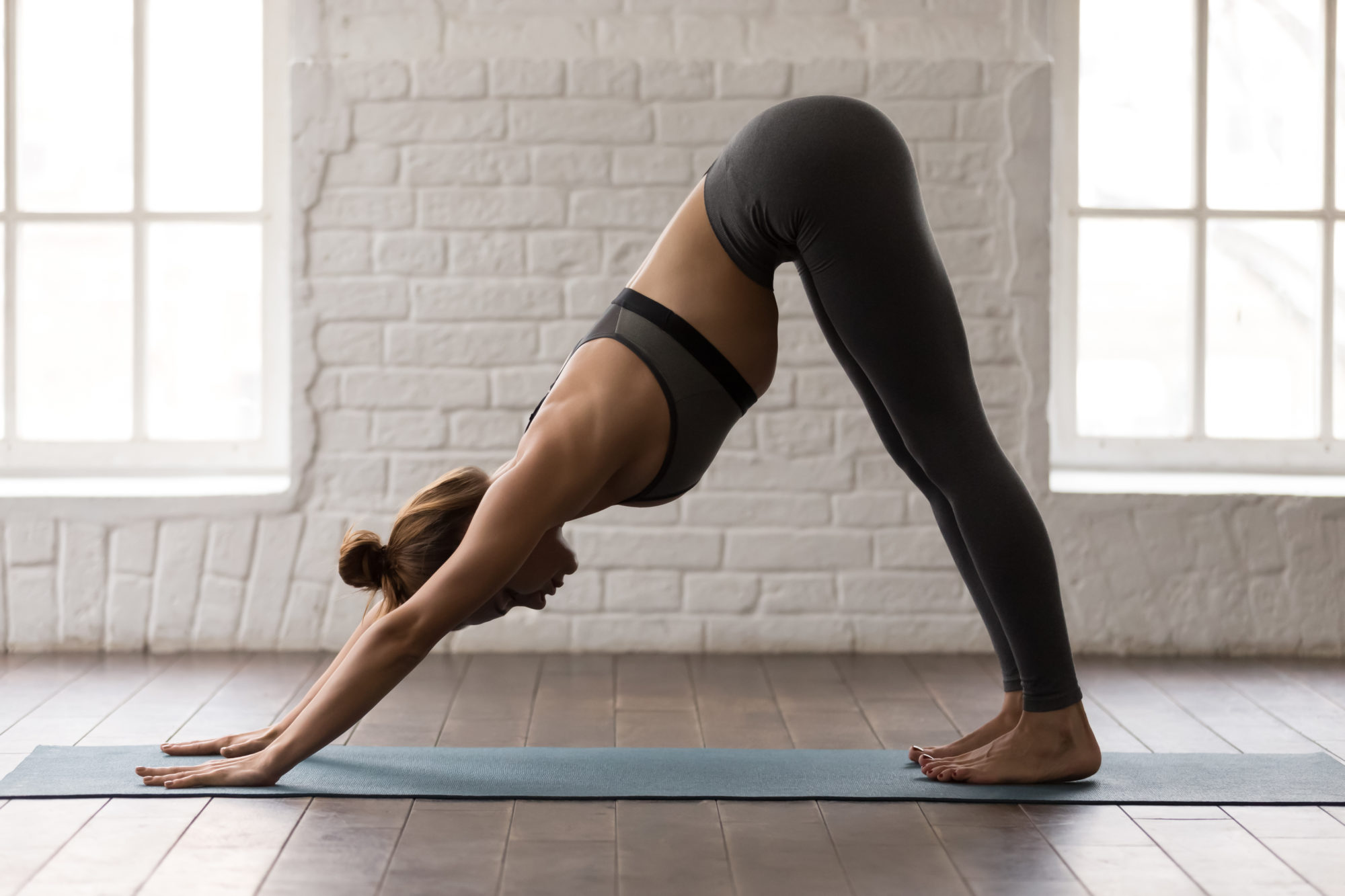
Benefits:
• Provides full-body stretch
• Strengthens arms and legs
• Improves circulation
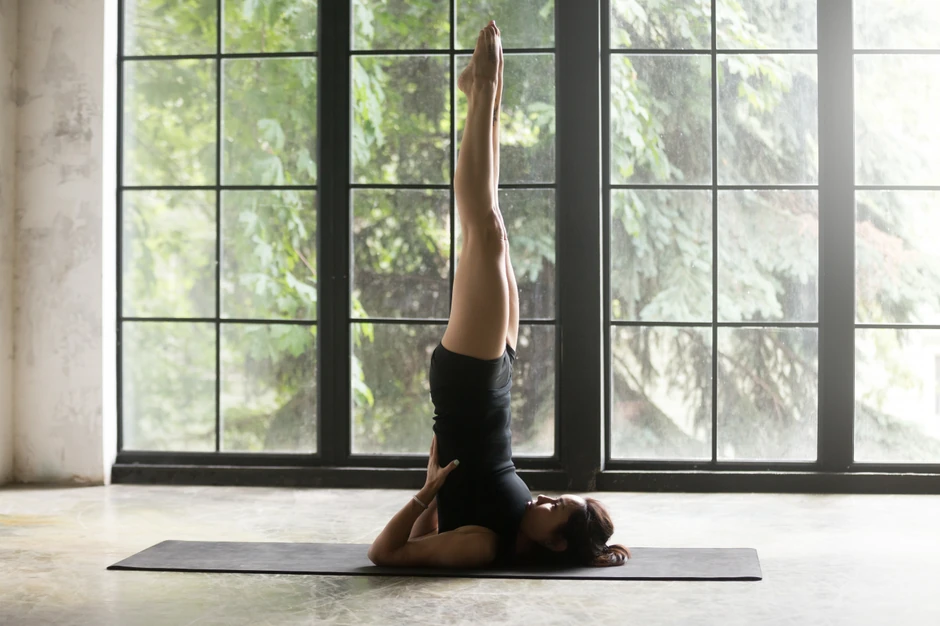
Benefits:
• Improves blood circulation
• Enhances balance and focus
• Supports internal body functions
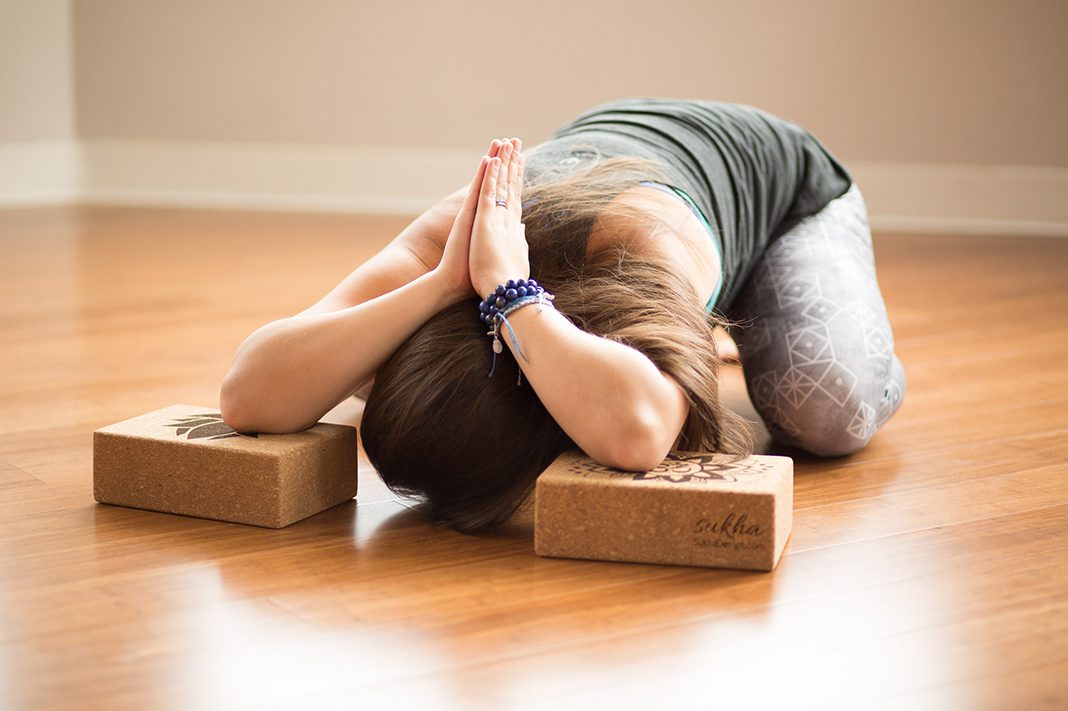
These poses focus on rest and recovery.
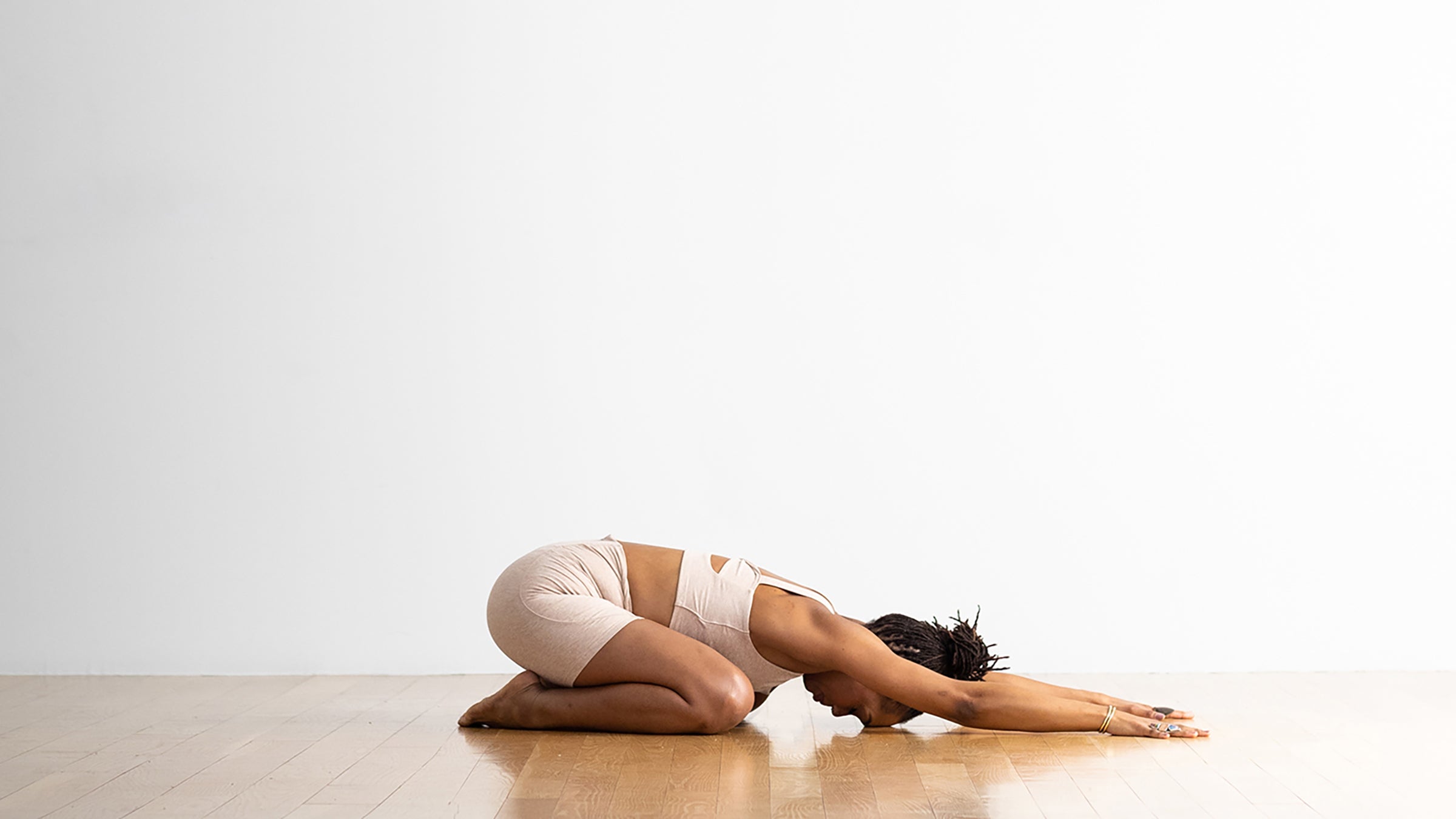
Benefits:
• Relaxes the body
• Reduces stress and tension
• Releases pressure from the back

Benefits:
• Promotes deep relaxation
• Reduces anxiety and stress
• Restores energy

While yogasana is often approached for physical fitness, its deeper value lies in awareness.
Each posture encourages attention to breath, movement, and stillness. Over time, this awareness extends beyond practice and begins to influence daily life.
Simple actions such as sitting, walking, or even responding to stress can feel more grounded and intentional. This shift may be subtle, but it creates a meaningful sense of balance.

One of the most powerful aspects of yogasana is its simplicity.
It does not depend on complex equipment or elaborate routines. A small space and a few minutes of focused attention are often enough.
This simplicity aligns closely with mindful living. It encourages reducing excess and focusing on what truly matters.
In this way, yogasana becomes more than a physical activity. It becomes a way of creating space in both the body and the mind.
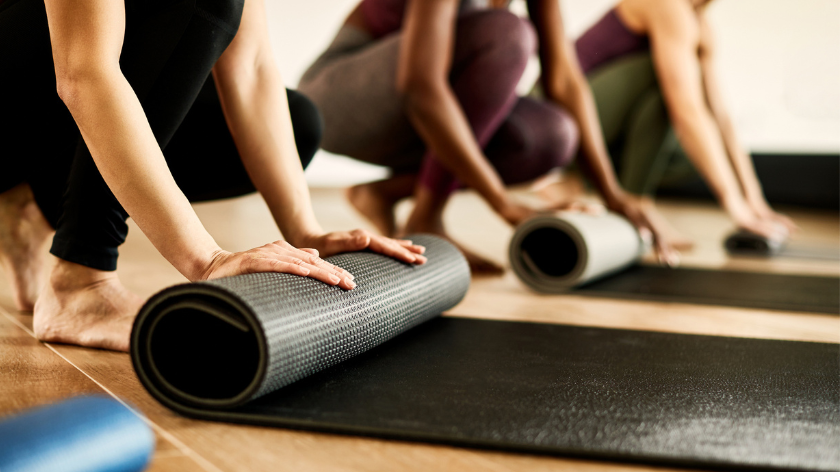
Starting a yogasana practice does not require major changes. It can begin with just a few minutes each day.
A short practice in the morning can help set the tone for the day, while gentle stretches in the evening can help release accumulated tension.
The key is consistency. Even a few postures practiced regularly can create a noticeable difference over time.
Rather than aiming for intensity, focusing on regularity allows yogasana to become a natural part of daily life.

Yogasana is often introduced as a form of exercise, but it reveals itself as something deeper over time.
It is a practice of balance in a world that often feels unbalanced. A way to reconnect with the body, and through it, with a quieter and more aware state of mind.
It does not require perfection or complexity. Only attention, patience, and a willingness to slow down.
And sometimes, that is exactly what we need.
Yogasana refers to physical postures practiced in yoga that help improve flexibility, balance, and overall mind-body awareness.
Yogasana helps improve posture, flexibility, strength, and mental focus while also reducing stress and supporting overall well-being.
Yoga is a broader practice that includes breathing, meditation, and philosophy, while yogasana specifically refers to the physical postures.
Yes, beginners can practice simple yogasanas at home with proper guidance and consistency, starting with basic poses.
Simple poses like Tadasana, Vrikshasana, and Balasana are ideal for beginners as they focus on balance, stability, and relaxation.
Practicing yogasana daily or even a few times a week can help build consistency and improve both physical and mental health.
Yes, yogasana helps reduce stress by combining movement with breath awareness, which promotes relaxation and mental clarity.
Regular practice of yogasana gradually improves flexibility by stretching and strengthening muscles over time.
Yogasana can be adapted for all age groups, making it a safe and accessible practice when done correctly.
Yogasana is often practiced in the morning for energy and focus, but it can also be done in the evening to relax and unwind.
Related topics
Related Categories
Share this blog


