

© 2026 Made for Planet • Privacy Policy • Terms & Conditions
Platform by Mission Sustainability
By Rittika rana • Jan 03, 2026
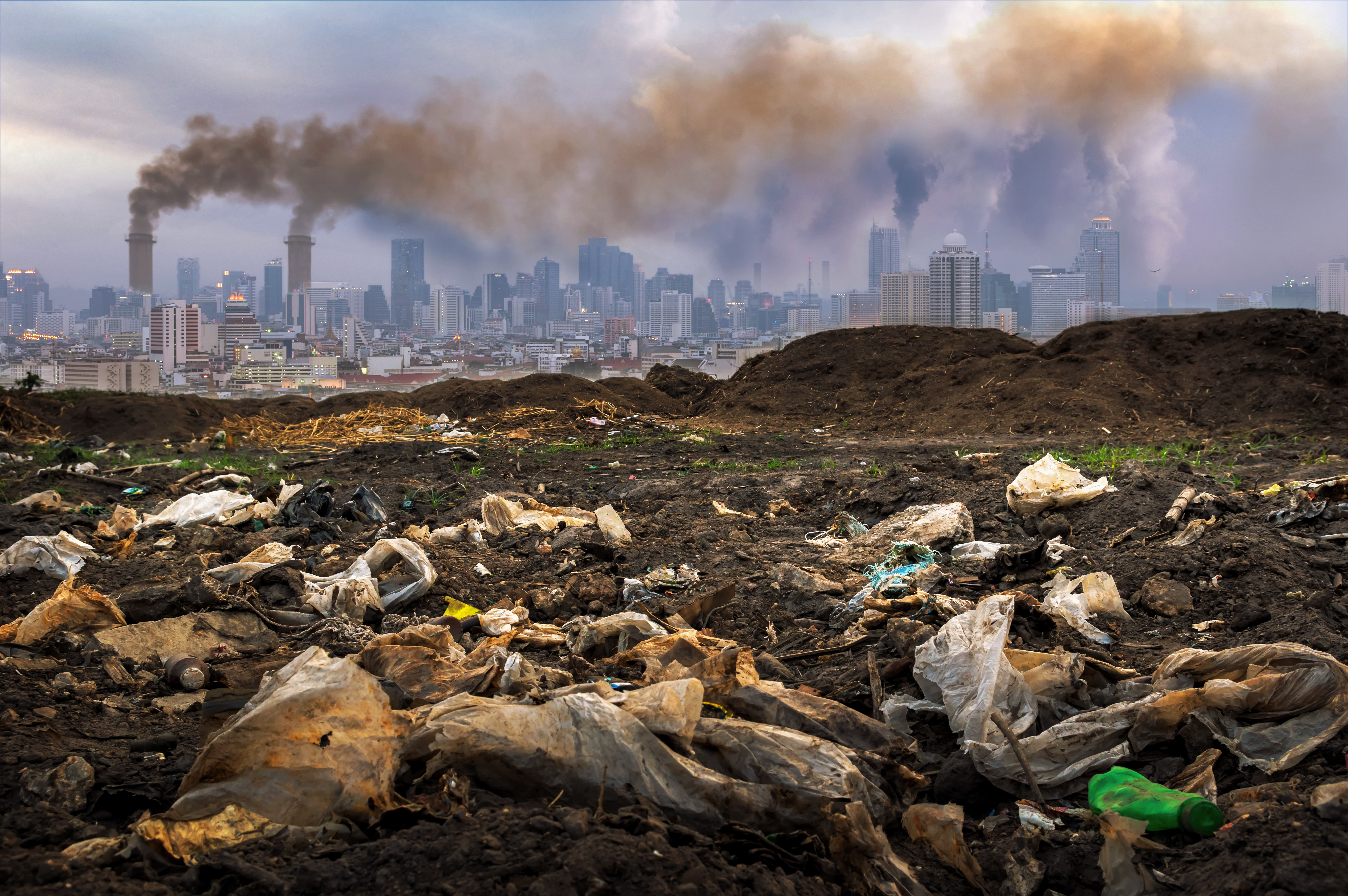
If you live in a city, work long hours, order food occasionally, commute daily, and shop online—your lifestyle is likely efficient, but waste-intensive.
Urban waste is not generated because people don’t care. It is generated because systems are designed for convenience, disposability, and speed. The idea of a zero waste lifestyle emerges as a response to this system—not as an ideal of perfection, but as a design philosophy for daily life.
A zero waste lifestyle focuses on preventing waste at the source, rather than dealing with it after it’s created. This shift—from disposal to prevention—is what makes it powerful, practical, and scalable.
Importantly, modern zero-waste practitioners agree on one thing: zero waste is a direction, not a finish line. The goal is to consistently reduce waste without adding stress or complexity to your life (Earth5R, VegOut).

A zero waste lifestyle is a way of living that aims to minimise the amount of waste sent to landfills and incinerators by redesigning everyday choices around prevention, reuse, and recovery.
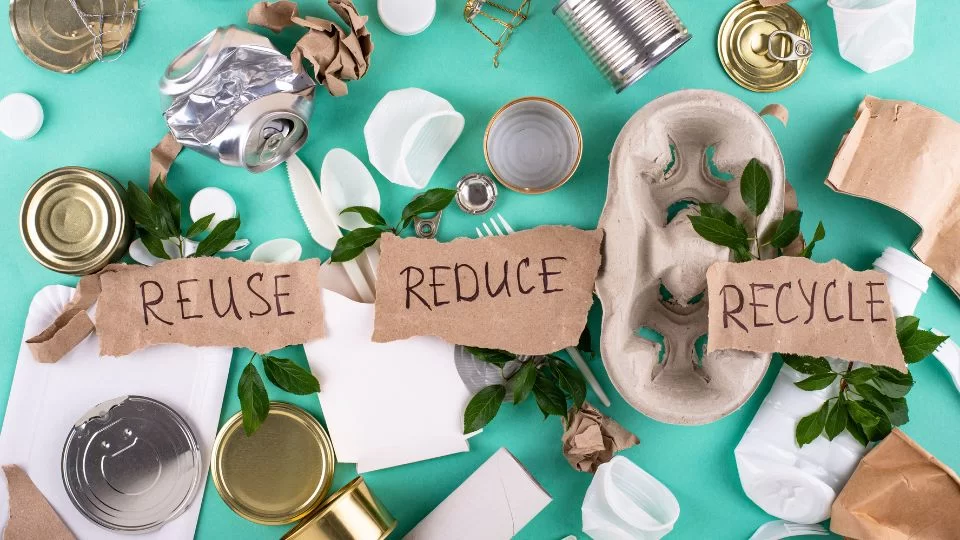
Rather than asking “How do I throw this away responsibly?”, it asks: “Do I need this at all?” Most research-based guides define zero waste using a priority framework often called the 5 Rs (IED, One Tree Planted):
Refuse → Reduce → Reuse → Recycle → Rot (Compost)
This hierarchy matters because recycling alone does not solve waste. Prevention always has the highest impact.

Urban professionals typically generate waste from:
Packaged groceries and food delivery
Online shopping and courier packaging
Office lunches and takeaway beverages
Bathroom and personal care products
Short-lived convenience purchases
The zero waste lifestyle works here because it reduces friction over time. Once systems are set, decisions become automatic—and waste reduces without constant effort.
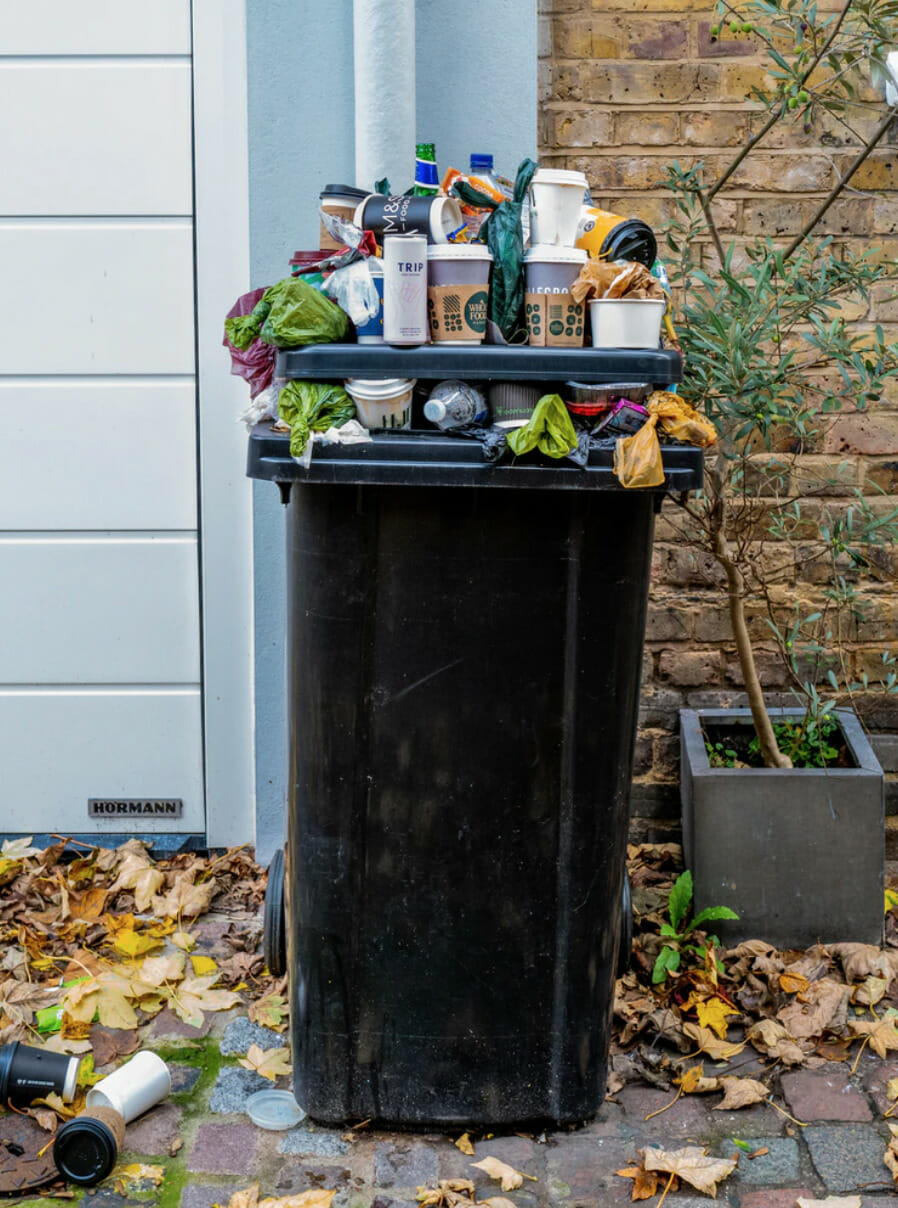
Before changing habits, understand your repeat waste patterns.
For one week, observe:
What fills your dustbin fastest?
Which items appear again and again?
What packaging cannot be reused or recycled easily?
Most urban households discover that 80% of their waste comes from the same 5–6 items (Rolleat, OxyMem).
This step prevents random swaps and focuses effort where it matters.

Refusing is the most powerful—and underrated—zero waste action.
In urban life, this means:
Saying no to single-use cutlery, straws, sachets
Opting out of free promotional items
Avoiding impulse buys triggered by discounts
Refusal works because the cleanest waste is the waste never created (One Tree Planted).

Zero waste becomes practical when reusables are always available.
A realistic urban kit:
Reusable water bottle
Cloth or foldable bag
Lunch box or container
Optional: coffee cup or cutlery (if you eat out often)
This replaces hundreds of disposables annually with zero extra mental effort (IED).

Food waste and packaging form the largest waste fraction in urban homes.
Practical changes that work:
Prefer fresh food markets when possible
Order food consciously (not reflexively)
Carry containers for takeaways where feasible
Store food properly to reduce spoilage
Most guides emphasise that food decisions determine waste outcomes more than any other category (Earth5R).
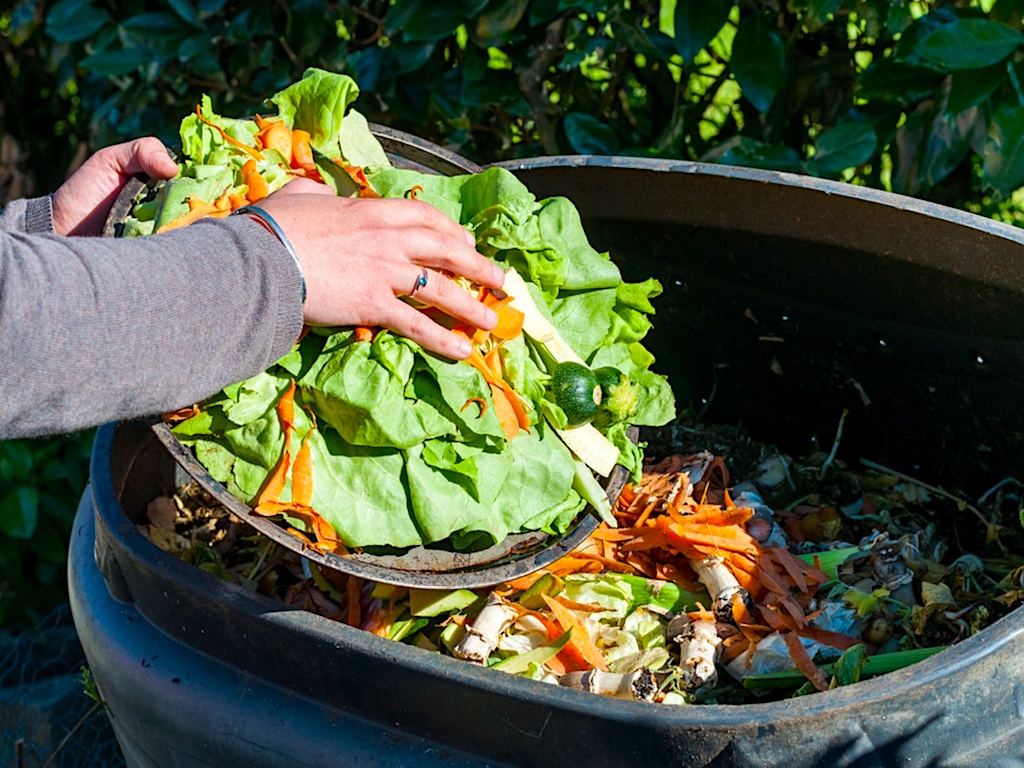
Urban waste by weight is largely organic. When food waste goes to landfill, it produces methane, a potent greenhouse gas.
Options:
Home composting (bin or balcony)
Apartment/community composters
Separate wet waste for municipal collection
Even basic separation dramatically reduces landfill impact (One Tree Planted).

Bathroom products are often small but high-frequency waste items.
Gradual transitions work best:
Refillable or bar soaps
Reusable razors or refill systems
Minimal-packaging personal care items
Avoid replacing everything at once. Use existing products fully before switching (VegOut).

Zero waste is not about buying “eco-products”; it’s about buying fewer things that last longer.
Questions before purchasing:
Do I already own something similar?
Can this be repaired?
Will I still use this in a year?
Most long-term waste reduction comes from consumption restraint, not greener substitutes (Banyan Nation).
Urban professionals often face:
Time constraints
Limited local infrastructure
Social pressure or convenience gaps
Research consistently recommends progress over perfection. Missing a day or using packaged food does not invalidate the system (VegOut).
It is not aesthetic minimalism
It is not about guilt or purity
It is not dependent on expensive products
Zero waste is a systems mindset—small decisions, repeated consistently, that compound over time.

When adopted widely, zero waste lifestyles:
Reduce landfill dependency
Lower carbon emissions
Improve urban sanitation
Strengthen circular economies
For cities facing mounting waste crises, individual behaviour aligned with systemic change is essential.
Is a zero waste lifestyle realistic for working professionals?
Yes. When designed as systems—not rules—it fits seamlessly into busy urban life.
Do I need special stores to live zero waste?
No. Most impact comes from refusal, reuse, and composting—not niche products.
Is zero waste expensive?
It often reduces expenses by cutting impulse buying and disposables.
Is recycling enough?
No. Recycling is important but should come after refusal and reuse.
What if my city lacks composting or recycling?
Focus on refusal and reduction first—they work regardless of infrastructure.
Related topics
Related Categories
Share this blog


