

© 2026 Made for Planet • Privacy Policy • Terms & Conditions
Platform by Mission Sustainability
By Rittika rana • May 11, 2026

Zero waste living often sounds extreme.
It brings to mind glass jars, perfectly organised kitchens, reusable everything, and a lifestyle that feels difficult to maintain in the middle of busy urban life. For many people in India, it can seem unrealistic — especially when convenience, affordability, and accessibility shape everyday choices.
But zero waste living is not really about producing absolutely no waste.
It is about reducing unnecessary waste wherever possible and becoming more conscious of what we consume, throw away, and replace. It is less about perfection and more about patterns.
And in a country like India, many practices associated with “zero waste” are not entirely new. They already exist in fragments — through repair culture, refill systems, reusable containers, local markets, steel utensils, and habits built around using things for longer.
The challenge today is not inventing a new lifestyle. It is reconnecting with practices that consumption-driven systems gradually pushed aside.

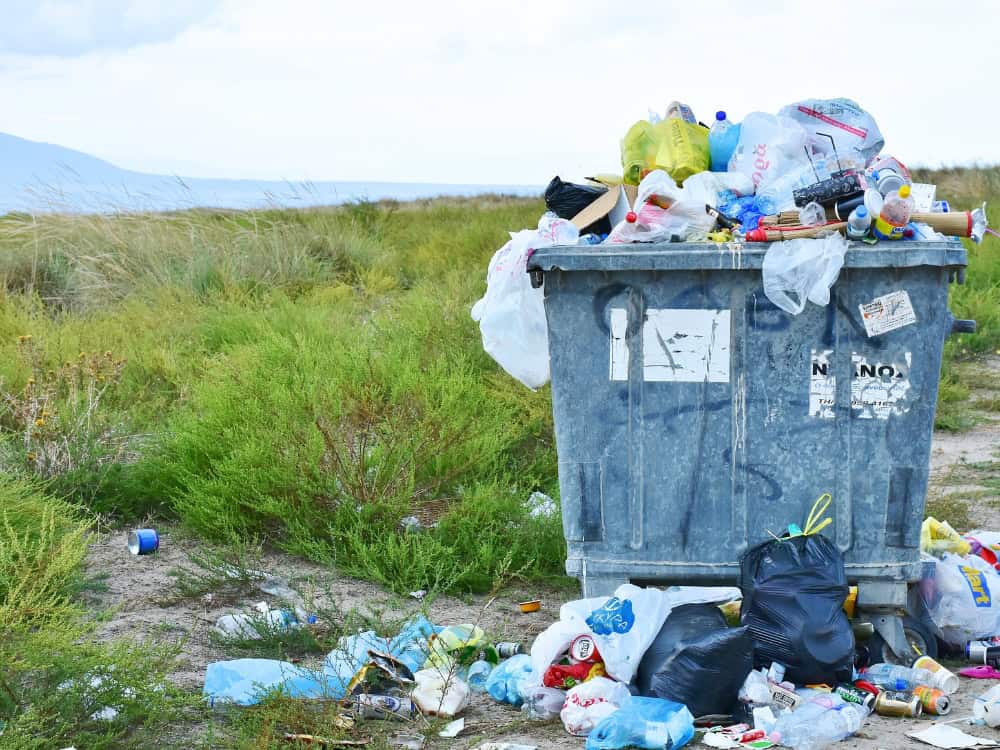
India generates millions of tonnes of waste every year, and urban waste systems are struggling to keep pace with growing consumption.
According to the Central Pollution Control Board (CPCB), solid waste generation continues to rise across cities due to urbanisation, packaging waste, and changing consumption patterns.
At the same time, much of what we throw away is designed for convenience rather than longevity.
Single-use packaging, disposable household items, fast fashion, and food delivery waste have become deeply integrated into daily routines. Individually, these may seem insignificant. But multiplied across millions of households, the environmental impact becomes enormous.
What makes the issue more complicated is that waste does not disappear once it leaves the house. It moves through landfills, drainage systems, informal waste chains, and sometimes into rivers and oceans.
Global assessments by the United Nations Environment Programme (UNEP) increasingly highlight how waste management is deeply connected to consumption systems, infrastructure, and material design.
Which means waste is not just a disposal issue. It is a systems issue.
One of the biggest misconceptions around zero waste living is that it is mainly about recycling.
In reality, the most effective waste reduction happens before something becomes waste in the first place.
The goal is not simply to manage garbage better. It is to reduce how much unnecessary material enters daily life.
This shift often begins with simple questions:
Do I actually need this?
Can this be reused?
Is there a refill or lower-waste alternative?
Will this last, or be replaced quickly?
These questions sound small, but they change consumption patterns over time.

Zero waste conversations online are often shaped by Western lifestyles and products. But India already has many systems that naturally support lower waste living.
Local kirana stores traditionally used refill-style purchasing. Steel containers replaced disposable storage. Clothes were repaired instead of discarded. Glass bottles were reused repeatedly. Markets relied less on excessive packaging because buying was more local and more frequent.
Many of these habits declined as convenience-based consumption expanded. But they also show that zero waste living in India does not need to be imported as a completely new idea.
In many ways, it already exists within cultural memory.
Ideas around reuse, durability, and circular systems are also central to frameworks discussed by the Ellen MacArthur Foundation.

Convenience is not inherently bad. But modern convenience often depends on disposability.
Food delivery comes with layers of packaging. Online shopping increases cardboard and plastic waste. Single-use products save time in the moment, but create long-term environmental costs that remain largely invisible to consumers.
The issue is not one product or one industry alone. It is the cumulative effect of systems designed around short-term use.
The growing dependence on disposable products is also closely linked to broader concerns around plastic pollution and material recovery, as highlighted in UNEP’s Turning off the Tap report.
This is why zero waste living is not about removing all convenience. It is about recognising where convenience creates unnecessary waste and where alternatives are practical.
Zero waste living becomes far more achievable when approached gradually.
A few practical shifts can significantly reduce household waste over time:
Carrying reusable cloth bags instead of accepting new plastic bags
Using steel or glass containers for storage instead of disposable packaging
Switching to refill products where available
Composting kitchen waste at home
Choosing durable products over disposable alternatives
Repairing items instead of immediately replacing them
None of these changes are dramatic individually. But together, they reduce both waste generation and unnecessary consumption.

Zero waste is not only about packaging. Food waste also plays a major role.
Perfectly edible food is often discarded due to overbuying, poor storage, or changing consumption habits. At the same time, organic waste forms a large portion of household waste streams in Indian cities.
Simple changes like meal planning, storing food better, and composting kitchen scraps can significantly reduce what ends up in landfills.
Composting, in particular, helps close the loop. Instead of organic waste becoming part of mixed garbage streams, it returns to the soil.
Source segregation and composting have also become important focus areas under initiatives such as Swachh Bharat Mission Urban.

Many everyday products are designed around disposability. Tissues, packaging, cleaning supplies, bottles, and personal care products are often used briefly and discarded immediately.
This is where alternatives are beginning to emerge.
Brands such as Beco focus on compostable and lower-plastic household products, while Bare Necessities works around refill and low-waste personal care systems. Globally, companies like Who Gives A Crap are exploring recycled and alternative-fibre paper products.
These shifts are important, but products alone do not create zero waste lifestyles.
Behaviour matters more than branding.
A reusable product only reduces waste if it is actually reused consistently. A sustainable alternative only makes a difference if it replaces unnecessary consumption rather than adding to it.
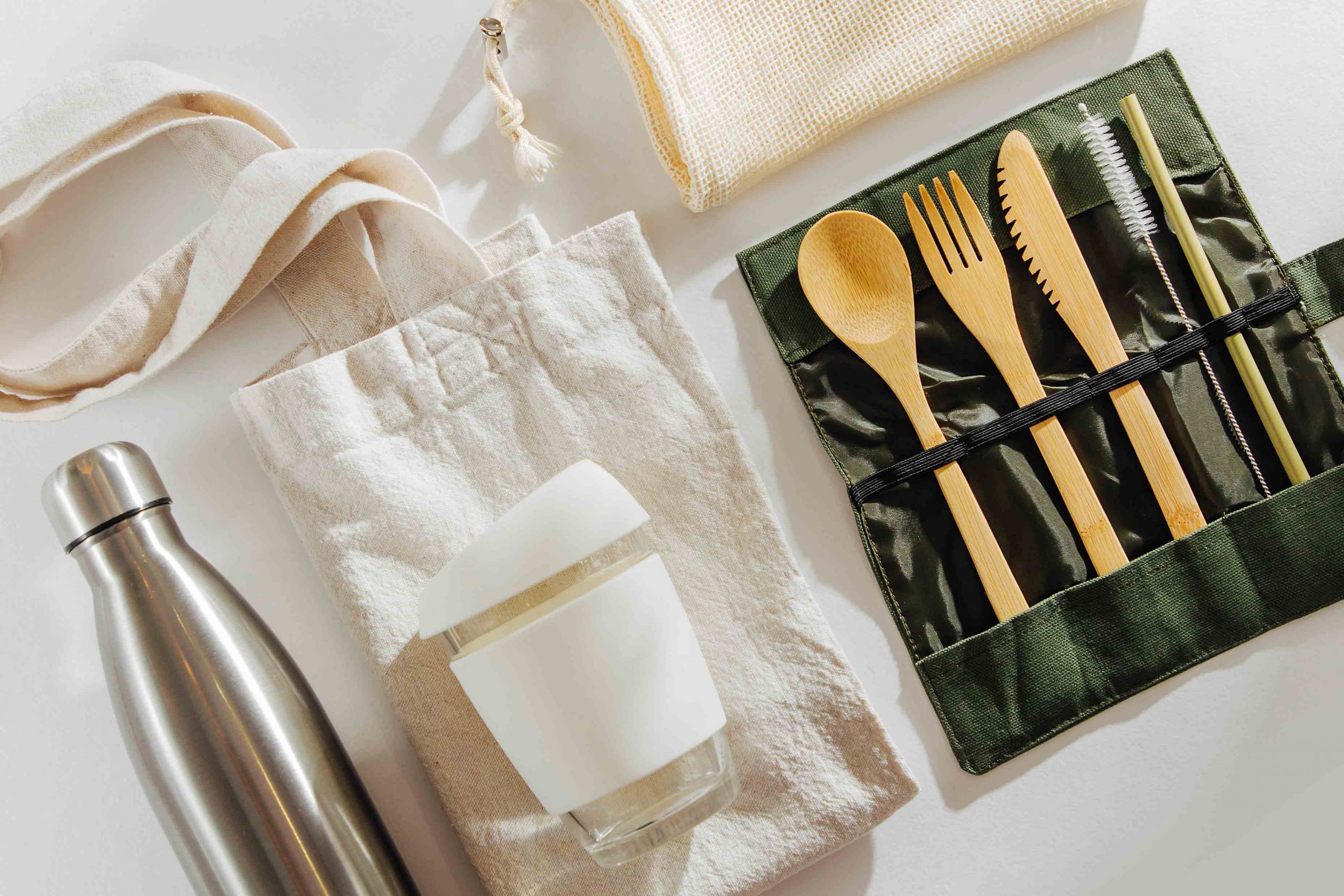
A growing number of Indian brands are building products and systems that make lower-waste living more accessible in everyday life. Instead of positioning sustainability as an extreme lifestyle, these companies focus on practical alternatives that fit into existing routines.
Bare Necessities — One of India’s early zero waste lifestyle brands, offering package-free personal care and household products including shampoo bars, soaps, and cleaning tablets.
Beco — Focuses on plant-based and lower-plastic alternatives for everyday household use, including compostable garbage bags, tissues, and kitchen products.
Bamboo India — Builds bamboo-based alternatives to single-use plastic products such as toothbrushes, cutlery, and stationery.
Daily Dump — Known for home composting systems designed specifically for Indian households and apartment settings.
Stone Soup — Creates handcrafted personal care products with minimal and compostable packaging, including skincare and hair care products.
These brands reflect a broader shift in how sustainability is being approached in India — not as a niche ideal, but as a set of practical alternatives integrated into everyday consumption.

One of the reasons people hesitate to adopt zero waste practices is the pressure to do everything perfectly.
But zero waste living is not about fitting all your belongings into a mason jar or eliminating every form of plastic overnight. That approach often makes sustainability feel inaccessible.
A more practical approach is to focus on reduction rather than perfection. Reducing waste where possible is already meaningful. Using products longer matters. Refusing unnecessary packaging matters. Carrying a reusable bottle matters.
Progress is cumulative.
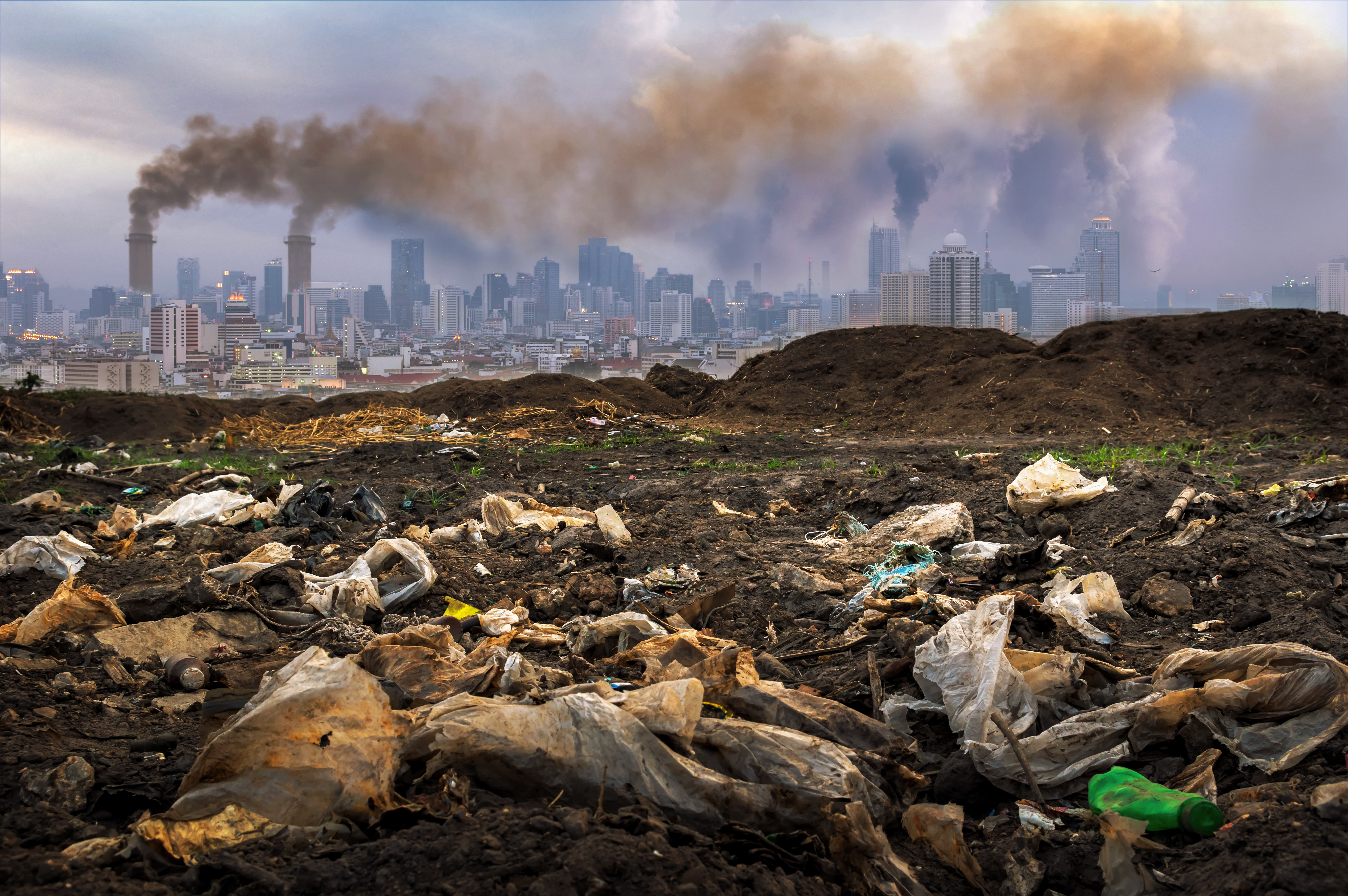
Individual action alone cannot solve the waste problem.
Cities also need stronger systems for segregation, composting, recycling, and material recovery. Businesses need to rethink packaging and product design. Infrastructure needs to support reuse and refill systems rather than only disposal.
Reports like the World Bank’s What a Waste 2.0 continue to show how urban waste systems globally are struggling to keep pace with rising consumption.
According to the United Nations Environment Programme (UNEP), transitioning toward circular systems requires both behavioural and structural change.
Which means zero waste living is not just a household movement. It is part of a larger transition toward more resource-efficient systems.

The goal of zero waste living is not to create absolutely no waste.
It is to become more intentional about what enters and leaves everyday life.
Because once waste is viewed not as something that disappears, but as something that continues through systems, consumption starts to look different.
And often, the most sustainable changes are not the most dramatic ones.
They are simply the ones that last.
Zero waste living focuses on reducing unnecessary waste through reuse, repair, conscious consumption, and better waste management practices.
Yes, many traditional Indian practices already support lower-waste lifestyles through reuse, refill systems, and durable household products.
You can begin with simple changes like carrying reusable bags, composting kitchen waste, avoiding single-use products, and choosing durable alternatives.
It helps reduce landfill waste, lowers resource consumption, and encourages more sustainable consumption habits.
Urbanisation, packaging waste, and increasing consumption are generating more waste than existing systems can efficiently process.
Composting converts organic kitchen waste into nutrient-rich material instead of sending it to landfills.
Reusable products become more sustainable when used consistently over long periods instead of disposable alternatives.
The biggest challenge is changing consumption habits and reducing dependence on convenience-based disposable systems.
Yes, using products longer, repairing items, and reducing unnecessary purchases can lower long-term expenses.
Reducing waste helps lower pressure on landfills, drainage systems, and urban waste infrastructure.
Related topics
Related Categories
Share this blog


