
© 2026 Made for Planet • Privacy Policy • Terms & Conditions
Platform by Mission Sustainability
By Rittika rana • Feb 26, 2026

A fast fashion brand is a clothing company that produces trend driven apparel at rapid speed and low cost, often introducing new collections weekly. The model prioritises high volume production and quick trend replication over durability and long product life cycles. While this system has made fashion more affordable and accessible, it has also raised concerns about environmental impact, textile waste, and resource intensity.
Over the past two decades, clothing production has accelerated dramatically. According to the Ellen MacArthur Foundation, global clothing production has nearly doubled since 2000, while the average number of times a garment is worn has decreased significantly.
This imbalance is central to understanding the fast fashion brand model. The system is not simply about low prices. It is about speed, scale, and constant renewal. Designs move from concept to retail shelves in a matter of weeks. Consumers are encouraged to buy frequently rather than invest in longevity.
The rise of digital retail and global supply chains has amplified this acceleration. Synthetic fibres such as polyester now dominate textile production. According to Our World in Data, synthetic fibres account for more than half of global fibre production, linking fashion closely to fossil fuel industries.
The result is a system built for momentum. Newness drives demand. Demand drives volume. Volume drives resource extraction.
Understanding what defines a fast fashion brand requires looking beyond marketing and examining how garments are produced, distributed, and consumed at scale.
A fast fashion brand is defined less by price and more by its operating model. While affordability is a visible feature, the deeper characteristics relate to speed, scale, and production structure.
Fast fashion brands move designs from concept to store shelves in a matter of weeks. Instead of seasonal collections, they release frequent micro collections throughout the year. This constant refresh cycle encourages repeat purchasing.
The model depends on producing large quantities of garments at scale. High volume reduces per unit cost and enables global distribution across physical and online retail networks.
Fast fashion brands respond quickly to runway trends, influencer styles, and viral fashion moments. Rather than long design development, they adapt and reproduce styles rapidly.
Polyester and other synthetic fibres are widely used due to their affordability and scalability. According to Our World in Data, synthetic fibres dominate global textile production.These materials are derived from fossil fuels and contribute to microplastic pollution.
Garments are often designed for short term trend cycles rather than durability. This increases replacement frequency and contributes to textile waste.
Low prices increase accessibility but also encourage higher consumption frequency. The model relies on volume rather than longevity. Together, these characteristics form what is commonly described as a fast fashion brand model.
The following brands are widely referenced in industry analysis and sustainability discussions as examples of fast fashion brands due to their rapid production cycles and high turnover model. This list is descriptive and based on commonly cited industry categorisations.

Headquarters: Spain Website: https://www.zara.com
Zara is often cited as one of the pioneers of the modern fast fashion brand model. It is known for introducing new designs frequently and responding quickly to emerging trends through vertically integrated supply chains.

Headquarters: Sweden Website: https://www.hm.com
H&M operates globally with high volume collections released throughout the year. It combines low price points with trend responsive production.
Headquarters: Singapore Website: https://www.shein.com
Shein is a digital-first fast fashion brand known for extremely rapid product launches and high SKU turnover driven by data analytics and social media trends.
Headquarters: United States Website: https://www.forever21.com
Forever 21 gained prominence for affordable trend based apparel targeted at younger consumers, with frequent inventory refresh cycles.

Headquarters: United Kingdom Website: https://www.boohoo.com
Boohoo is an online fast fashion brand that produces trend focused clothing with rapid turnaround times and digital distribution.

Headquarters: United Kingdom Website: https://www.prettylittlething.com
PrettyLittleThing operates under a similar rapid production and trend replication model, targeting social media driven demand.

Headquarters: United States Website: https://www.fashionnova.com
Fashion Nova is known for influencer driven trend cycles and fast product rollout, primarily through online channels.
Headquarters: Spain Website: https://www.mango.com
Mango releases frequent collections aligned with seasonal and trend driven demand, operating at a global retail scale.

Headquarters: Ireland Website: https://www.primark.com
Primark is recognised for its low cost apparel and high volume retail model across Europe and other regions.
Headquarters: Japan Website: https://www.uniqlo.com
Uniqlo is often included in fast fashion discussions due to its large scale production model, though it focuses more on functional basics rather than trend replication.
This list reflects brands commonly associated with fast fashion due to production speed and scale. Practices may vary across regions and over time.
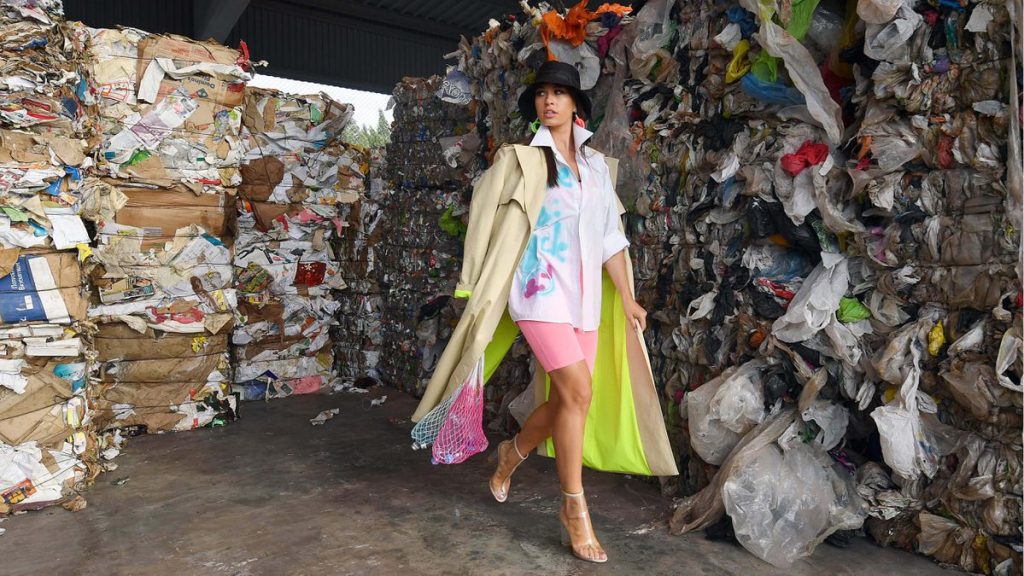
The criticism of the fast fashion brand model is not primarily about style or affordability. It is about scale, speed, and systemic environmental and social impact. While individual companies differ in practices and commitments, the broader model of rapid production and high turnover has raised serious concerns among researchers, policymakers, and sustainability institutions.
Understanding this criticism requires examining how the system functions at scale.

Clothing production is resource intensive. According to the United Nations Environment Programme, the fashion industry contributes approximately 8 to 10 percent of global carbon emissions.
This figure includes fibre production, textile processing, dyeing, finishing, manufacturing, and global transportation.
Fast fashion brands accelerate this cycle by increasing production frequency. When collections are refreshed weekly or monthly rather than seasonally, the total number of garments produced rises significantly.
The model does not simply create affordable clothing. It increases aggregate material throughput.
In other words, the issue is not one garment. It is billions.
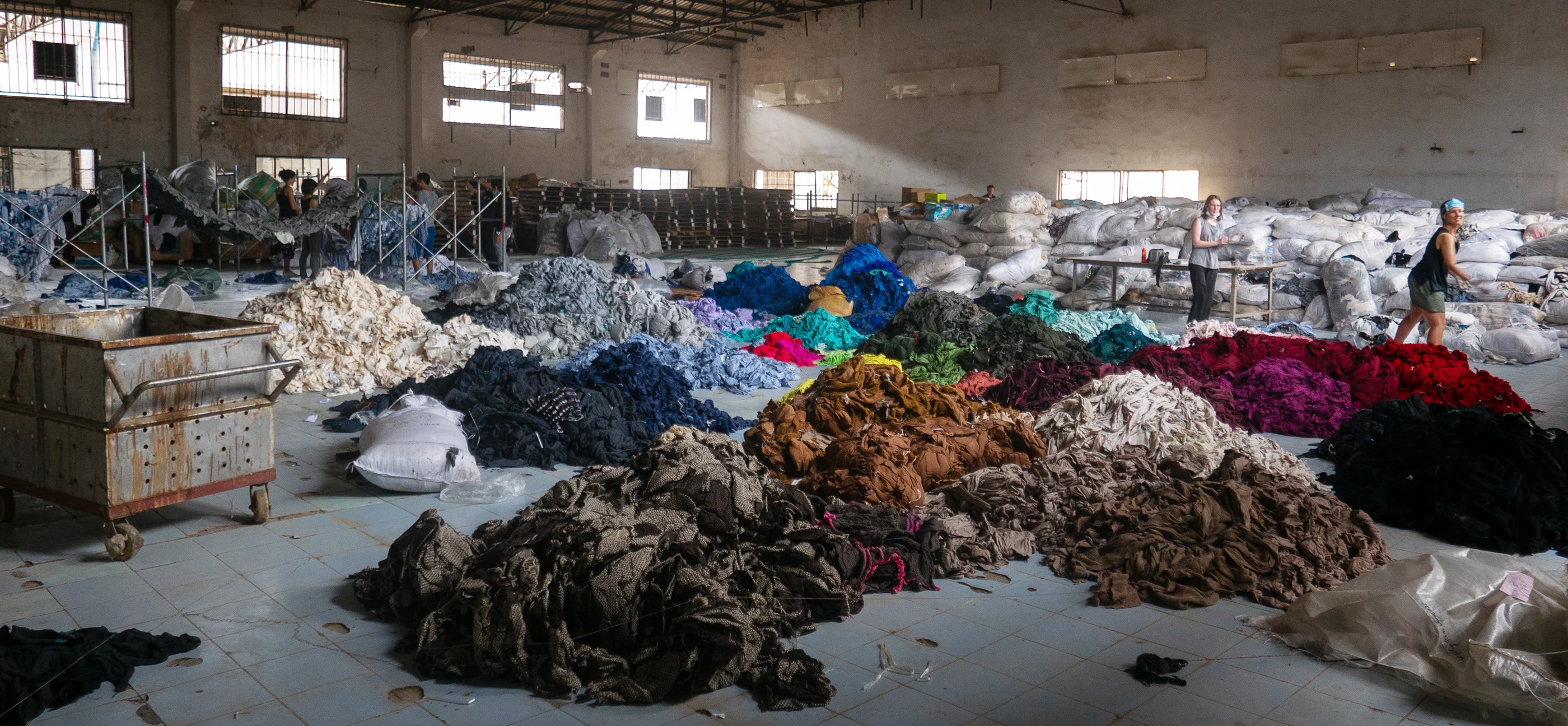
One of the most widely cited statistics in discussions about fast fashion comes from the Ellen MacArthur Foundation. It reports that the equivalent of one truckload of textiles is landfilled or burned every second globally.
Clothing utilisation has decreased over time, meaning garments are worn fewer times before disposal.
Fast fashion brands rely on constant newness. New styles encourage new purchases. Lower prices reduce hesitation. Trend cycles shorten perceived lifespan.
The result is structural overproduction.
Many garments are discarded long before they are physically worn out. The environmental burden of production remains, but the functional lifespan shrinks.
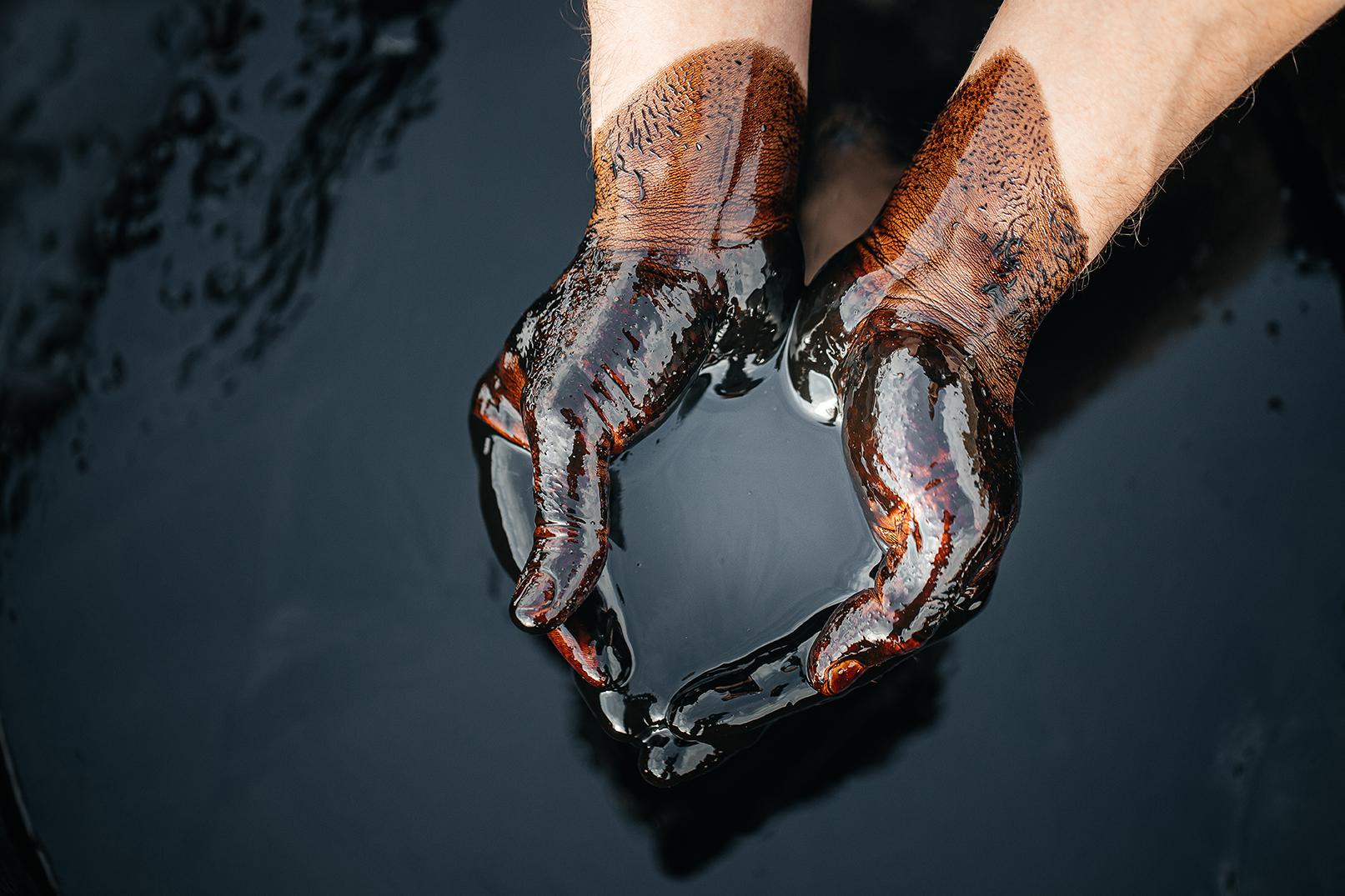
The expansion of synthetic fibres is central to the fast fashion model. Polyester is now the dominant textile fibre globally.
Our World in Data reports that synthetic fibres account for more than half of global textile production.
Polyester is derived from petroleum. Its production is energy intensive and linked to fossil fuel extraction.
In addition, synthetic garments shed microfibres during washing. These microfibres enter wastewater systems and can accumulate in aquatic ecosystems.
Fast fashion brands frequently depend on synthetic fabrics because they are inexpensive and scalable.
This creates a direct link between clothing consumption and fossil fuel systems.
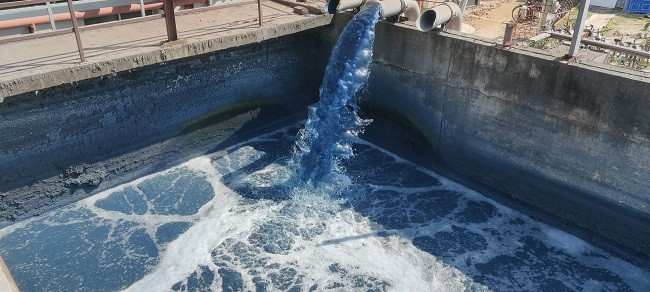
Textile production is also water intensive. Cotton cultivation requires irrigation in many regions. Dyeing and finishing processes can release untreated wastewater if not properly managed.
Industrial textile dyeing has been identified as a contributor to water pollution in manufacturing hubs globally.
When garment production volumes increase rapidly, water demand and wastewater output scale accordingly.
The criticism of fast fashion brands often centres not only on quantity but on the cumulative resource burden embedded in that quantity.
Fast fashion brands operate within highly globalised supply chains. Production is often outsourced to regions with lower labour costs. Tight turnaround times and competitive pricing create systemic pressures.
It is important to avoid oversimplification. Labour conditions vary widely across companies and countries. However, the structural features of fast fashion — speed, cost efficiency, and rapid delivery — can create vulnerabilities within supply chains.
When time and cost are compressed, risk increases.
The debate is therefore not only environmental but systemic.
Perhaps the most fundamental criticism of the fast fashion brand model is that it operates within a linear production system.
Raw materials are extracted. Garments are manufactured. They are sold. They are discarded.
The Ellen MacArthur Foundation advocates for transitioning toward a circular textile economy, where materials are kept in use longer and waste is designed out.
Fast fashion, by contrast, depends on continuous throughput.
The tension between linear consumption and ecological limits sits at the heart of the critique.
It is important to emphasise that the criticism of fast fashion brands is not necessarily a moral judgement against consumers or even individual companies. It is a structural assessment.
The model prioritises speed, affordability, and constant renewal.
Planetary systems operate within ecological boundaries.
The debate emerges when those two systems collide.
As production volumes increase and garment lifespan decreases, the question becomes less about individual purchases and more about systemic compatibility with long term environmental stability.
That is why the fast fashion brand model continues to face growing scrutiny.

It is tempting to treat every fast fashion brand as identical. In reality, the landscape is more complex.
Some companies commonly categorised as fast fashion have introduced sustainability initiatives. These may include recycled materials, take back programs, transparency reports, or circular pilot projects. Others are investing in supply chain traceability or renewable energy in manufacturing.
However, the defining characteristic of a fast fashion brand is not whether it has a sustainability page on its website. It is the structure of its production model.
If a company relies on:
then its environmental footprint is shaped by scale, regardless of incremental improvements.
A recycled polyester collection does not fundamentally alter a system built on overproduction. Similarly, a garment recycling program does not eliminate the material intensity of producing millions of new garments every month.
The distinction is structural.
Some brands may be moving toward more responsible practices. But the fast fashion model itself — defined by speed and volume — remains resource intensive by design.
Understanding this nuance allows consumers to move beyond binary thinking. The question is not whether a brand is good or bad. It is whether its core business model aligns with ecological limits.
If the fast fashion brand model is defined by speed and volume, sustainable alternatives focus on durability, circularity, and reduced material throughput.
The shift is not necessarily about eliminating fashion consumption. It is about changing its tempo and direction.
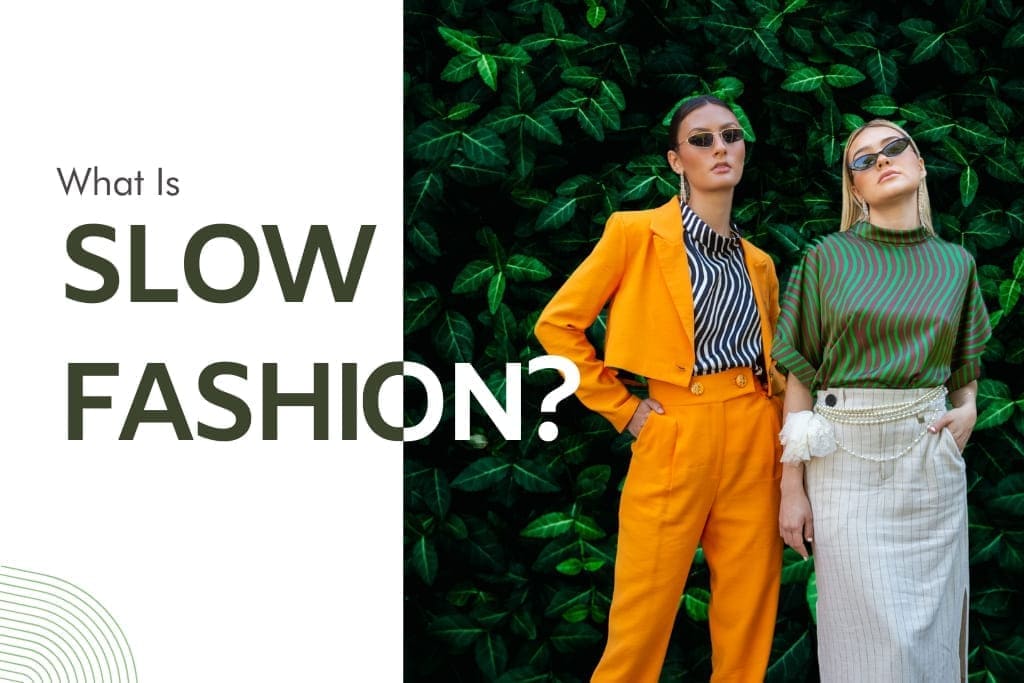
Slow fashion prioritises quality over quantity. Instead of chasing rapid trends, slow fashion brands focus on timeless design, durable materials, and longer garment life.
The goal is to reduce replacement frequency.
Wearing a garment 50 times instead of 5 significantly lowers its annual environmental footprint.

Circular fashion aims to keep garments in use for as long as possible through repair, resale, rental, and recycling systems.
The Ellen MacArthur Foundation defines a circular textile economy as one where waste is designed out and materials are continuously reused.
Circular models challenge the linear extract produce discard cycle that dominates fast fashion.

Second hand markets reduce demand for new production. Purchasing pre owned garments extends their lifespan and reduces pressure on raw material extraction.
Resale platforms and local thrift stores have grown rapidly in recent years. This growth signals shifting consumer attitudes toward reuse.
Thrift is not merely a budget option. It is a material efficiency strategy.

Some clothing companies prioritise supply chain transparency, fair wages, and responsible sourcing. These brands may produce fewer collections and emphasise traceability.
While no production system is impact free, lower volume and higher accountability generally reduce systemic risk.

Material choice matters. Natural fibres such as organic cotton, linen, and hemp often have lower fossil fuel intensity compared to synthetic fabrics, though impacts vary depending on farming practices.
Reducing reliance on petroleum based textiles decreases dependency on fossil fuel systems.
According to Our World in Data, synthetic fibre dominance has reshaped global textile production.
Diversifying fibre sources can reduce environmental concentration risk.
Perhaps the most overlooked alternative to fast fashion is behavioural rather than commercial.
Reducing purchase frequency, repairing garments, and extending wear time may have a greater cumulative impact than switching brands alone.
Sustainability in fashion is not only about where clothing is purchased. It is about how long it is used.
The conversation around fast fashion brands is evolving.
It is no longer limited to price or trend cycles. It increasingly includes climate impact, material efficiency, labour systems, and waste management.
Sustainable alternatives do not require abandoning style or self expression. They require rethinking speed, scale, and longevity.
Fashion is a cultural force. The question is whether its production system can adapt to environmental realities.
That is where the debate around the fast fashion brand model ultimately resides.
The term fast fashion brand does not describe a single company. It describes a production system built on speed, scale, and constant renewal.
That system has reshaped global clothing consumption. It has made fashion more affordable, more accessible, and more responsive than ever before. At the same time, it has increased material throughput, accelerated textile waste, and intensified pressure on environmental and supply chain systems.
The criticism of the fast fashion model is not rooted in aesthetics or personal choice. It is rooted in structural impact. When production volumes double and garment utilisation declines, resource demand rises accordingly. When synthetic fibres dominate, fossil fuel dependency deepens. When trends move faster than durability, waste accumulates.
Yet the conversation is not binary.
The future of fashion will likely not be defined by elimination, but by transition. Slower production cycles. Circular systems. Extended garment life. Greater transparency. Reduced overproduction.
Consumers influence that transition through purchasing frequency, repair culture, resale participation, and material awareness. Brands influence it through production volume, sourcing decisions, and design longevity.
Understanding what defines a fast fashion brand is the first step. From there, the more important question emerges. Not whether fashion should exist.
But how it should operate within ecological limits.
Fashion reflects culture. Production reflects priorities. And increasingly, sustainability is becoming part of that equation.
A fast fashion brand is a clothing company that produces high volumes of trend driven apparel at rapid speed and low cost. The model focuses on quick production cycles and frequent new collections.
Brands commonly cited as fast fashion include Zara, H and M, Shein, Boohoo, Forever 21, Primark, and Fashion Nova. These companies are known for rapid trend replication and high turnover production.
Fast fashion brands are criticised for contributing to high carbon emissions, textile waste, and resource intensive production. The model encourages frequent consumption and short garment lifespans.
Zara is widely referenced as a fast fashion brand due to its rapid production cycles and frequent inventory refresh strategy.
H and M is commonly classified as a fast fashion brand because it produces large volumes of trend based clothing at affordable prices.
Fast fashion focuses on speed, low prices, and frequent trend updates. Slow fashion prioritises durability, lower production volume, and longer garment life.
Not all fast fashion brands operate identically. Some have introduced sustainability initiatives, but the core high volume production model remains resource intensive.
Fast fashion increases carbon emissions, water consumption, and textile waste. Synthetic fabrics used in fast fashion can also contribute to microplastic pollution.
Alternatives include slow fashion brands, thrift shopping, circular fashion models, repair culture, and purchasing fewer but higher quality garments.
Yes. Reducing purchase frequency, extending garment lifespan, choosing resale options, and supporting responsible brands can lower environmental impact.
Related topics
Related Categories
Share this blog