
© 2026 Made for Planet • Privacy Policy • Terms & Conditions
Platform by Mission Sustainability
Related to “Circular Economy”
32 results
Superyard
Sydney, New South Wales, Australia
Superyard is a pioneering sustainable construction marketplace based in Australia, founded in 2021. The platform connects buyers and sellers of unused construction materials, including equipment, scaffolding, timber, steel, water tanks, and building supplies2. By facilitating the trade of surplus stock, Superyard helps businesses manage resources efficiently, reduce waste, and support community needs through material redistribution. The company advocates for responsible business practices and a circular economy, educating the construction sector on sustainable practices2. Superyard is a Social Traders Certified Social Enterprise and a member of Boomerang Labs, Planet Ark, and the Infrastructure Sustainability Council. Their mission is to drive sustainability in the construction industry by providing an innovative solution for sourcing and selling reusable materials3.
Tercero Solutions
United States
Tercero Solutions is dedicated to providing businesses and communities with sustainable, tech-driven solutions that promote responsible waste management and environmental impact reduction. By leveraging innovative technologies, the company aims to transform waste management practices and support the circular economy. Their services are designed to help organizations minimize waste, enhance resource efficiency, and adopt sustainable practices in line with global sustainability goals. Tercero Solutions collaborates with clients across industries to develop tailored solutions that align with their specific environmental and operational needs. With a focus on reducing carbon footprints, increasing waste diversion, and encouraging resource reuse, Tercero Solutions plays a critical role in advancing sustainability and supporting businesses in their journey toward a greener future.


Abundance Investment
London, England, United Kingdom
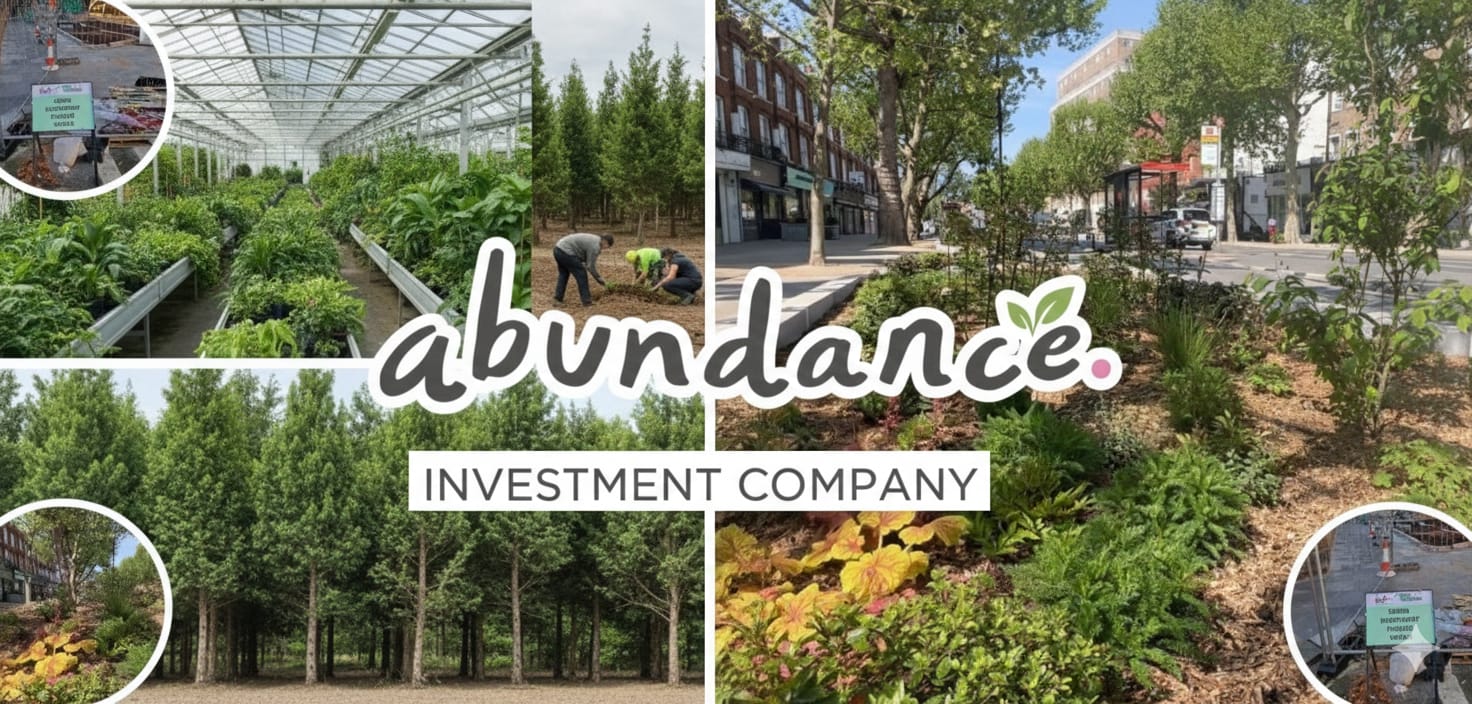
Abundance Investment is a leading UK-based direct investment platform that empowers individuals to invest their money in renewable energy and impact-driven infrastructure projects. Founded in July 2012, Abundance enables people to take control of their finances while actively contributing to solutions for climate change and social inequality. Through its digital platform, individual investors can choose specific projects to support, allowing full transparency into where their money is invested and how it is generating returns. Since launch, Abundance has raised over €100 million from individual investors to fund a wide range of clean energy and social impact initiatives. In 2015, Abundance pioneered the world’s first direct green investment pension, enabling people to build tax-efficient retirement portfolios that deliver both income and positive environmental outcomes. Headquartered in London and operating across 49 regions, Abundance continues to democratize access to sustainable finance while accelerating the transition to a low-carbon economy.
Product Care Recycling
Vancouver, British Columbia (BC), Canada
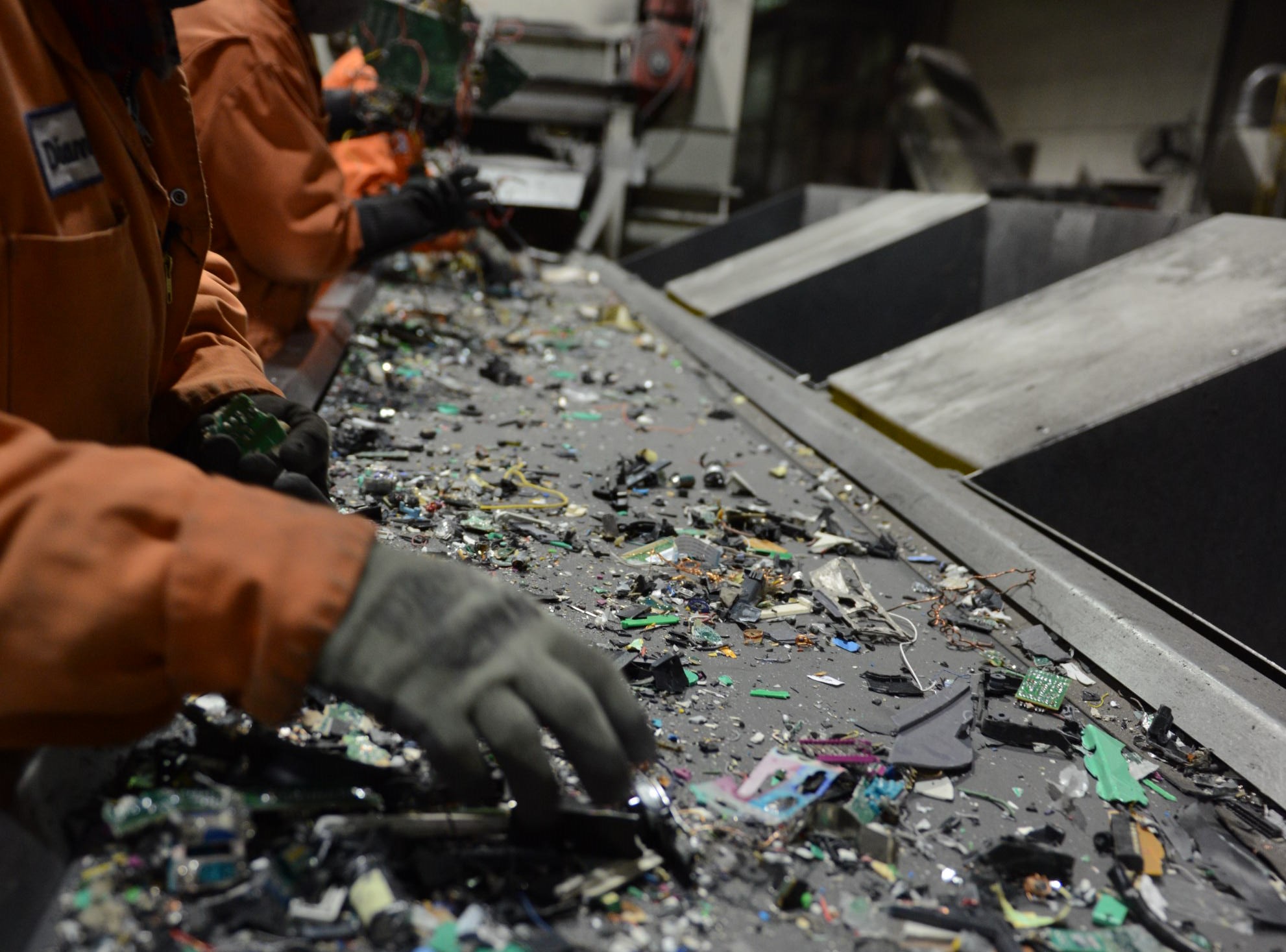
Product Care Recycling is a not-for-profit stewardship organization established to manage industry-led recycling programs across Canada. The organization works under Extended Producer Responsibility (EPR) regulations, helping manufacturers meet their environmental obligations by providing accessible and effective recycling solutions for consumers. Product Care Recycling operates province-approved programs for products such as paint, electronics, batteries, alarms, and other household hazardous waste. By partnering with municipalities, retailers, recyclers, and processors, the organization ensures that collected materials are handled responsibly and diverted from landfills. Through public education, collection infrastructure, and regulatory compliance support, Product Care Recycling plays a vital role in promoting circular economy practices. Its programs contribute to waste reduction, resource recovery, and environmental protection across multiple Canadian provinces.
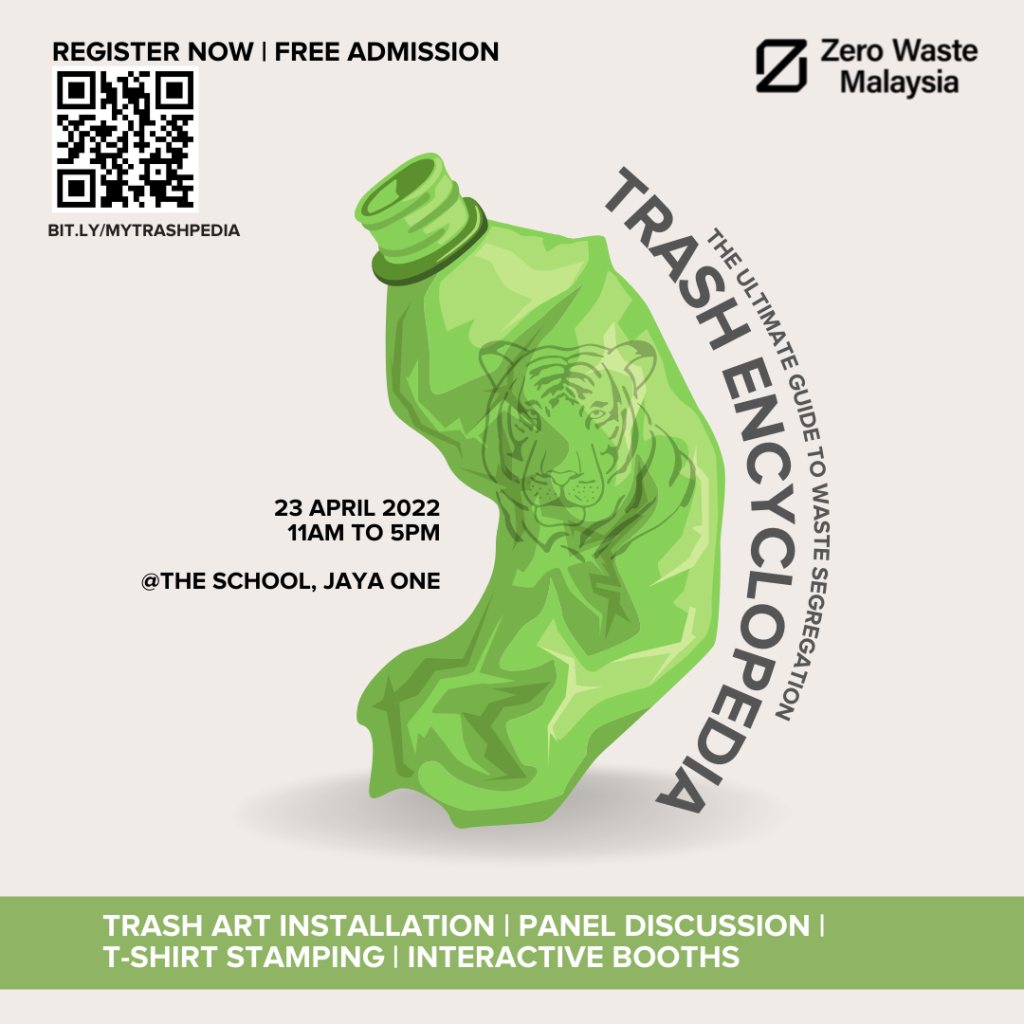
Zero Waste Malaysia
Kuala Lumpur, Federal Territory, Malaysia
Zero Waste Malaysia is a non-profit organization dedicated to reducing waste and promoting sustainable consumption across Malaysia. The organization works with communities, schools, businesses, and policymakers to encourage zero-waste practices such as reducing single-use plastics, composting, recycling, and responsible consumption. Through workshops, campaigns, research, and advocacy, Zero Waste Malaysia raises awareness about the environmental and social impacts of waste. The organization focuses on education-driven behavior change, empowering individuals and organizations to adopt practical zero-waste solutions in daily life. By promoting circular economy principles and community-led action, Zero Waste Malaysia plays a key role in driving long-term environmental sustainability. Its initiatives contribute to cleaner cities, reduced landfill dependency, and a more environmentally conscious society.

Waterhaul Sunglasses
Cornwall, England, United Kingdom
Waterhaul Sunglasses is a UK-based sustainable eyewear brand dedicated to tackling ocean plastic pollution through innovative product design. The company creates premium sunglasses using recycled fishing nets and marine plastic waste recovered from coastal areas. By transforming harmful waste into durable eyewear, Waterhaul actively supports circular economy principles while reducing environmental damage. All Waterhaul sunglasses are engineered for outdoor and everyday use, featuring high-quality polarized lenses that provide 100% UV protection. The frames are lightweight, impact-resistant, and built for longevity, ensuring both performance and sustainability. Beyond products, Waterhaul is committed to transparency, ethical sourcing, and education around ocean conservation. With a strong focus on design, functionality, and environmental responsibility, Waterhaul Sunglasses demonstrates how fashion and sustainability can coexist without compromise.

Eco Fashion Week Australia
Brigadoon, Western Australia, Australia
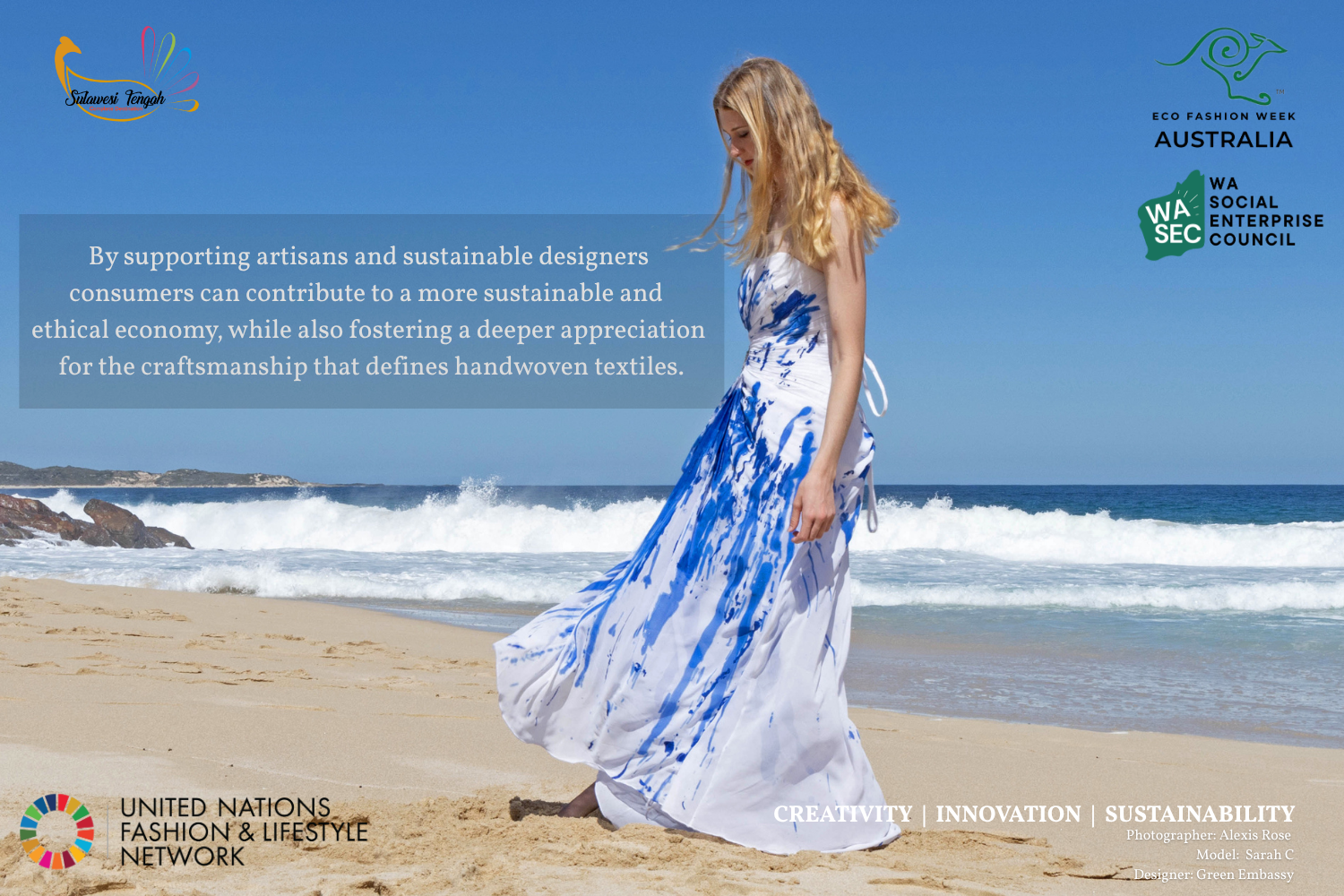
Eco Fashion Week Australia (EFWA), based in Brigadoon, Western Australia, is a premier festival dedicated to sustainable and ethical fashion. Founded in 2017 by visual artist and sustainability advocate Zuhal Kuvan‑Mills, EFWA promotes environmentally responsible fashion practices while showcasing innovative designers who prioritize ethical production and sustainable materials. The event features runway shows, exhibitions, workshops, and educational programs aimed at inspiring both industry professionals and the wider community to adopt conscious fashion choices. Participants include local and international designers, students, and artisans, creating a collaborative platform for knowledge sharing, skill development, and sustainable creativity. EFWA also engages in global partnerships, demonstrating the impact of eco-conscious fashion on environmental preservation and social responsibility. Through initiatives such as upcycled garment showcases, repair cafés, and masterclasses, the organisation encourages mindful consumption and a shift away from fast fashion, contributing to a more sustainable fashion future.
Arcola Energy
London, England, United Kingdom
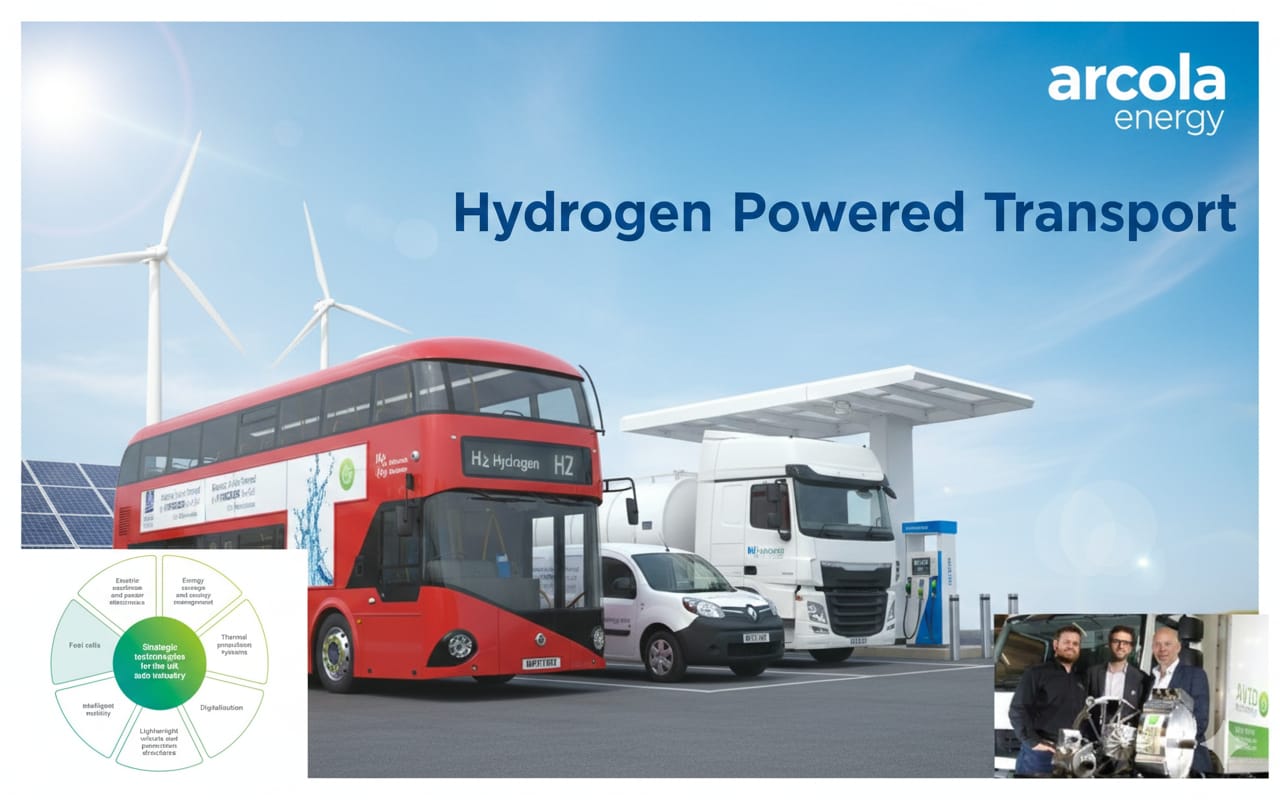
Arcola Energy is a UK-based specialist in hydrogen and fuel cell technologies focused on decarbonising heavy-duty transport and energy systems. Founded to bridge the deployment gap between emerging clean energy technologies and real-world applications, the company works closely with governments, industry leaders, and academic institutions. Arcola Energy designs, integrates, and deploys hydrogen fuel-cell systems for buses, commercial vehicles, and energy infrastructure, ensuring safety, reliability, and regulatory compliance. Privately owned prior to its acquisition, Arcola Energy maintained an independent and mission-driven approach, prioritising solutions that deliver measurable environmental and societal benefits. The company developed strong manufacturing, installation, and servicing capabilities, including expansion plans for a large-scale facility in the Liverpool City Region capable of supporting thousands of hydrogen vehicles annually. With a proven track record and trusted industry relationships, Arcola Energy has played a key role in advancing hydrogen mobility and accelerating the global transition toward low-carbon energy systems.
Aceleron
London, England, United Kingdom
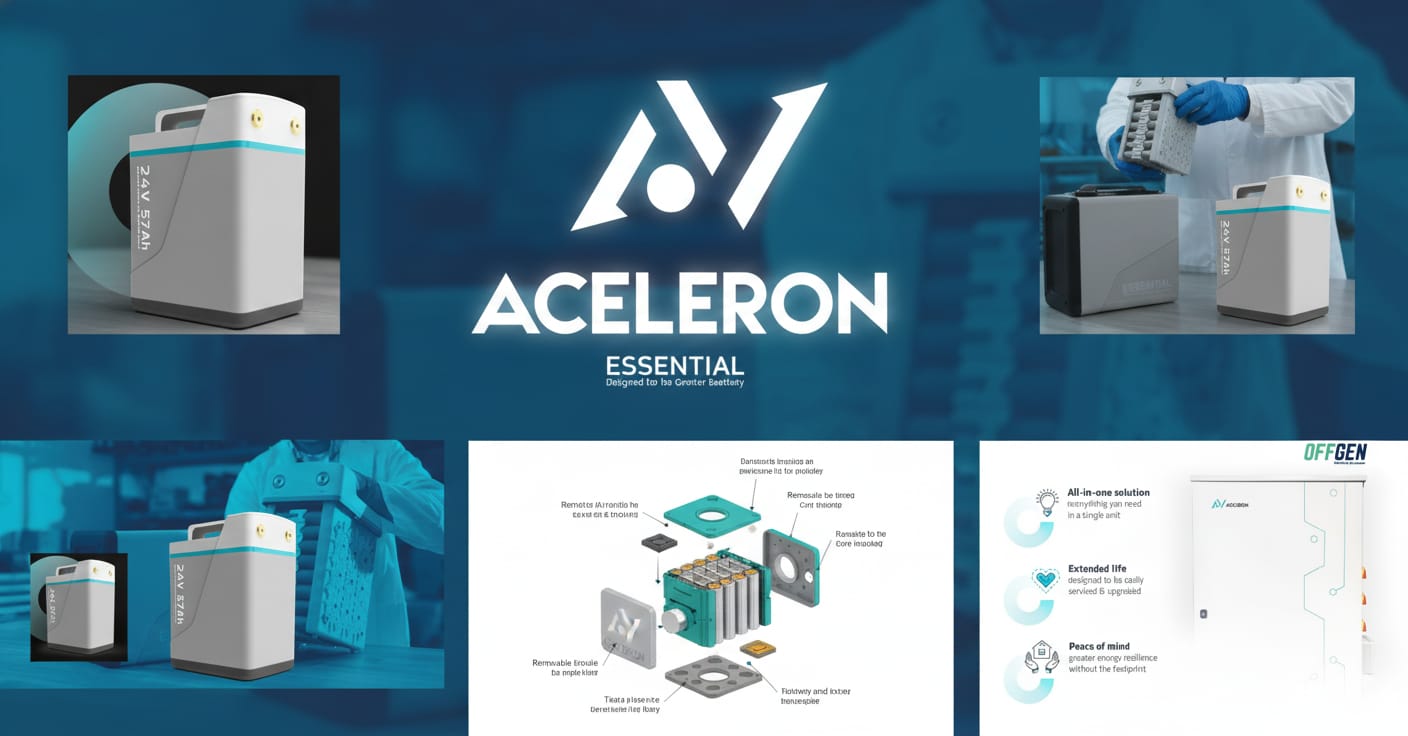
Aceleron is an innovative clean technology company transforming the energy storage sector through circular economy principles. The company uses patented battery assembly technology to manufacture advanced lithium-ion battery systems that can be serviced, maintained, upgraded, and repurposed throughout their lifecycle. Unlike traditional batteries that are discarded after first use, Aceleron recovers batteries with over 70 percent of remaining health and extracts 100 percent of their material and functional value. These batteries are redeployed into renewable energy and off-grid applications, significantly reducing battery waste and lowering lifetime energy storage costs. Aceleron’s mission is to accelerate the global transition to clean energy by making energy storage more affordable and accessible. The company has successfully deployed innovative solutions such as solar-powered battery servicing containers and secured public funding and partnerships to validate its approach. Recently acquired, Aceleron’s technology continues to play a vital role in advancing sustainable, circular battery infrastructure worldwide.

Greenjoules
Pune, Maharashtra, India
BioBag Australia
Melbourne, Victoria, Australia
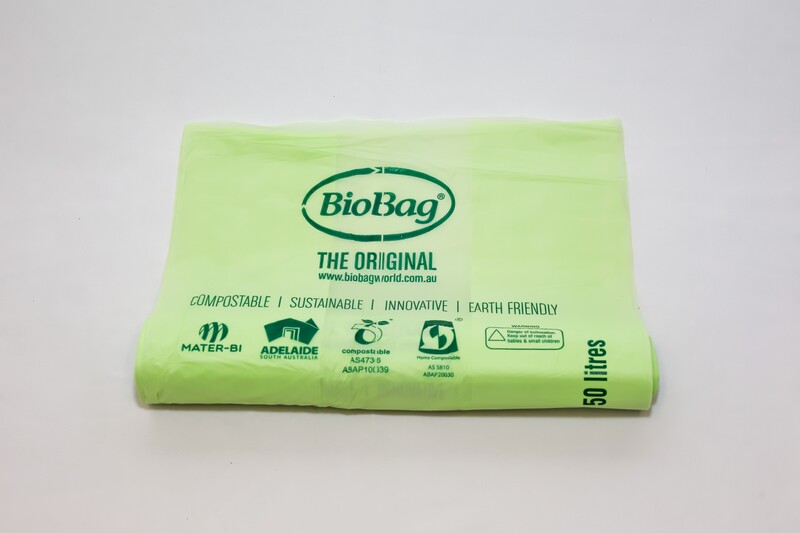
BioBag Australia is a leading provider of compostable and biodegradable packaging solutions, committed to reducing plastic waste and supporting sustainable waste management systems. As part of the global BioBag group, the company offers a wide range of products including compostable bin liners, shopping bags, food waste bags, and packaging materials made from plant-based, renewable resources. All BioBag products are certified compostable to international standards, ensuring they break down naturally without leaving harmful microplastics behind. BioBag Australia works closely with councils, businesses, and households to promote organic waste diversion and responsible disposal practices. Through innovation, education, and certified compostable materials, BioBag Australia plays a key role in advancing zero-waste initiatives and reducing environmental impact across Australia.

Eco-pliant
Bengaluru, Karnataka, India
Eco-pliant is an environmentally conscious company dedicated to creating sustainable material solutions that help businesses reduce their dependence on conventional plastics and non-recyclable materials. The company focuses on the development and supply of eco-friendly, recyclable, and biodegradable alternatives suitable for packaging, manufacturing, and commercial use. Driven by the principles of circular economy and responsible production, Eco-pliant works closely with partners to ensure its materials meet performance requirements while minimizing environmental harm. By combining innovation, material science, and sustainability best practices, Eco-pliant supports industries in transitioning toward greener operations. Through its solutions, Eco-pliant contributes to waste reduction, lower carbon emissions, and more sustainable supply chains, helping organizations align with global sustainability goals and environmental regulations.

Reverse Garbage
Australia
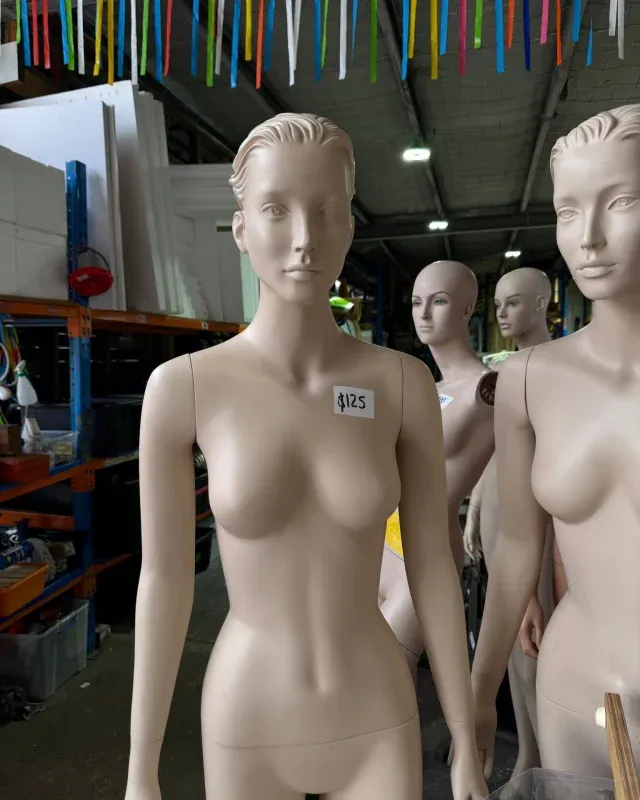
Reverse Garbage is an innovative organization focused on recycling and upcycling industrial waste materials to create useful products. By collecting surplus materials from businesses and industries, the company diverts waste from landfills and repurposes it into creative, functional products for the community. The organization offers an array of upcycled goods, such as arts and crafts materials, home décor, and even furniture, showcasing how waste can be transformed into valuable resources. Reverse Garbage is committed to educating the public about the importance of recycling, waste reduction, and sustainable consumption. They host workshops and provide resources to help individuals and businesses make more responsible choices about waste management. Through its work, Reverse Garbage contributes to building a circular economy, reducing environmental impacts, and fostering a more sustainable and conscious community.
Jonnon
Vancouver, British Columbia, Canada
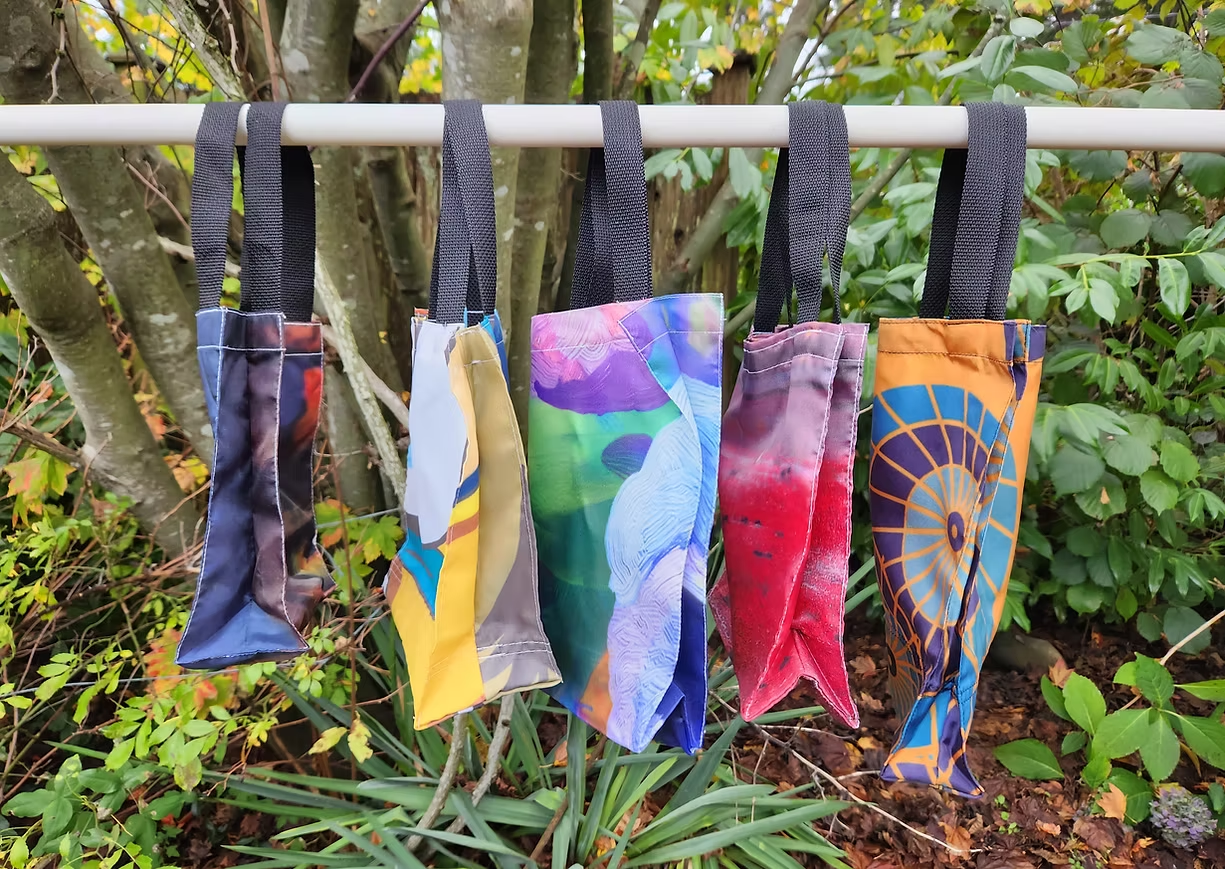
Jonnon is a company that combines sustainability with social impact. They focus on upcycling discarded banners, transforming them into high-quality, stylish bags, accessories, and gift items. Their innovative process not only reduces waste but also creates jobs for underserved communities. By providing employment opportunities, Jonnon helps individuals develop new skills while promoting economic empowerment. Their products are designed to be both functional and environmentally friendly, supporting the growing demand for sustainable alternatives. Through their ethical manufacturing practices and dedication to social responsibility, Jonnon contributes to a circular economy, where materials are reused, and waste is minimized. Customers who purchase Jonnon’s upcycled products not only get unique, durable items but also support an initiative that provides social and environmental benefits. Jonnon’s mission is to create positive change by combining fashion, sustainability, and social impact into one innovative brand.
Aquaconnect
Chennai, Tamil Nadu, India
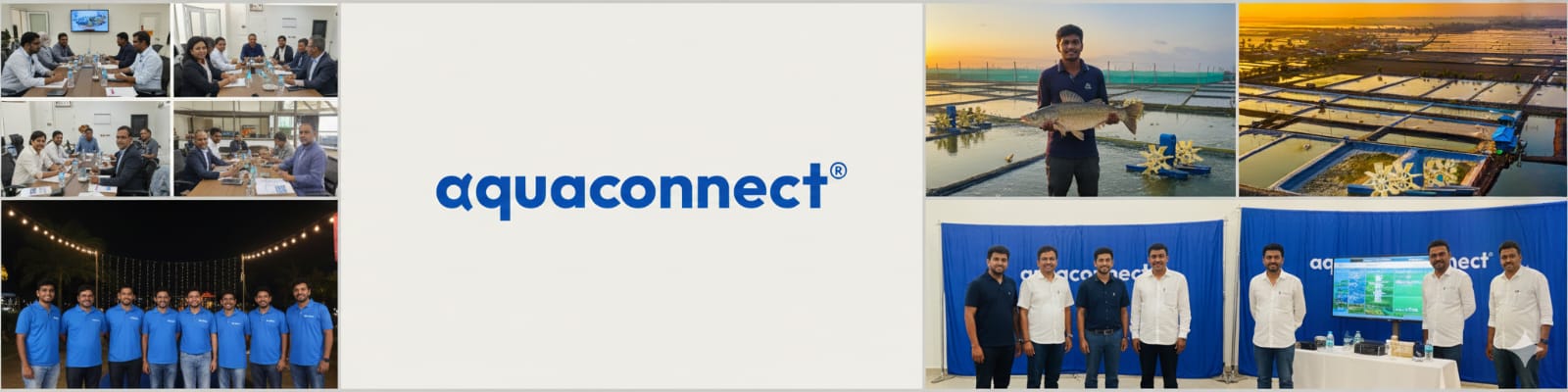
Aquaconnect is an integrated seafood technology company transforming the global aquaculture value chain through data-driven and tech-enabled solutions. Headquartered in Chennai, India, the company works closely with aquaculture farmers, processors, and seafood buyers to create transparent, efficient, and predictable supply chains. Aquaconnect provides digital farm care tools that help farmers monitor pond health, improve productivity, and reduce operational risks. In addition, the company offers post-harvest market linkages and sourcing solutions that connect producers directly with domestic and international buyers, ensuring fair pricing and reliable demand. By combining technology, analytics, and strong on-ground execution, Aquaconnect reduces inefficiencies and information gaps across the seafood ecosystem. The platform has enabled large-scale seafood transactions and facilitated access to working capital and credit for multiple stakeholders. Backed by leading global investors including Omnivore, S2G, and AgFunder, Aquaconnect operates across several countries and continues to expand its footprint. Its mission is to build a sustainable, inclusive, and resilient aquaculture ecosystem that improves farmer livelihoods while meeting global seafood demand responsibly.

Dhun
Jaipur, Rajasthan, India
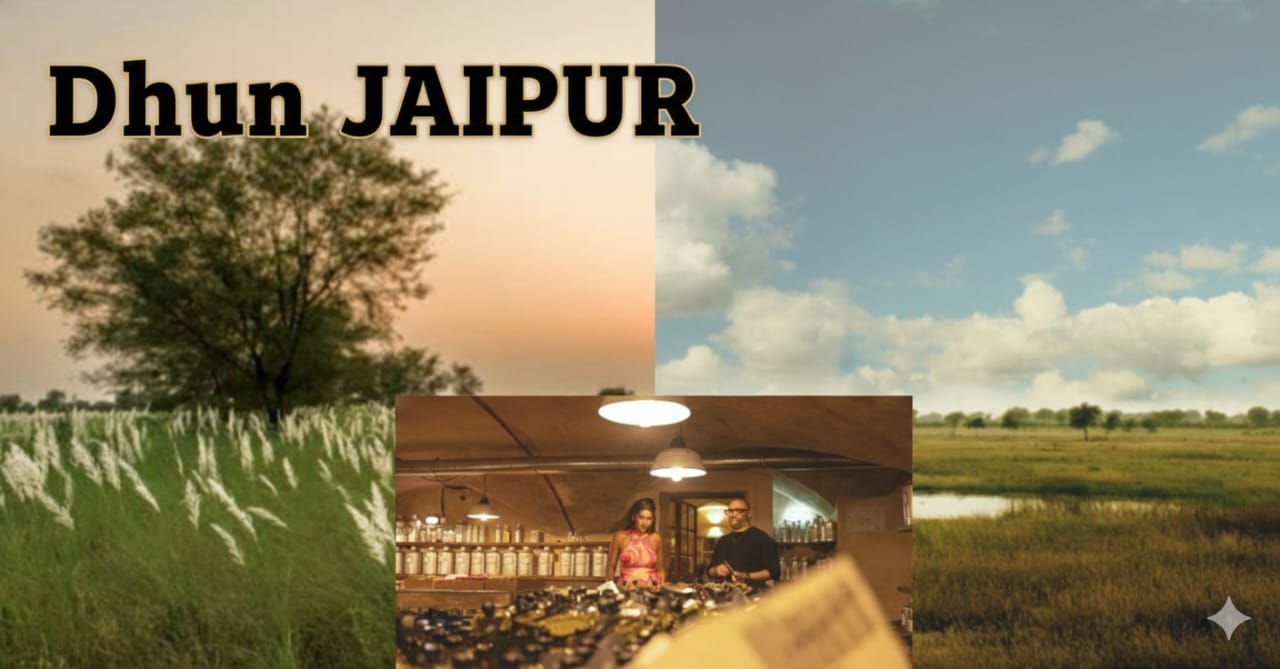
Dhun is a regenerative development initiative headquartered in Jaipur, Rajasthan, India, designed to create future-ready habitats that maximize human potential while restoring nature. Envisioned on a 500-acre bioreserve for approximately 8,500 people, Dhun integrates traditional knowledge systems with exponential technologies to create net-positive outcomes for both the environment and society. The initiative focuses on holistic well-being, education, health, sustainability, and community-led economic development. Through large-scale land regeneration, water conservation systems, and livelihood creation, Dhun demonstrates how human settlements can coexist harmoniously with nature. Alongside Dhun, its associated initiatives include the Suryagarh Collection, an experience-driven hospitality company for new-age travelers, and the I Love Foundation, a grassroots alliance addressing systemic community challenges. Collectively, these initiatives have regenerated barren land, built large-scale rainwater harvesting infrastructure, generated thousands of jobs, and impacted millions of lives, particularly women. Dhun operates across multiple regions and continues to scale regenerative models that blend ecology, economy, culture, and human well-being into a unified living system.

Bold Reuse
Portland, Oregon, United States of America
We’re on a mission to transform the way the world consumes by eliminating single-use waste and making reusable packaging simple, practical, and accessible for everyone. Every year, billions of disposable items end up in landfills and oceans, creating long-term environmental harm. We believe there’s a better way. Our approach focuses on designing durable, user-friendly packaging systems that fit seamlessly into people’s daily routines while helping brands reduce their environmental impact without compromising convenience. By partnering with some of the world’s biggest companies, we’re proving that sustainability and scalability can go hand in hand. Together, we’re building solutions that replace throwaway culture with responsible reuse. Follow along as we innovate, test, and refine systems that make it easy for businesses and customers to choose reusables over disposables. This is more than a project — it’s a movement toward a cleaner, smarter, and more sustainable future for everyone.

Wastelink
New Delhi, Delhi, India
Wastelink is an innovative Indian cleantech startup dedicated to transforming food waste into valuable resources, specifically nutritious animal feed. Founded in 2018 by Saket Dave and Krishnan Kasturirangan, the company addresses the growing problem of food surplus and waste from manufacturers, retailers, and food producers. Using advanced technology and AI-powered supply chain management, Wastelink collects, processes, and converts rejected or surplus food into high-quality feed ingredients under its flagship product, ECOMIX. This approach not only reduces landfill disposal and greenhouse gas emissions but also promotes a circular economy by giving surplus food a second life. Wastelink’s platform serves thousands of food producers and feed manufacturers across India, supporting tens of thousands of animals annually with sustainable nutrition. By combining sustainability, technology, and business efficiency, Wastelink is creating a scalable solution to tackle food waste while benefiting farmers, businesses, and the environment.
Farm Again
Coimbatore, Tamil Nadu, India
Farm Again is an Indian agritech company focused on increasing farm mechanization by refurbishing and reselling used agricultural machinery. The company addresses the challenge of high equipment costs faced by small and marginal farmers by offering quality-assured, refurbished tractors and farm implements at affordable prices. Founded to promote sustainable agriculture and circular economy practices, Farm Again ensures that used machinery is restored through standardized refurbishment processes before being resold. The company combines physical refurbishment centers with digital platforms to connect farmers, sellers, and buyers efficiently. By extending the lifecycle of farm equipment, Farm Again reduces waste, lowers carbon footprint, and improves access to mechanization in rural areas. Its operations support farmers in improving productivity while minimizing capital investment. Farm Again plays a vital role in promoting resource efficiency, reducing machinery idle time, and enabling environmentally responsible agricultural practices across multiple farming regions in India.
Loopworm
Bengaluru, Karnataka, India
Loopworm is an Indian agri‑biotechnology company founded in 2019 by Ankit Alok Bagaria and Abhi Gawri, focused on leveraging insect biology to create sustainable, high‑value proteins and bioproducts that address global nutrition and environmental challenges. TNGlobal The company transforms insects like silkworms and black soldier flies into nutrient‑dense ingredients such as insect protein meal, fatty acids, and biomolecules for use in aquaculture, poultry, pet nutrition, and other industrial applications. Loopworm Loopworm operates a 6,000 tonnes per annum production facility in Bengaluru, India, and its products have earned certifications including ISO 22000, GMP+, HACCP, and EU TRACES, enabling international expansion. petfoodindustry.com +1 Beyond feed, the company is advancing recombinant protein platforms and value‑added insect‑derived biomolecules for broader biotech and wellness applications. feedbusinessmea.com Loopworm’s approach supports waste upcycling, sustainable protein supply chains, and reduced reliance on traditional animal and marine feed inputs — contributing to more resilient and eco‑friendly food systems.