

© 2026 Made for Planet • Privacy Policy • Terms & Conditions
Platform by Mission Sustainability
By Rittika rana • Feb 23, 2026
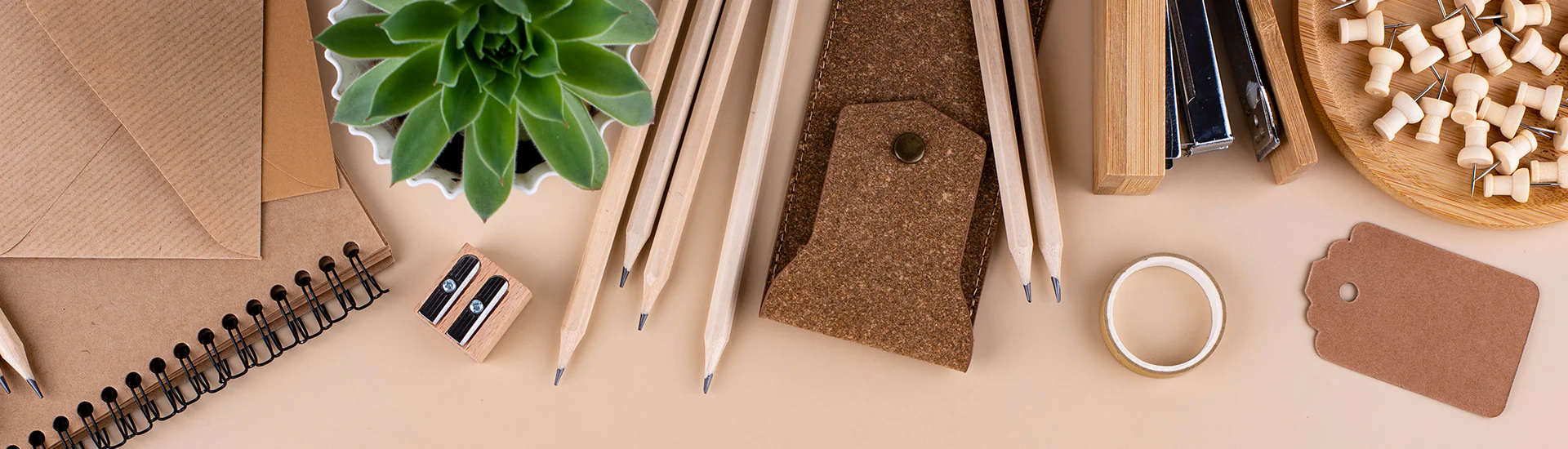
Sustainable stationery refers to notebooks, pens, paper products, and office supplies made from recycled, renewable, or responsibly sourced materials designed to reduce environmental impact. Unlike conventional stationery, which often relies on virgin paper and single use plastics, sustainable stationery prioritises lower resource use, reduced waste, and longer product lifespan.
Stationery may seem like a minor category in the sustainability conversation. But when you consider the scale at which it is consumed globally, its impact becomes difficult to ignore.
From schools and universities to corporate offices and home workspaces, stationery products are used daily, replaced frequently, and discarded quietly. Paper notebooks, plastic pens, printer cartridges, highlighters, folders, sticky notes, envelopes — these are not occasional purchases. They are routine.
And routine consumption at scale creates systemic environmental pressure.
Paper is the backbone of most stationery. While paper is technically renewable, large-scale demand for virgin wood pulp continues to contribute to forest degradation in many parts of the world.
According to the Food and Agriculture Organization of the United Nations, approximately 10 million hectares of forest are lost globally each year due to deforestation pressures.
Although not all deforestation is driven by paper production, industrial logging for pulp remains a contributing factor. Beyond tree harvesting, paper production is resource intensive. It requires significant water input, energy use, and chemical processing.
The World Wildlife Fund has reported that paper production is one of the largest industrial users of water globally.
When conventional stationery relies on virgin paper, it indirectly contributes to this demand cycle.
Paper manufacturing involves pulping, bleaching, drying, and finishing processes. These stages consume energy and can generate emissions.
According to data from the Environmental Paper Network, recycled paper typically uses less energy and water compared to virgin pulp production.
The difference becomes significant when multiplied across billions of notebooks and sheets of office paper used each year.
Sustainable stationery that incorporates recycled content reduces pressure on forests and lowers lifecycle energy demand.

While paper receives much of the attention, plastic stationery is equally concerning.
Pens are one of the most discarded everyday items globally. Most disposable pens are made from mixed plastics, which makes recycling extremely difficult. They are small, lightweight, and often thrown away without consideration.
Plastic pollution has been identified by the United Nations Environment Programme as one of the most urgent environmental challenges, with millions of tonnes entering ecosystems annually.
A single plastic pen may seem insignificant. But when multiplied by offices, schools, and institutions worldwide, the waste accumulates rapidly.
Unlike refillable alternatives, disposable pens are designed for short lifespans.

Printer cartridges are another overlooked component of conventional stationery.
Ink cartridges contain plastic casings and residual chemical ink. Without proper recycling programs, most end up in landfills.
Electronic waste has been increasing globally, and small composite plastic products like cartridges contribute to the broader waste stream.
Offices with high printing volumes amplify this impact.

Conventional stationery is often shrink wrapped in plastic or packaged in multi layer materials. Even sustainable paper products can lose credibility when encased in excessive plastic.
The lifecycle of stationery does not end with the product itself. Packaging plays a significant role in overall environmental footprint.

Sustainable stationery is not simply about recycled paper. It is about rethinking materials, production, lifespan, and disposal.
Using post consumer recycled paper reduces demand for virgin wood pulp and lowers overall resource consumption.
Recycled paper production typically requires less water and energy compared to virgin pulp manufacturing. It also diverts paper waste from landfills.
For sustainable stationery brands, recycled content is often the baseline requirement.
When virgin fibre is used, certification becomes important.
The Forest Stewardship Council certification ensures that paper products come from responsibly managed forests that protect biodiversity and community rights.
Sustainable stationery incorporating FSC certified paper helps ensure forestry practices are monitored and regulated.
A key principle of sustainable stationery is durability.
Refillable pens reduce plastic waste dramatically compared to disposable versions. Mechanical pencils reduce wood use. Refillable markers extend product life.
Longevity is often more impactful than material substitution alone.
The longer a product remains in use, the lower its annualised environmental footprint.
Traditional printing inks often contain petroleum based solvents. Plant based inks, such as soy ink, reduce fossil fuel dependency and can improve paper recyclability.
In large scale printing operations, ink composition significantly influences environmental performance.
Truly sustainable stationery extends responsibility to packaging. Compostable wrapping, recyclable boxes, and minimal packaging reduce waste generation at the distribution stage.
Sustainability must be considered across the entire product lifecycle.

Offices and educational institutions consume stationery in high volumes. Procurement decisions in these environments have outsized impact.
By choosing sustainable stationery, organisations can:
• Reduce reliance on virgin forest resources • Lower plastic waste generation • Support circular material flows • Align purchasing with environmental goals
Small procurement shifts, when implemented at scale, influence supply chains.
Supply chains respond to demand signals.
When sustainable stationery becomes standard rather than niche, production systems evolve accordingly.

Stationery is not just about notebooks and pens. It represents material flow in miniature.
Paper reflects forestry systems.
Plastic pens reflect fossil fuel dependency.
Ink cartridges reflect composite waste streams.
Packaging reflects design priorities.
When everyday tools are redesigned with sustainability in mind, they reflect a broader shift toward circular consumption.
Sustainable stationery is not a symbolic gesture. It is a measurable material intervention.
And because stationery is universal, its potential impact is equally widespread.
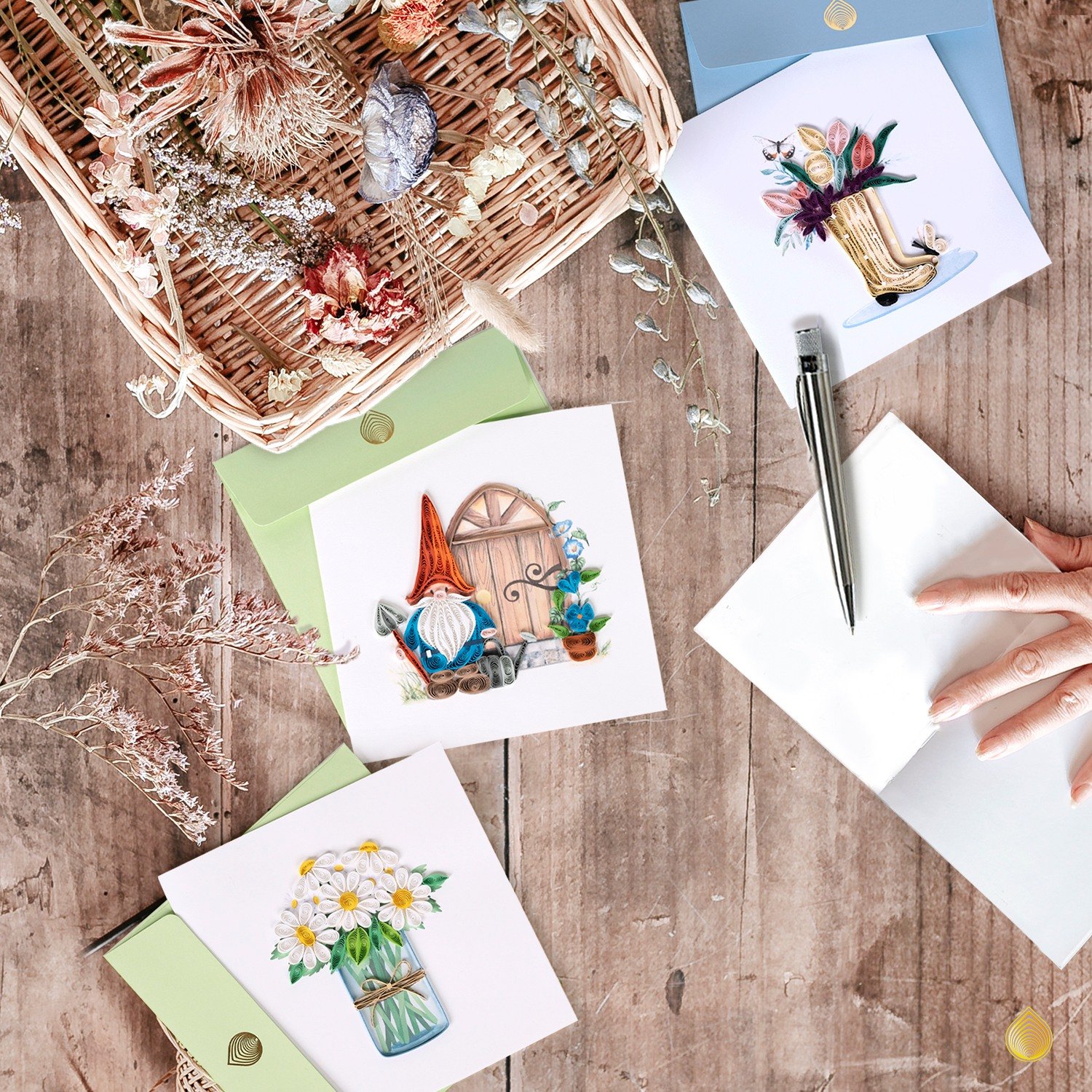
As interest in sustainable stationery grows, several brands are redesigning notebooks, pens, and office supplies to reduce environmental impact. Below are ten brands working across recycled paper, refillable systems, tree free materials, and plastic reduction.
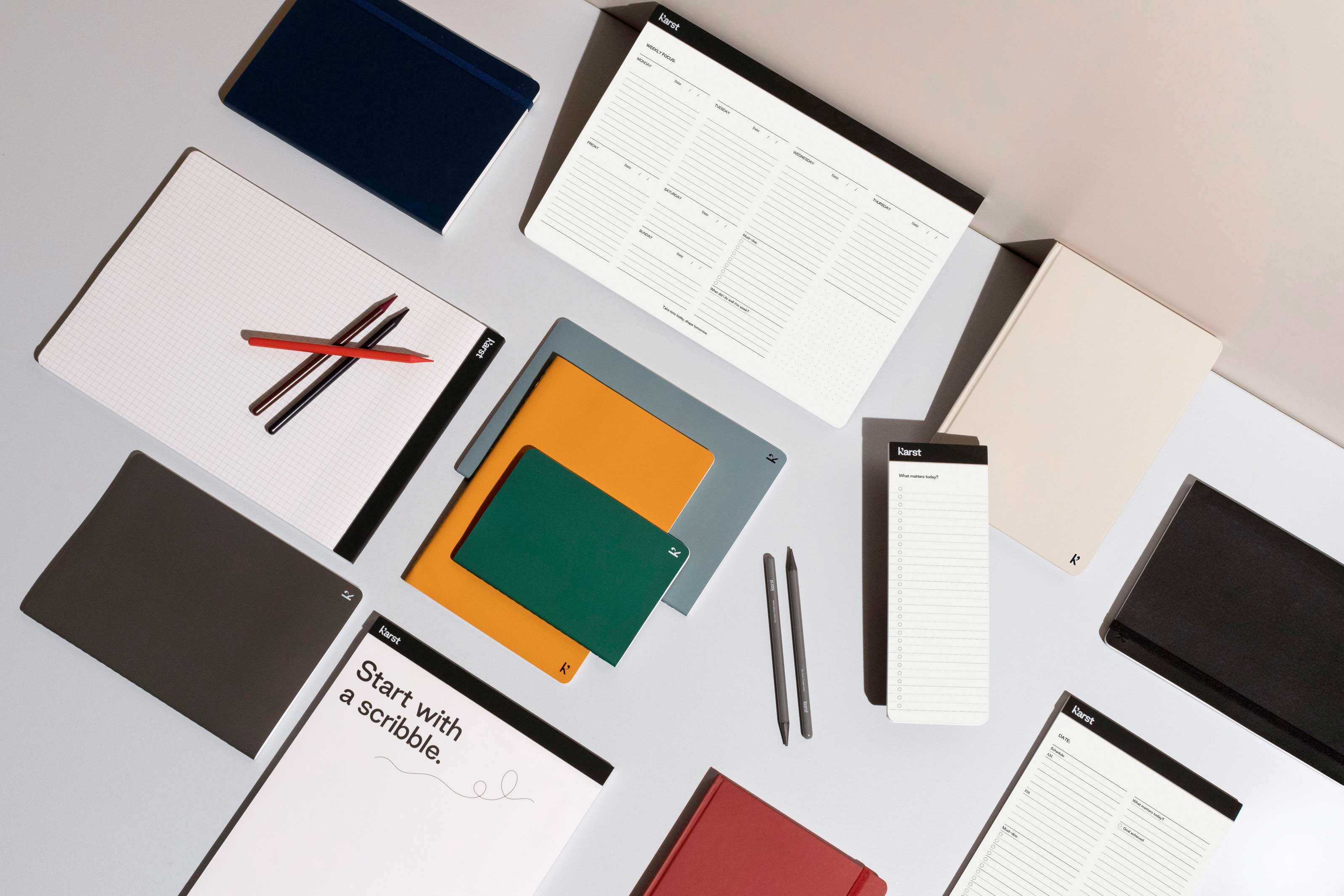
Best For: Tree free notebooks Website: https://karststonepaper.com
Karst produces notebooks made from recycled stone rather than wood pulp. This reduces reliance on forests and lowers water consumption during production.
What makes it sustainable: Karst’s stone paper eliminates tree based fibre and reduces chemical bleaching processes common in conventional stationery.
Why it stands out: Durable, water resistant pages with a reduced forestry footprint.

Best For: Eco friendly school supplies Website: https://onyxandgreen.com
Onyx and Green offers recycled and biodegradable stationery for schools and offices.
What makes it sustainable: Products include recycled paper notebooks, bamboo rulers, and compostable packaging options.
Why it stands out: Wide range of sustainable alternatives designed specifically for educational environments.

Best For: FSC certified planners and notebooks Website: https://ecojot.com
Ecojot manufactures FSC certified paper products with a focus on responsible forestry.
What makes it sustainable: Use of responsibly sourced paper and environmentally conscious printing practices.
Why it stands out: Combines sustainable stationery production with social impact initiatives.

Best For: Zero waste classroom stationery Website: https://www.wisdomsupplyco.com
Wisdom Supply Co designs refillable and plastic free school supplies.
What makes it sustainable: Focus on eliminating plastic packaging and promoting reusable systems.
Why it stands out: Built specifically around reducing landfill waste in education systems.
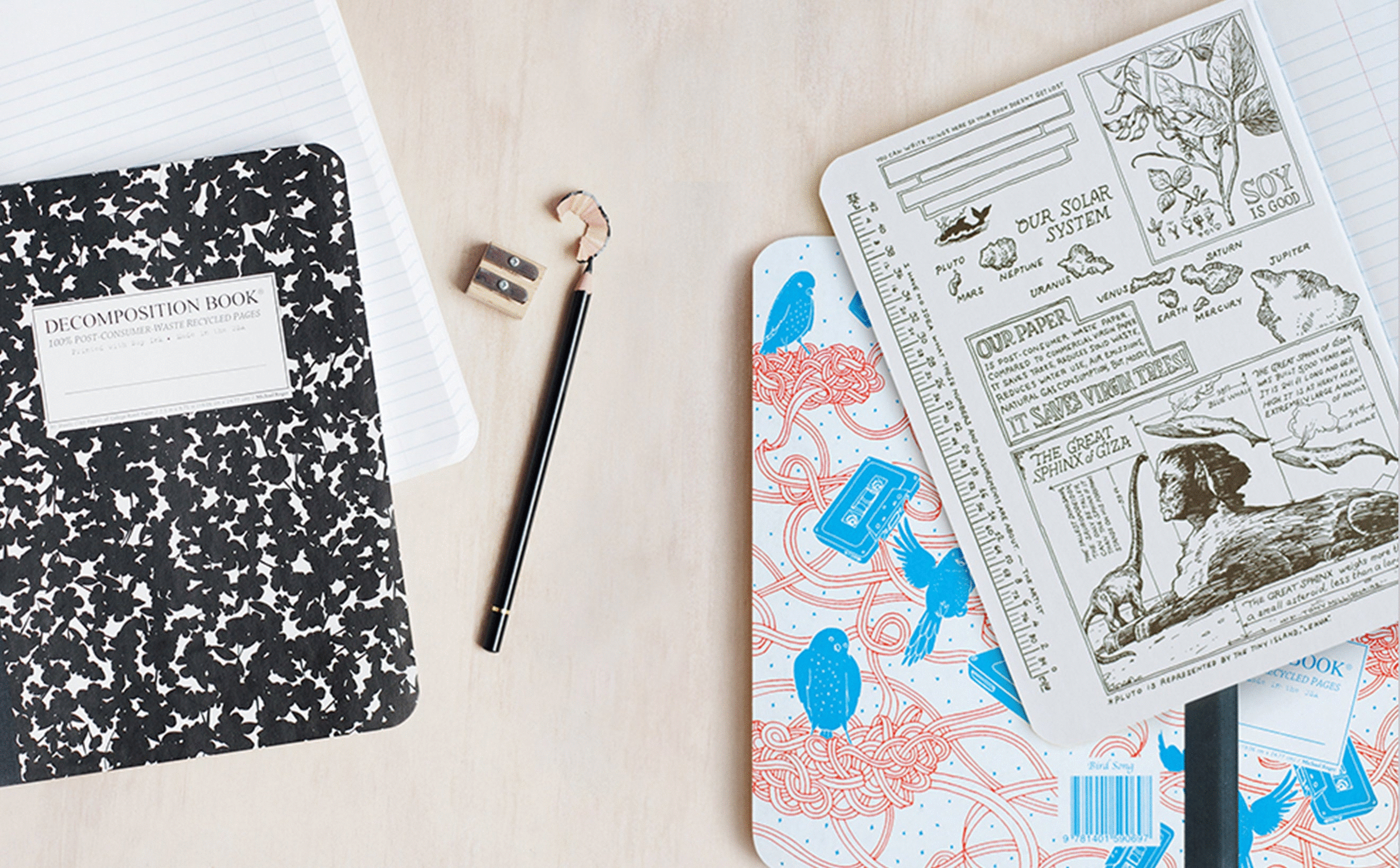
Best For: Recycled paper notebooks Website: https://decomposition.com
Decomposition Book uses recycled paper and soy based inks in its notebook line.
What makes it sustainable: High recycled content and plant based printing inks reduce fossil fuel dependency.
Why it stands out: Recognisable design combined with environmentally responsible materials.
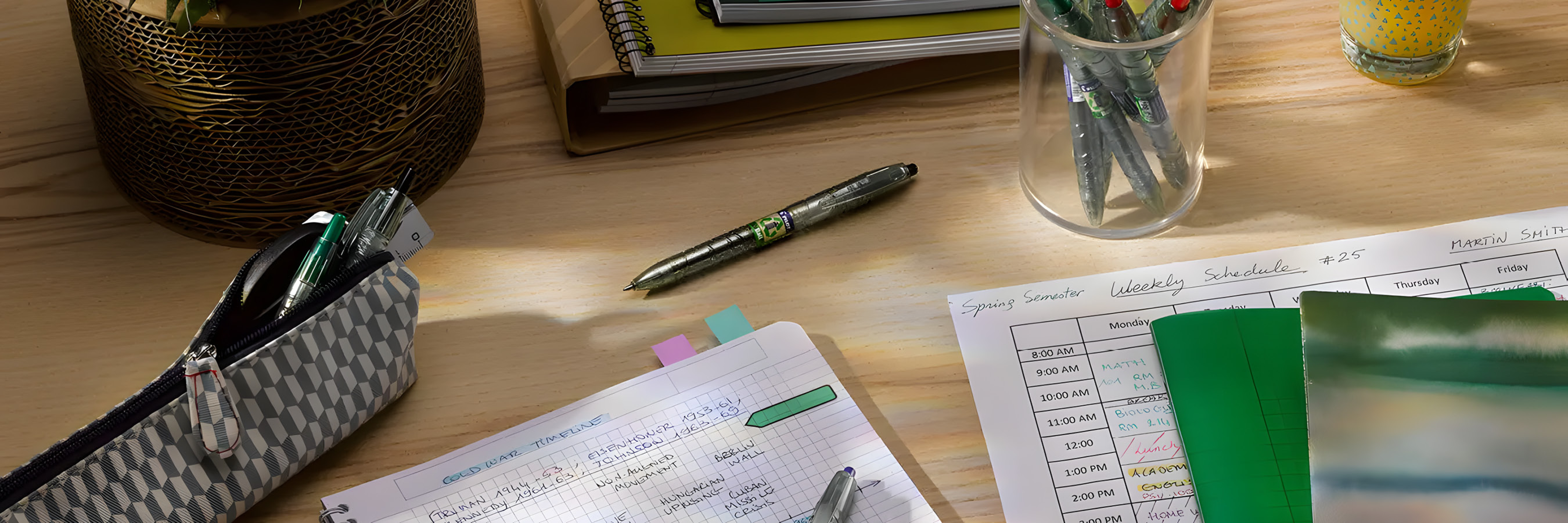
Best For: Refillable and recycled pens Website: https://pilotpen.eu/begreen
Pilot Begreen offers pens made with recycled plastic and refillable systems.
What makes it sustainable: Refillable cartridges significantly reduce single use plastic waste.
Why it stands out: Combines mainstream performance with improved material responsibility.

Best For: Recycled paper and eco conscious planners Website: https://thejuneshop.com
The June Shop offers eco-friendly stationery made from recycled paper and plastic free packaging.
What makes it sustainable: Emphasises sustainable sourcing and minimal waste design across notebooks and planners.
Why it stands out: Blends aesthetics with responsible material choices for conscious consumers.
Stationery is often seen as small, routine, and insignificant. A notebook here. A pen there. A ream of paper for the office printer.
But when multiplied across schools, corporations, universities, and households worldwide, stationery represents billions of material decisions every year.
Conventional stationery relies heavily on virgin paper, fossil fuel based plastics, and short product lifespans. Sustainable stationery challenges that model. It asks whether everyday tools can be designed with responsibility, longevity, and circular material use in mind.
Choosing recycled paper over virgin pulp reduces pressure on forests. Choosing refillable pens over disposable ones lowers plastic waste. Choosing FSC certified products supports responsible forestry. These decisions may appear incremental, but procurement patterns shape supply chains.
Supply chains respond to demand.
When sustainable stationery becomes the default rather than the exception, manufacturers adapt. Material sourcing improves. Packaging reduces. Refill systems expand.
The transition toward sustainable stationery is not about perfection. It is about direction. It is about reducing unnecessary material extraction and extending product life wherever possible.
From classrooms to boardrooms, the tools we write with reflect the systems we support.
And sometimes sustainability begins not with dramatic innovation, but with the simple decision to choose better stationery.
Sustainable stationery refers to notebooks, pens, and office supplies made from recycled, renewable, or responsibly sourced materials that reduce environmental impact compared to conventional stationery.
Sustainable stationery helps reduce deforestation, plastic waste, and carbon emissions by using recycled paper, refillable systems, and eco-friendly materials instead of virgin or fossil fuel based inputs.
Common materials include recycled paper, FSC certified wood pulp, bamboo, agricultural waste fibres, biodegradable plastics, and plant based inks such as soy ink.
Yes. Recycled paper typically uses less water and energy than virgin paper production and reduces demand for fresh timber, helping conserve forest resources.
Refillable pens reduce plastic waste and extend product lifespan, making them more environmentally responsible than single use plastic pens.
Offices can choose recycled paper, refillable writing tools, FSC certified products, minimal packaging options, and reduce unnecessary printing to lower environmental impact.
Some sustainable stationery products may have slightly higher upfront costs, but refill systems and durable materials often reduce long term replacement expenses.
Look for certifications such as FSC for responsible forestry and recycled content labels that verify post consumer material use.
Yes. Sustainable stationery often replaces plastic components with bamboo, recycled materials, or refill systems that significantly reduce single use plastic consumption.
Yes. Because stationery is widely used in schools and offices, small material changes at scale can reduce resource extraction, energy use, and landfill waste over time.
Related topics
Related Categories
Share this blog